 Current Service
Painting
Refresh interior and exterior surfaces with professional, detail-oriented painting.
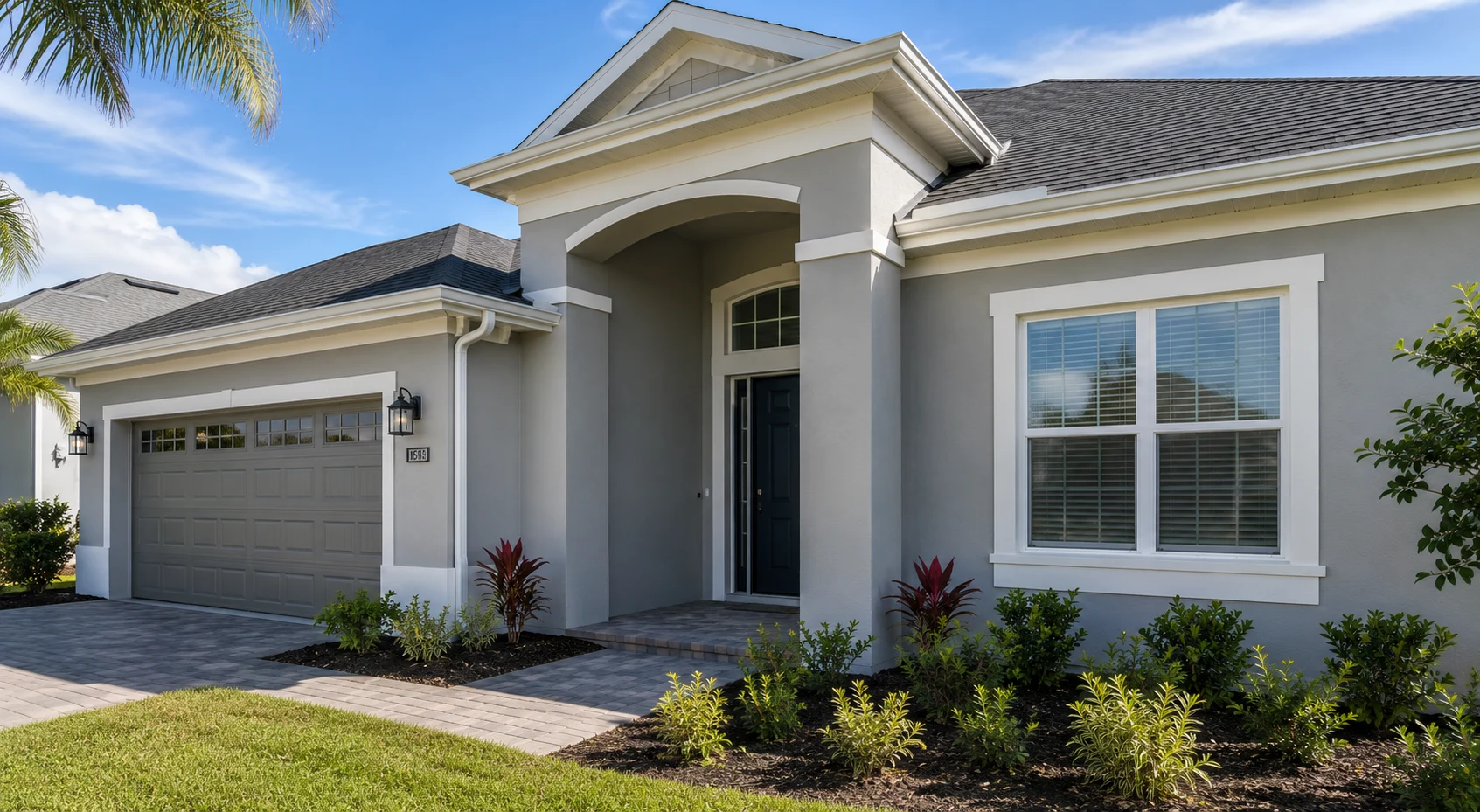
Residential Painting Serving Lake Nona
Serving homeowners throughout Lake Nona, where smooth walls, flat sheens, and long uninterrupted planes show every shortcut a crew takes. That is exactly the standard we prefer to work to — clean surfaces, low-odor products, and a finish that still looks deliberate under the daylight these houses were designed to let in.
Get Your Free EstimateFree In-Home Consultation
Organized Process
Every project follows a clear, structured process from first contact to final walkthrough.
Quality Craftsmanship
We pay attention to the details that make a remodel feel finished and durable.
Clear Communication
You'll always know what's happening with your project and what comes next.
Commitment to Your Home
We treat every property with the same care and respect as if it were our own.
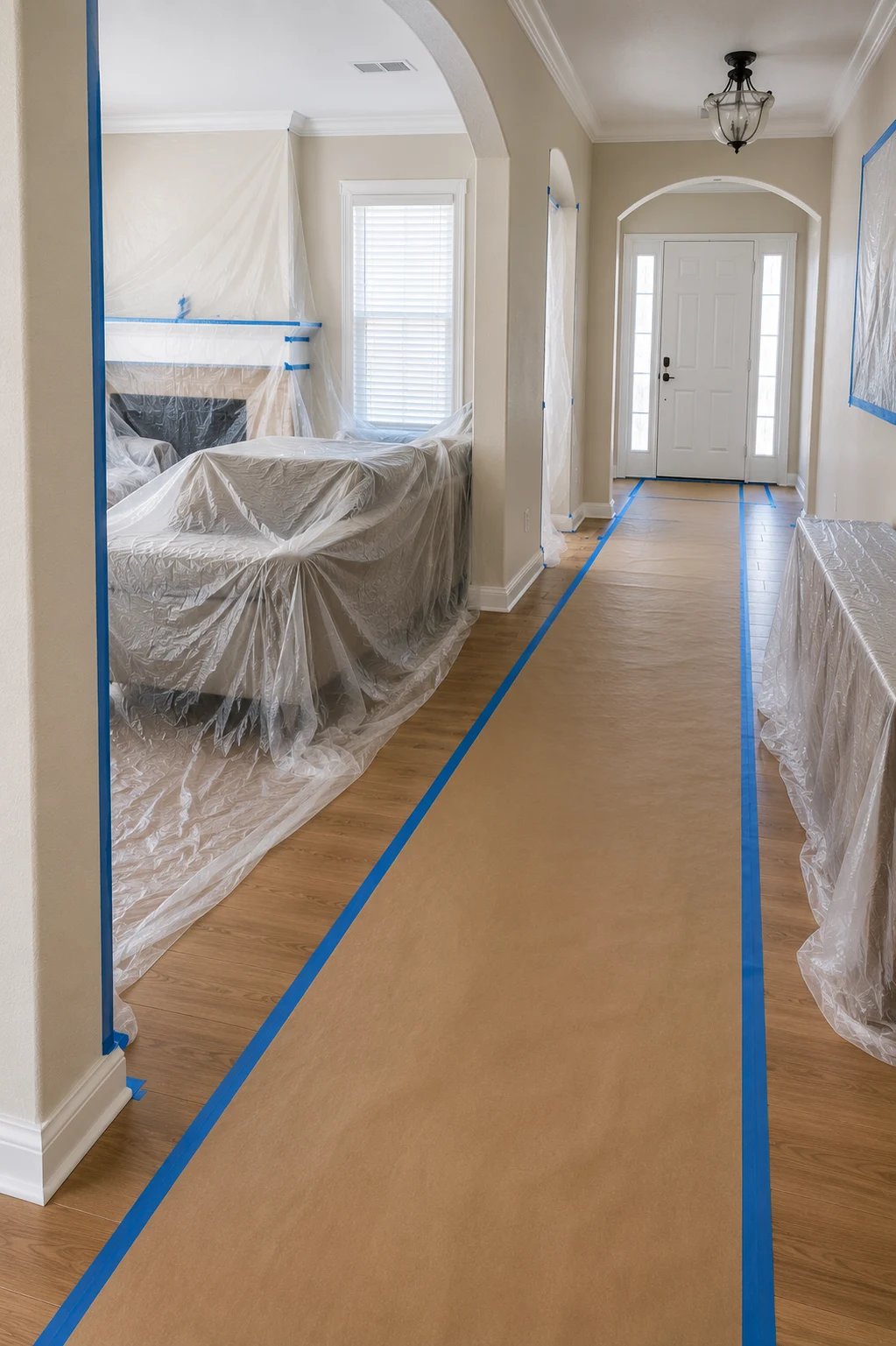 Setting the Space
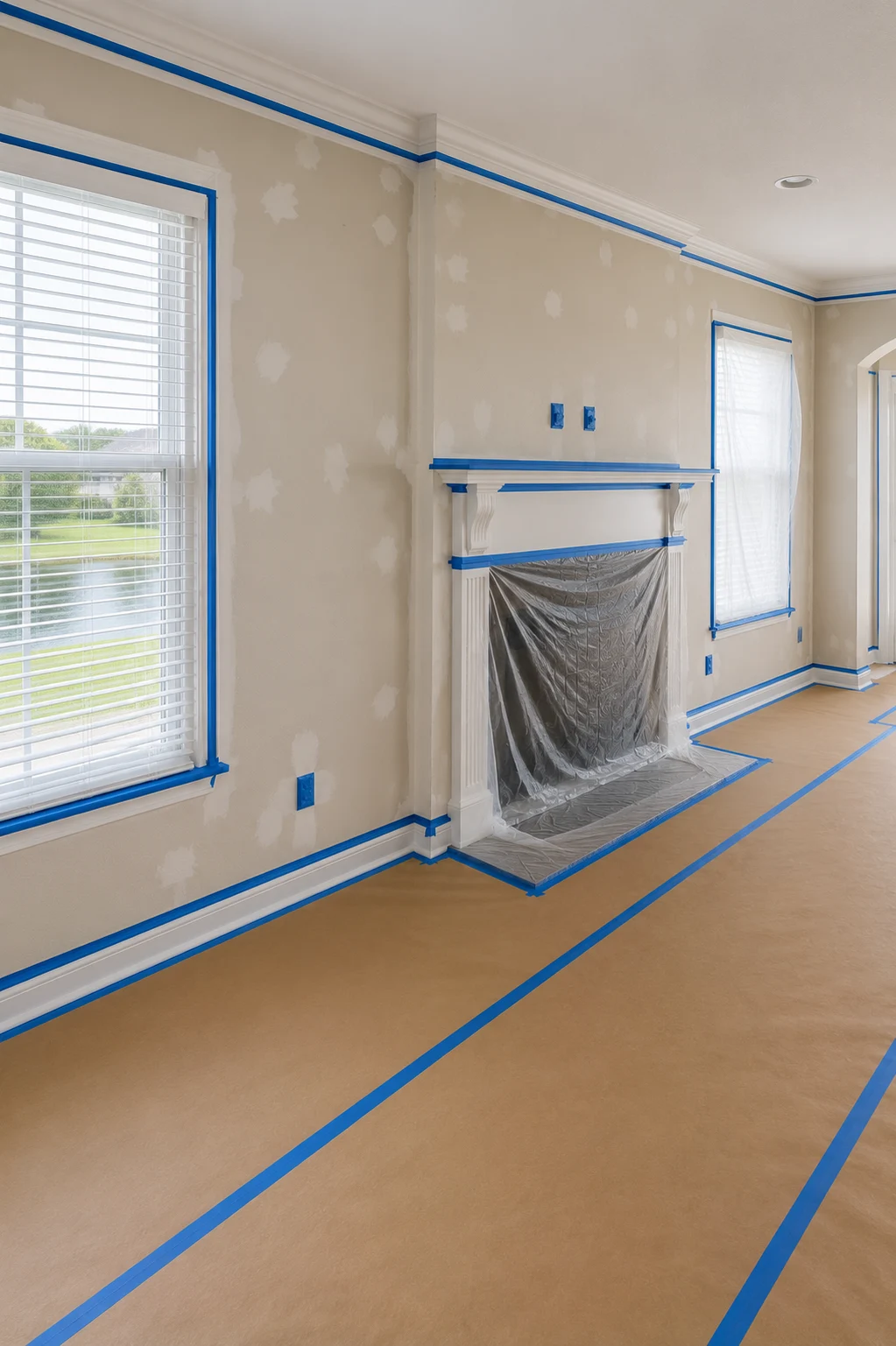 Smoothing & Checking
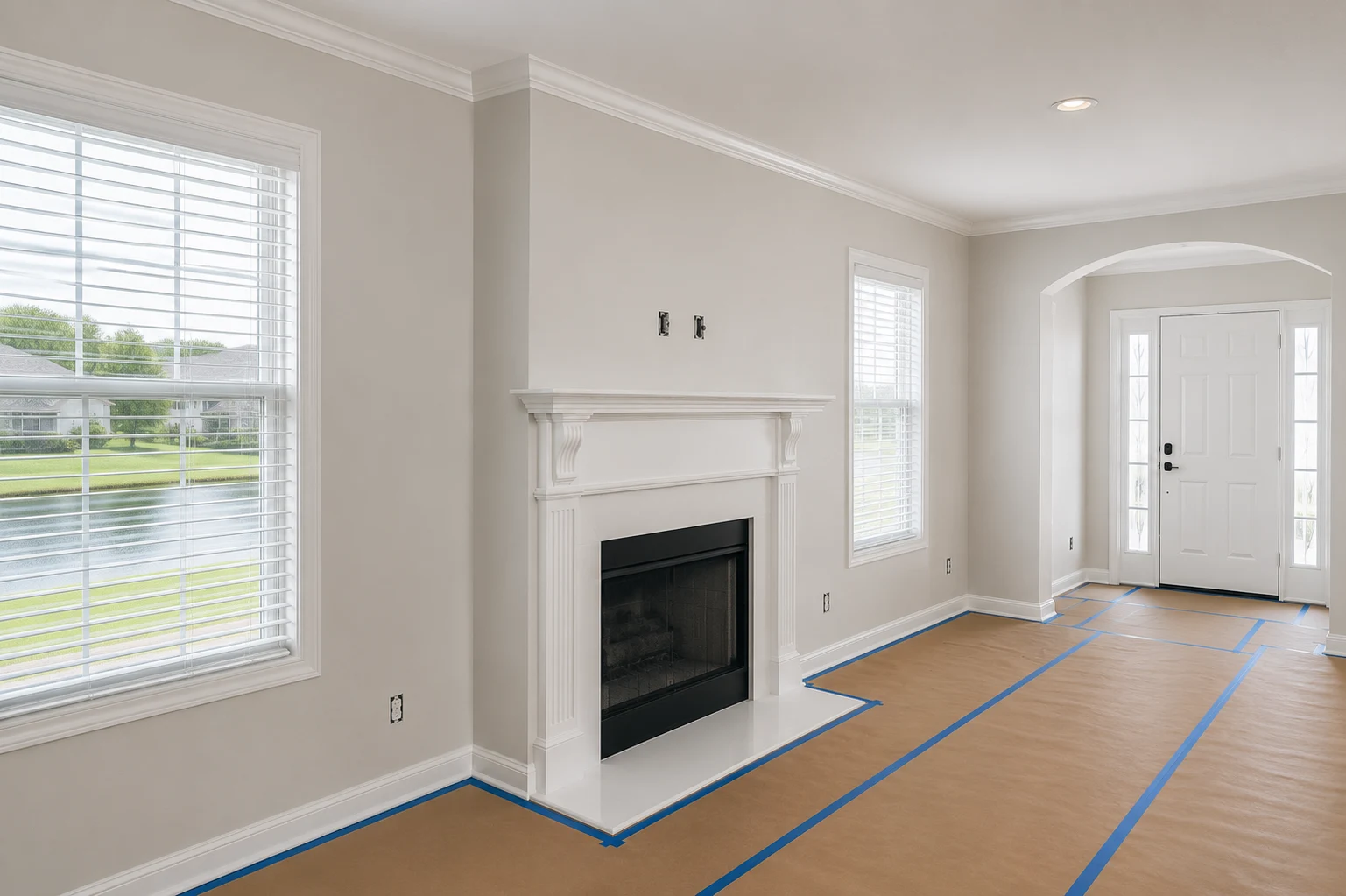 Laying the Finish
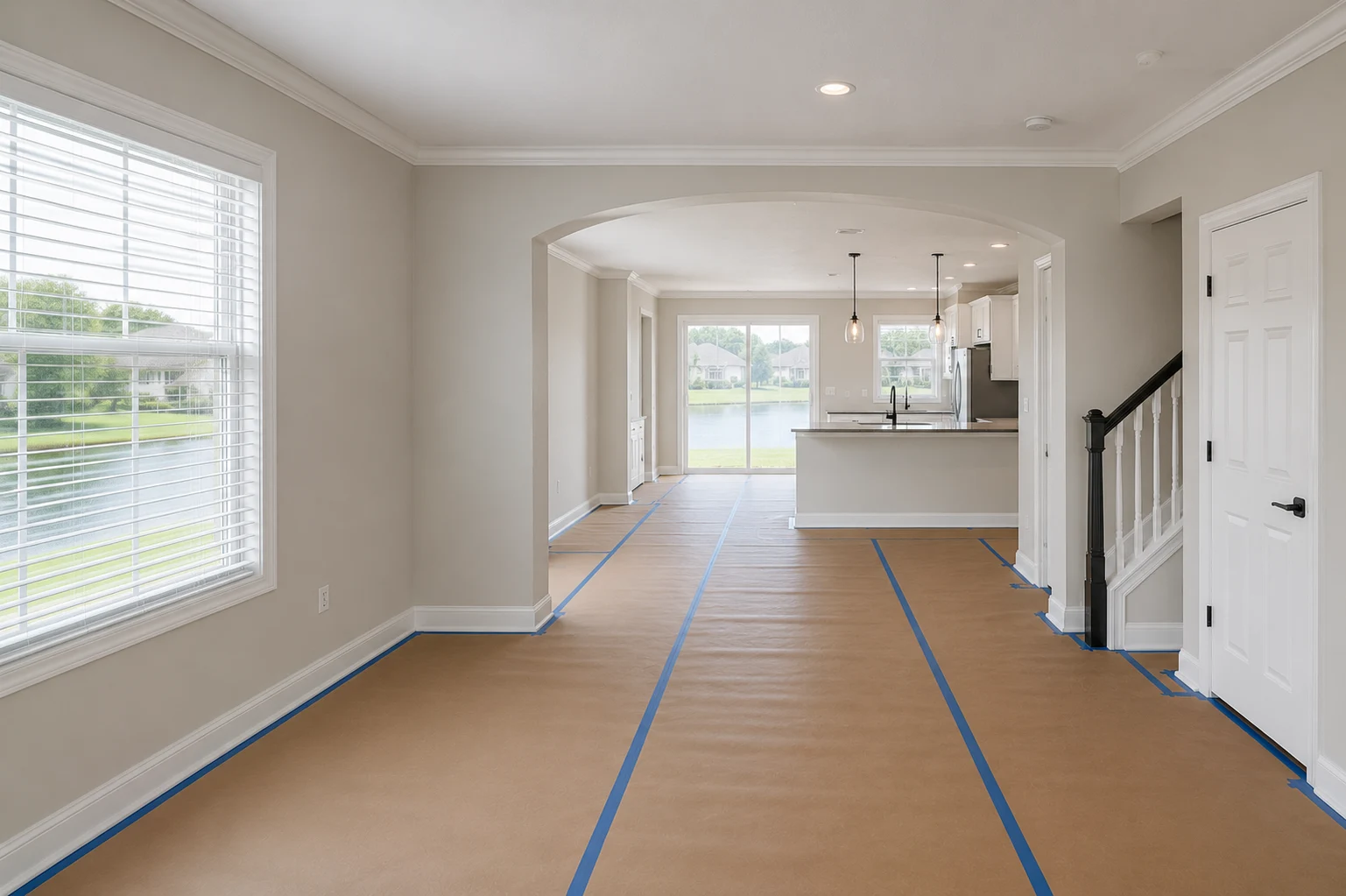 Review & Reopen
Working With Us
We're not focused on being the biggest — we're focused on being organized, communicative, and easy to work with.
Your project starts with a clear plan, not guesswork.
You'll hear from a real person about the status of your project.
We treat the small details as seriously as the big decisions.
How It Works
We start by understanding your goals, your home, and the scope of your project.
We translate your vision into a clear, organized plan before any work begins.
You choose finishes and materials with guidance from our team.
Our team executes the project with attention to detail and clear communication.
We review the finished work together to make sure everything meets your expectations.
Real Results
Modern interiors live or die on how flat the wall reads and how consistently the sheen carries across it. Get that right and a room changes character entirely — without a single line of the architecture being touched.
The Benefits
In a house built around clean lines, the value of a paint job is mostly in what you cannot see once it is done.
What Else to Consider
While the rooms are already emptied and covered, a few related jobs take a fraction of the effort they would as standalone visits.
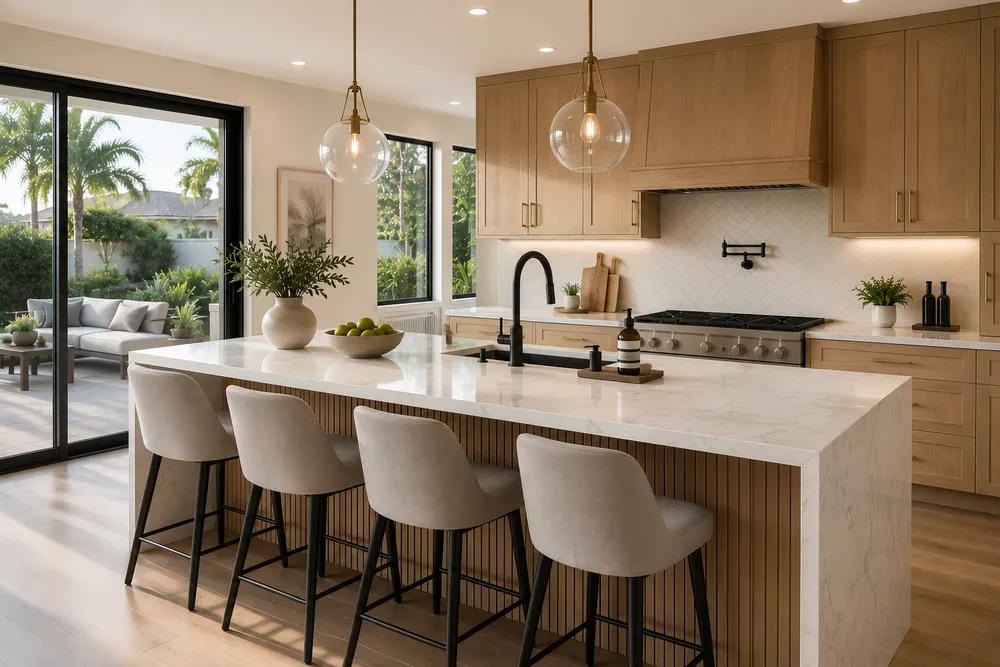
Transform the heart of your home with a kitchen that blends functionality, craftsmanship, and modern design.
Learn More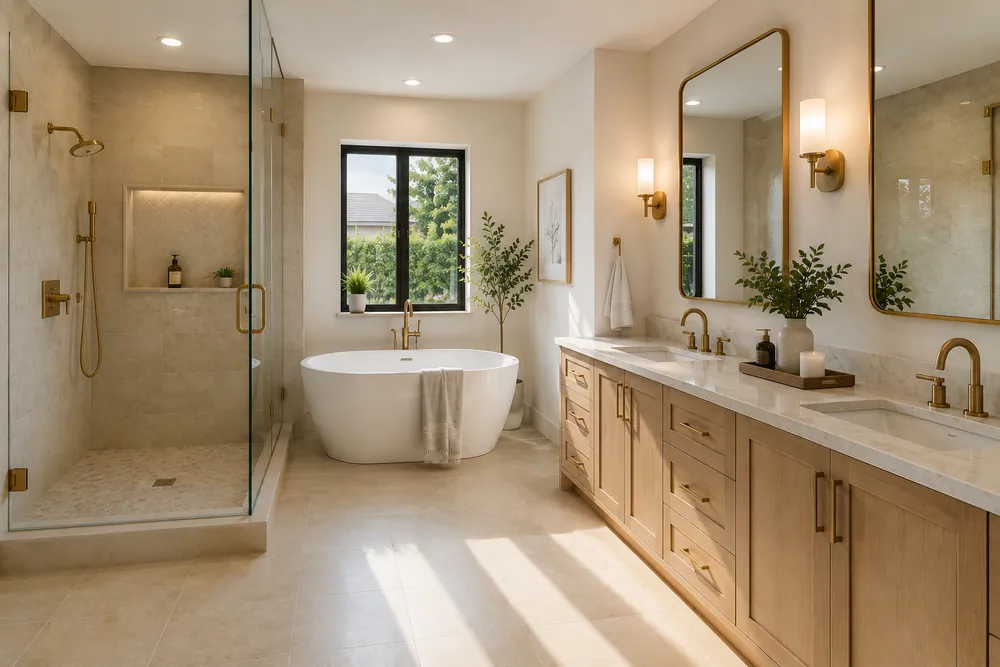
Modernize your bathroom with thoughtful layouts, quality finishes, and lasting comfort.
Learn More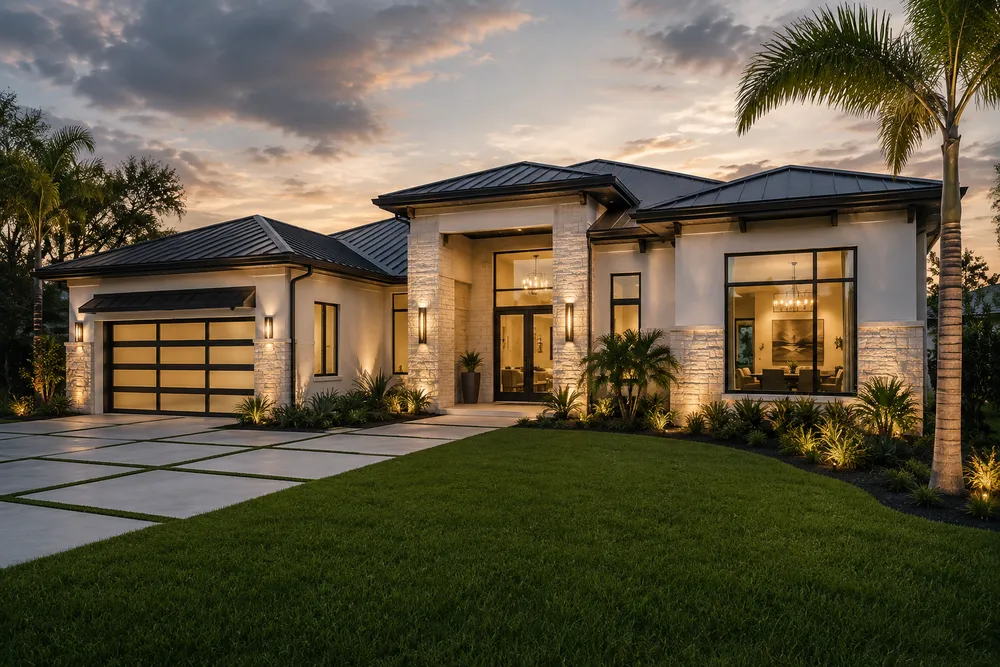
Coordinate a complete transformation of your home, from layout to finishing details.
Learn More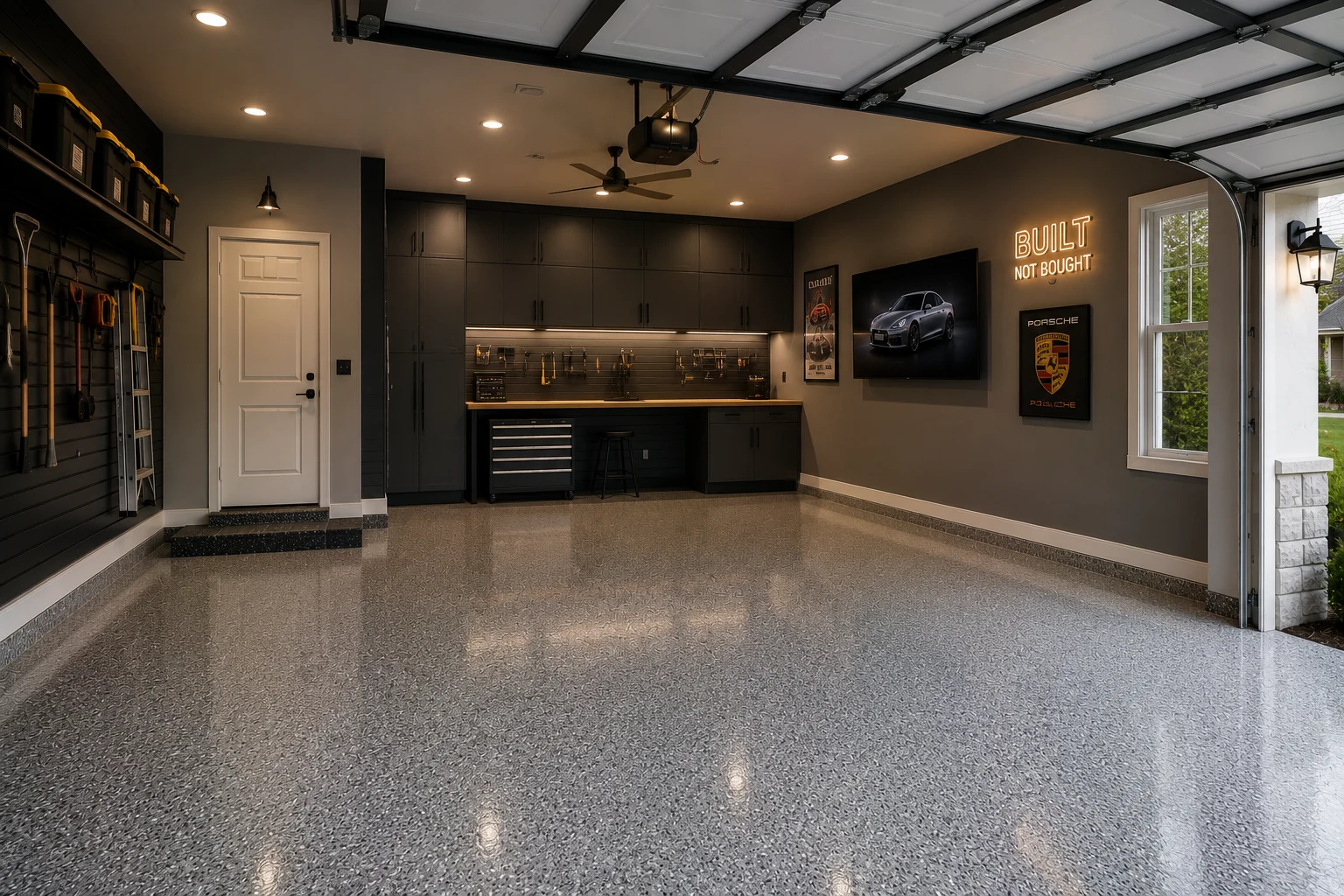
Turn your garage into an organized, durable, and functional extension of your home.
Learn More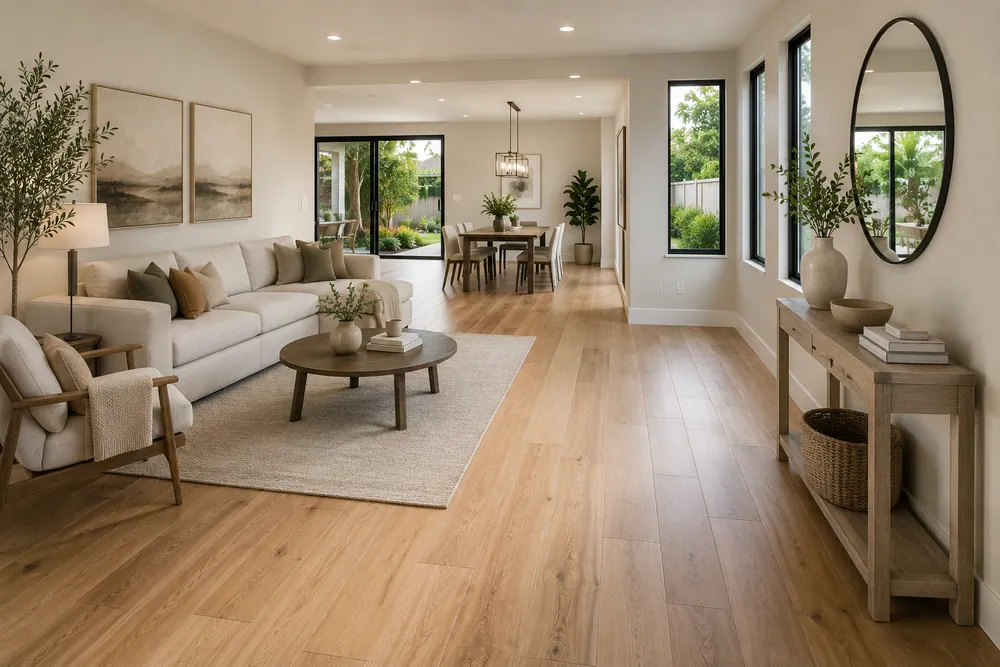
Install and refresh flooring throughout your home with materials built to last.
Learn MoreCurrent ServiceRefresh interior and exterior surfaces with professional, detail-oriented painting.
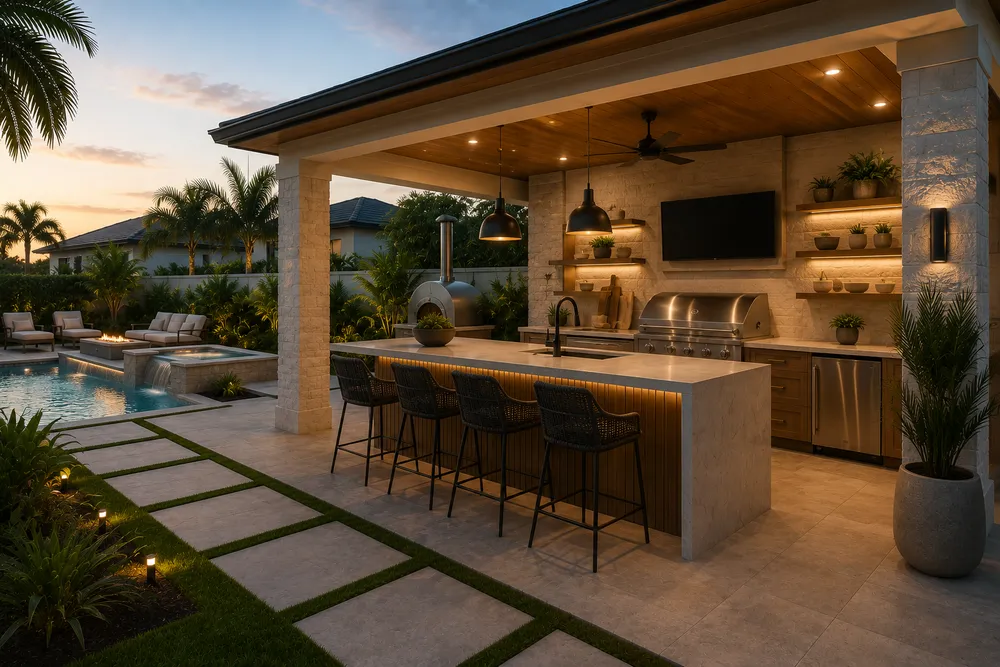
Create outdoor spaces designed for everyday living and relaxed entertaining.
Learn More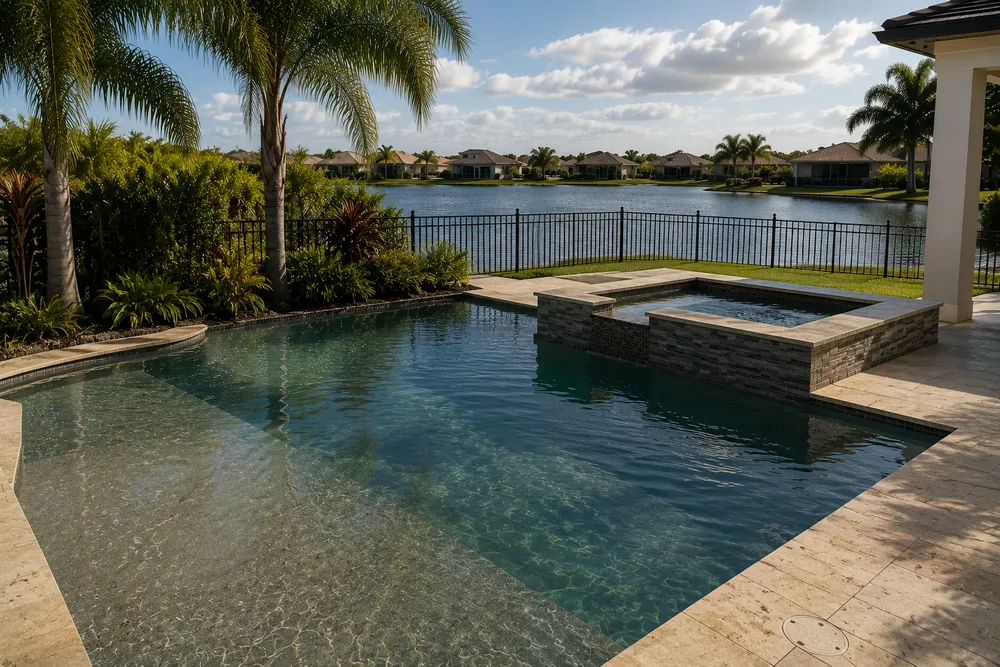
Design and build a custom pool tailored to your home and lifestyle.
Learn More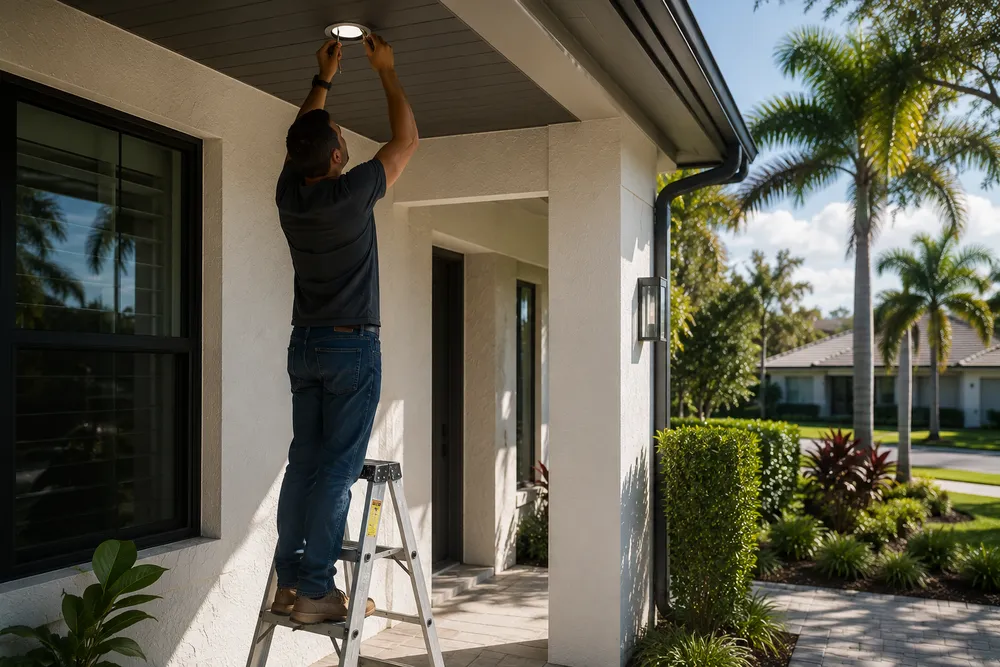
Handle everyday repairs and improvements with the same attention to detail as larger projects.
Learn MoreGet Started
Tell us about your project and our team will reach out to discuss the next steps.
Get your free estimate in less than 2 minutes
Prefer to talk it through first? Call or email us directly.
Working With Us
There is a common assumption that a newer, cleaner house is an easier paint job. In practice the opposite is true. Textured walls forgive a great deal; the smooth drywall, square-edge trim, and matte finishes in these homes forgive nothing. A slightly heavy roller pass, a patch that was filled but not feathered, a seam that was never quite flat — all of it reads plainly the moment afternoon light crosses the wall.
So we work to a different rhythm here: more time on the surface than on the coats, walls checked under raking light before anything is applied, and products chosen with the household in mind as well as the wall. We will tell you where a room needs skim work before it needs color, and we will say so before there is a number attached. Here is how the project takes shape.
Planning Ahead
Four things worth resolving before work begins — each one changes the preparation, the product, or the schedule.
On a textured wall, a small imperfection disappears into the pattern. On the smooth drywall in most homes here, that same flaw sits in plain view — and a flat or matte sheen amplifies it further, because there is no gloss to distract the eye. Which is why we check walls under raking light before quoting: some rooms need nothing more than cleaning, and others need skimming and sanding across whole planes. That distinction is where the honest difference between two estimates usually lives.
Whites, greiges, and charcoals look nearly interchangeable on a chip and behave nothing alike on a wall. Put a warm white beside cool white cabinetry and it reads yellowed; put a cool grey beside warm oak flooring and it reads blue. Because these interiors are built around a narrow palette, the undertone carries the entire scheme — so we choose against your cabinetry, quartz, tile, and flooring first, then test the shortlist on your own walls through a full day of light.
Low-VOC and low-odor systems make staying in the house far more comfortable, particularly with small children or a home office, and they are what we specify for interiors here as a matter of course. What they do not do is remove the need for ventilation or shorten cure time — the finish still hardens on its own schedule, and humidity still stretches it. Planning which rooms are active on which days is what turns that from an inconvenience into a non-issue.
There is rarely peeling or chalking to deal with on a recently built home, which leads people to assume prep barely applies. What there usually is: builder caulk that has shrunk away from trim, hairline settlement cracks from the first few years, factory-primed trim that needs a proper key before a finish coat, and touch-ups that have burnished into visible patches. None of it is dramatic, and all of it shows through a fresh coat if it is skipped.
Why SAVAM House
Every project follows a clear, structured process from first contact to final walkthrough.
We pay attention to the details that make a remodel feel finished and durable.
You'll always know what's happening with your project and what comes next.
We treat every property with the same care and respect as if it were our own.
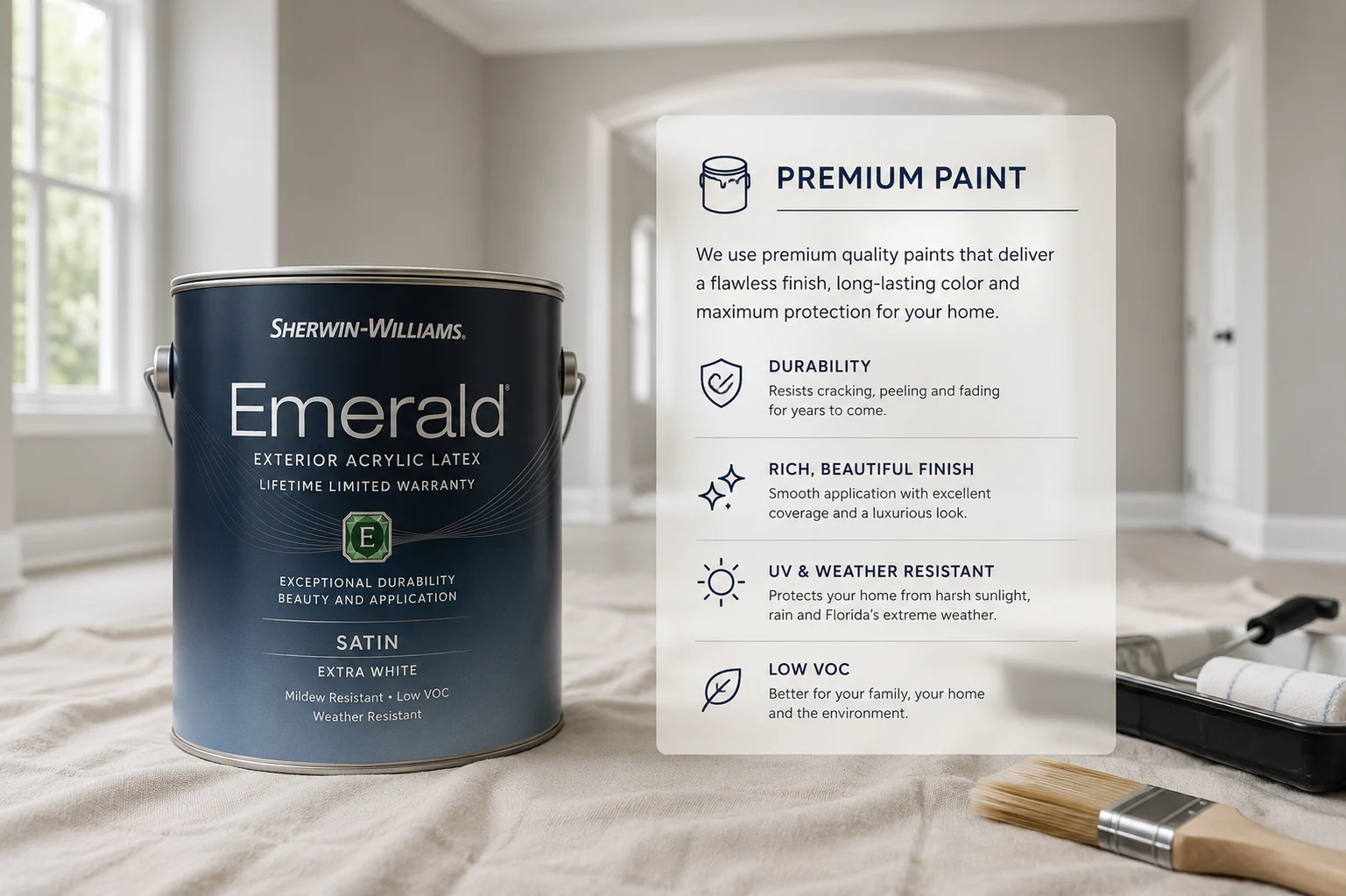 Low-VOC Premium SystemsLow-odor interior products chosen so a household can stay in place, without giving up durability or depth of color.
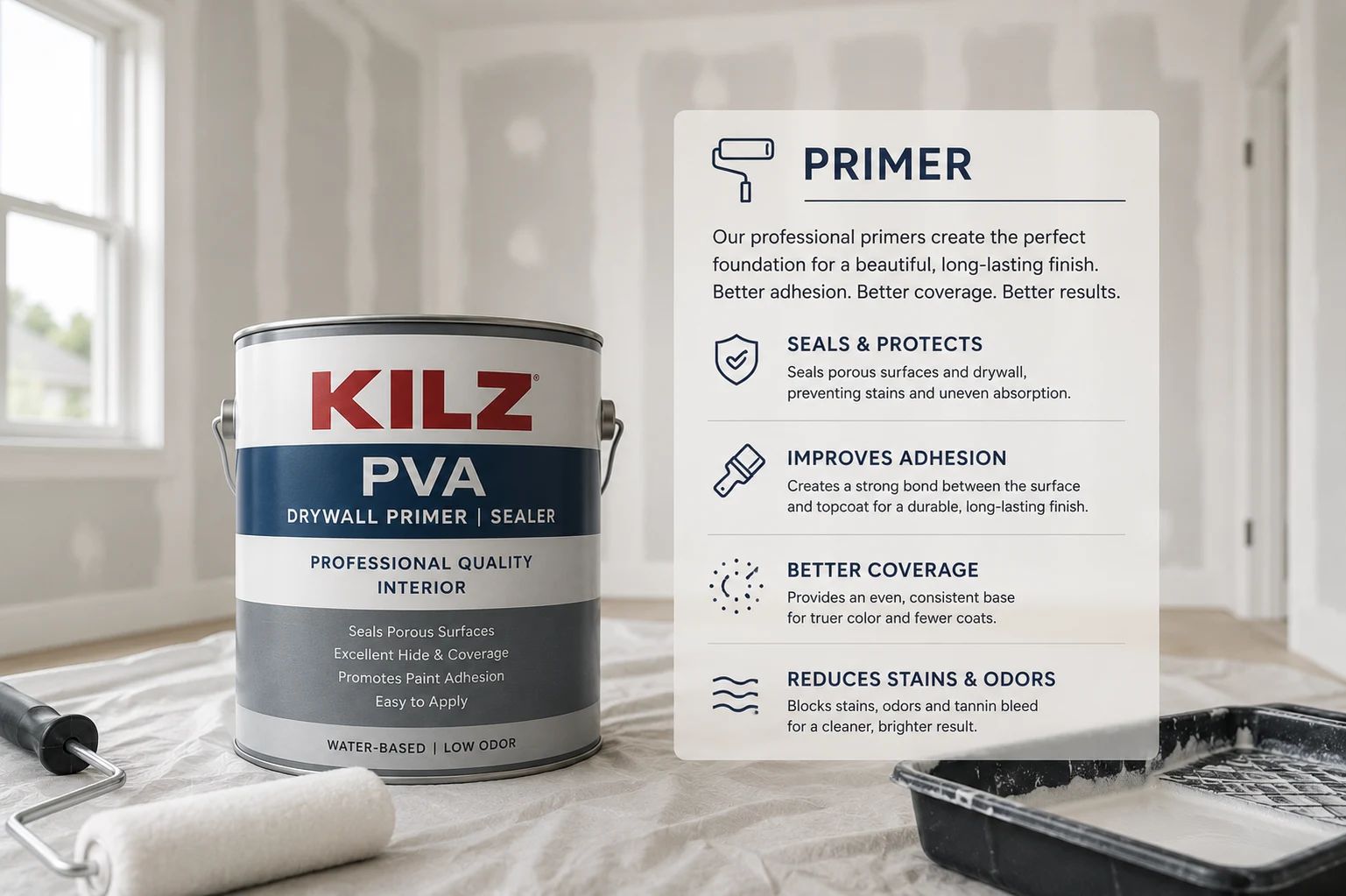 Sealers and Bonding PrimersMatched to smooth drywall, skim repairs, and factory-primed trim — the surfaces where adhesion and uniform absorption matter most.
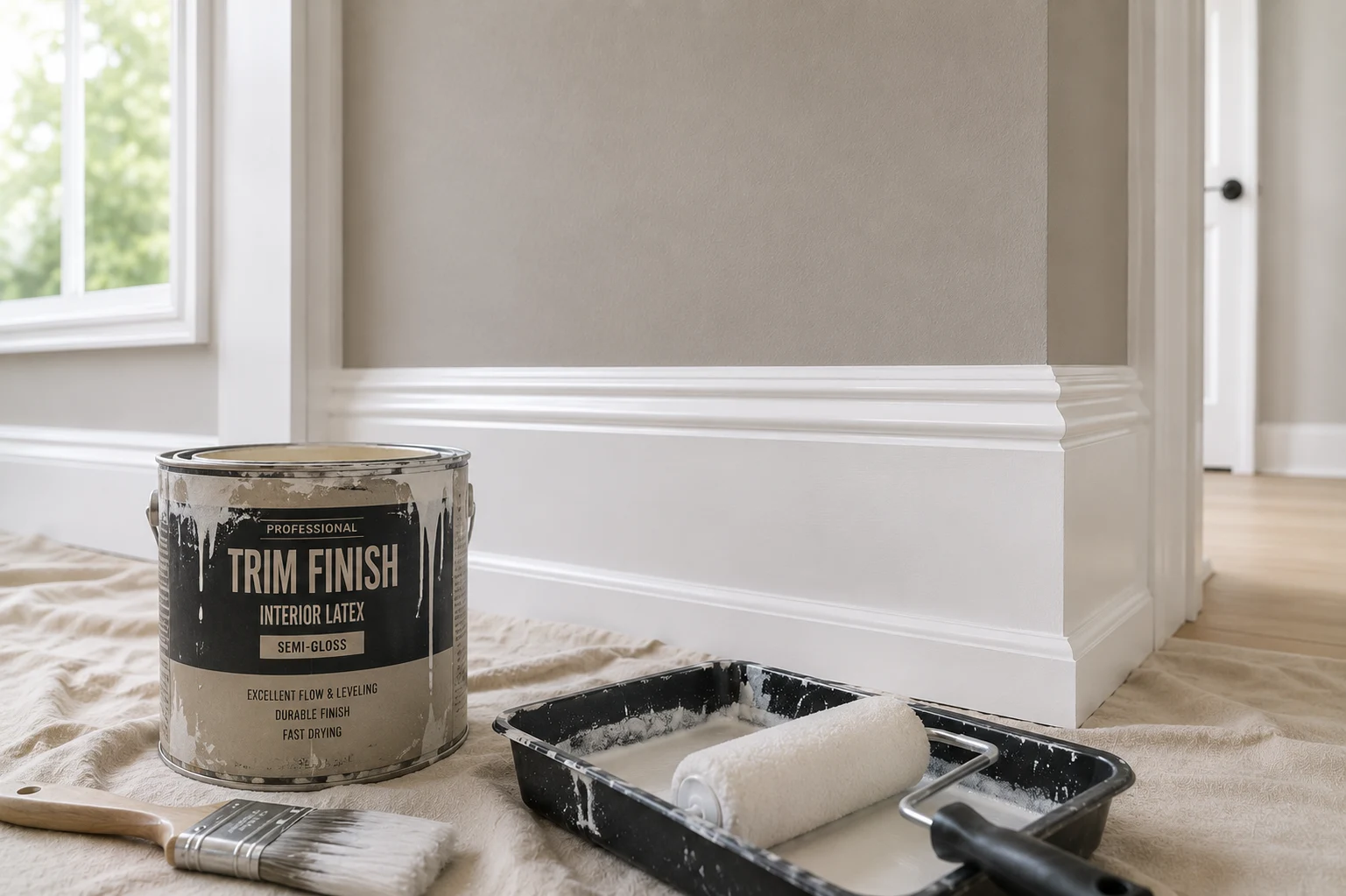 Trim, Door & Cabinet FinishesHard, fine finishes laid smooth on flat-panel doors and square-edge trim, where any texture would read as a defect.
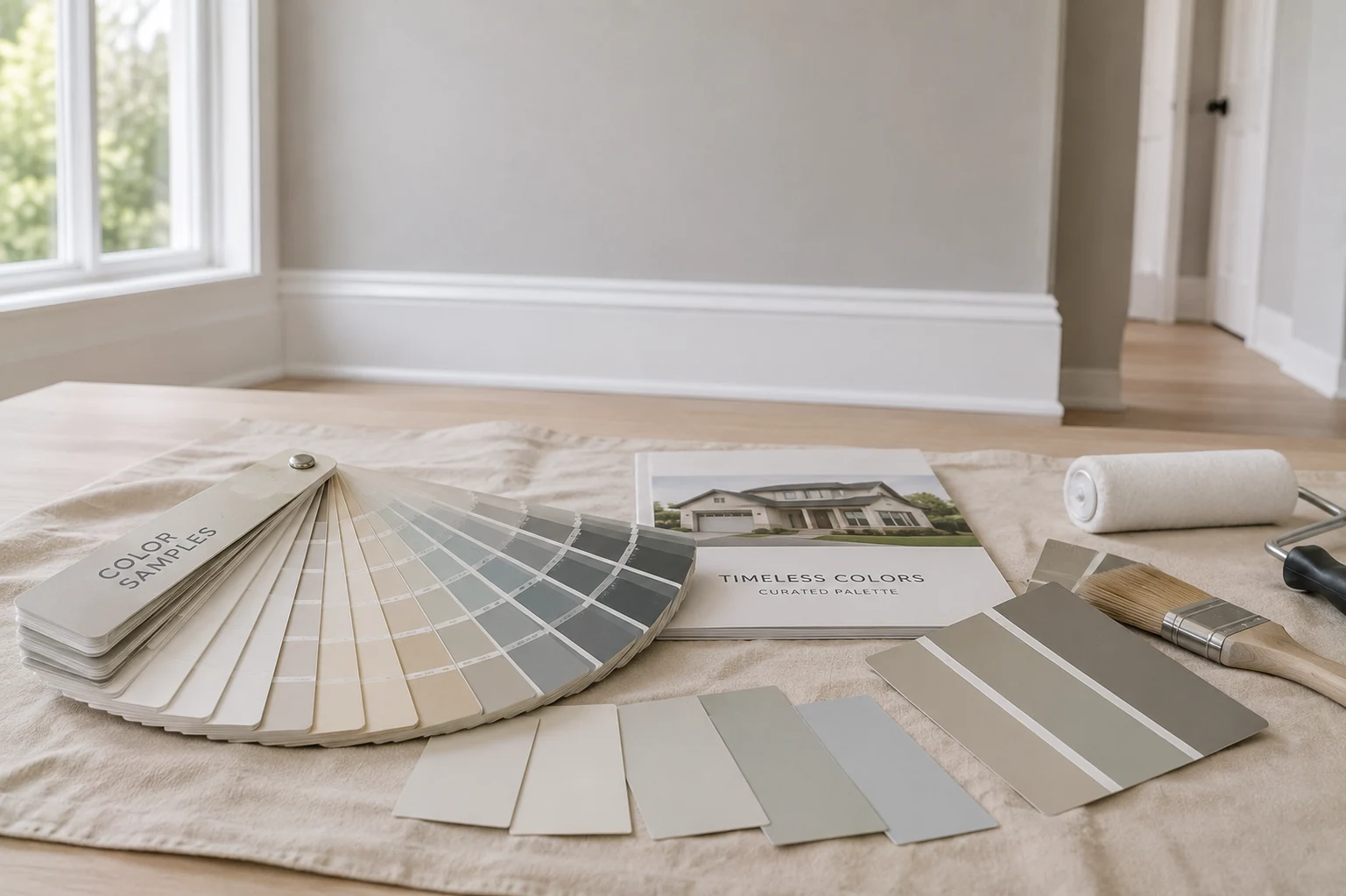 Color GuidanceA shortlist built from your cabinetry, counters, and flooring, then judged on your walls rather than under store lighting.
Get Inspired
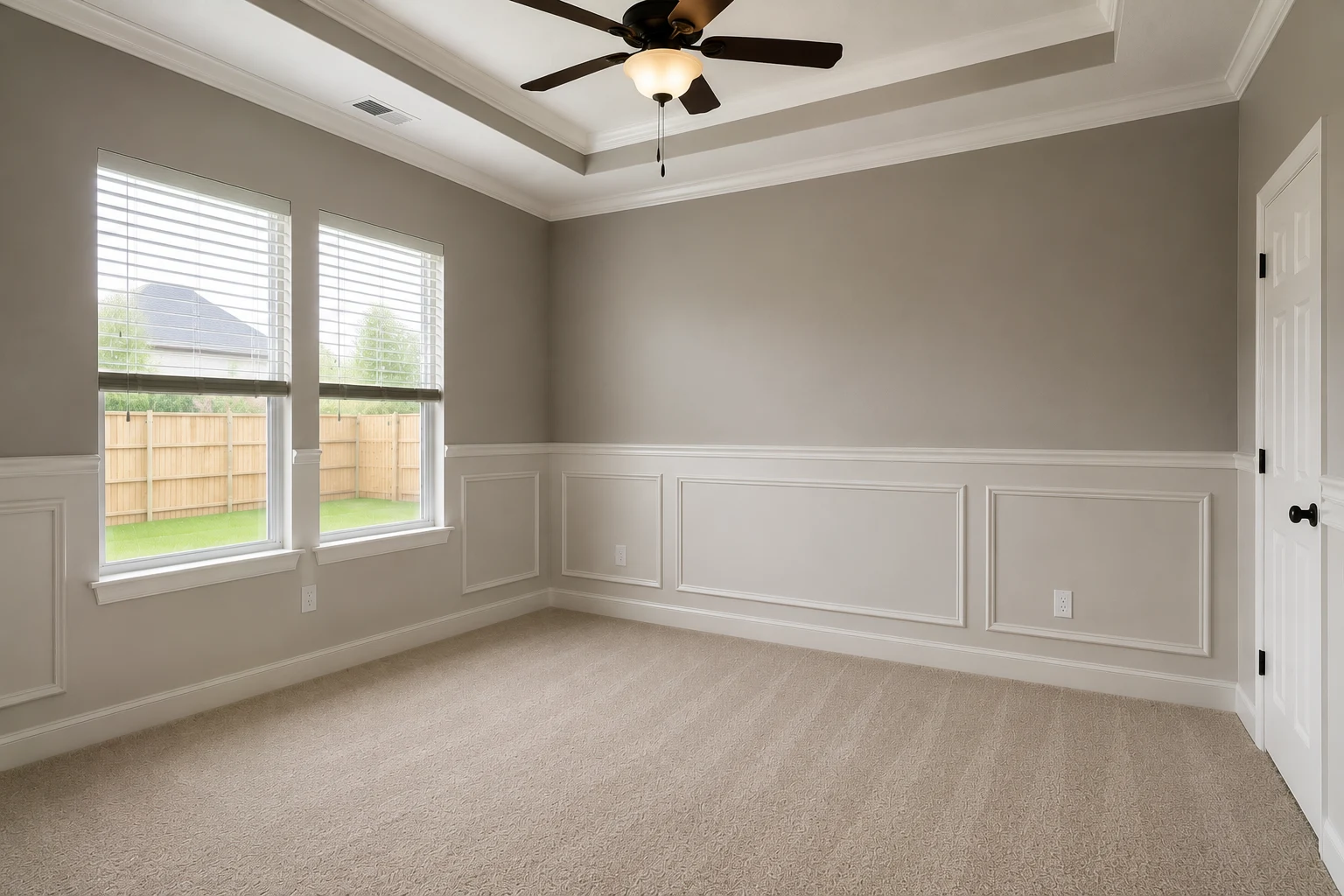
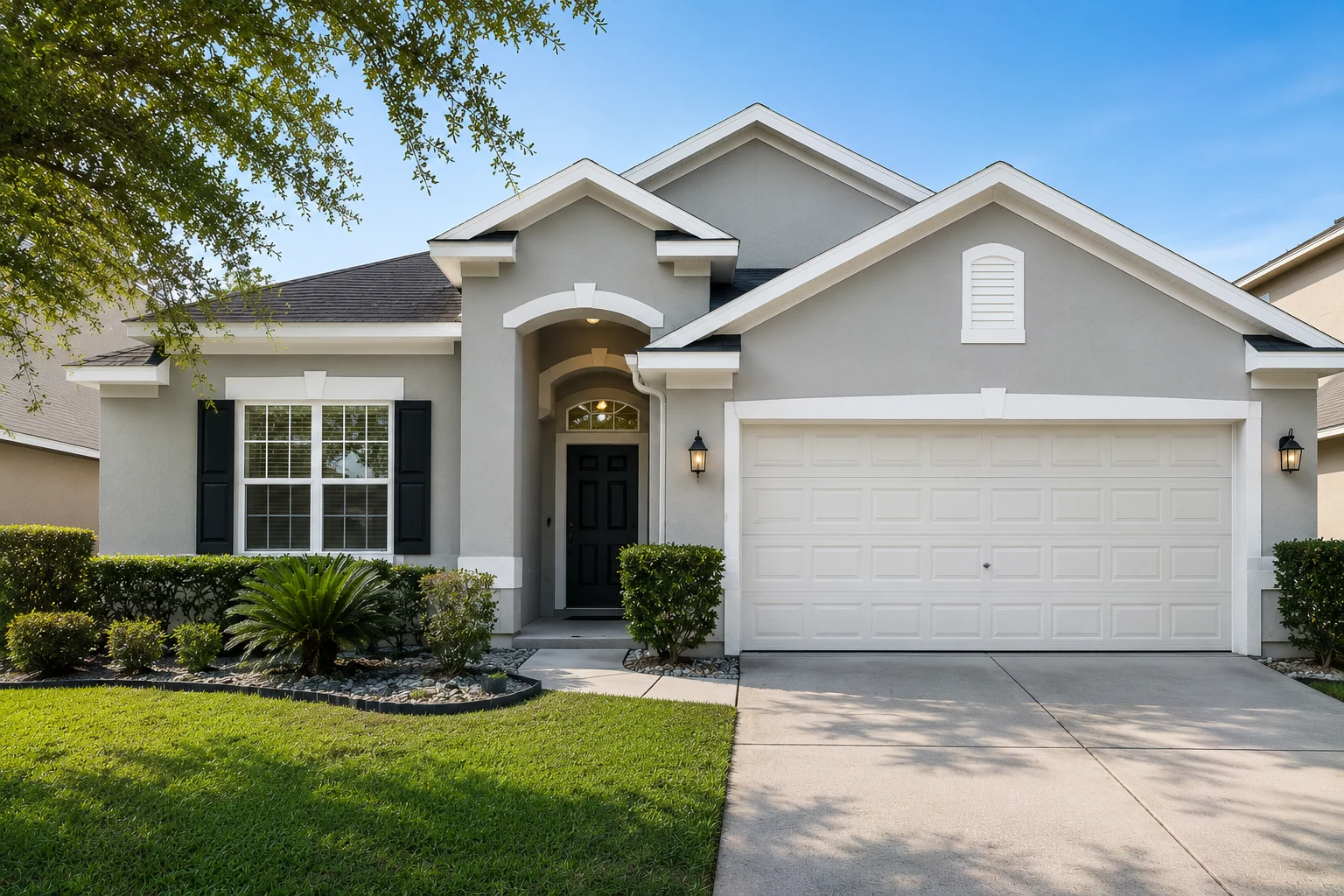
Three directions that suit contemporary homes — softening an interior, resetting an exterior, or carrying one palette through the whole plan.
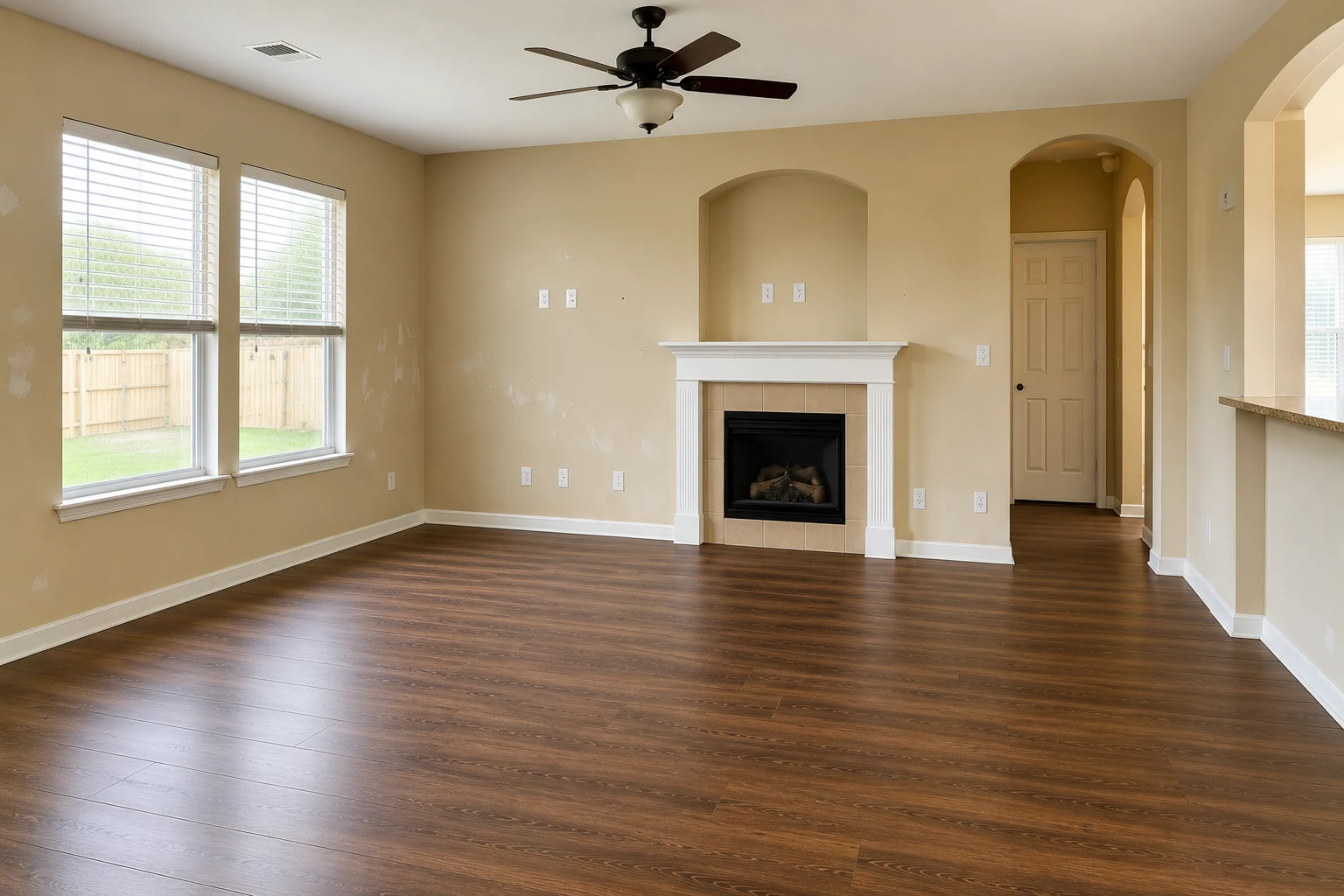
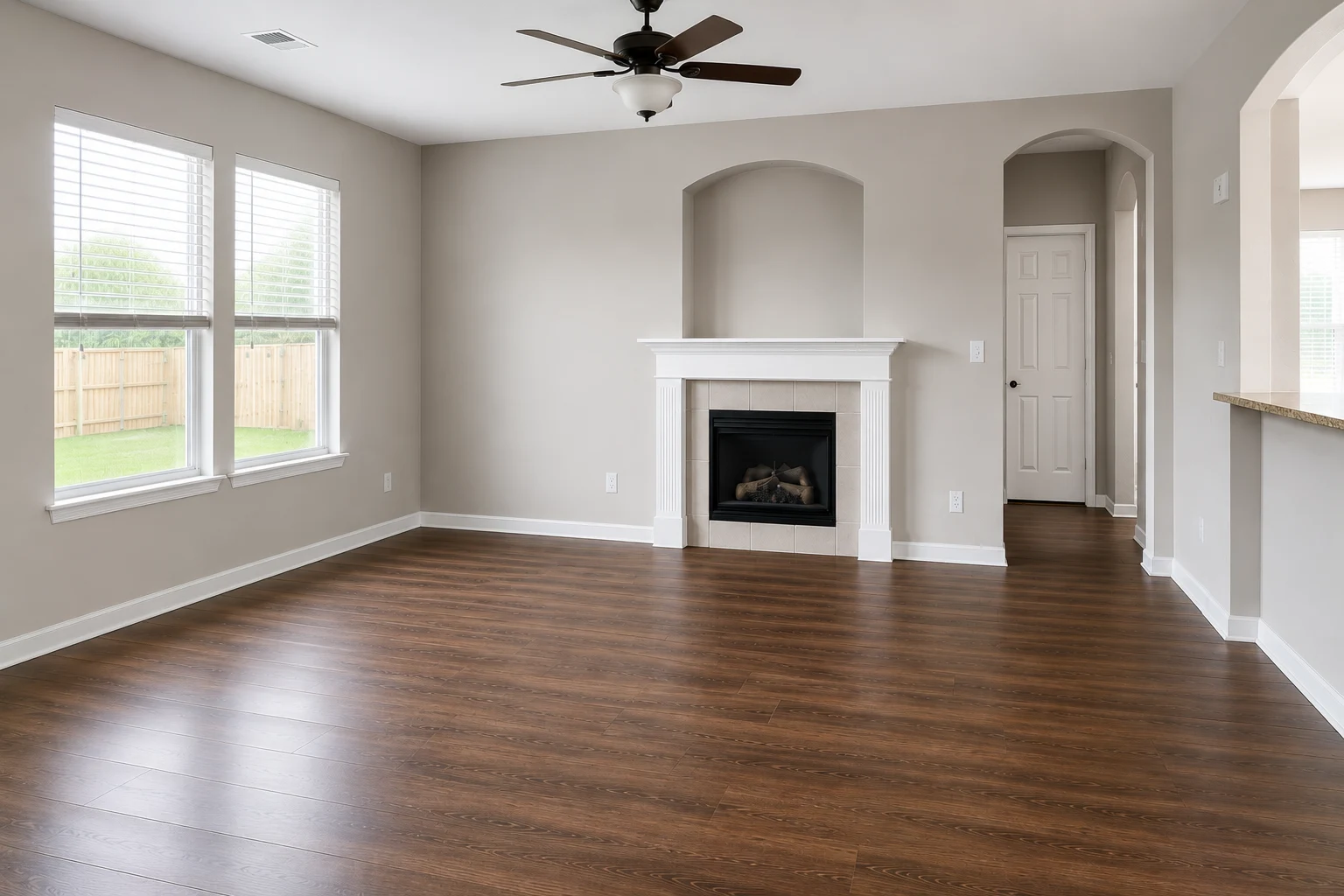
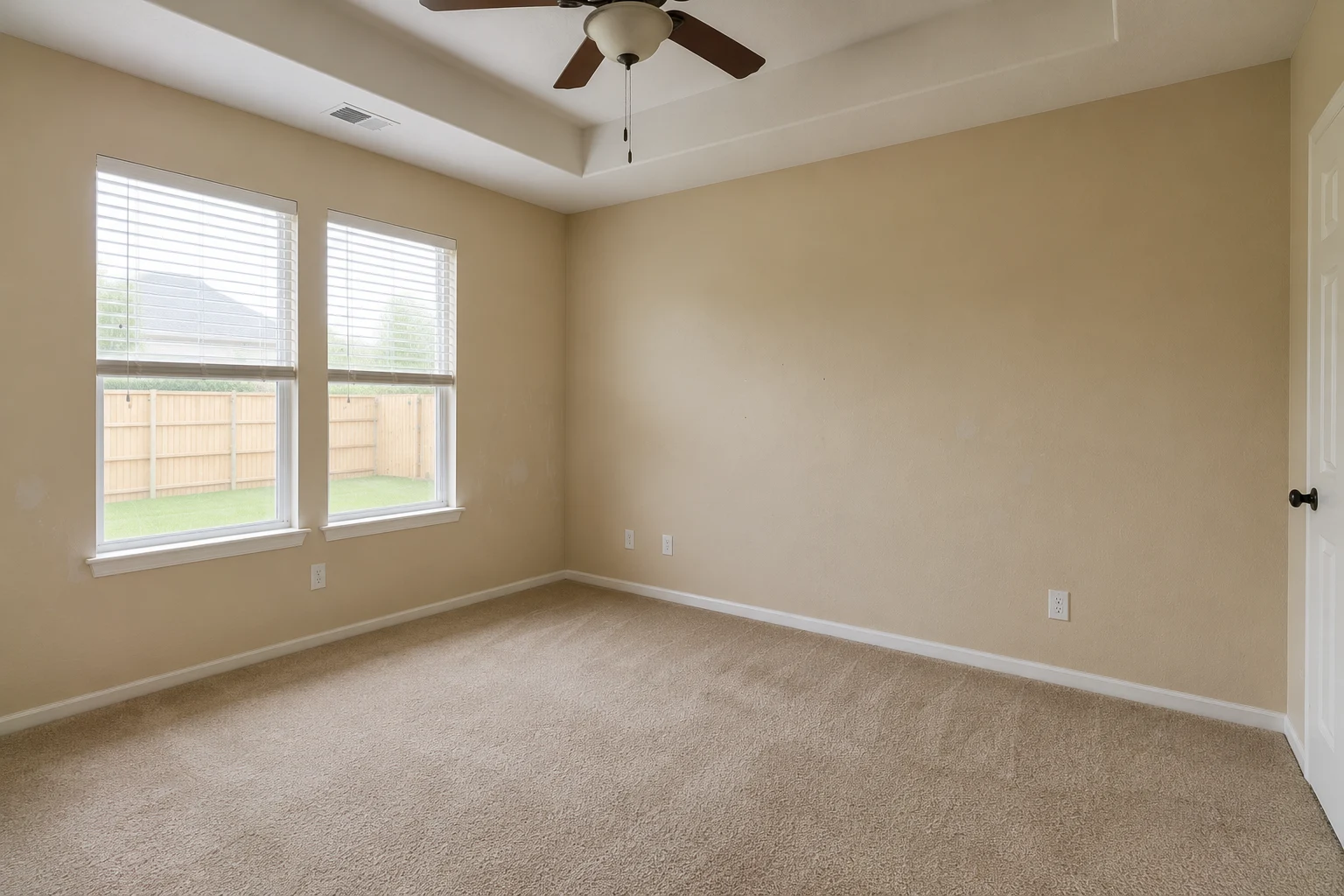
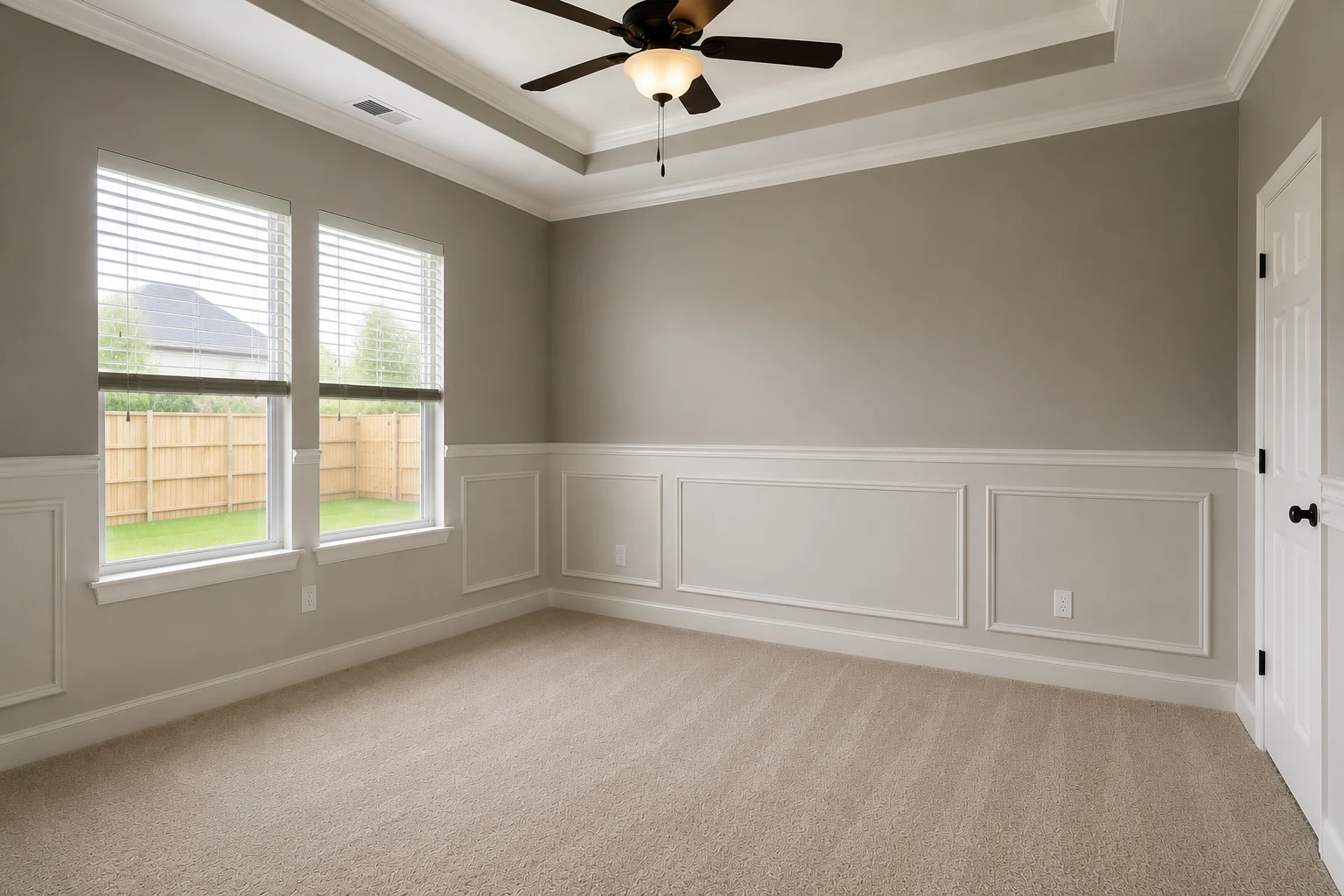
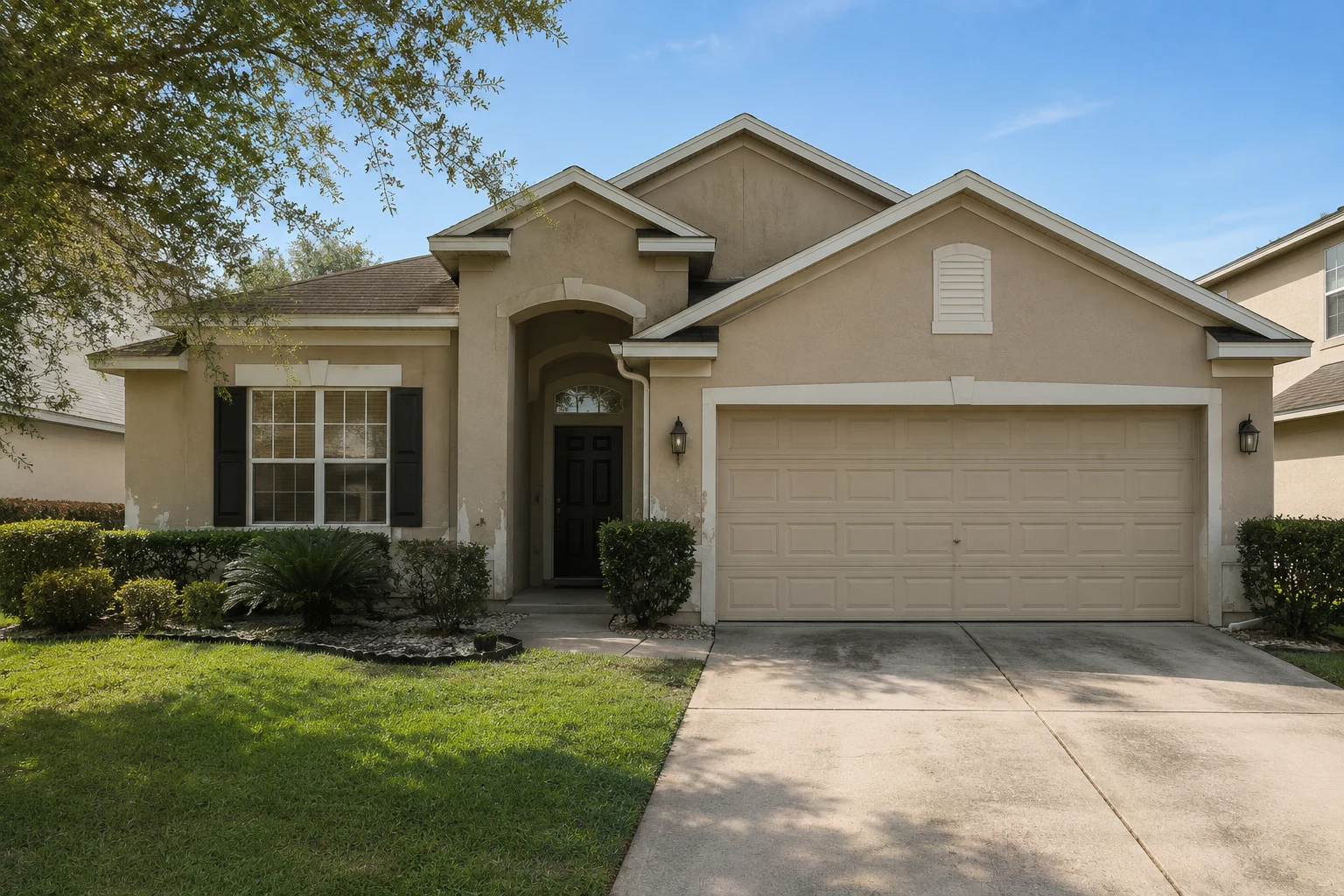
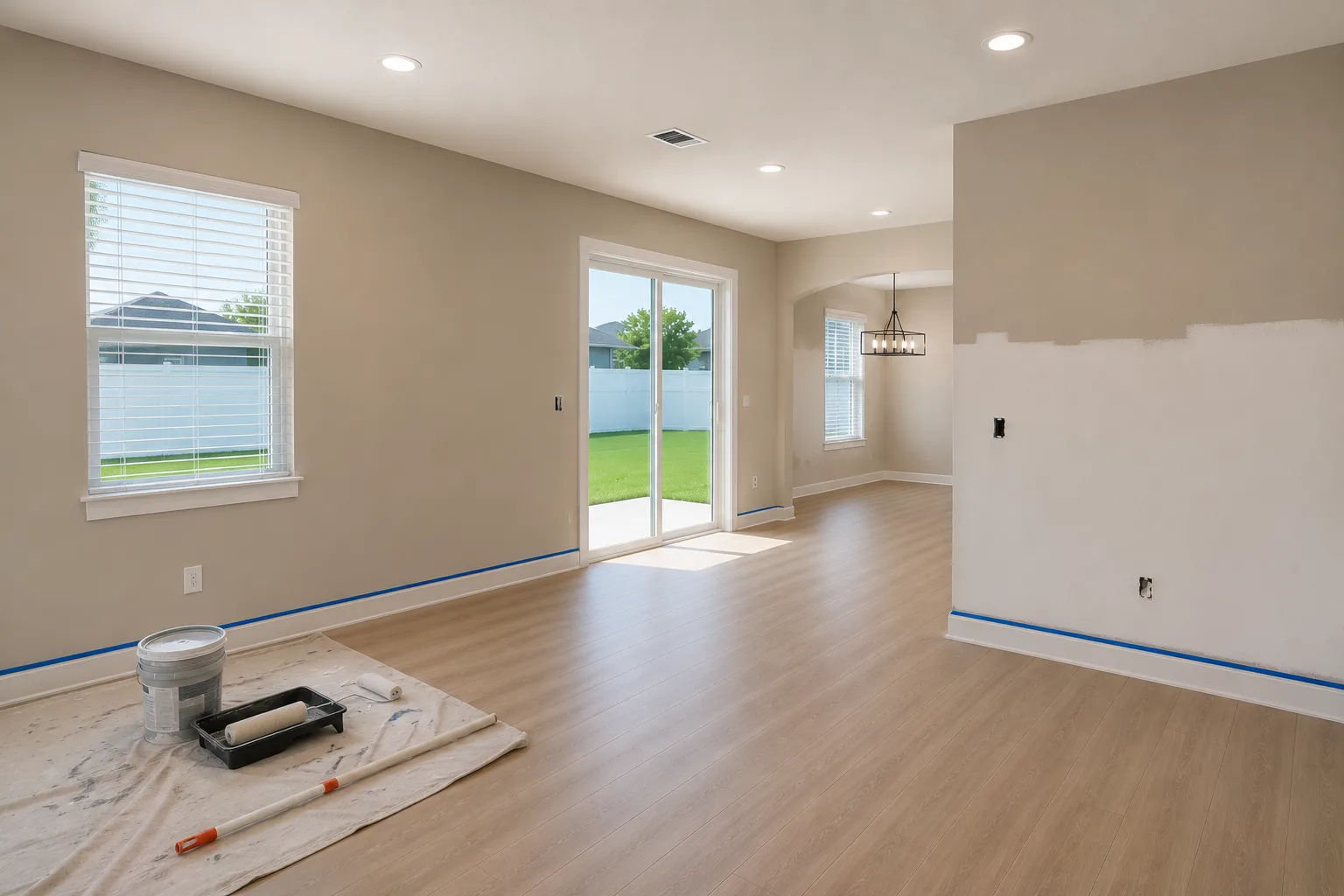
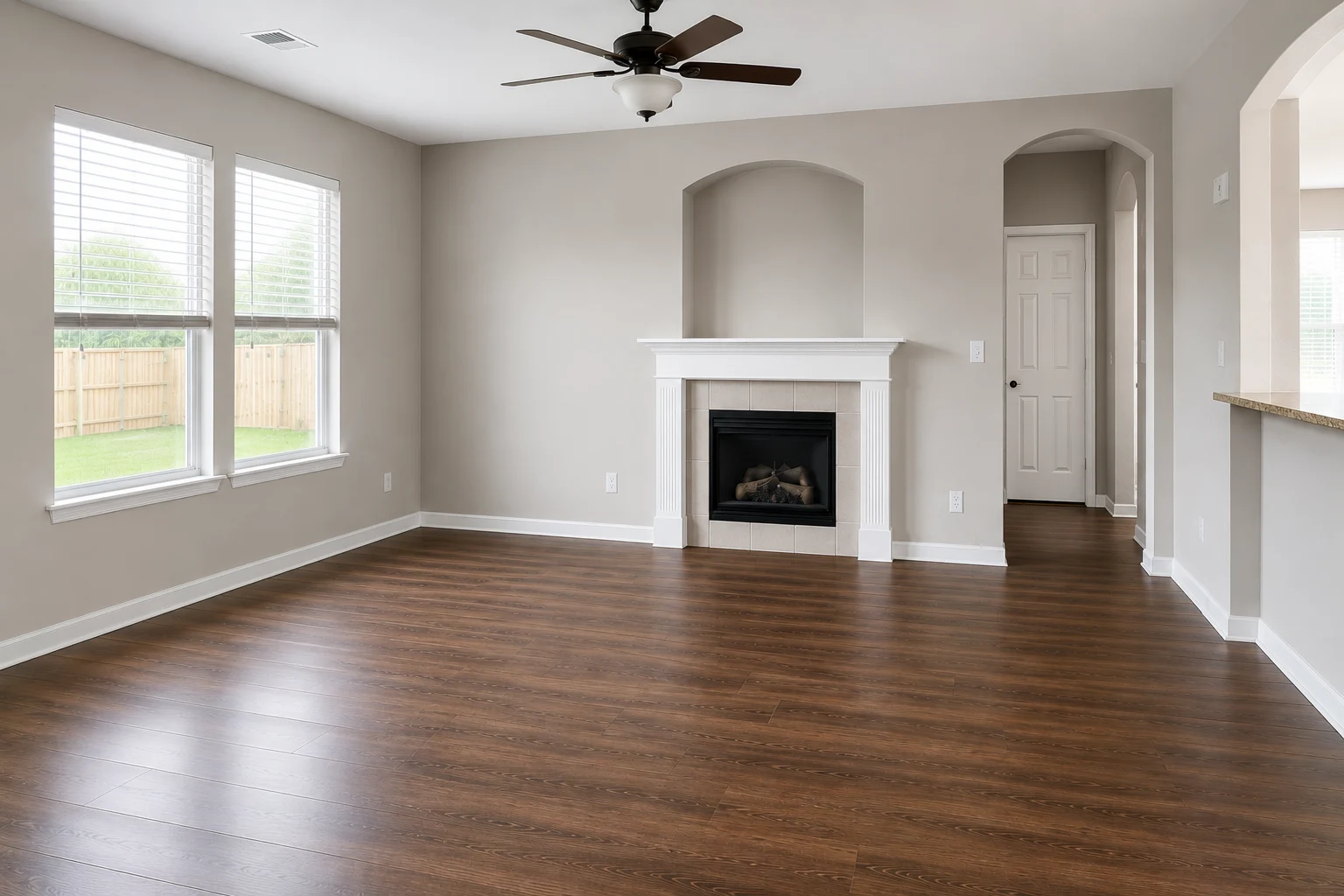 ConceptPaintingSoft Neutral Interior Concept
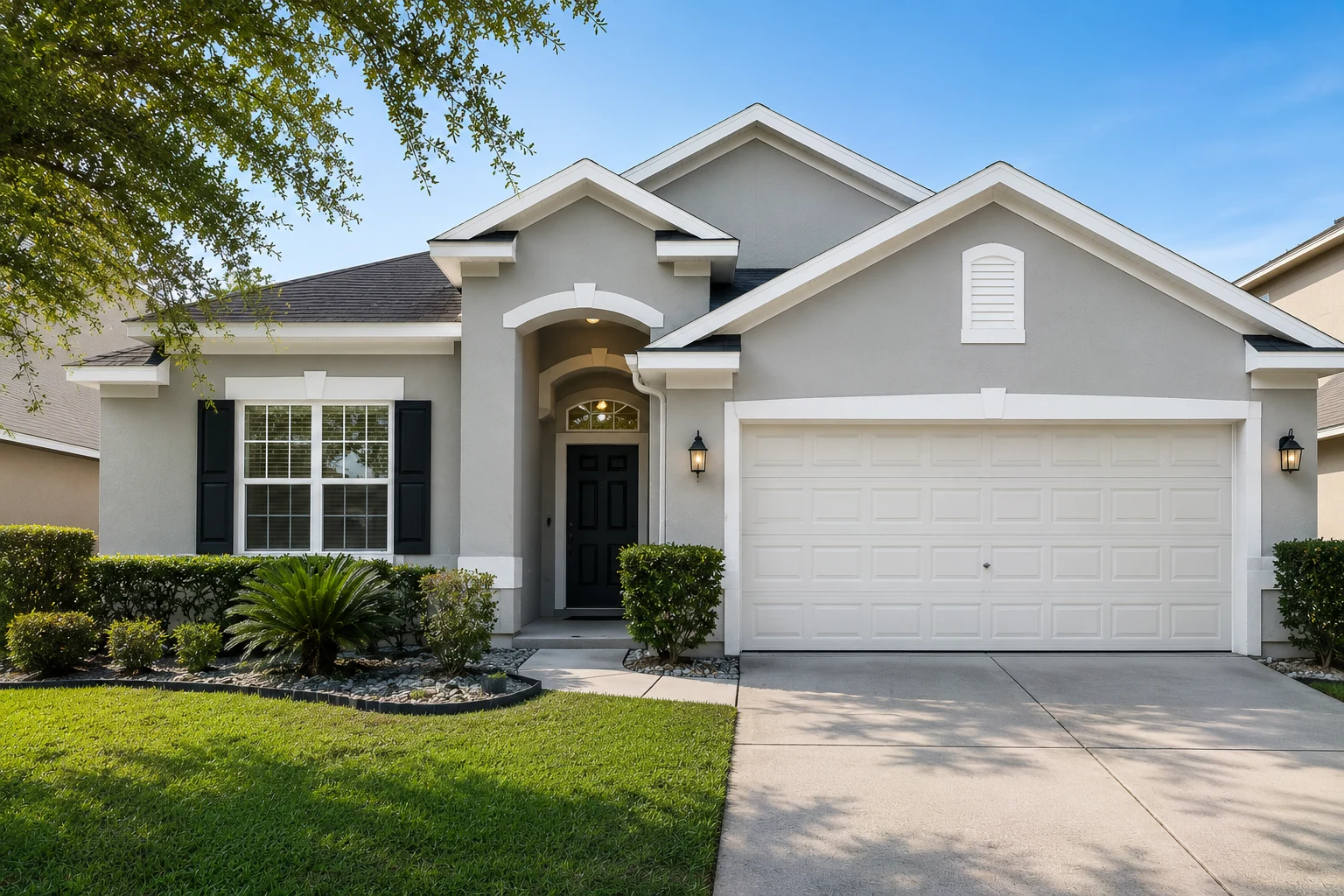
 ConceptPaintingRefreshed Stucco Exterior Concept
 ConceptPaintingCoordinated Whole-Home Palette Concept
These images are conceptual visualizations meant to illustrate the style and quality SAVAM House can deliver — not photographs of projects completed by our team.
Questions
Usually two things. The first is durability — most builder interiors go out in a flat paint that marks the moment you wipe it, so a washable finish changes daily life in hallways, stairs, and around switches. The second is that it lets you leave the standard palette behind. What arrived with the house was chosen to appeal to everyone; repainting is where it starts looking like your house rather than the model.
It changes it considerably. Texture hides small imperfections; smooth drywall displays them, and a matte sheen removes the last bit of forgiveness. That means more time on the surface — skimming, feathering, sanding, and checking the wall under angled light before any color goes on. It is slower work, and it is the entire reason a smooth wall can look either flawless or unsettled with the same paint on it.
Yes, and it is one of the most common reasons people call. That shine is burnishing — flat builder paint polishes wherever it is rubbed or spot-coated, and no amount of further touching up will blend it. The fix is recoating the wall corner to corner in a quality finish, which replaces a map of patches with a single continuous surface and gives you something that can actually be cleaned afterward.
Yes to both. Low-VOC, low-odor products are what we specify for interiors here, and most of our interior projects happen in occupied homes. We work in zones so there are always rooms untouched by the project, keep the active area ventilated, and reset the house each evening. If you have a home office, an infant, or anyone sensitive to odor, tell us at the start and the sequence gets built around it.
The usual advice is to let the architecture choose it rather than picking a wall at random — a plane that already terminates the sightline, sits behind a bed, or frames the fireplace will carry a deeper color naturally. Two practical notes: a bold color on smooth drywall needs an even more careful surface, because deep tones show every flaw, and the edges where it meets the adjoining walls have to be genuinely crisp or the whole effect falls apart.
By comparing undertone rather than brightness. Set candidates directly against your cabinetry, quartz, and tile — a warm white next to cool cabinets looks yellowed, a cool white beside warm flooring goes grey and cold. We narrow to a handful that sit comfortably with your fixed finishes and put them on the actual wall, because whites are the colors that change most between a sample and a full room.
They can, and flat-panel doors are genuinely well suited to it — there is no profile to trap texture. The finish has to be laid down smoothly and evenly, though, because brush marks that would go unnoticed on paneled joinery stand out immediately on a plain door. Preparation is the same discipline as always: degrease thoroughly, scuff for adhesion, use a bonding primer suited to the factory coating.
Better than they used to, provided you buy the right product. Modern premium matte finishes are formulated to be wiped without burnishing, which is exactly what cheap flat paint cannot do. Humidity affects them mostly during application — coats need longer to release moisture than the label suggests, and rushing that is what leaves a soft or streaky finish. We give them the time conditions actually require.
Most likely, since master-planned communities generally review exterior schemes before work can start. The requirements differ from one neighborhood to the next, and contemporary palettes sometimes need a little more discussion than a conventional one. Ask early — the review runs on the association’s calendar, not yours — and we will prepare whatever the submission requires.
Sooner than most owners expect, because a builder exterior is specified to look right at handover rather than to last a decade in this climate. Exposure decides the rest: west-facing walls fade and chalk first, sheltered elevations hold much longer. A hand run along a sunny wall tells you most of what you need to know — if it comes away powdery, the coating is breaking down rather than just looking dull.
In a neighborhood of comparable homes it matters more than it would elsewhere, because condition is one of the few variables a buyer can actually weigh. Clean, current interiors photograph well and show well. The half nobody sees is protective — sealed exteriors and sound caulk lines keep weather out of the structure and off an inspection report.
Send the outline through the form on this page — which rooms or exterior areas you are considering and what is prompting it. We will follow up to talk it through, and where it makes sense, come out and look at the walls before putting numbers to anything.
Tell us which rooms or elevations you are thinking about and we will come and read the surfaces properly, then put a clear scope and schedule in front of you.