 Current Service
Kitchen Remodeling
Transform the heart of your home with a kitchen that blends functionality, craftsmanship, and modern design.
Kitchen Remodeling for Dr. Phillips Homes
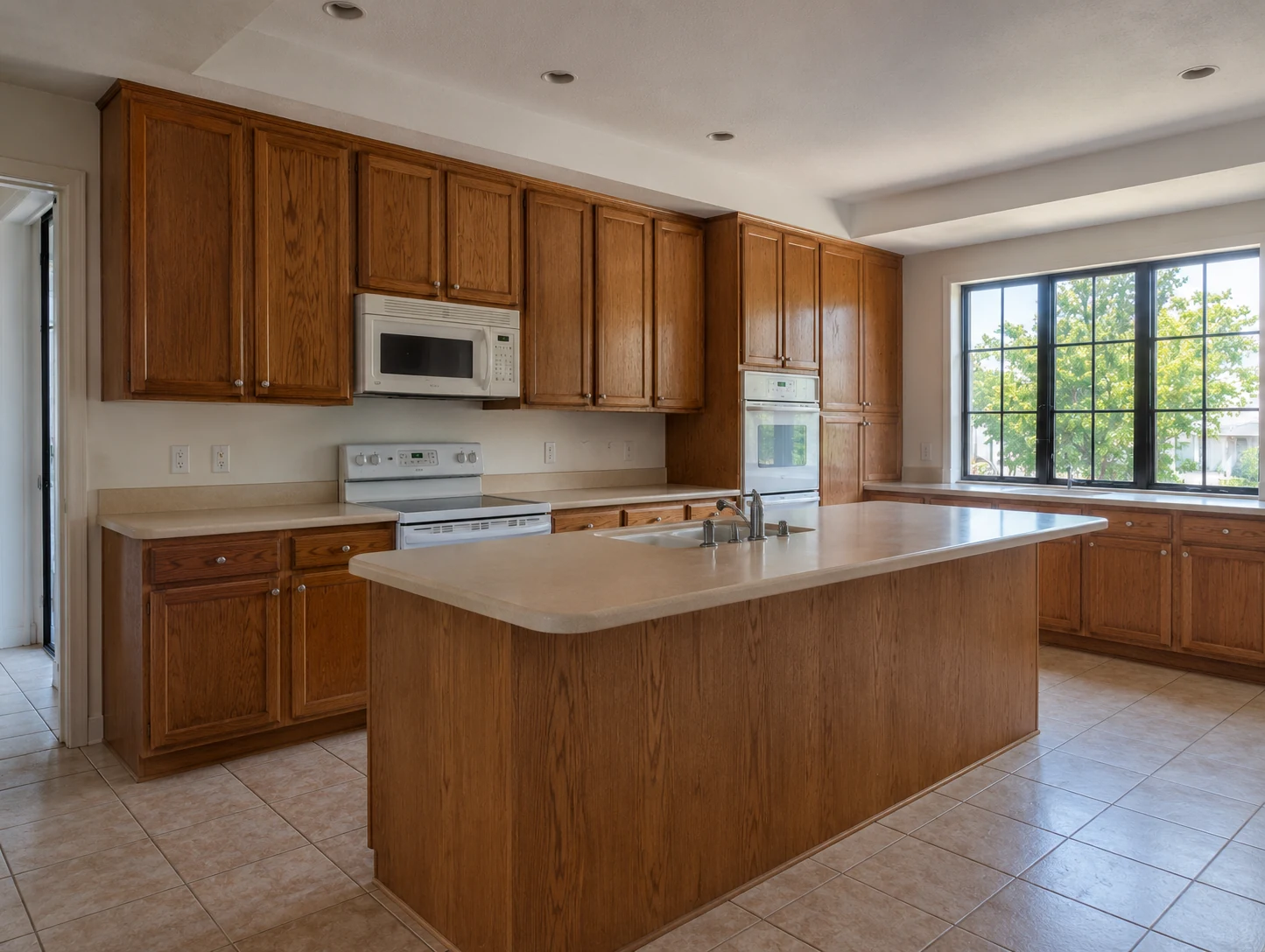
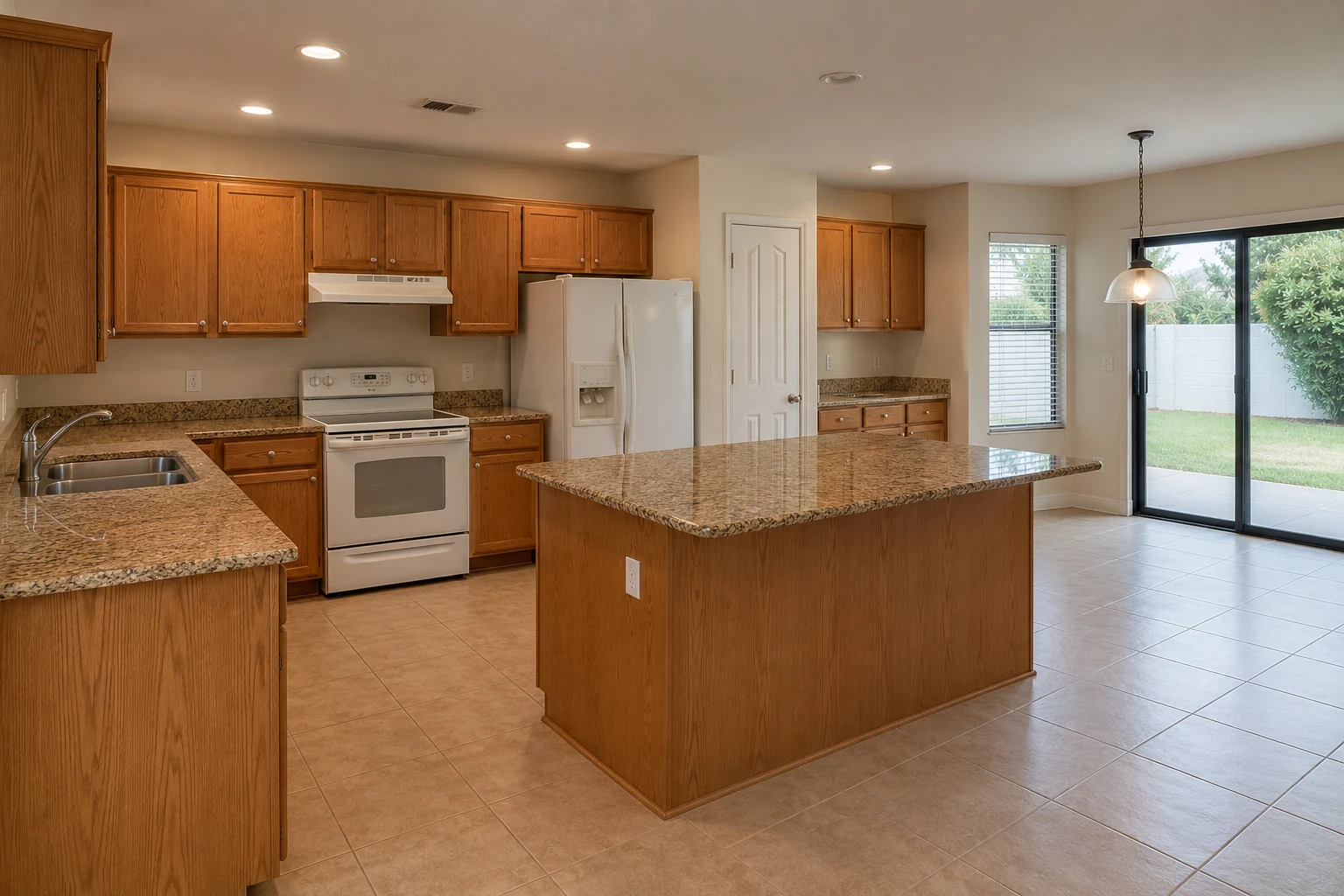
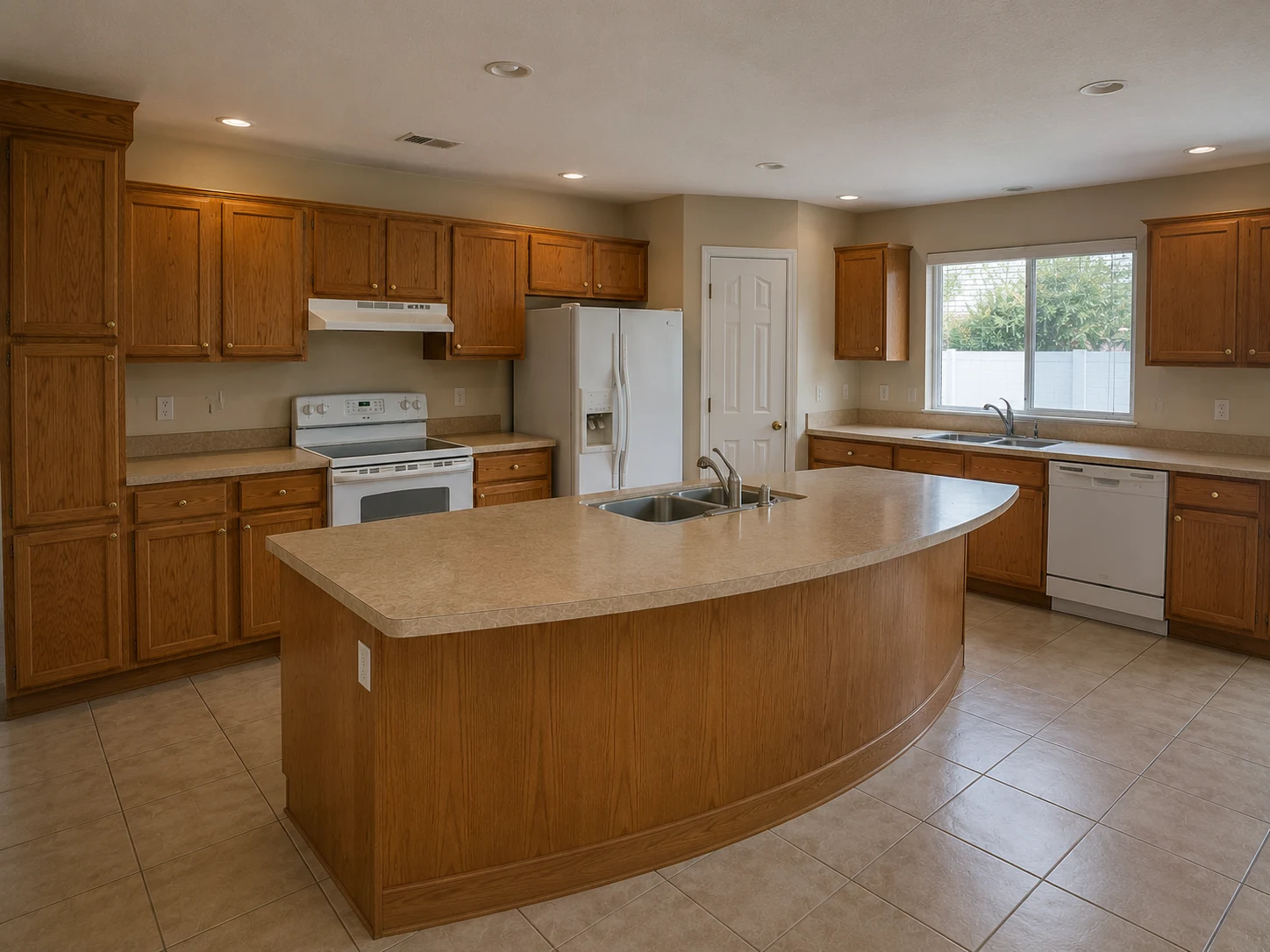
Dark cabinetry, granite with a heavy edge, tumbled stone behind the range, a raised ledge on the island and a desk nook nobody sits at. Nothing has failed. It is simply that the whole vocabulary belongs to about 2005 — and knowing which parts to keep is what makes the second remodel affordable.
Get Your Free EstimateFree In-Home Consultation
Organized Process
Every project follows a clear, structured process from first contact to final walkthrough.
Quality Craftsmanship
We pay attention to the details that make a remodel feel finished and durable.
Clear Communication
You'll always know what's happening with your project and what comes next.
Commitment to Your Home
We treat every property with the same care and respect as if it were our own.
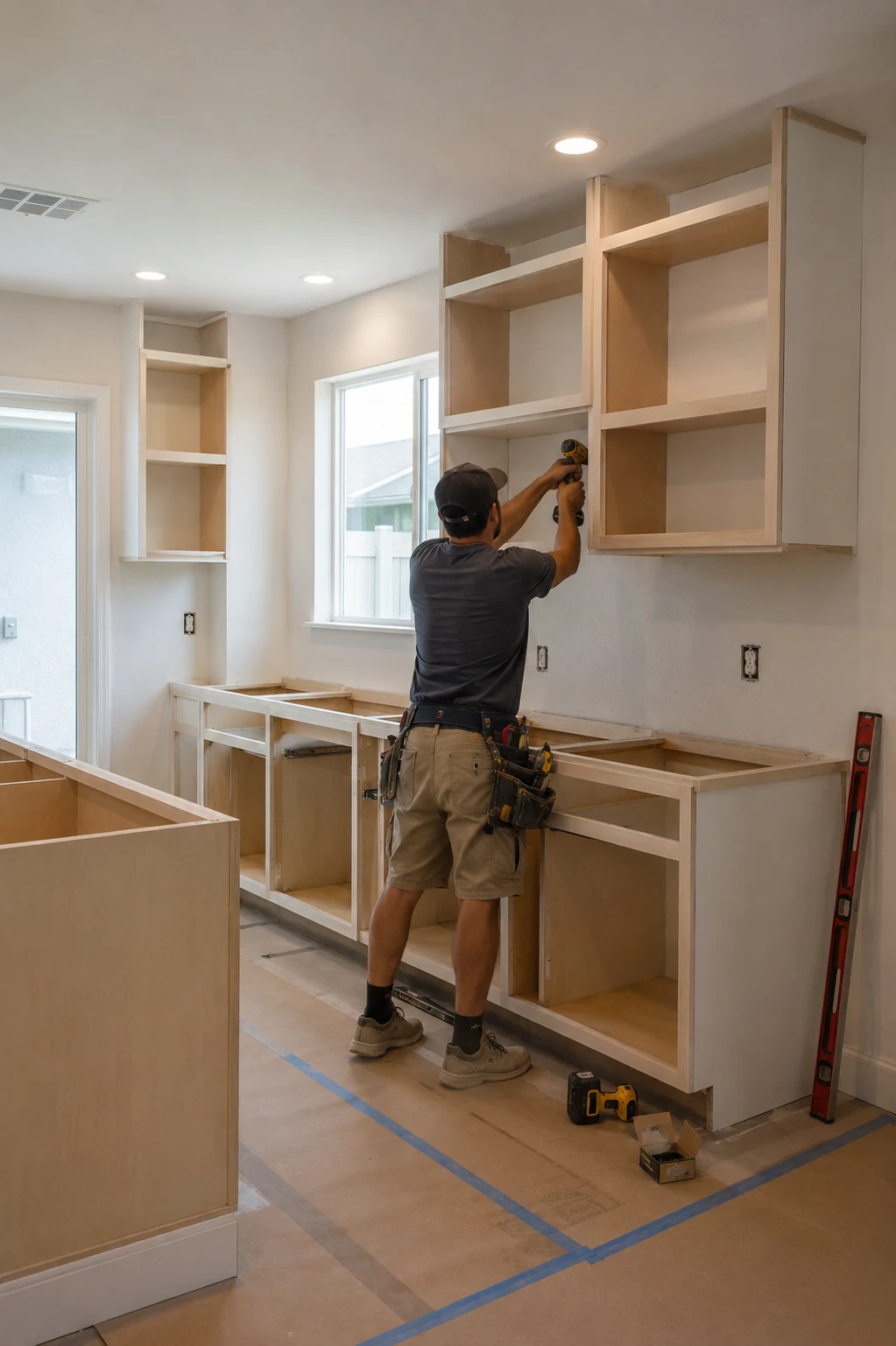 Assessing the Previous Remodel
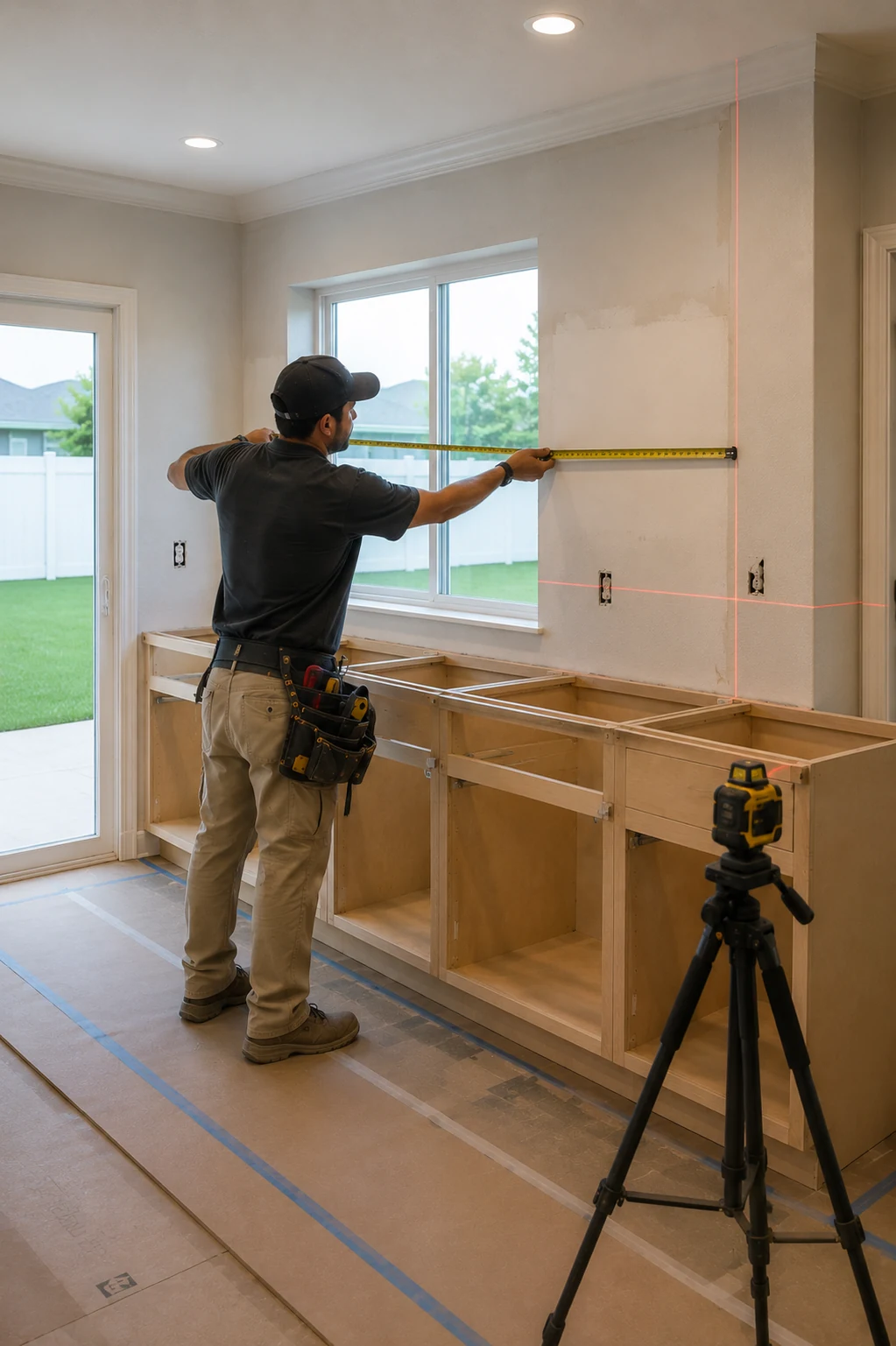 Taking Out What Dates It
 Refitting Cabinetry
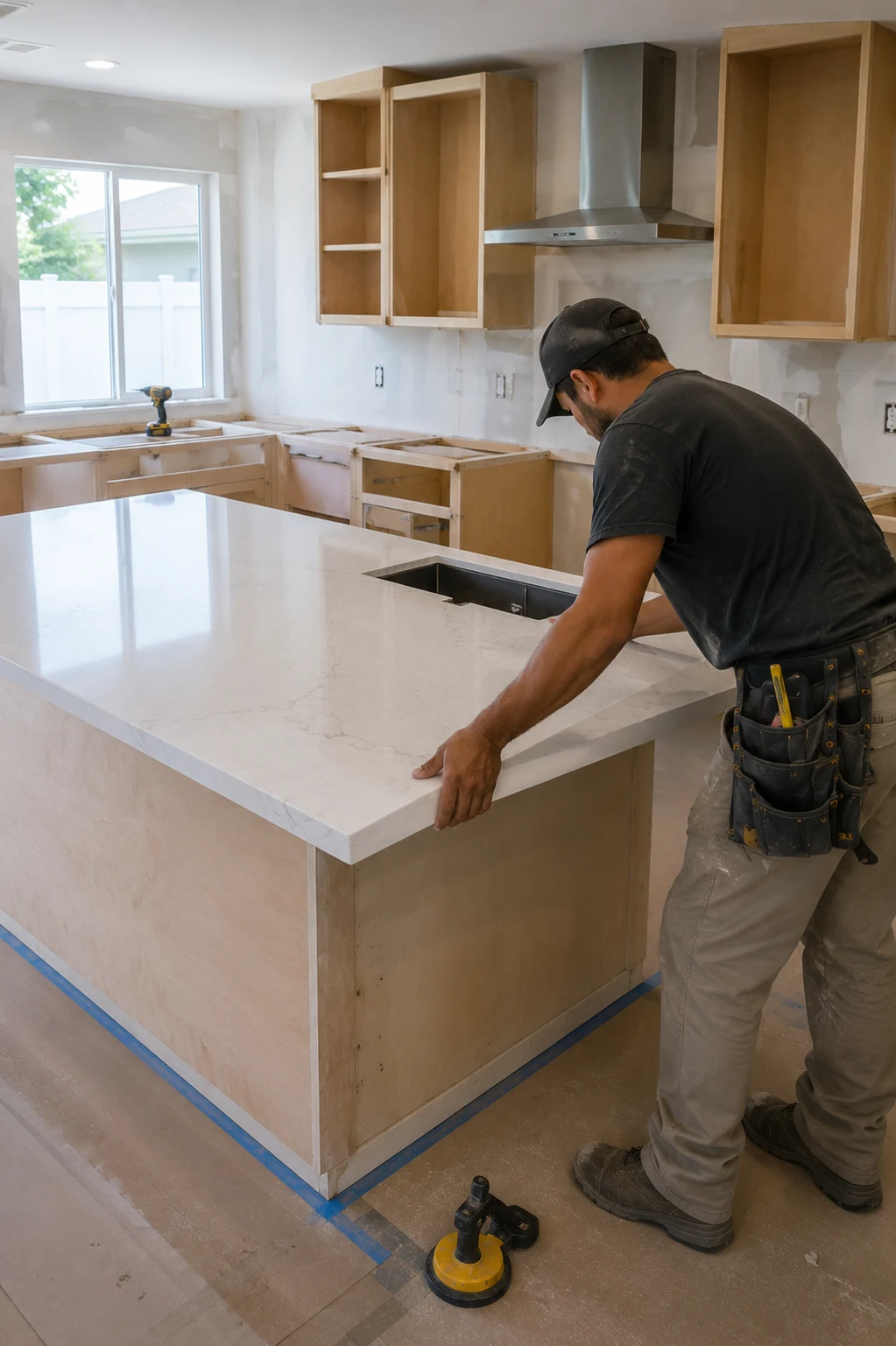
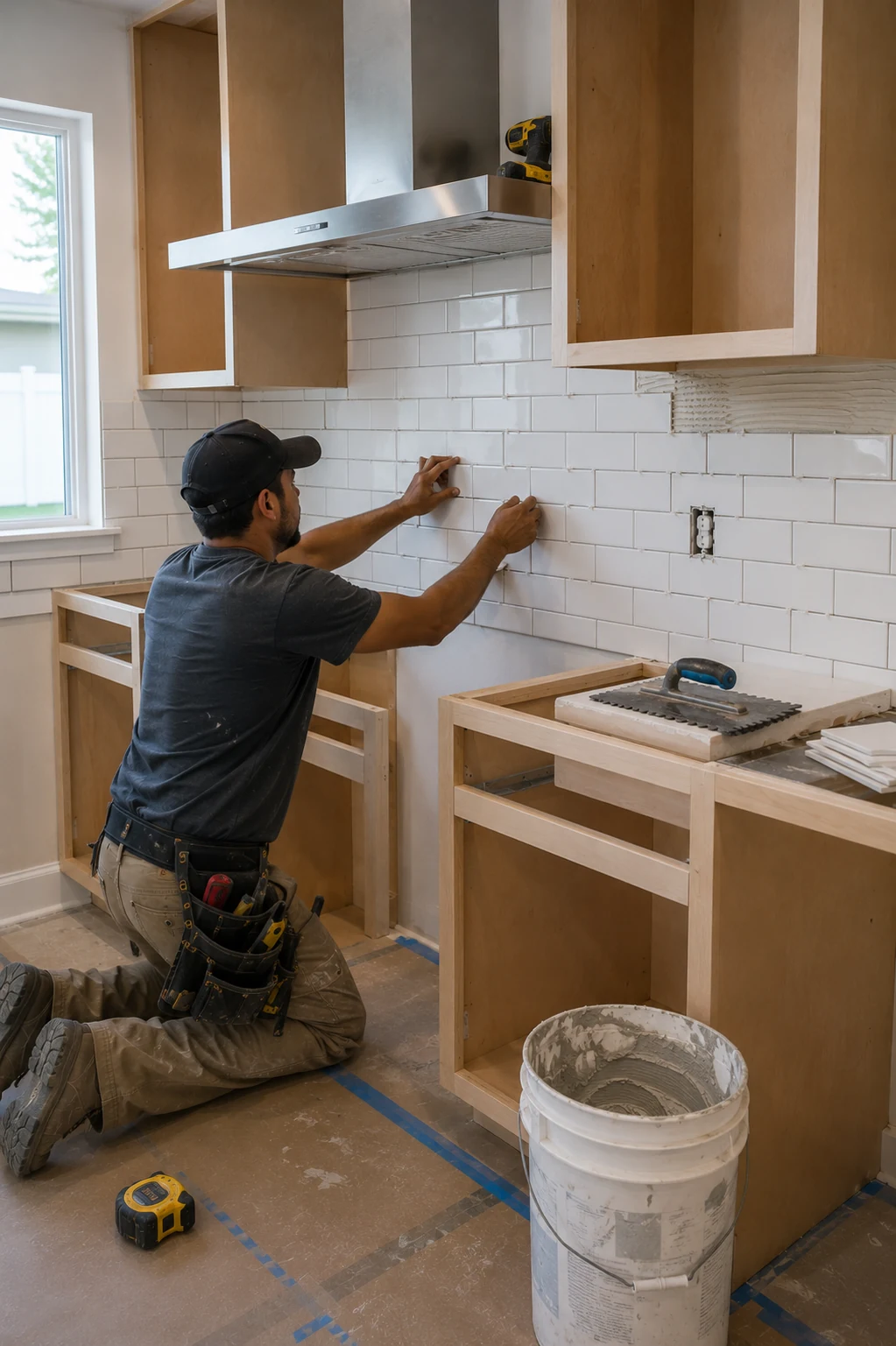 New Surfaces
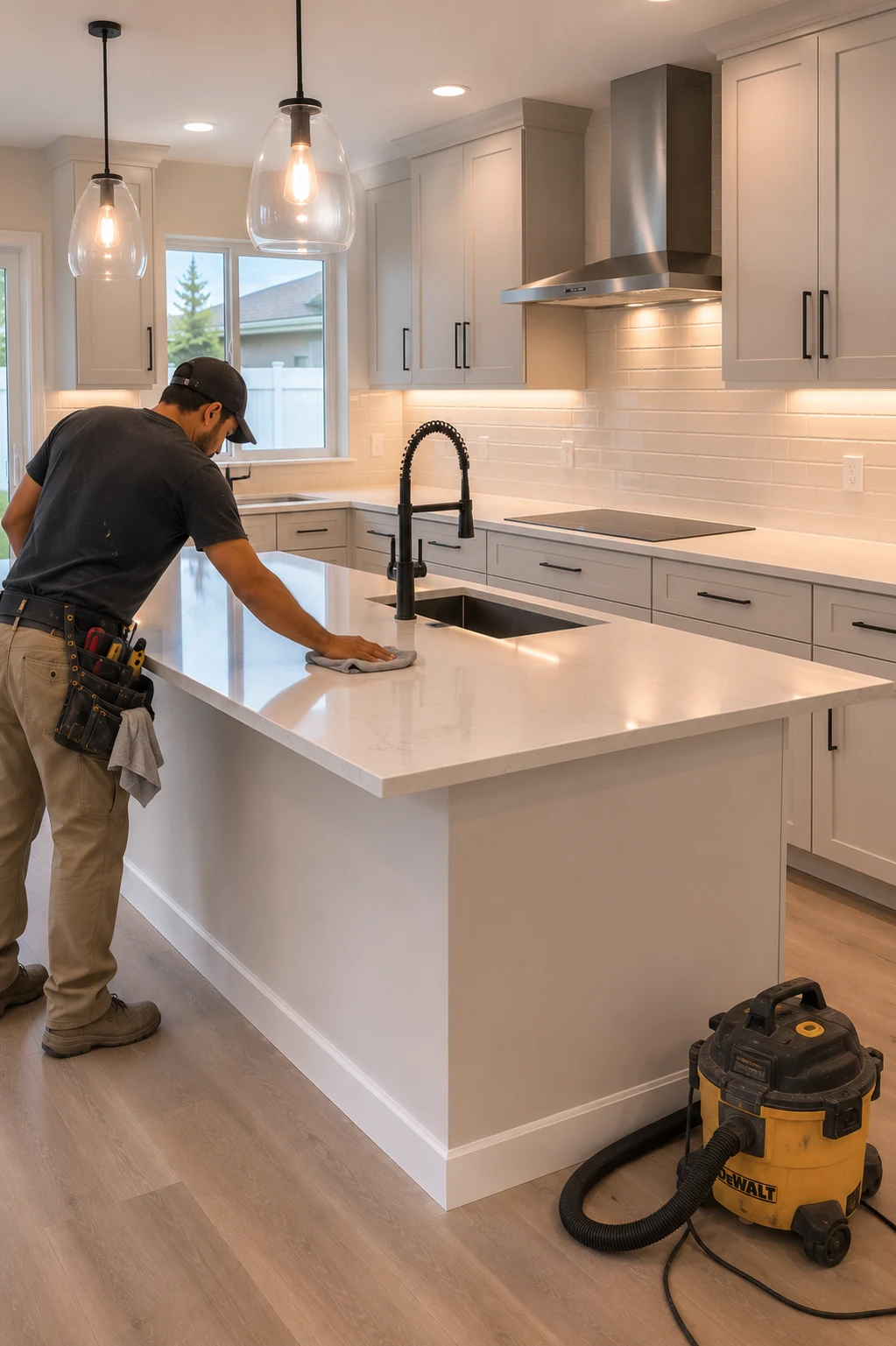 Finishing Touches
Working With Us
We're not focused on being the biggest — we're focused on being organized, communicative, and easy to work with.
Your project starts with a clear plan, not guesswork.
You'll hear from a real person about the status of your project.
We treat the small details as seriously as the big decisions.
How It Works
We start by understanding your goals, your home, and the scope of your project.
We translate your vision into a clear, organized plan before any work begins.
You choose finishes and materials with guidance from our team.
Our team executes the project with attention to detail and clear communication.
We review the finished work together to make sure everything meets your expectations.
The Second Remodel
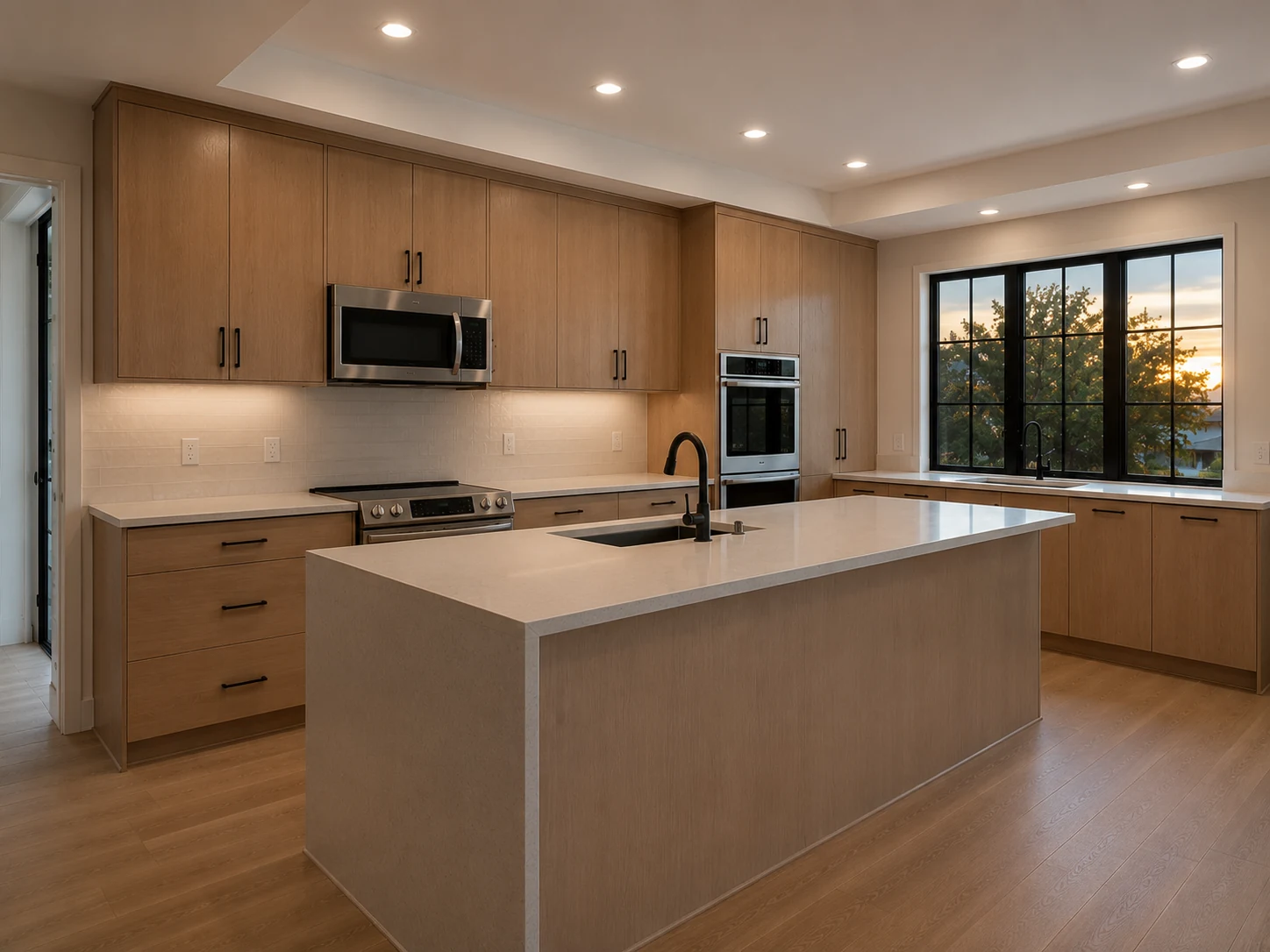
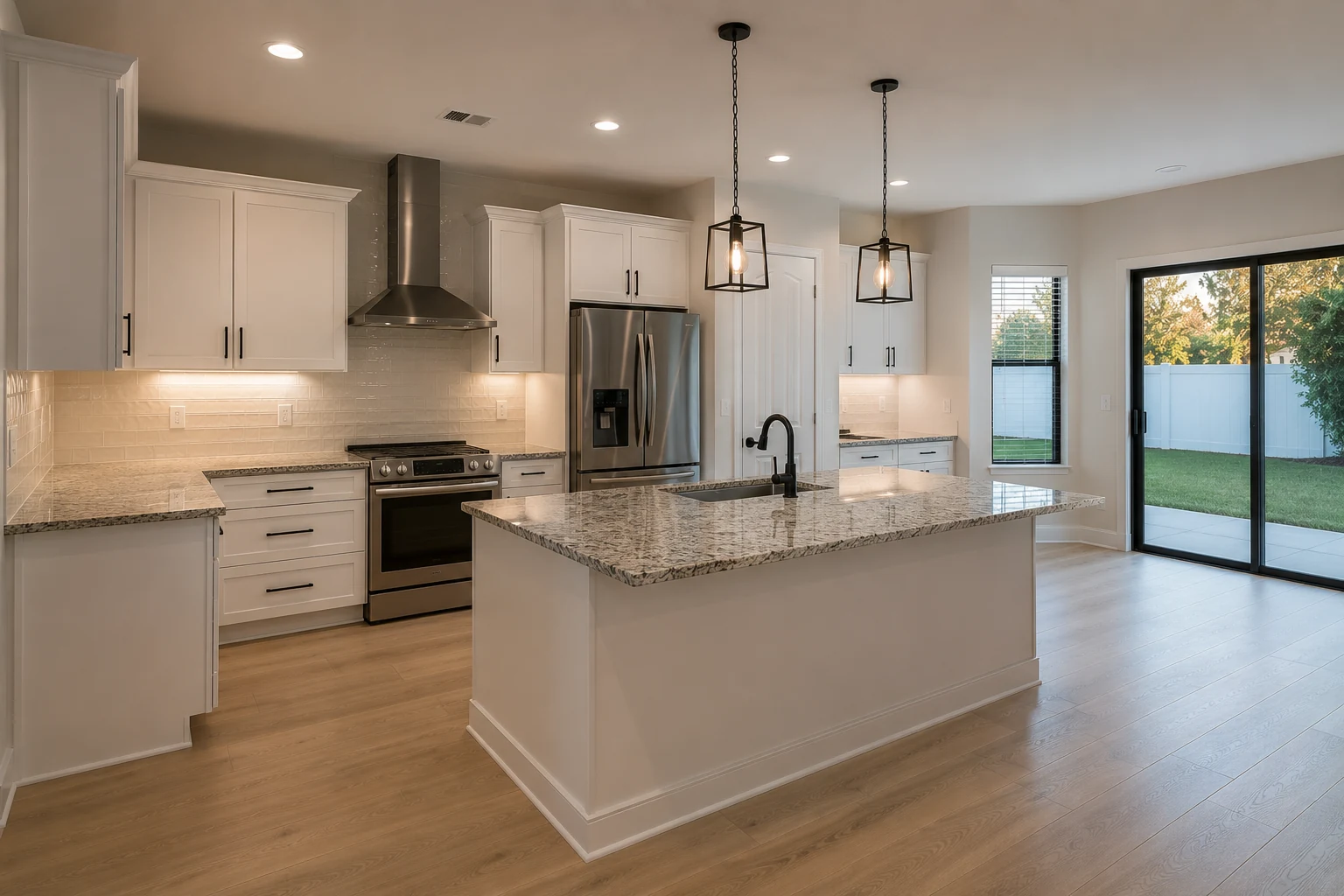
In each of these the cabinet boxes stayed exactly where they were. What changed is everything you actually look at, which is where the dating lived.
What You Gain
These are the specific features of a mid-2000s kitchen that most affect how it functions and how current it looks, each with a straightforward remedy.
Usually Together
A house renovated once in the mid-2000s tends to have several rooms arriving at the same conclusion together.
Current ServiceTransform the heart of your home with a kitchen that blends functionality, craftsmanship, and modern design.
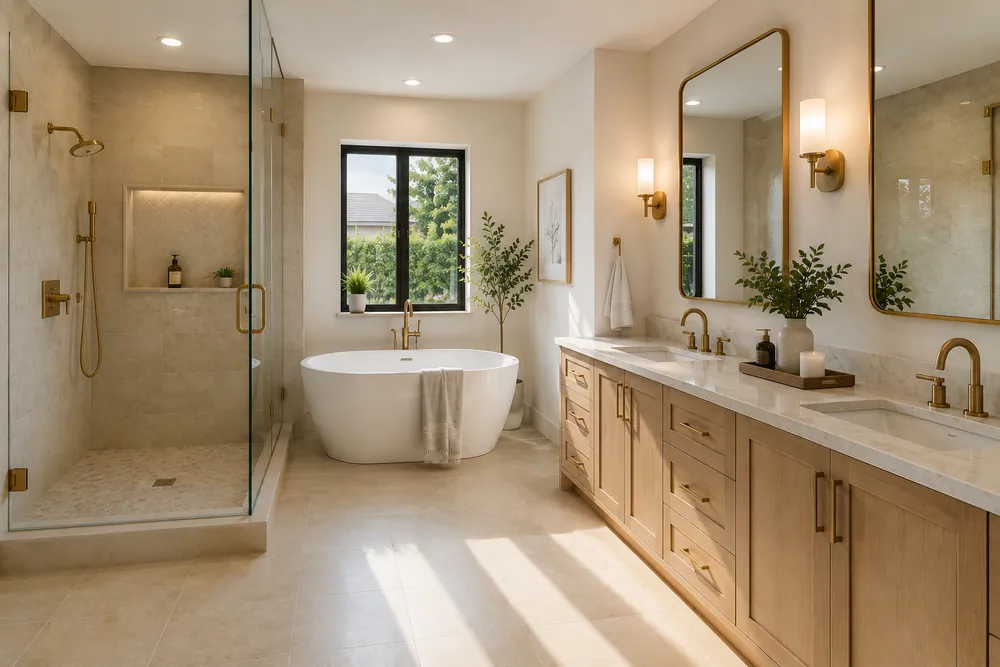
Modernize your bathroom with thoughtful layouts, quality finishes, and lasting comfort.
Learn More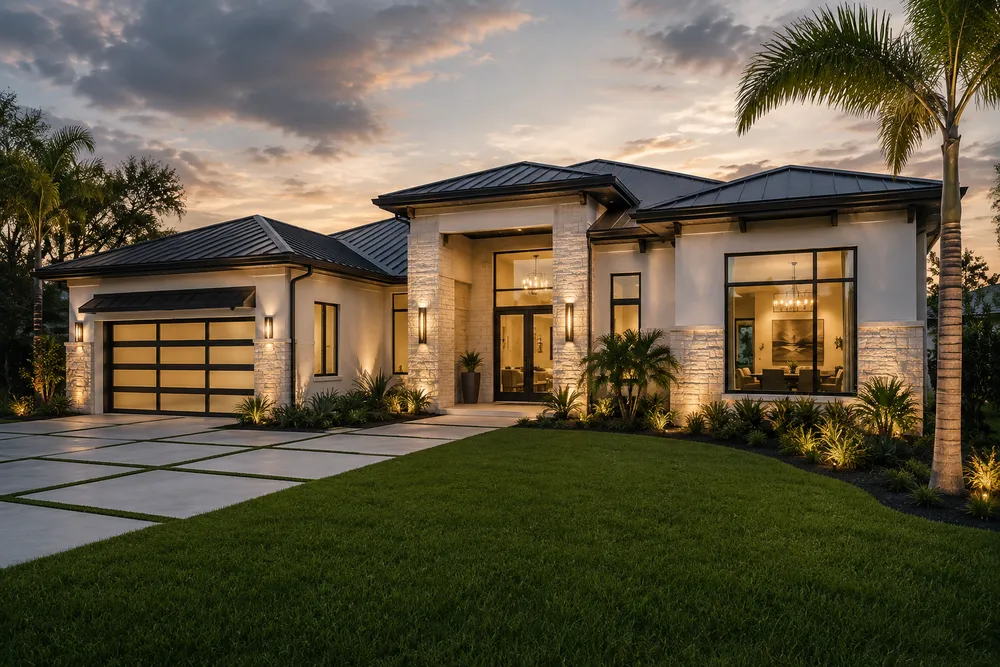
Coordinate a complete transformation of your home, from layout to finishing details.
Learn More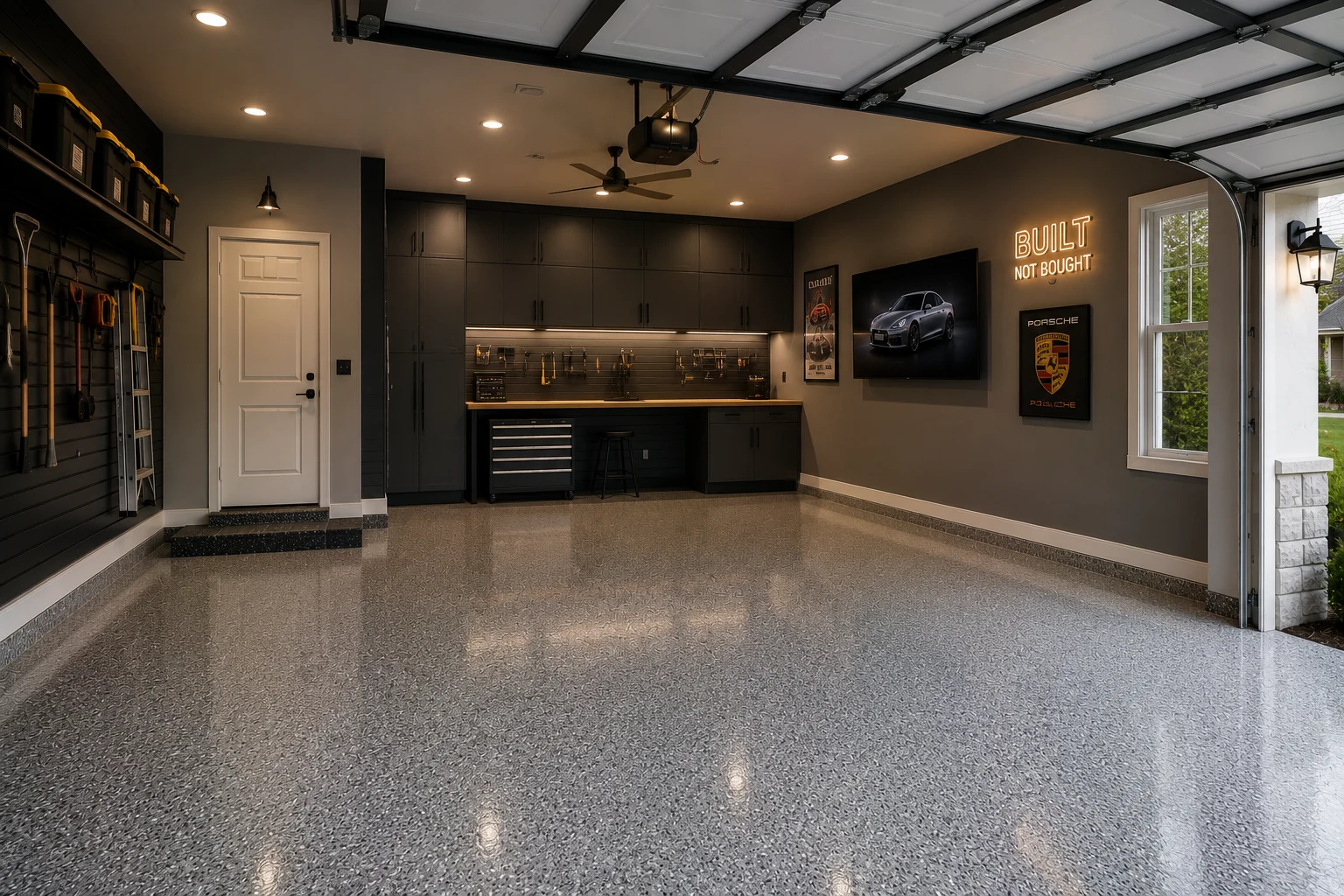
Turn your garage into an organized, durable, and functional extension of your home.
Learn More
Install and refresh flooring throughout your home with materials built to last.
Learn More
Refresh interior and exterior surfaces with professional, detail-oriented painting.
Learn More
Create outdoor spaces designed for everyday living and relaxed entertaining.
Learn More
Design and build a custom pool tailored to your home and lifestyle.
Learn More
Handle everyday repairs and improvements with the same attention to detail as larger projects.
Learn MoreGet Started
Tell us about your project and our team will reach out to discuss the next steps.
Get your free estimate in less than 2 minutes
Prefer to talk it through first? Call or email us directly.
Where We Look First
Homes in Dr. Phillips went up largely in the 1980s and 1990s, which means most of them reached the age for a kitchen renovation somewhere around the middle of the 2000s. And that decade had a vocabulary you can identify from the doorway: espresso or cherry cabinetry, granite with a heavy carved edge, tumbled stone behind the range, a soffit above the uppers with rope lighting hidden in it, a raised ledge running along the island, and a built-in desk that made sense before everyone carried a phone.
Almost none of it has failed. The boxes are usually sound, the layout is usually sensible, and somebody spent real money on it twenty years ago. What has happened is that the visible layer has dated with unusual precision, and it drags the impression of the whole house with it. So the useful conversation here is not whether to remodel — it is which parts of the last remodel are worth keeping and which are the reason the kitchen reads the way it does. In most of these houses the answer saves a considerable amount of money.
Planning Ahead
Four judgements that decide the scope. Get them right and this is a considerably smaller project than replacing a kitchen from scratch.
This is the decision that most affects the budget. Cabinet carcasses from a mid-2000s renovation are frequently solid — plywood construction, sound joints, drawers that still run. The doors, the finish, and the hardware are what date the kitchen. Assessed separately, many of these kitchens can keep the boxes and replace everything visible, which delivers the great majority of the change for a fraction of a full replacement. We look inside the cabinets before quoting anything.
These three features define the era and each is resolved differently. A raised bar ledge usually levels into a single surface, which requires new stone but transforms the island. A soffit either comes out — if it is empty — or gets treated deliberately, which depends entirely on whether it carries ducting or services. A desk nook is nearly always converted to storage. None is difficult; the point is to decide all three before the counter is ordered, since each affects the templating.
Worth understanding early: granite from that period was frequently installed with heavy adhesive and often cannot be lifted intact, particularly around an undermount sink or a raised ledge. So the decision to change the counter is generally a one-way one, and the existing stone rarely has resale value. That is not a reason to keep it — it is a reason to decide deliberately rather than assuming you could put it back.
It genuinely changes the specification. If you intend to stay a long time, keeping sound boxes and investing in surfaces, lighting, and hardware is excellent value. If a move is likely within a few years, the calculation shifts toward what a buyer sees first. Both are valid, and they lead to different budgets — so it is worth being honest about it at the start rather than halfway through.
Why SAVAM House
Every project follows a clear, structured process from first contact to final walkthrough.
We pay attention to the details that make a remodel feel finished and durable.
You'll always know what's happening with your project and what comes next.
We treat every property with the same care and respect as if it were our own.
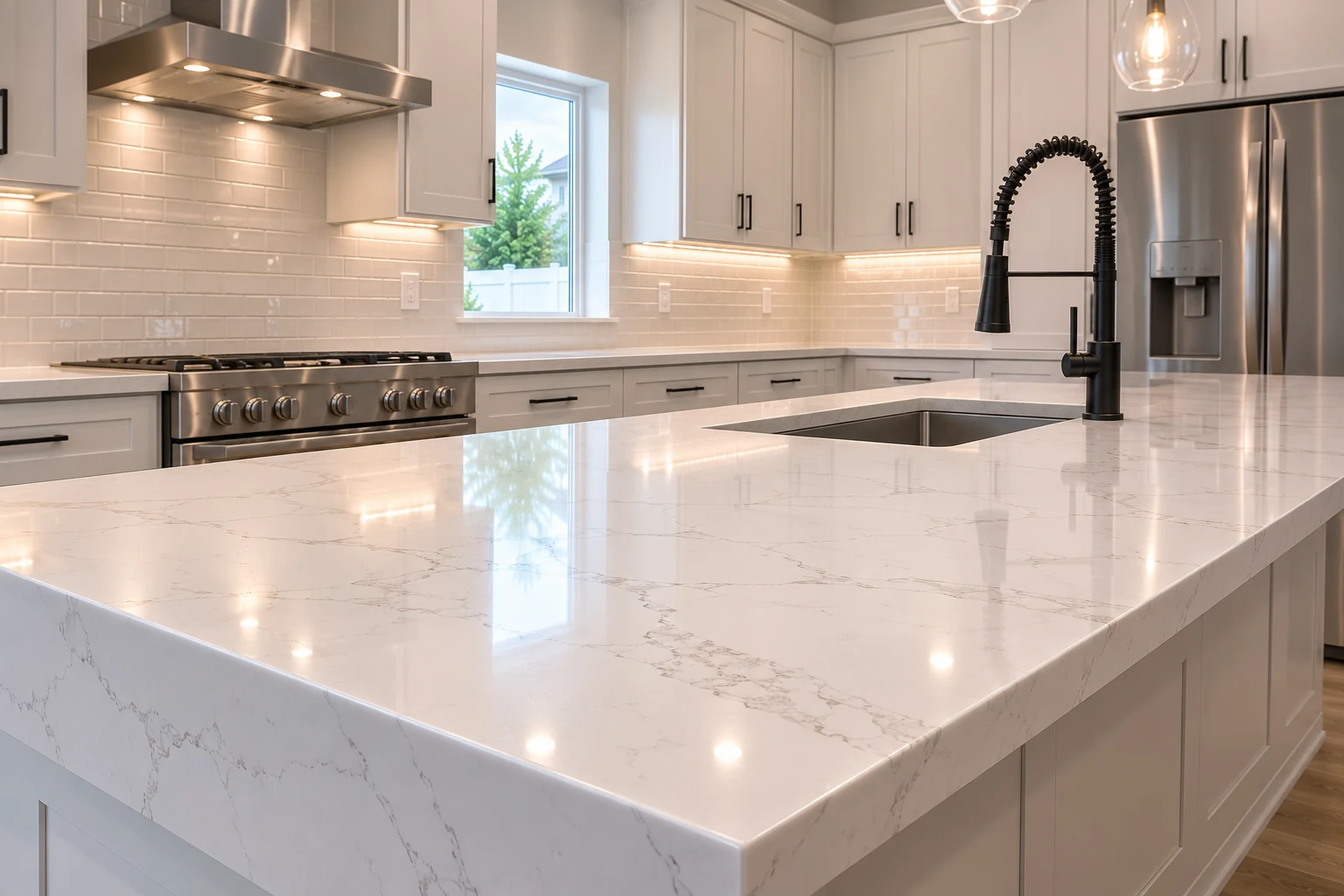 Doors, Fronts and RefacingWhere sound boxes are kept, this is the layer that carries almost all of the visual change.
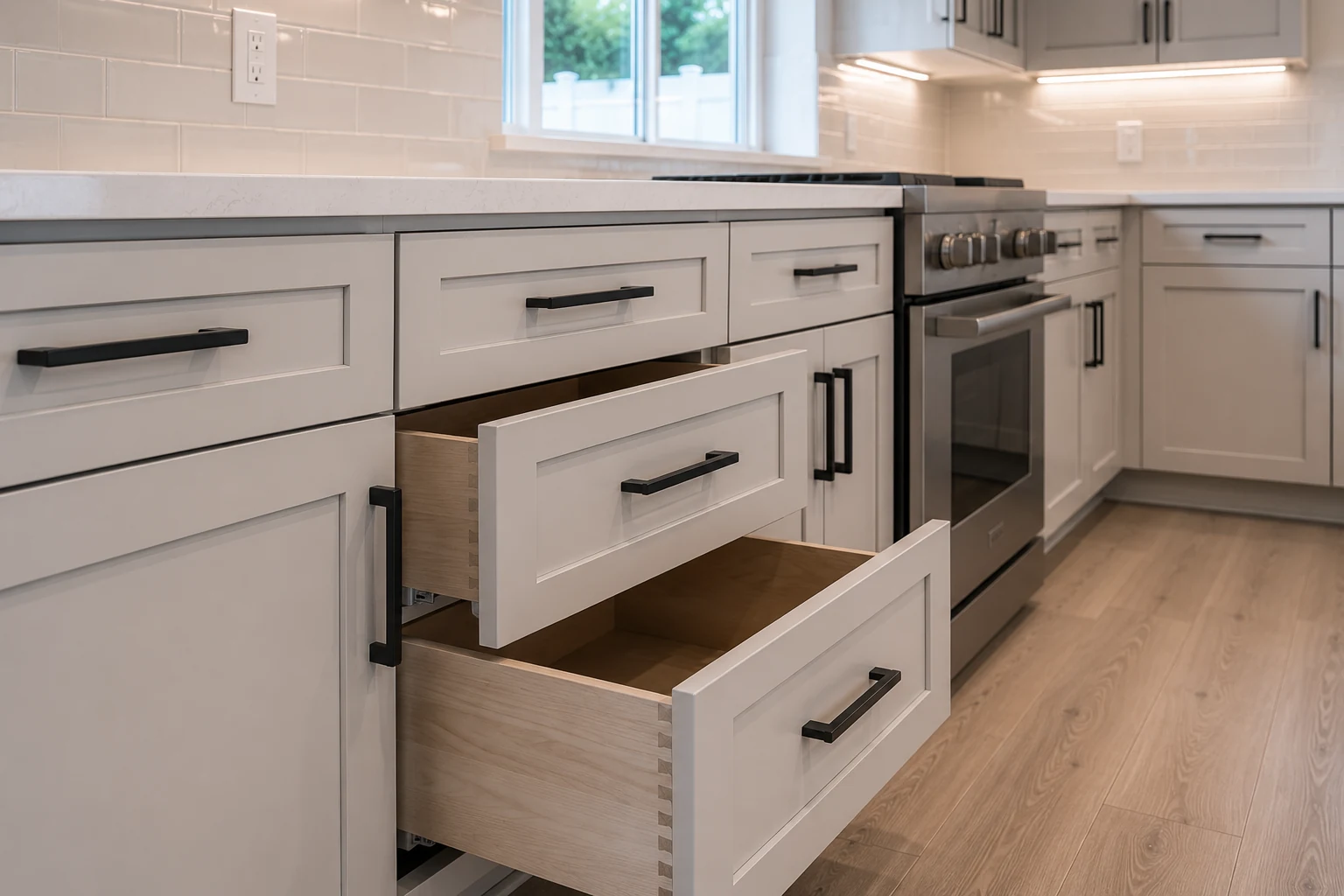 Replacement CountersTemplated after the ledge and any features are resolved, so the surface fits the kitchen you are getting.
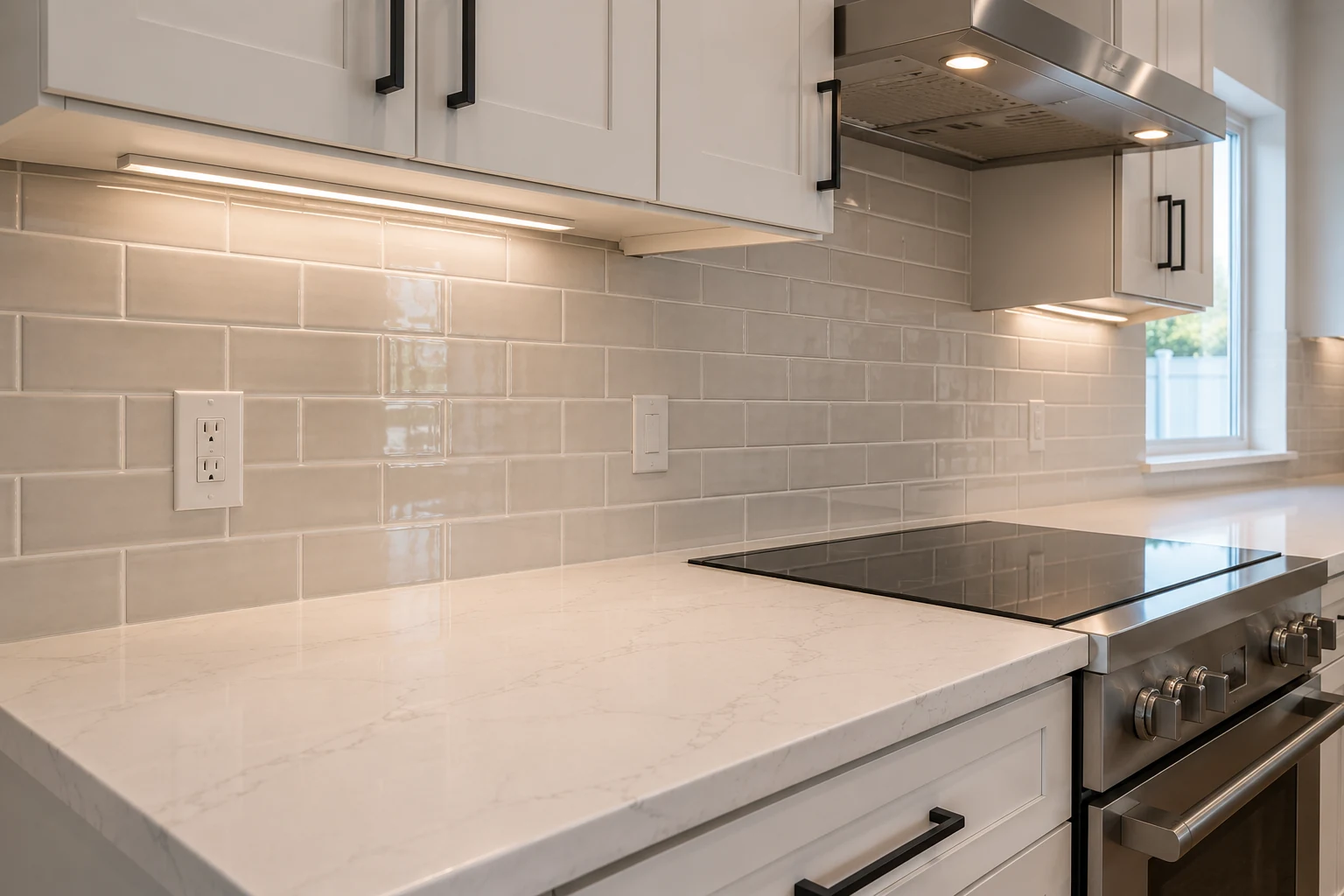 Current Splash MaterialsThe smallest surface in the room and the one that most reliably announces which decade the kitchen belongs to.
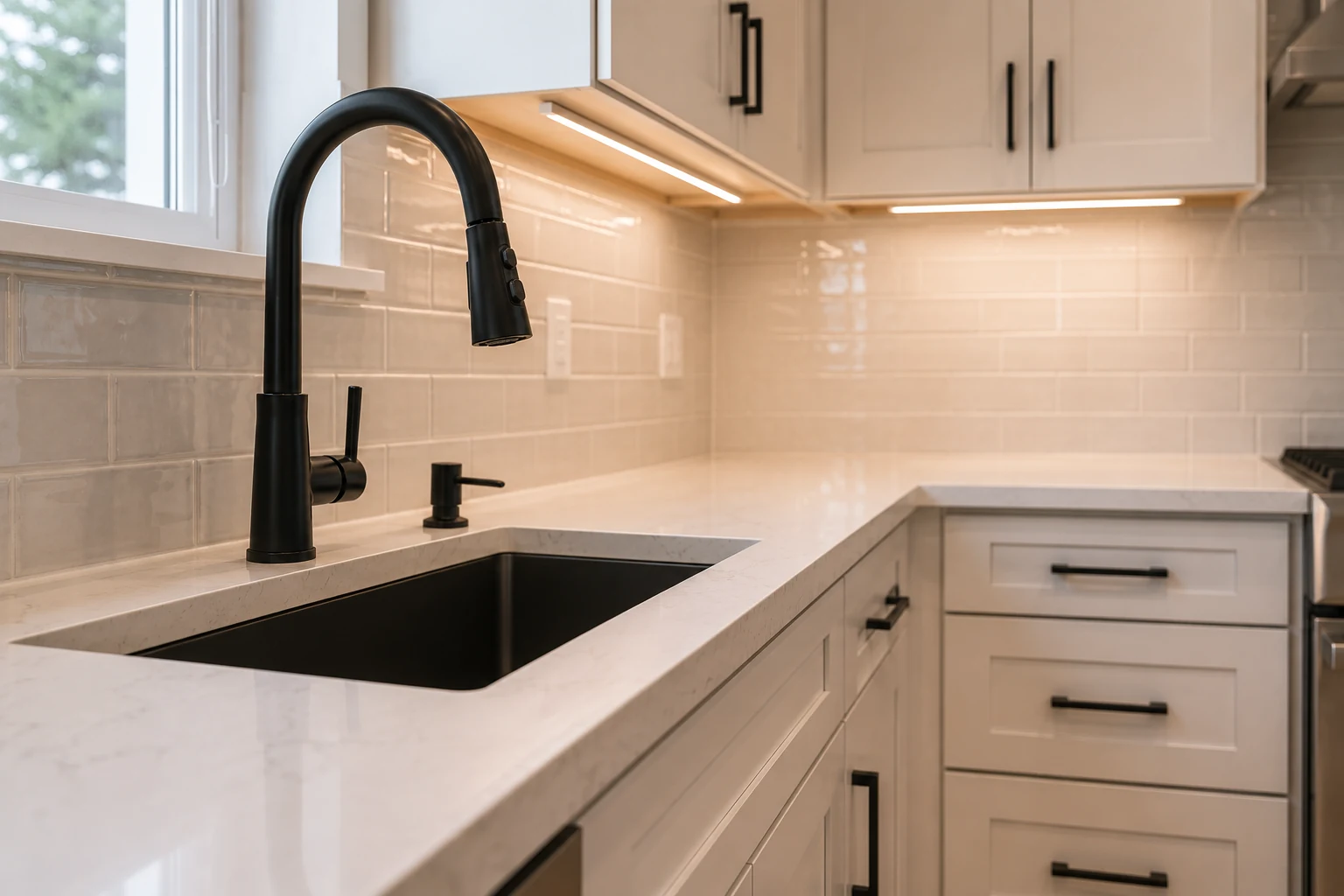 Hardware and Light FittingsThe two cheapest elements to change and the two that date a kitchen fastest when they are left alone.
Three Scopes
Three levels of second remodel — the right one depends on the condition of the boxes and how long you intend to stay.
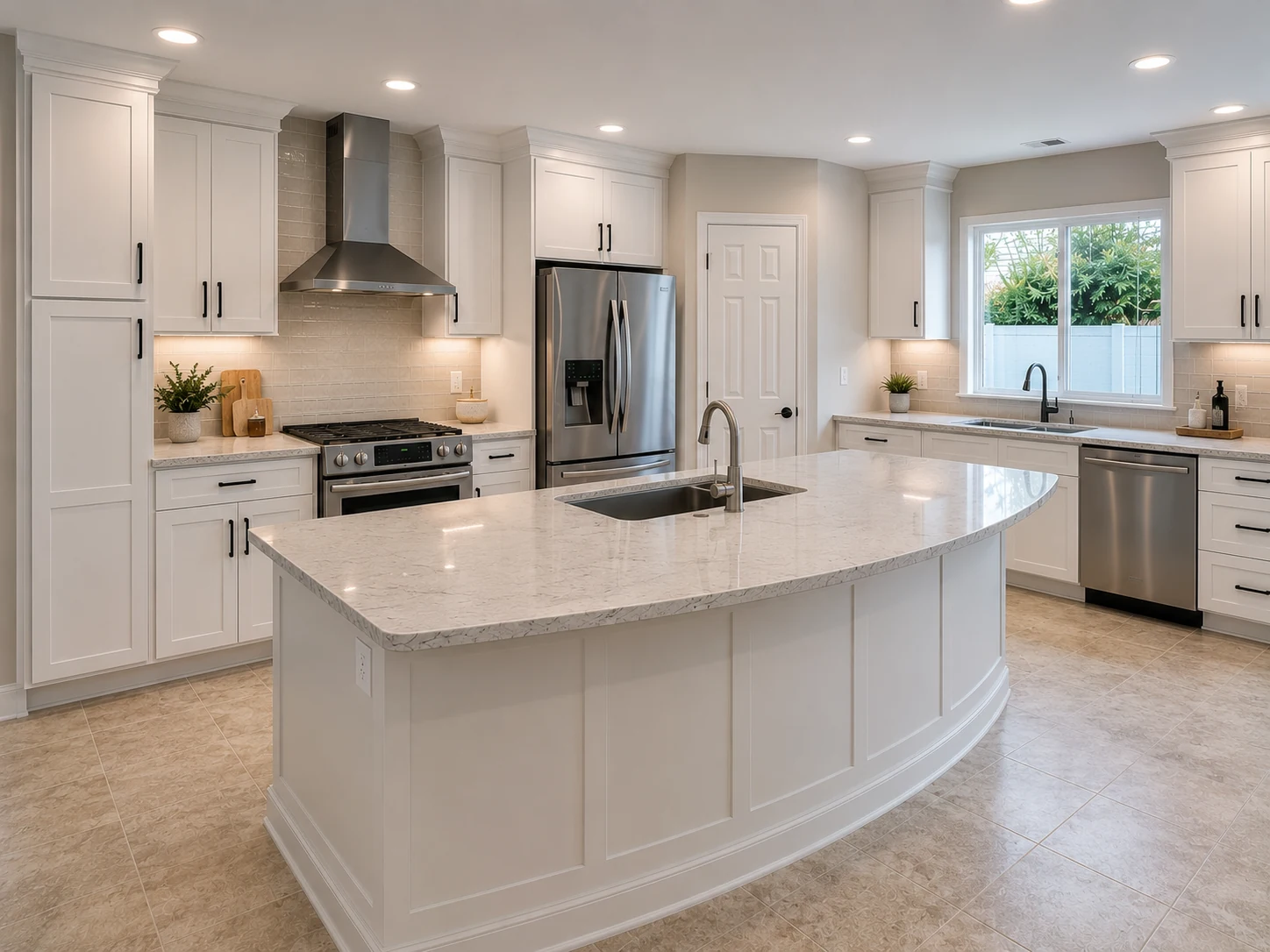
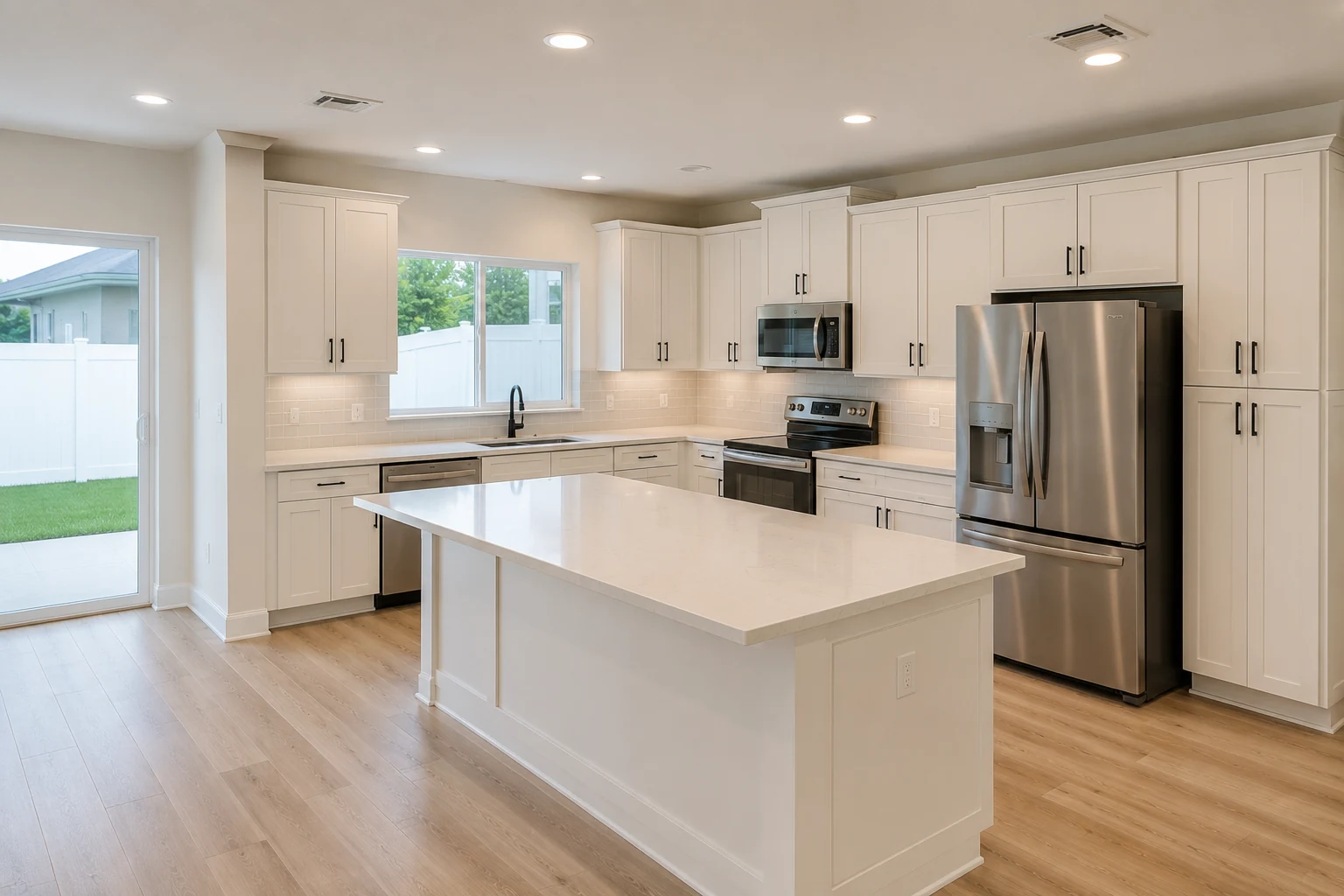 ConceptKitchen RemodelingThe Visible-Layer Refresh
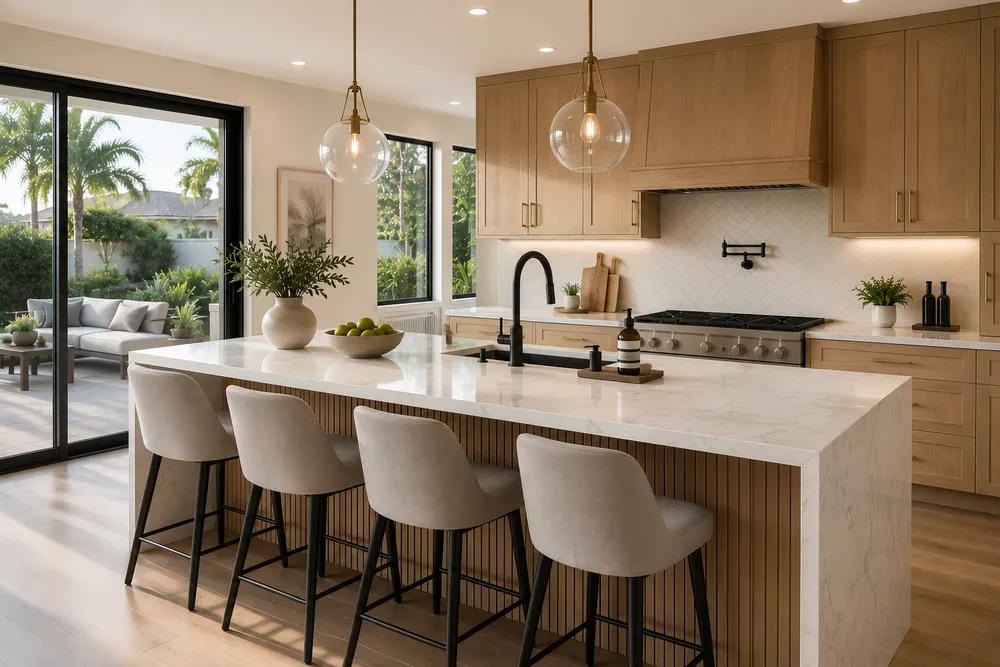
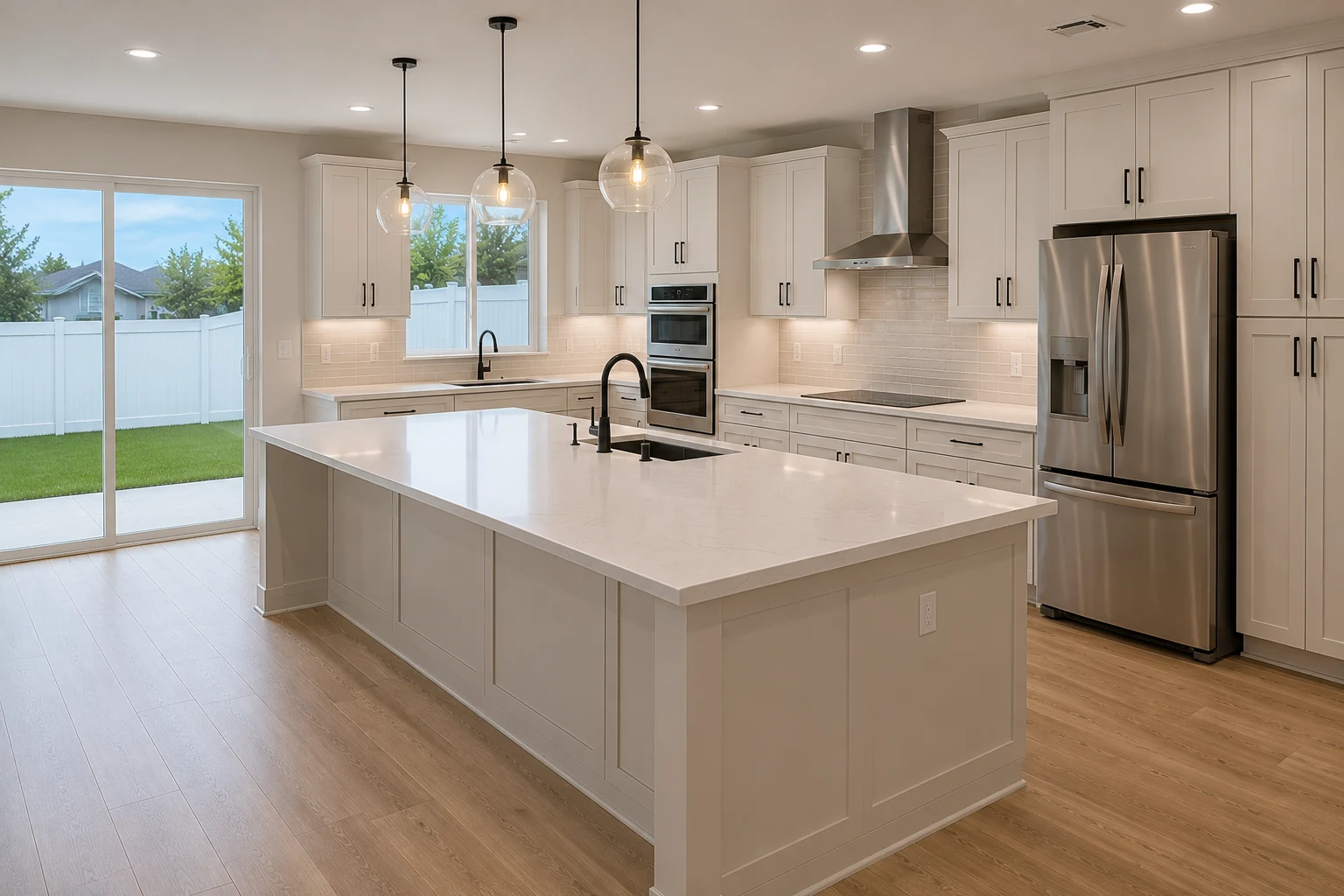 ConceptKitchen RemodelingThe Ledge and Island Rebuild
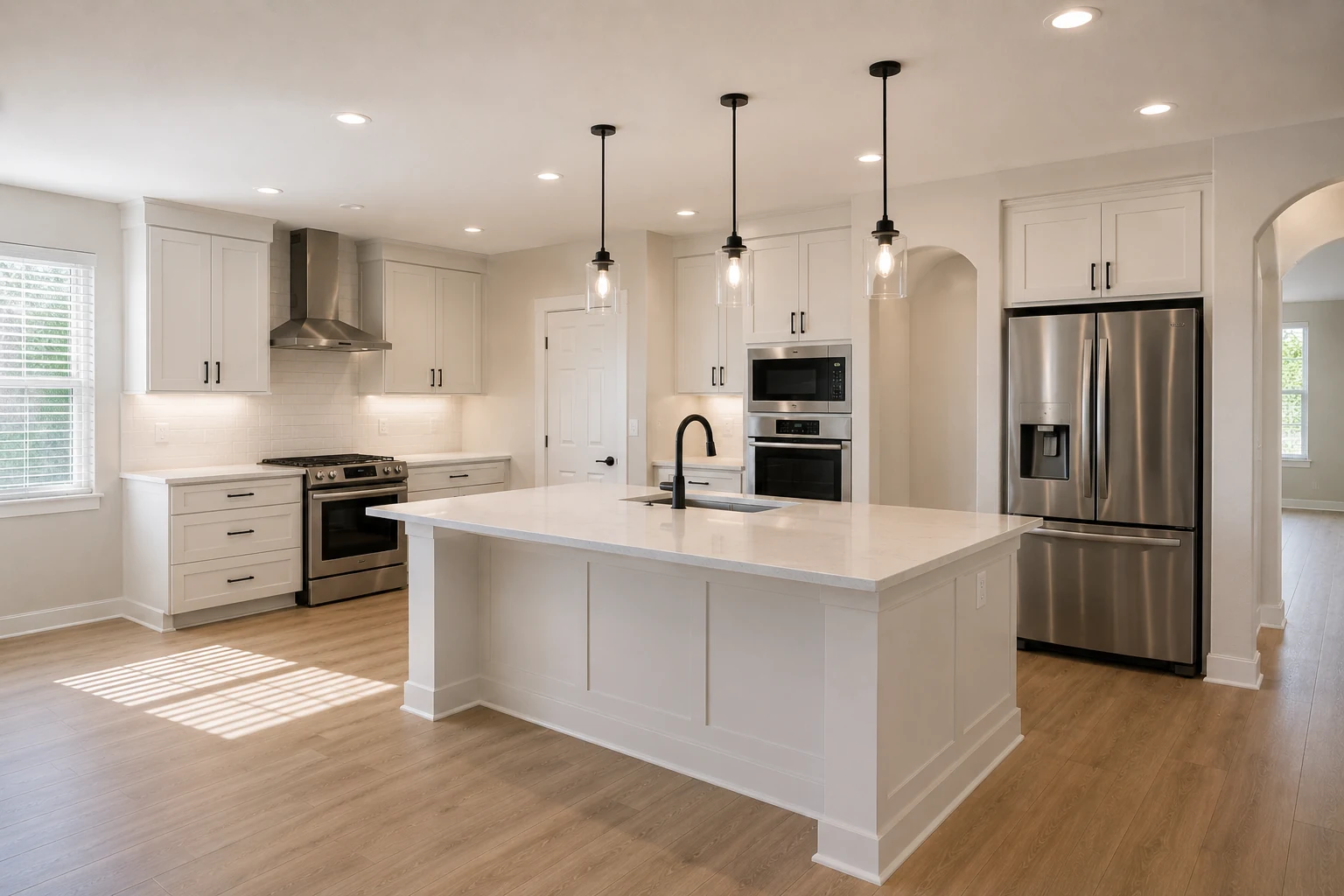
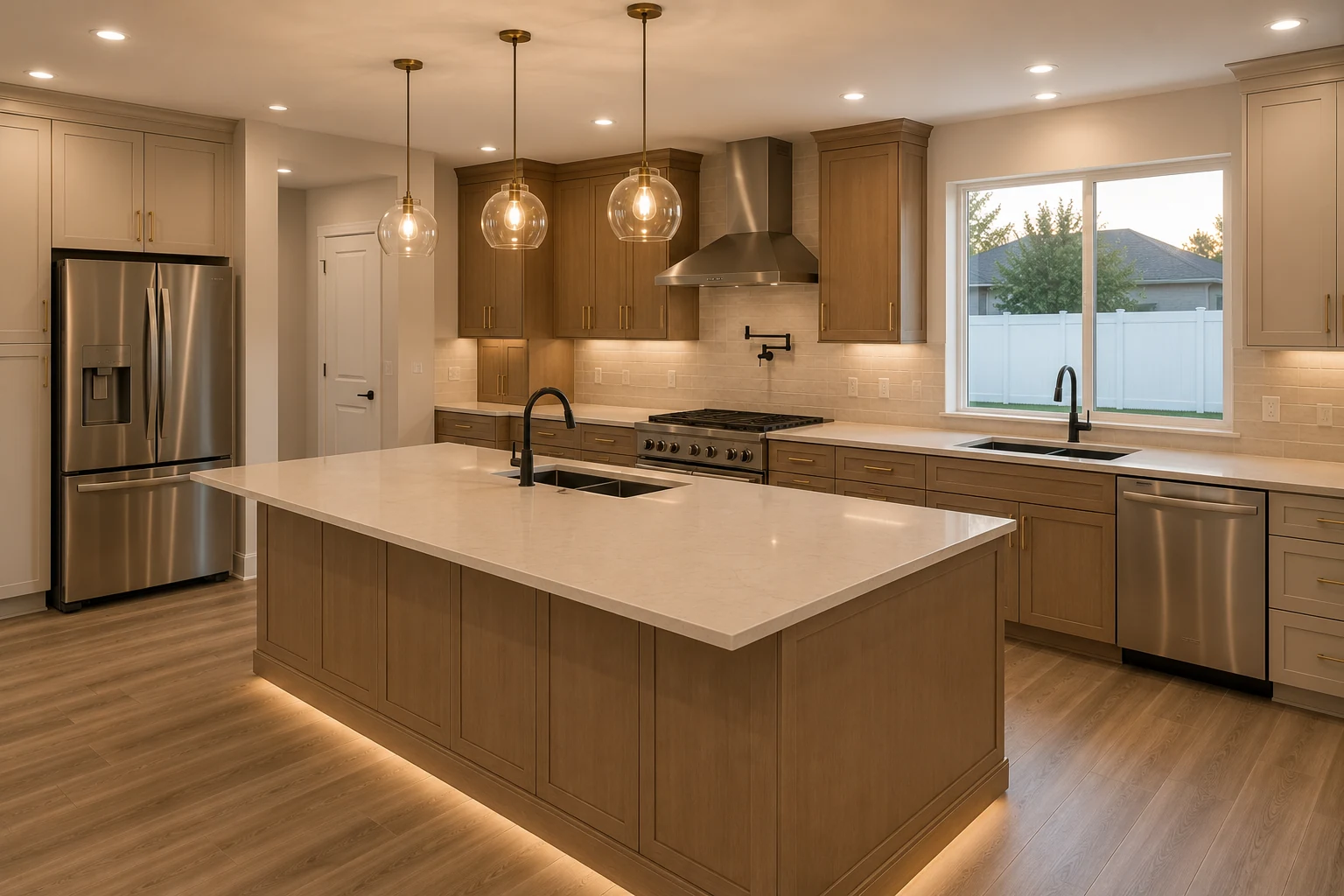 ConceptKitchen RemodelingThe Full Second Remodel
These images are conceptual visualizations meant to illustrate the style and quality SAVAM House can deliver — not photographs of projects completed by our team.
What Gets Asked Here
Need is the wrong frame — almost nothing has failed. What has happened is that the mid-2000s vocabulary dates with unusual precision, and a kitchen carrying it drags the impression of the whole house back to that decade. The good news is that because the last renovation was real work, the structure underneath is usually sound, which makes the second remodel considerably cheaper than the first.
Very often, and it is the single biggest saving available in these houses. Carcasses from that era are frequently well built. Replacing doors, drawer fronts, hardware, and finish delivers most of the visual change without touching the layout or the services. We look inside the cabinets first — if the boxes are sound, we will tell you so rather than sell you a full replacement.
It was designed to screen the sink from anyone sitting on the other side, and it costs you a usable surface. Levelling it into one continuous counter is one of the most transformative changes available here — the island stops being two half-surfaces and becomes a proper working one. It does require a new counter, so it is a decision to make before templating.
It depends on what is inside it. Some are purely decorative and come out easily, which lets cabinetry run to the ceiling and gains real storage. Others carry ducting or services and are far better treated than fought. We establish which before drawing anything, because the answer changes both the design and the price materially.
Almost always convert it. It made sense in a house with a family computer and a landline; today it is a shelf for post and chargers occupying a full run of cabinetry. Converted to drawers or a proper appliance zone, it typically becomes the most used storage in the kitchen.
That is a taste question with one practical caveat: granite from this period is usually bonded firmly and rarely survives removal intact, especially around an undermount sink. So changing it is effectively one-way, and the existing stone has little resale value. If you like it and the boxes are staying, keeping it is a perfectly reasonable way to reduce scope — just decide deliberately.
In our experience, in order: the lighting, the hardware, the splash, and the cabinet finish. Those four are also the cheapest things to change. It is entirely possible to spend a modest amount on exactly those and have people assume the whole kitchen was replaced.
Rarely. Kitchens from mid-2000s renovations were generally laid out sensibly — the work was done by someone who thought about it. If the distances and the working relationships are reasonable, changing the layout adds cost and disruption without adding much. We will say so if that is the case.
If they came with the 2000s remodel they are near the end of a second lifespan, and it is generally the moment. It is also the chance to correct any sizing that was chosen to suit the cabinetry rather than the cooking. We will flag where a change of format affects the cabinet order so it is decided before, not after.
Usually shorter, sometimes considerably. Keeping boxes removes the longest cabinetry lead times, and leaving the layout alone means services generally stay put. The schedule is then driven by fronts, counters, and finishing rather than by a full rebuild — and we set that sequence out with dates before anything is ordered.
In this market it tends to, because a kitchen visibly belonging to a previous decade is the fastest way for a well-kept house to read as unrenovated. Buyers here compare directly against homes of the same age that have been brought current, and the kitchen is where that comparison lands first.
Use the form on this page and tell us roughly when the kitchen was last done and what bothers you most about it now. We will come out, look inside the cabinets, work through the ledge, the soffit, and the nook, and tell you honestly which parts are worth keeping.
Tell us roughly when it was last done and what still bothers you. We will look inside the cabinets, sort what is worth keeping from what is dating the room, and price the difference.