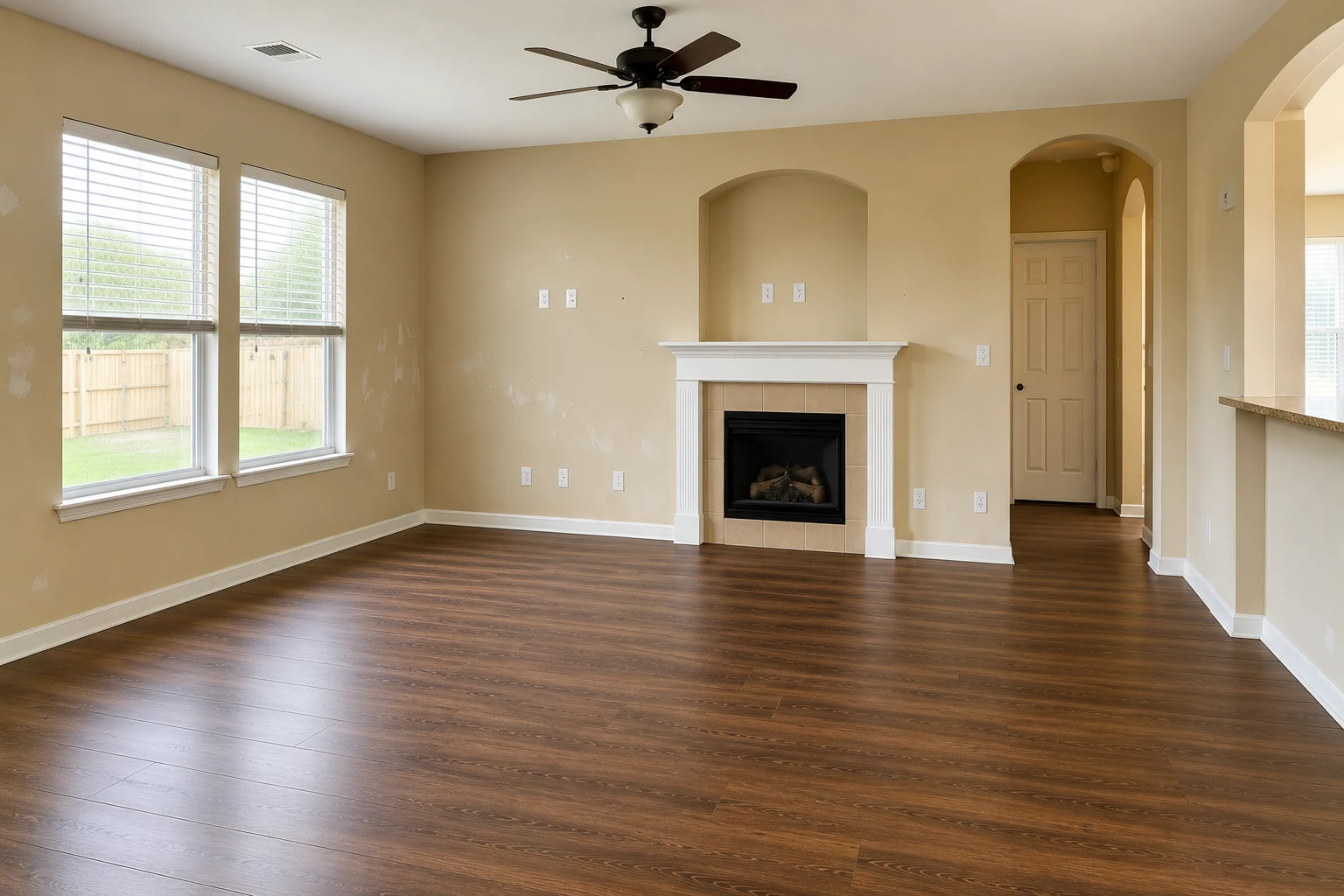
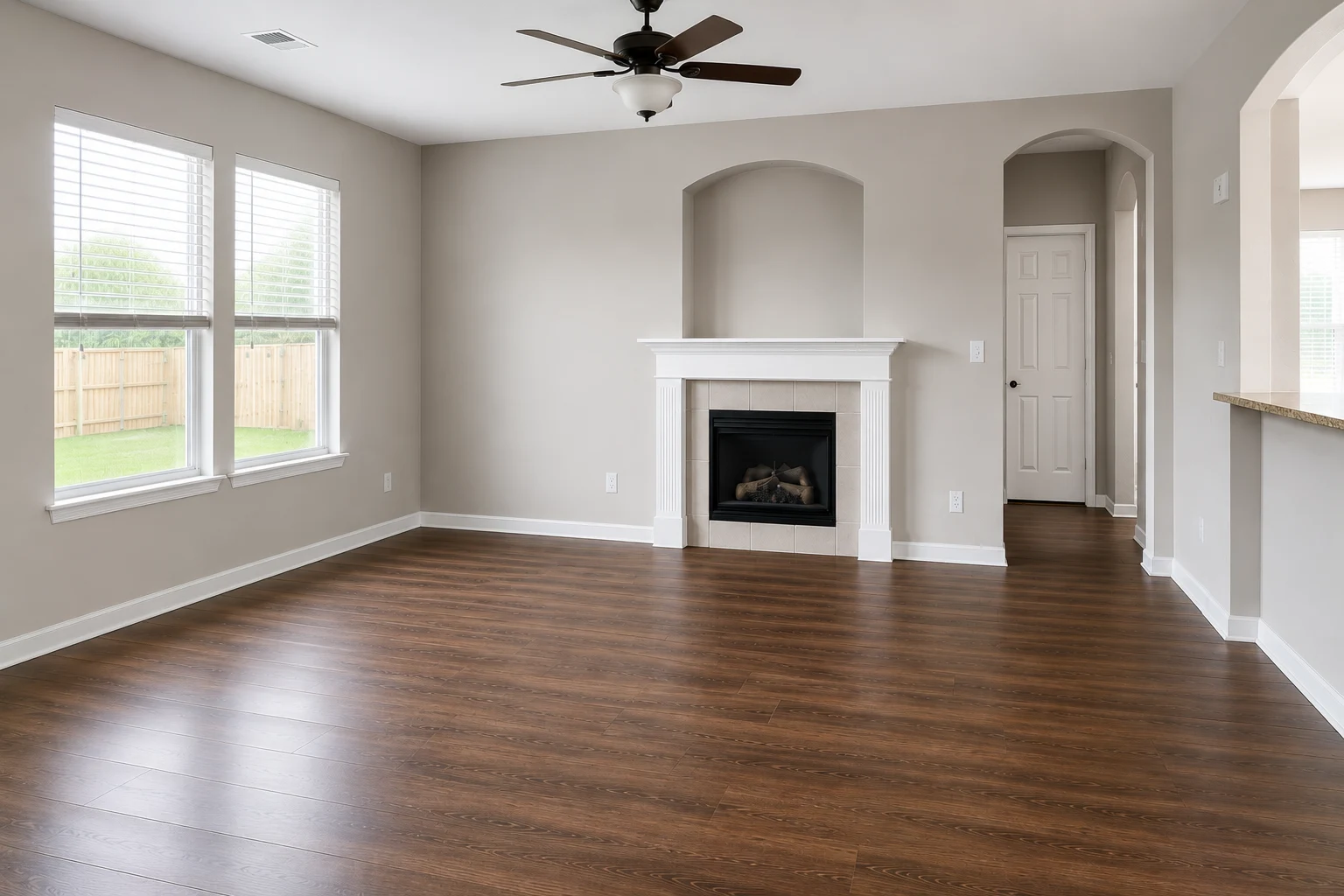
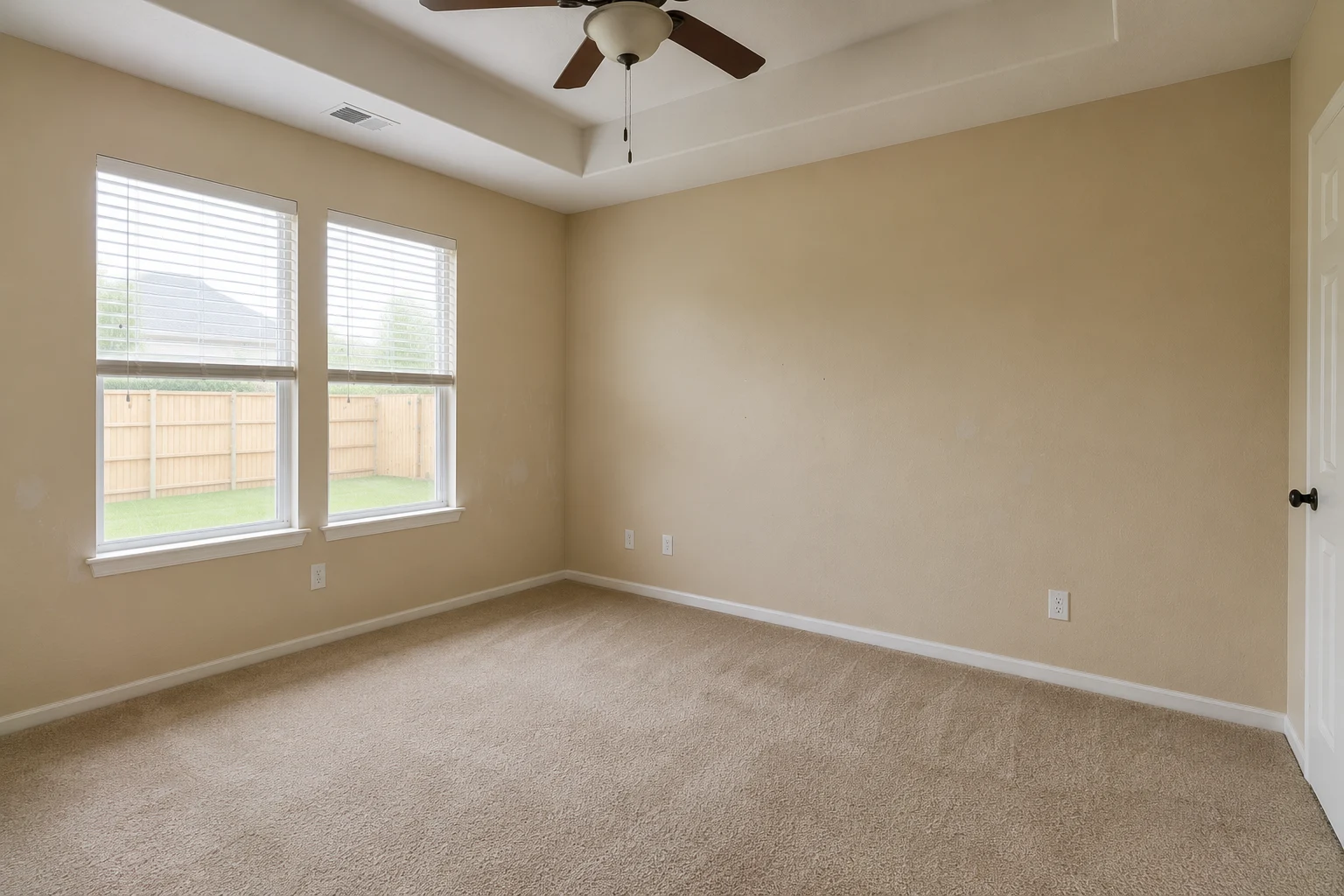
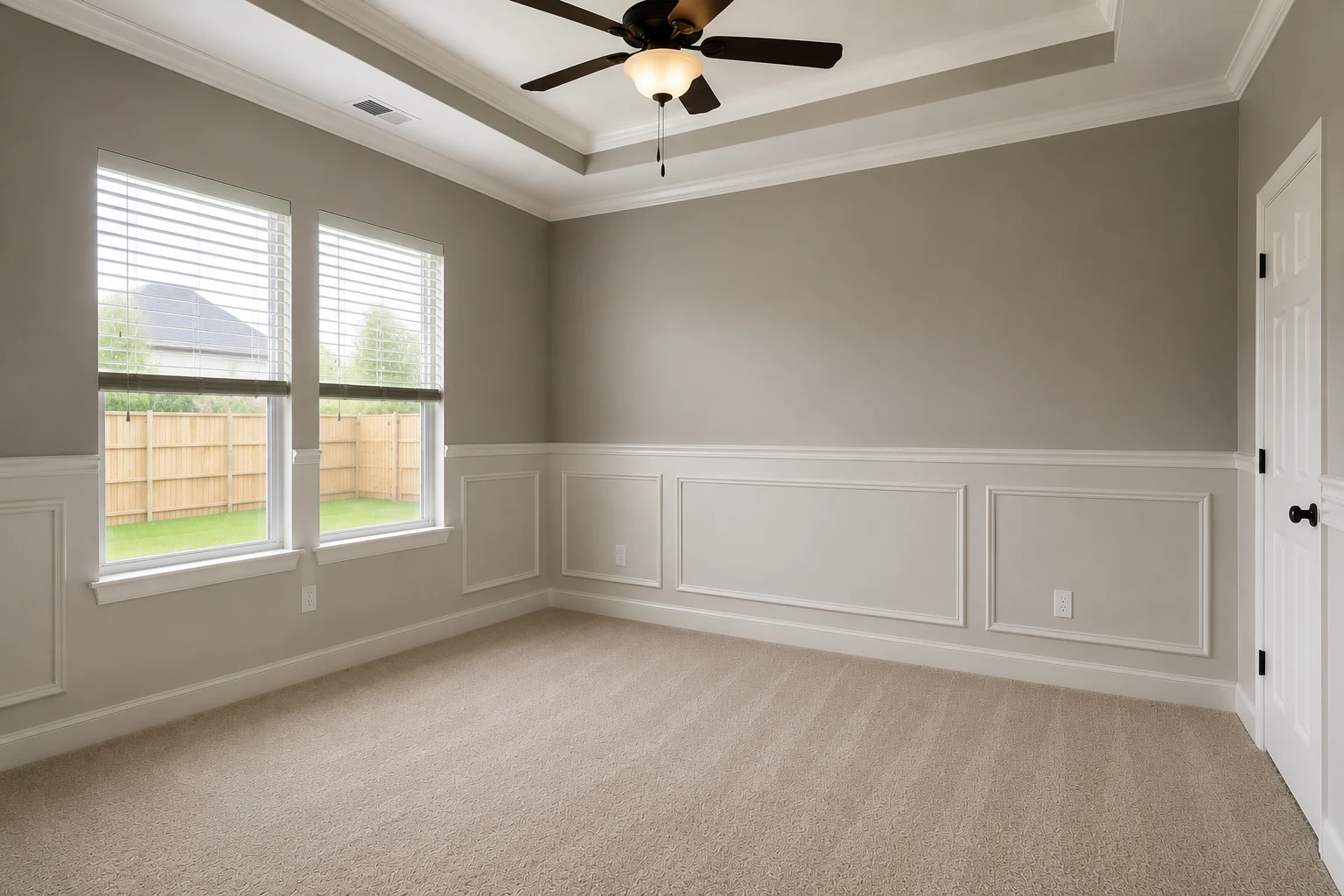
 Current Service
Painting
Refresh interior and exterior surfaces with professional, detail-oriented painting.
Residential Painting Serving Ocoee
Serving homeowners throughout Ocoee, where houses tend to be held by the same family for a long time — and where the walls quietly keep a record of it. We reset the whole surface rather than chasing marks around, and we run the work so your household barely has to rearrange itself.
Get Your Free EstimateFree In-Home Consultation
Organized Process
Every project follows a clear, structured process from first contact to final walkthrough.
Quality Craftsmanship
We pay attention to the details that make a remodel feel finished and durable.
Clear Communication
You'll always know what's happening with your project and what comes next.
Commitment to Your Home
We treat every property with the same care and respect as if it were our own.
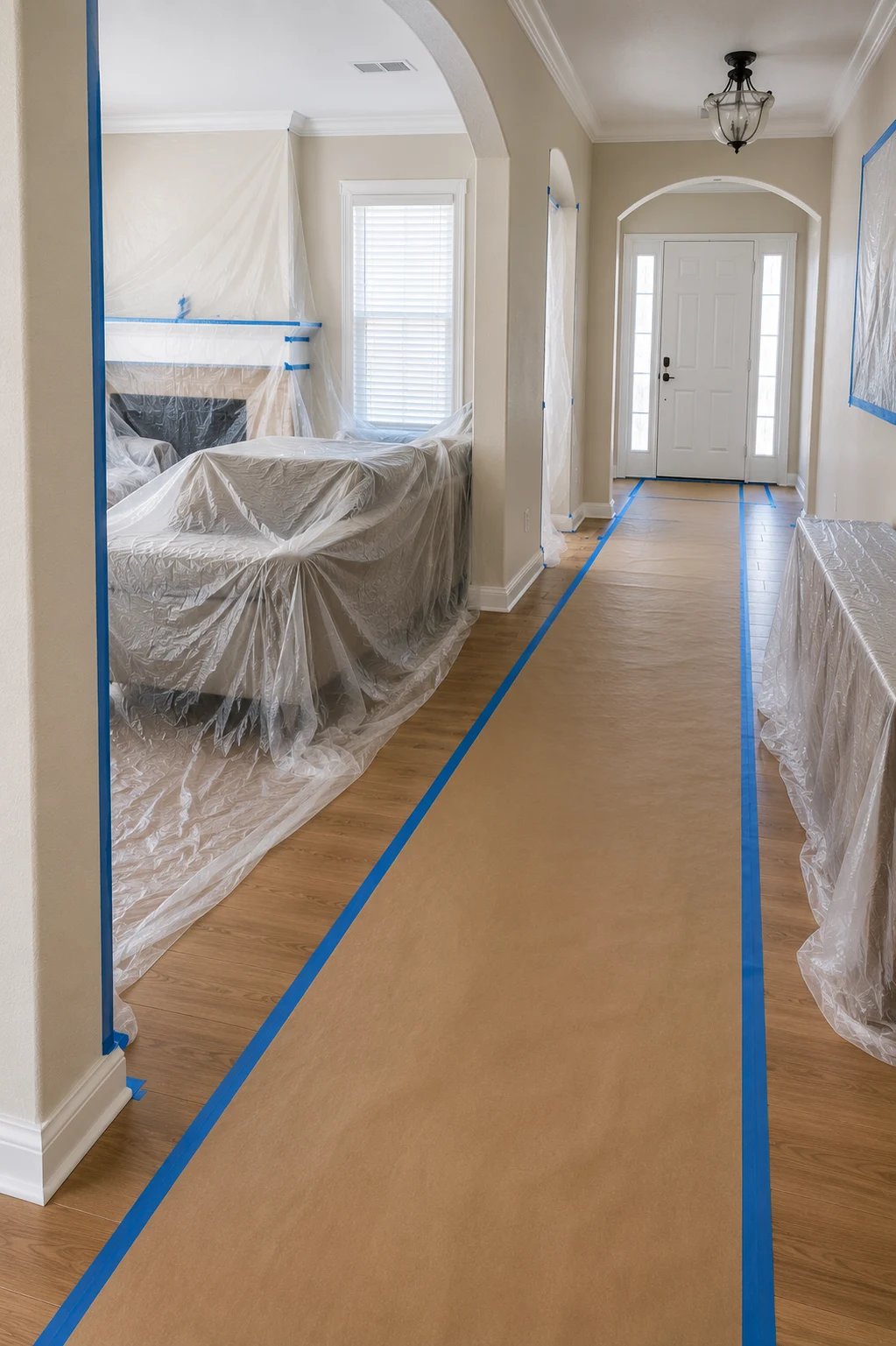 Clearing & Covering
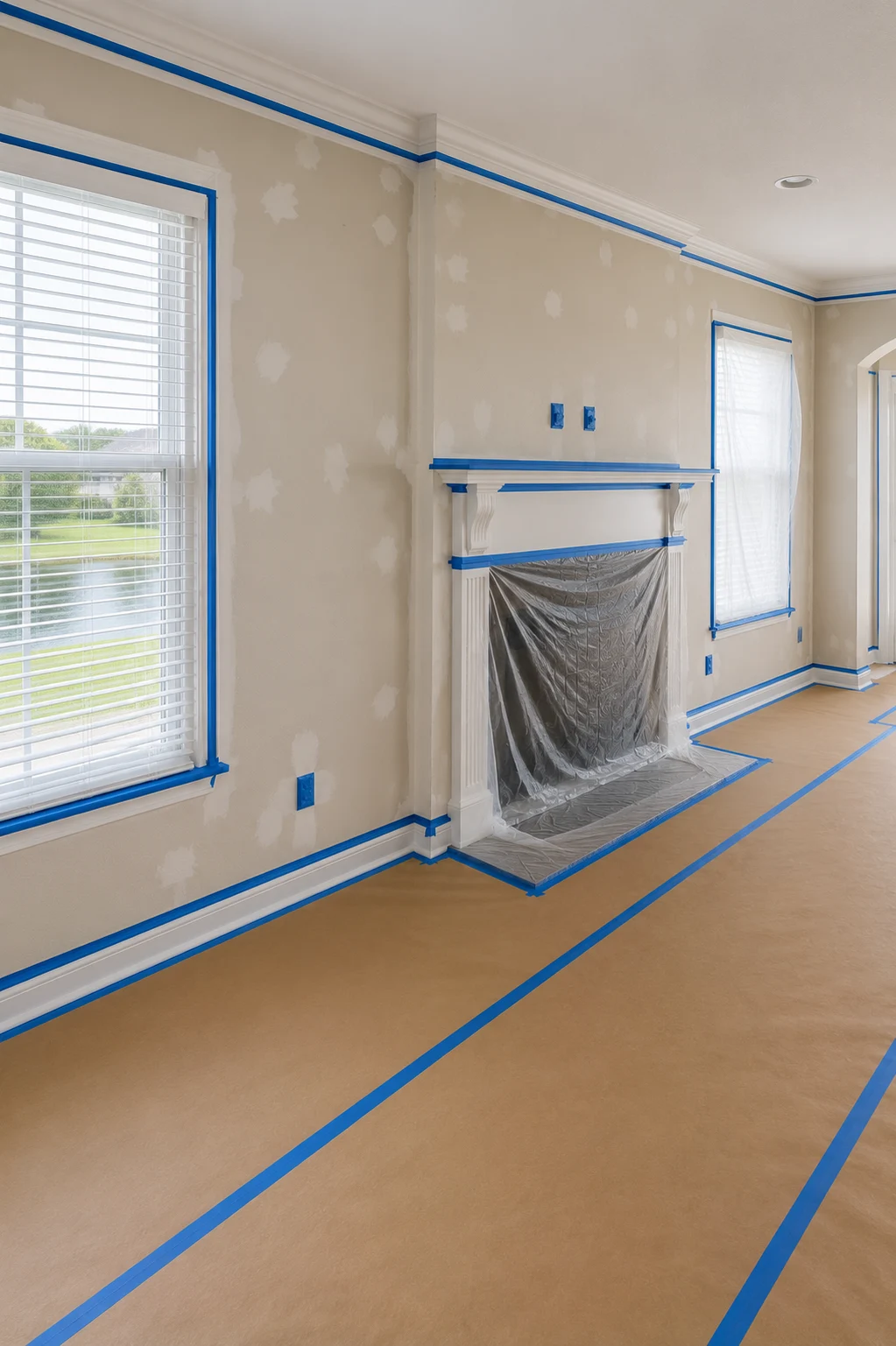 Filling & Sanding
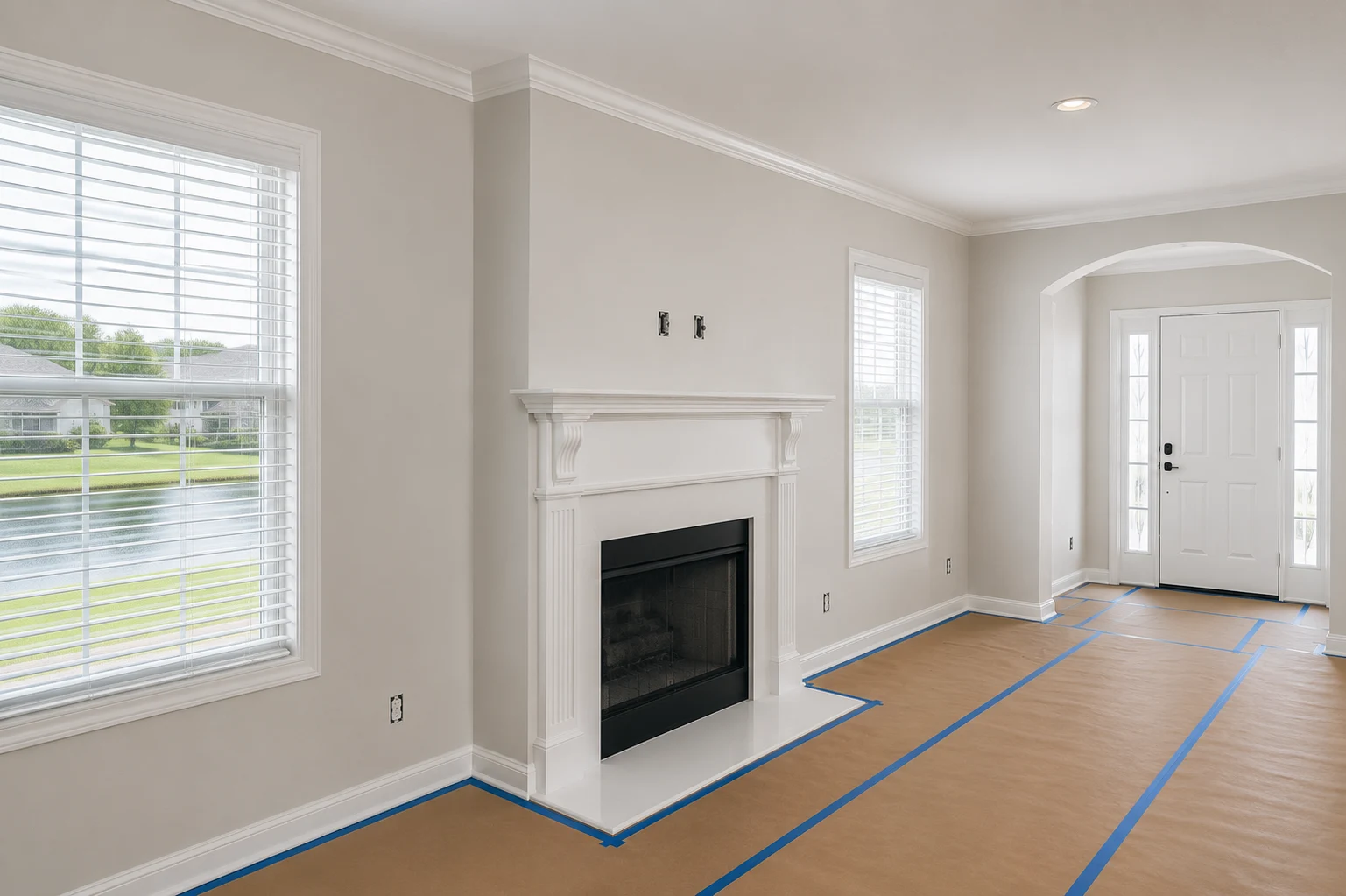 Coating Out
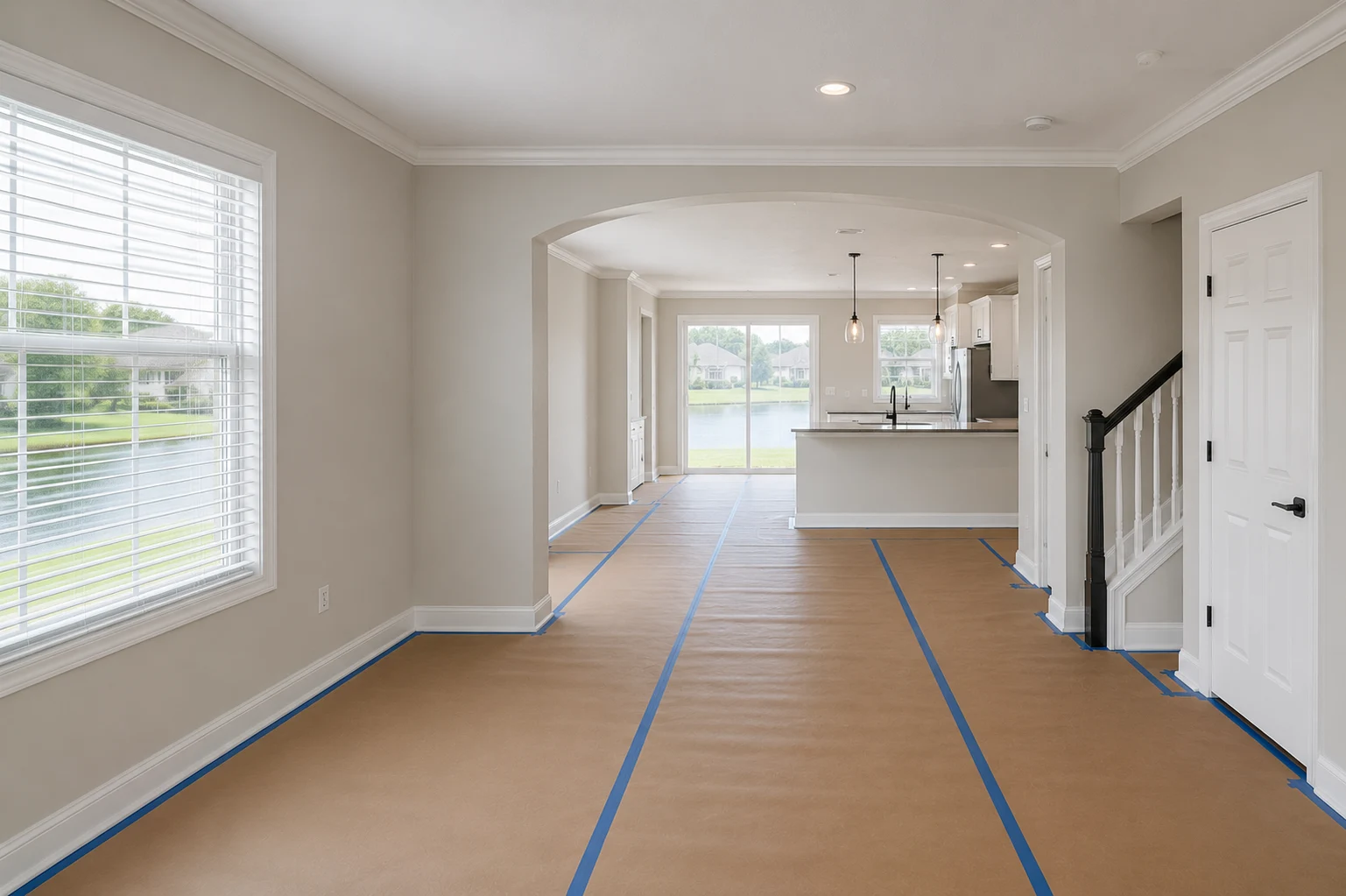 Putting It Right
Working With Us
We're not focused on being the biggest — we're focused on being organized, communicative, and easy to work with.
Your project starts with a clear plan, not guesswork.
You'll hear from a real person about the status of your project.
We treat the small details as seriously as the big decisions.
How It Works
We start by understanding your goals, your home, and the scope of your project.
We translate your vision into a clear, organized plan before any work begins.
You choose finishes and materials with guidance from our team.
Our team executes the project with attention to detail and clear communication.
We review the finished work together to make sure everything meets your expectations.
Real Results
Scuffs by the doorway, a hallway that has stopped coming clean, a front elevation the sun has slowly drained. None of it happens overnight, which is why the change lands harder than people expect.
The Benefits
Touching up chases the last mark. Repainting properly puts the whole room back to a single starting point — and gives you a surface that can be cleaned from then on.
What Else to Consider
Once the furniture is moved and the house is covered, several related jobs are far less disruptive to fold in now than to schedule again later.
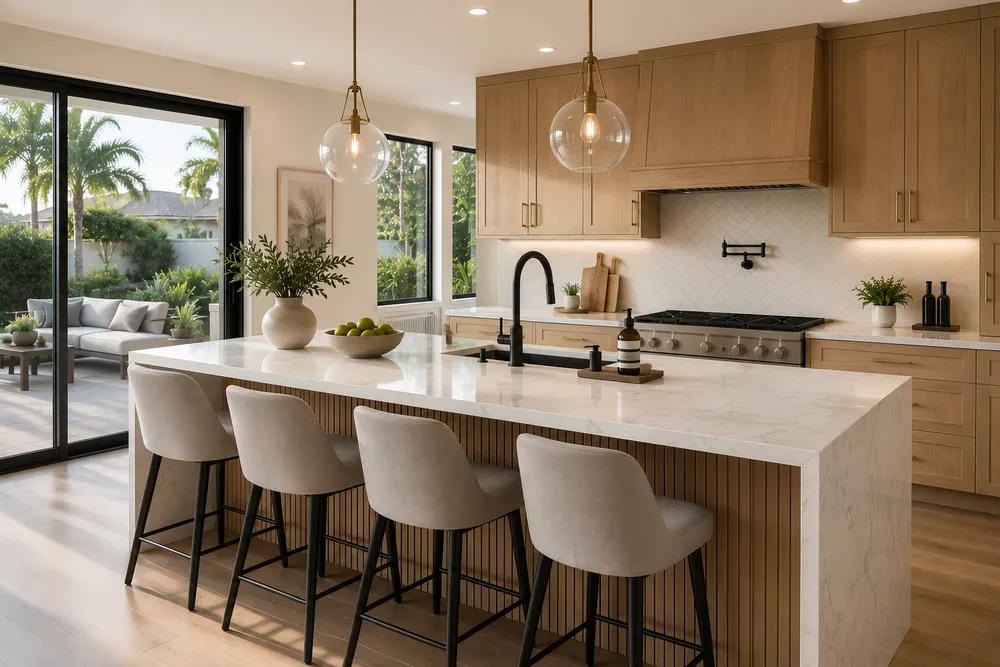
Transform the heart of your home with a kitchen that blends functionality, craftsmanship, and modern design.
Learn More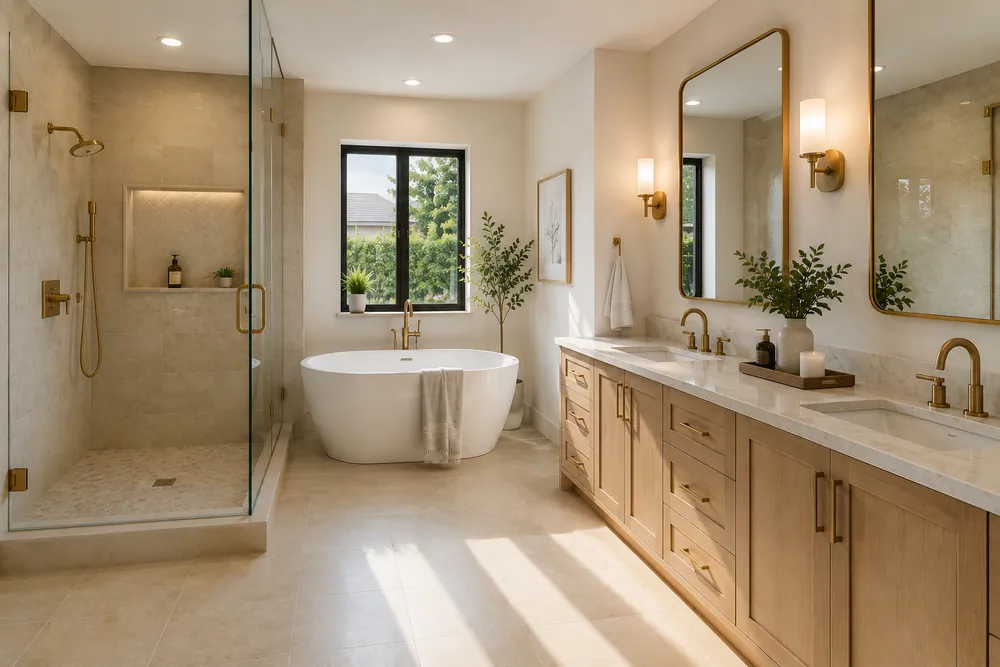
Modernize your bathroom with thoughtful layouts, quality finishes, and lasting comfort.
Learn More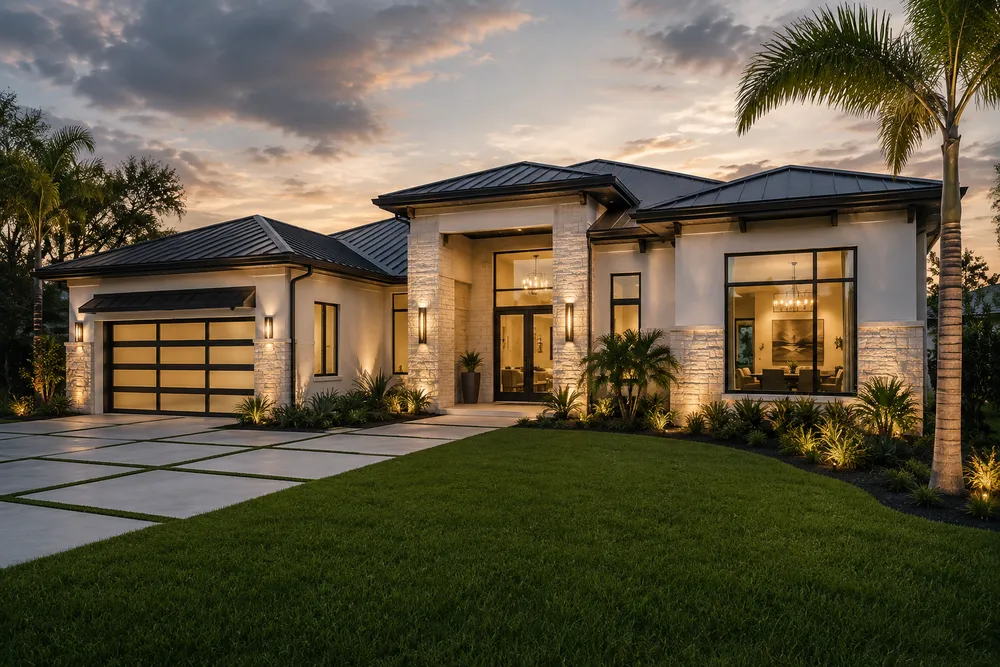
Coordinate a complete transformation of your home, from layout to finishing details.
Learn More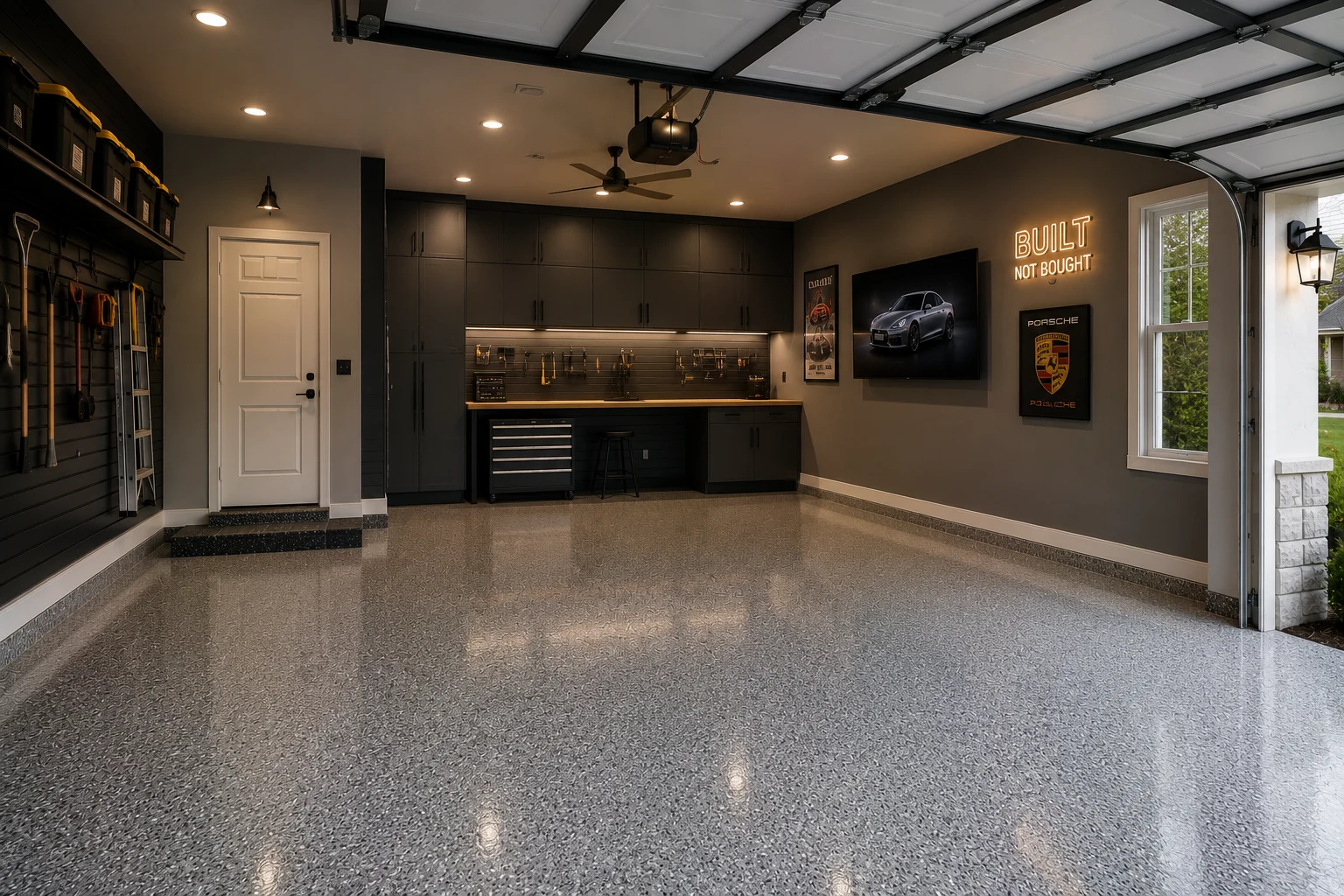
Turn your garage into an organized, durable, and functional extension of your home.
Learn More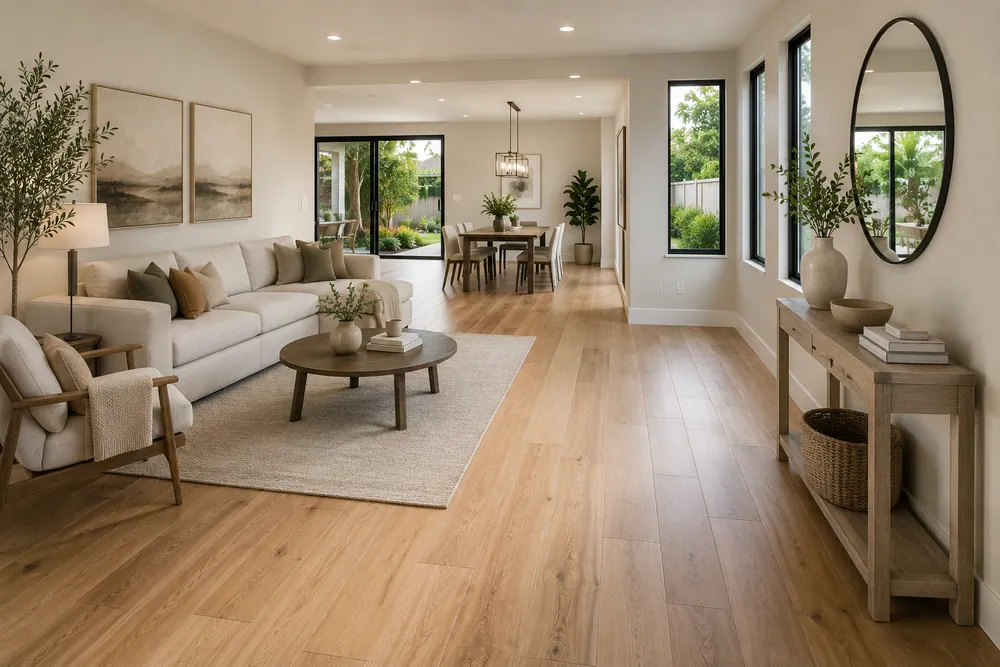
Install and refresh flooring throughout your home with materials built to last.
Learn MoreCurrent ServiceRefresh interior and exterior surfaces with professional, detail-oriented painting.
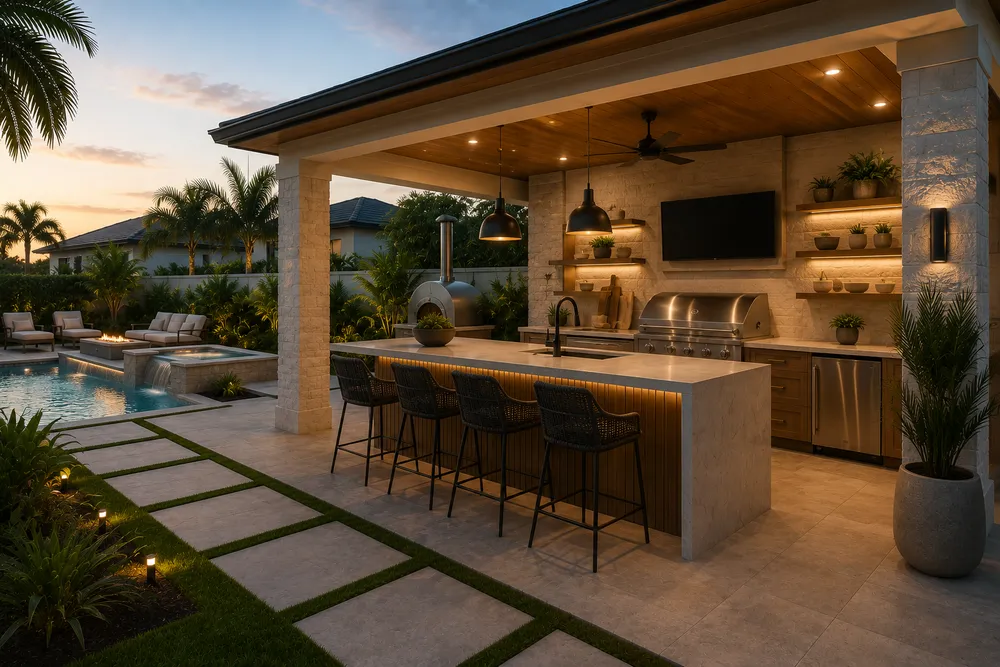
Create outdoor spaces designed for everyday living and relaxed entertaining.
Learn More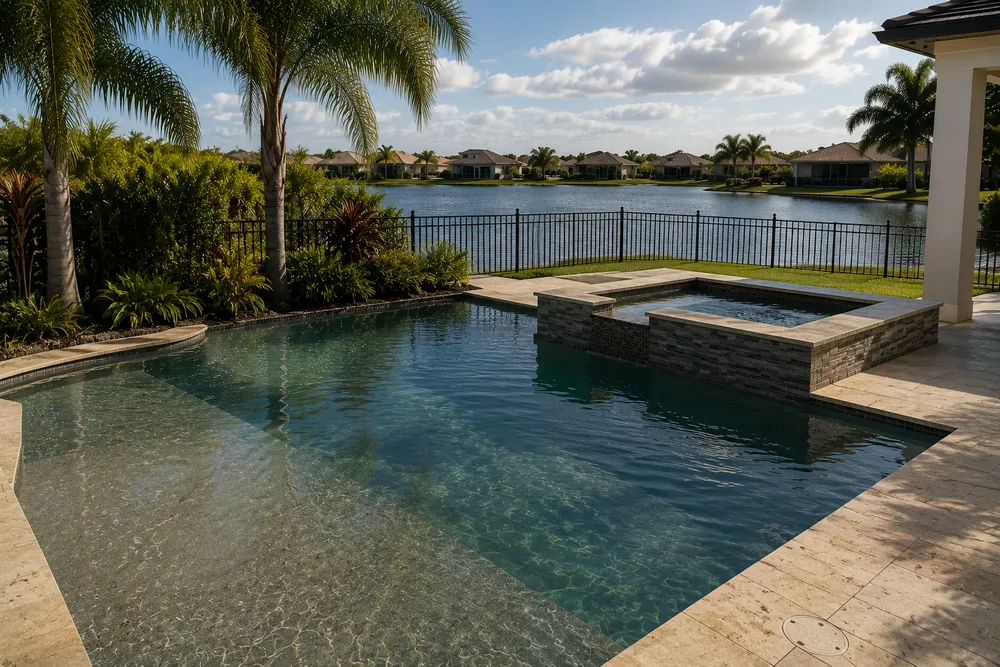
Design and build a custom pool tailored to your home and lifestyle.
Learn More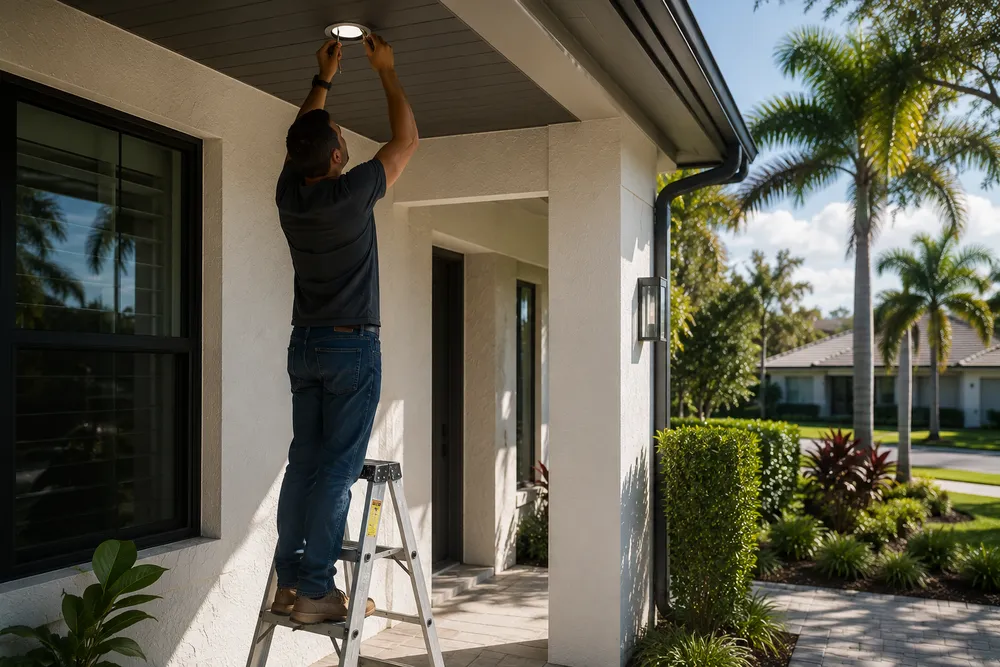
Handle everyday repairs and improvements with the same attention to detail as larger projects.
Learn MoreGet Started
Tell us about your project and our team will reach out to discuss the next steps.
Get your free estimate in less than 2 minutes
Prefer to talk it through first? Call or email us directly.
Working With Us
Houses in these neighborhoods rarely turn over quickly. Families move in, raise children here, and stay — and the walls carry the whole thing: the scuff line where a shoulder brushes the hallway corner, the ring of fingerprints around every light switch, a bedroom still wearing a color chosen when its occupant was seven, a garage door that has taken twenty summers head-on. Individually none of it is worth calling anyone about. Collectively it is why a house starts feeling older than it is.
That is the project we are usually asked to take on, and it is a satisfying one: not fixing damage, but resetting a home that has simply been used. We walk it with you, agree what gets included, and organize the work so bedrooms, kitchens, and desks stay usable throughout. Here is how that comes together.
Planning Ahead
Four practical points that shape the scope, the schedule, and how easy the project is to live with.
Nobody needs to walk a house to guess where it will be worst: the hallway a whole family funnels through, the corners a laundry basket clips every week, the wall behind the door handle, the switch plates, the baseboards at every doorway. Scoping by square footage misses all of it. We look at how the house is actually used, because a bedroom that has been quiet for a decade needs a fraction of the attention the hallway does — and pricing them the same either overcharges you or shortchanges the part that matters.
The most useful preparation is unglamorous: take down photographs and wall hangings, clear the tops of dressers and closet shelves if those rooms are included, pull anything fragile or irreplaceable out of the work zone yourself, and put small valuables away. Settle colors before day one rather than during it — a decision made under time pressure with a crew waiting is rarely the decision you would have made otherwise. And flag anything you already know is damaged; we would much rather see it on the walkthrough than find it behind a picture frame.
The deep blue that a nine-year-old picked, the red accent wall, the dark feature in the dining room — all of them are entirely coverable, and none of them go away in two ordinary coats. Depending on the color, it takes a tinted primer and sometimes an extra coat to stop the old shade ghosting through in certain light. That is a straightforward conversation to have upfront; the version to avoid is the quote that ignores it and then discovers it on the wall.
A stucco wall in direct summer sun gets hot enough that coatings applied to it skin over before they can flow out and bond, which produces exactly the lap marks and early failure people blame on the product. That is why exterior work follows the shade around a house rather than the clock, starting early on the elevations that will bake later and leaving the west face for the back end of the day. It looks like an odd sequence from the street. It is the reason the finish behaves.
Why SAVAM House
Every project follows a clear, structured process from first contact to final walkthrough.
We pay attention to the details that make a remodel feel finished and durable.
You'll always know what's happening with your project and what comes next.
We treat every property with the same care and respect as if it were our own.
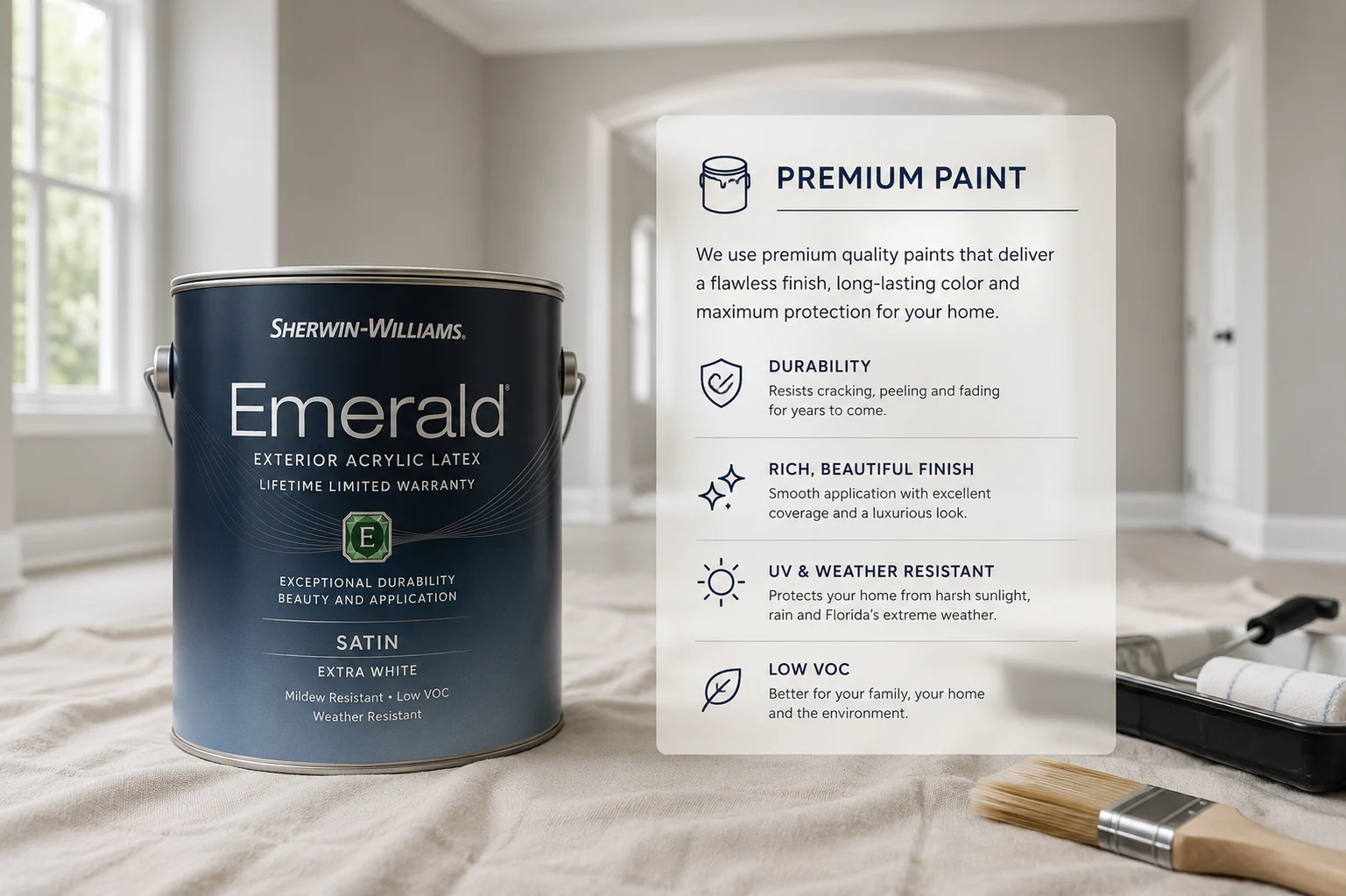 Durable Paint SystemsChosen for washability inside and UV resistance outside, and paired with the primer that suits whatever is already on the wall.
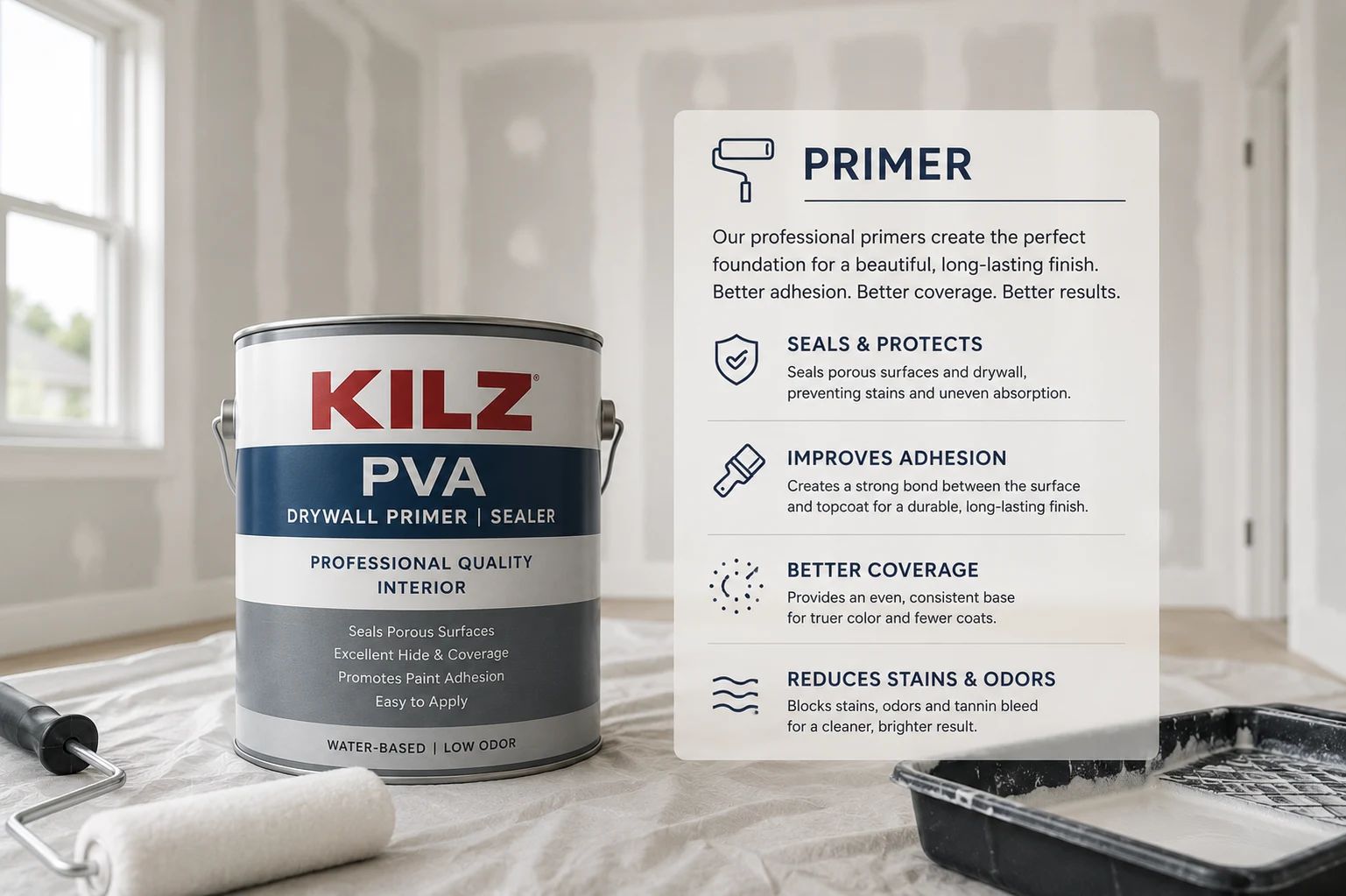 Primers and Stain BlockersSpecified for repairs, chalked stucco, and the deep colors that would otherwise ghost through a fresh finish.
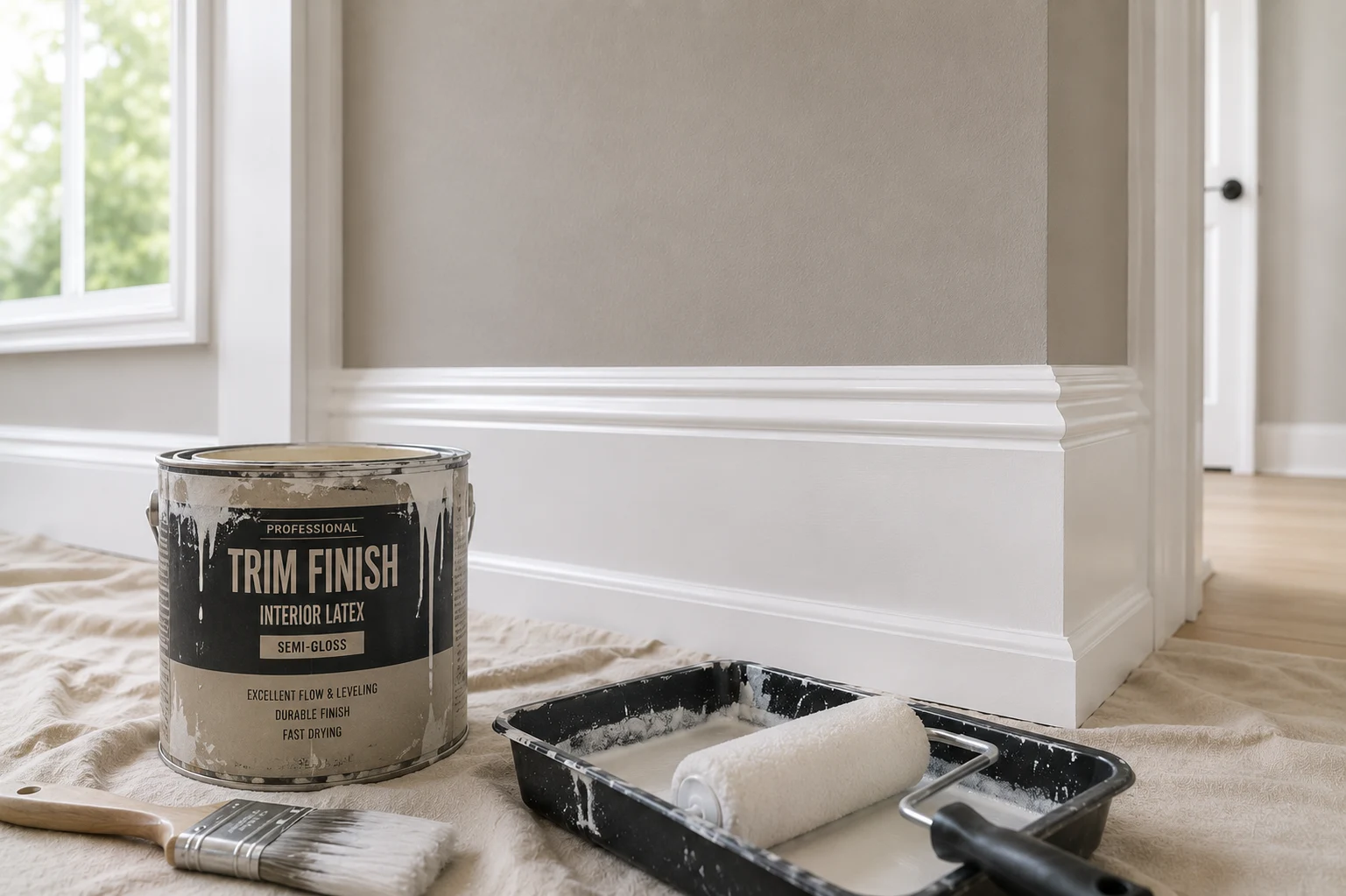 Trim, Door & Cabinet FinishesHarder finishes for baseboards, casings, and cabinetry — the surfaces a family touches every single day.
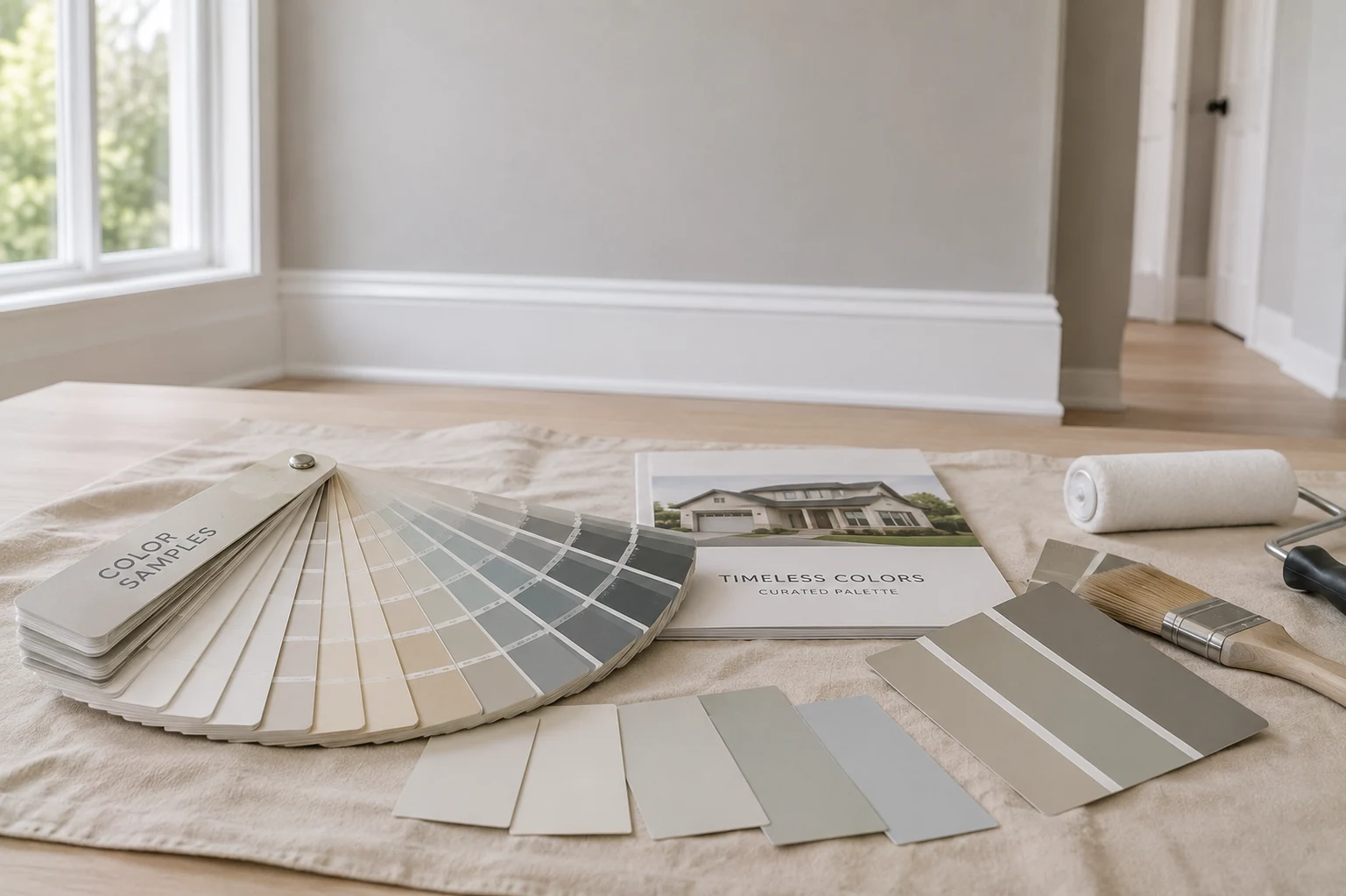 Color GuidanceA short list built around your floors, counters, and light, tested on the wall so the decision is made before the crew arrives.
Get Inspired
Three ways families here tend to approach it — resetting the interior, refreshing the exterior, or doing both under one palette.
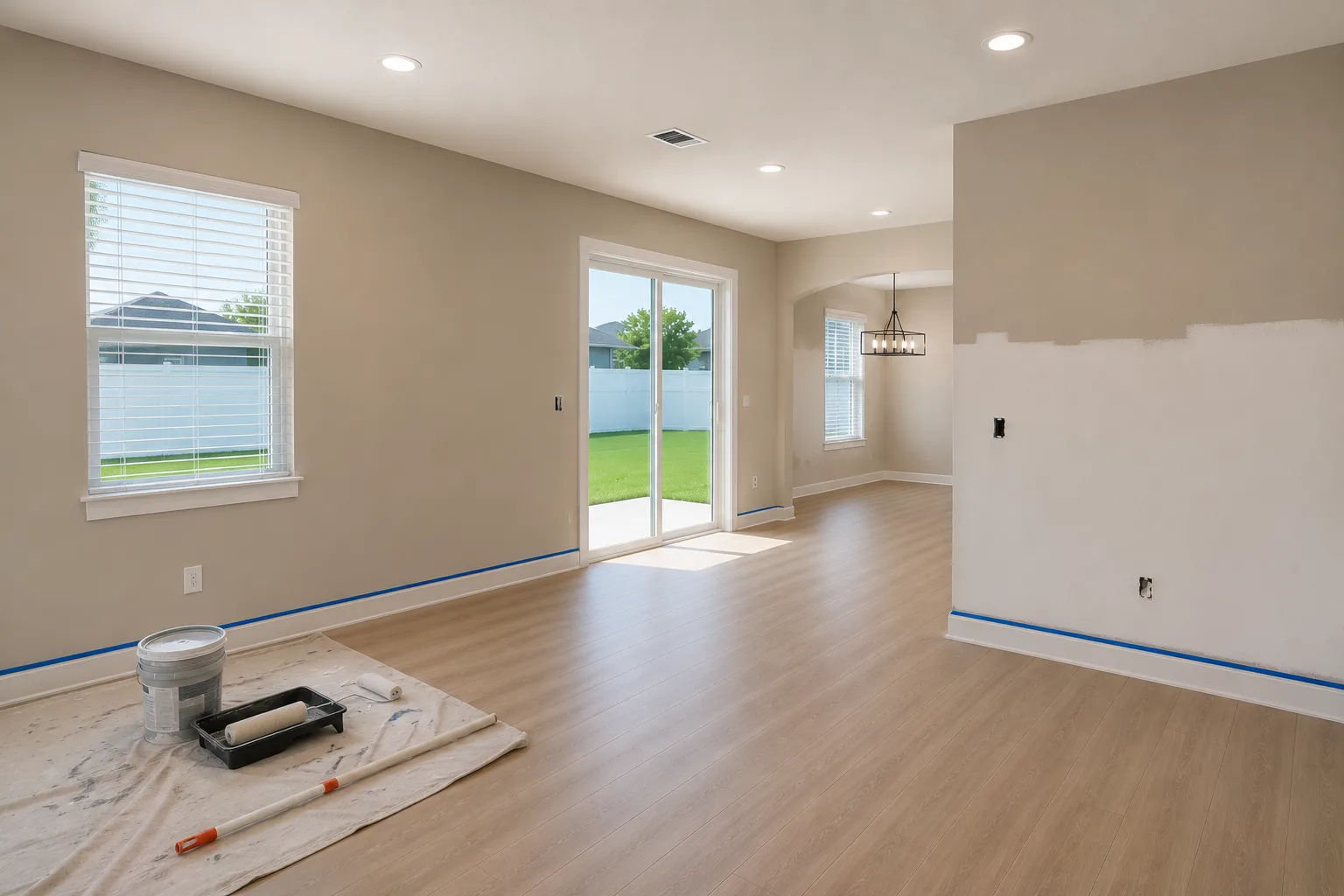
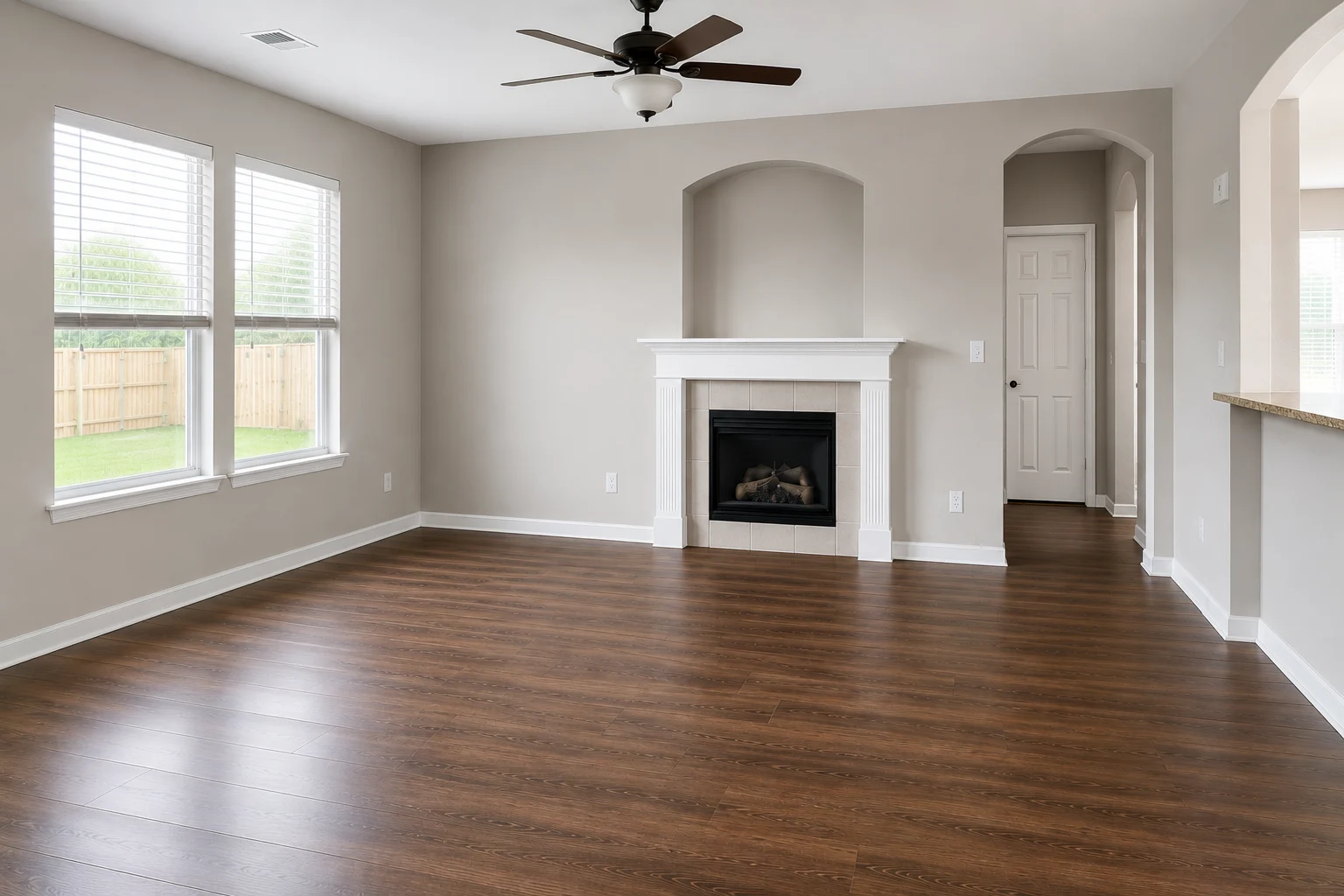 ConceptPaintingSoft Neutral Interior Concept
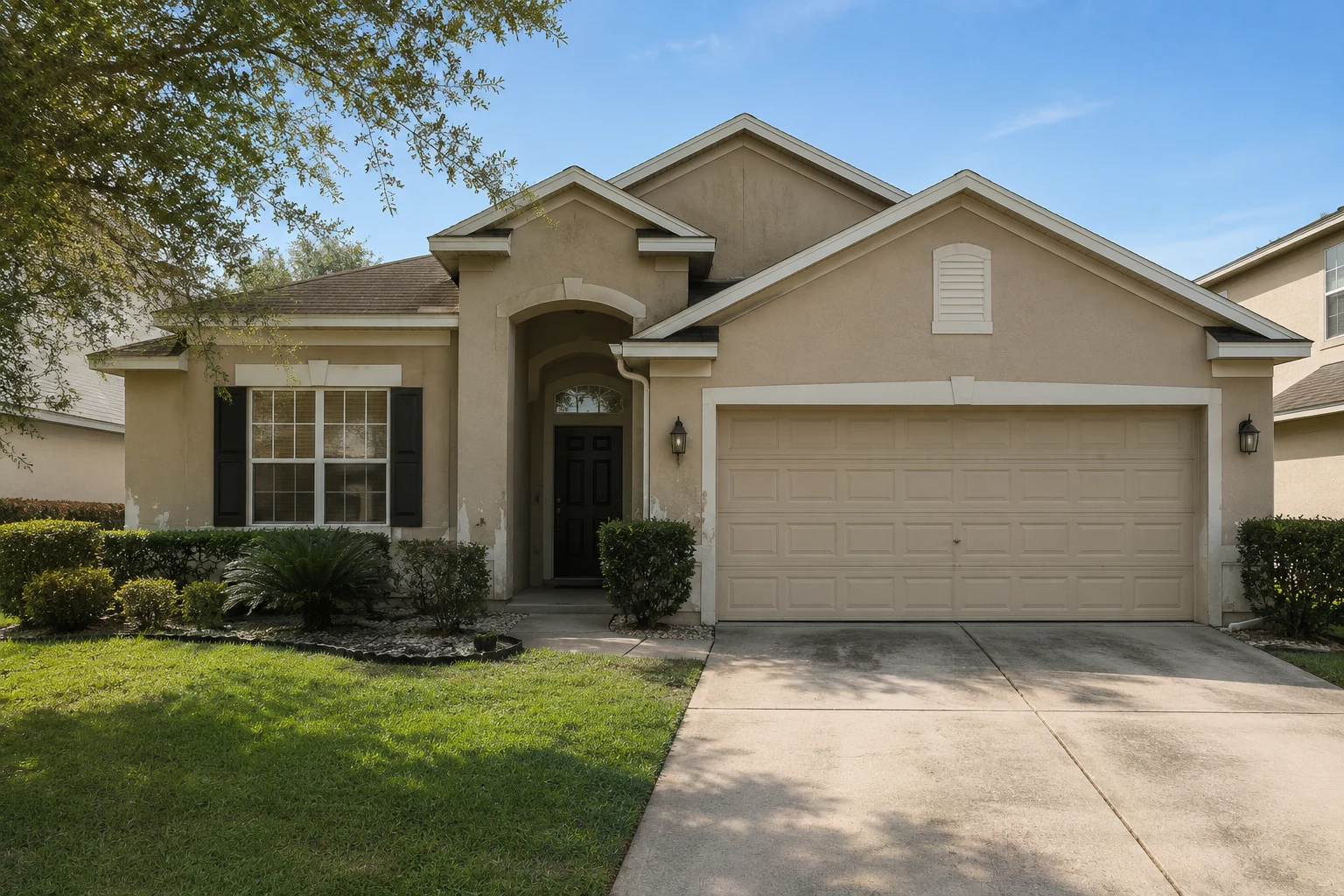
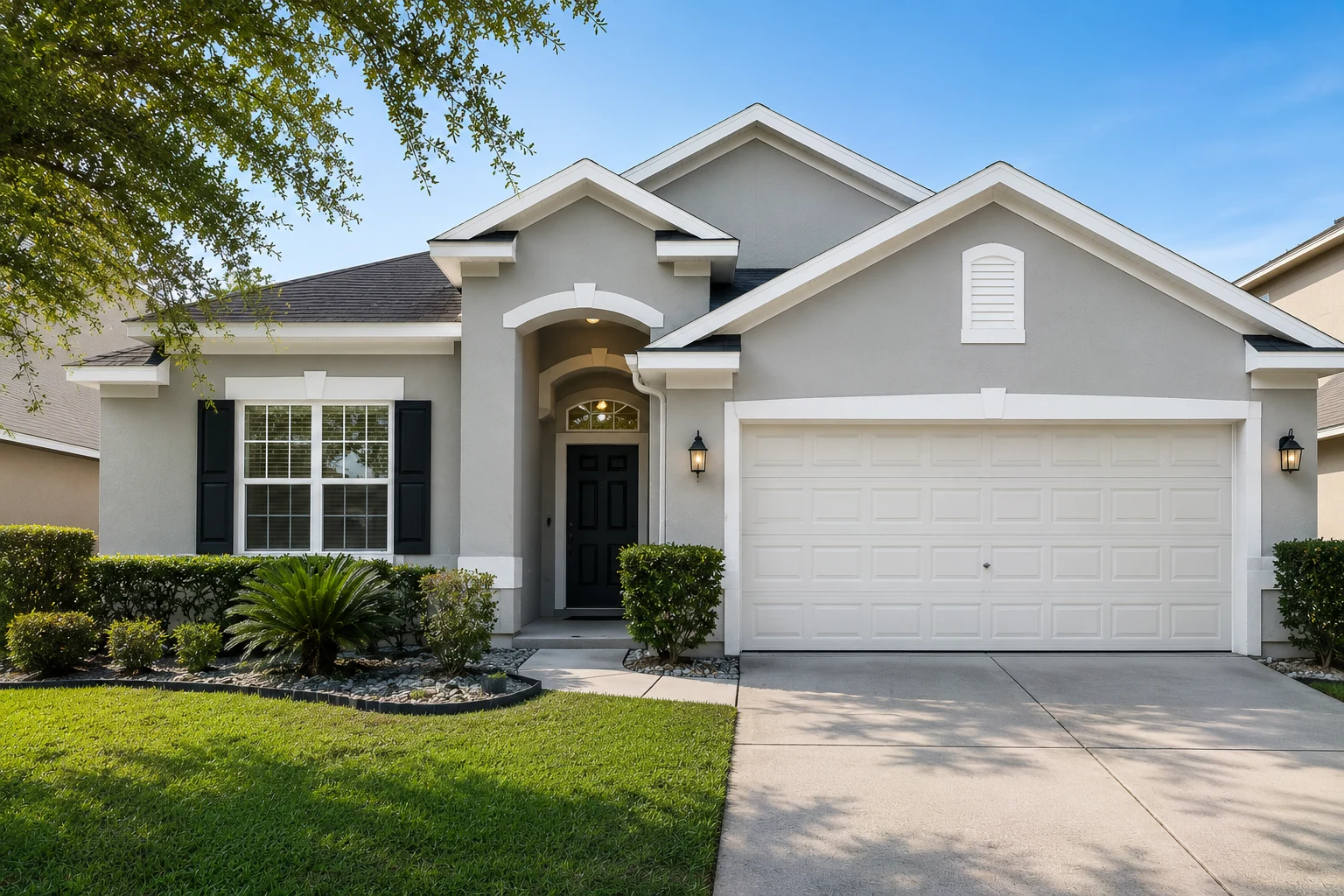
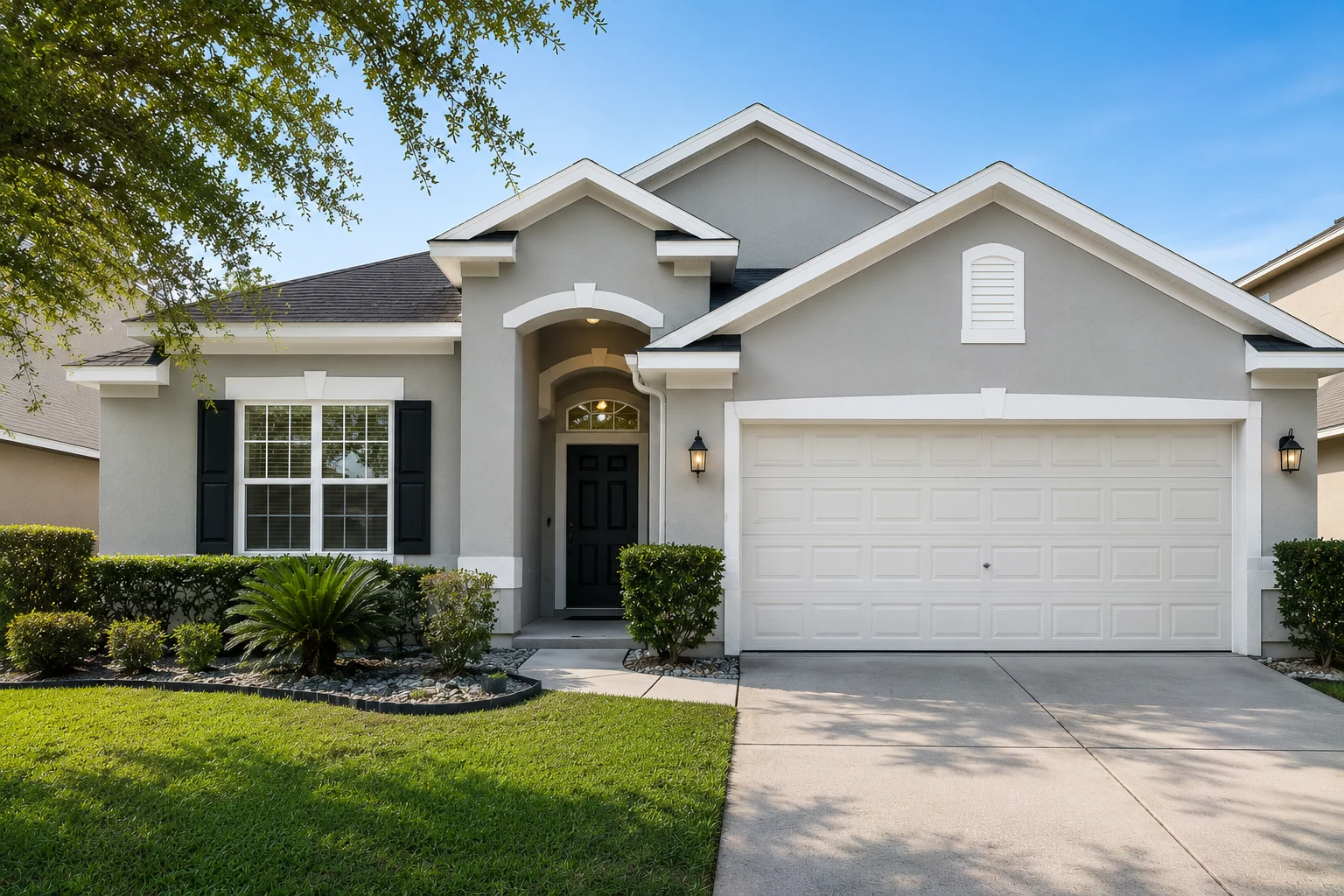
 ConceptPaintingRefreshed Stucco Exterior Concept
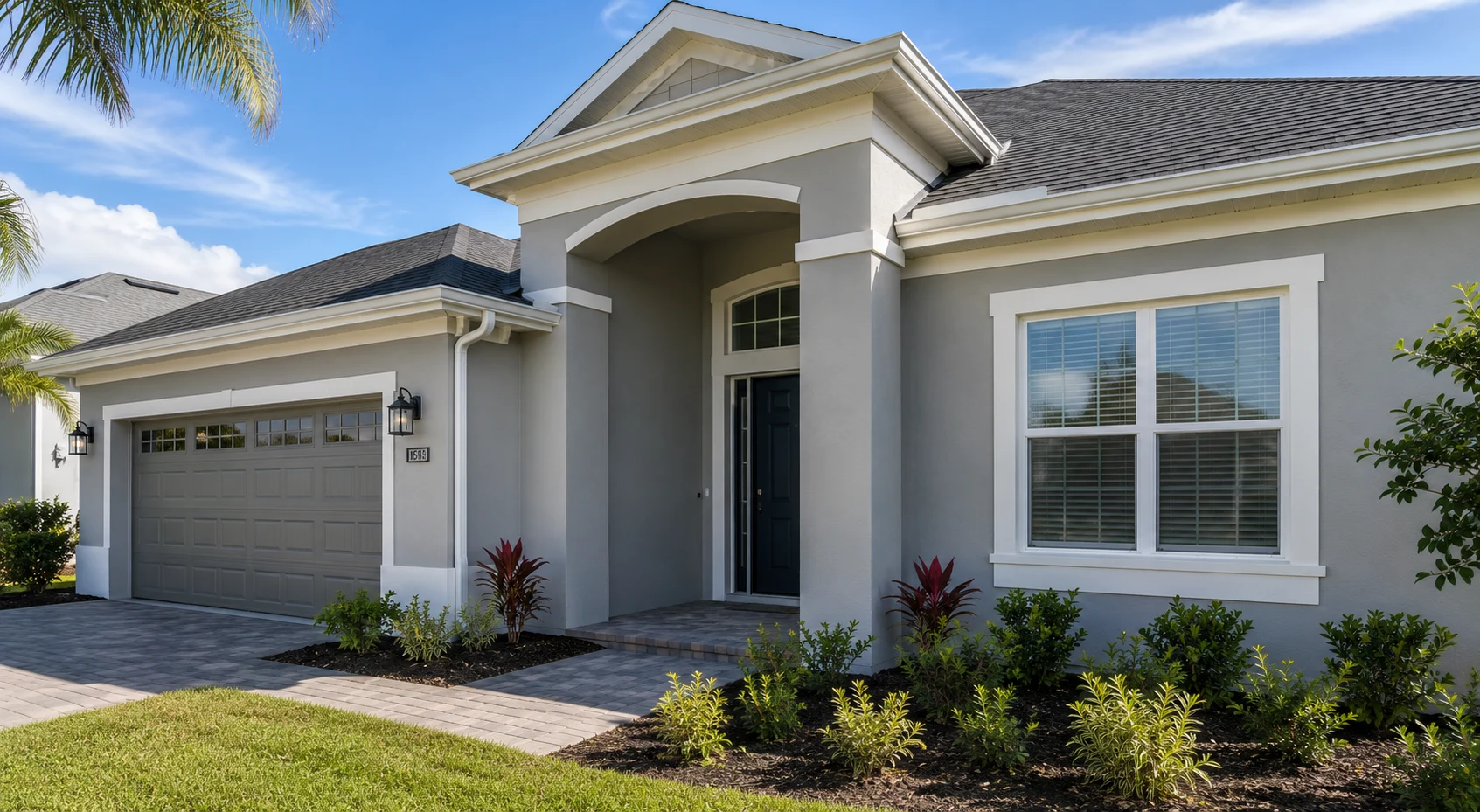
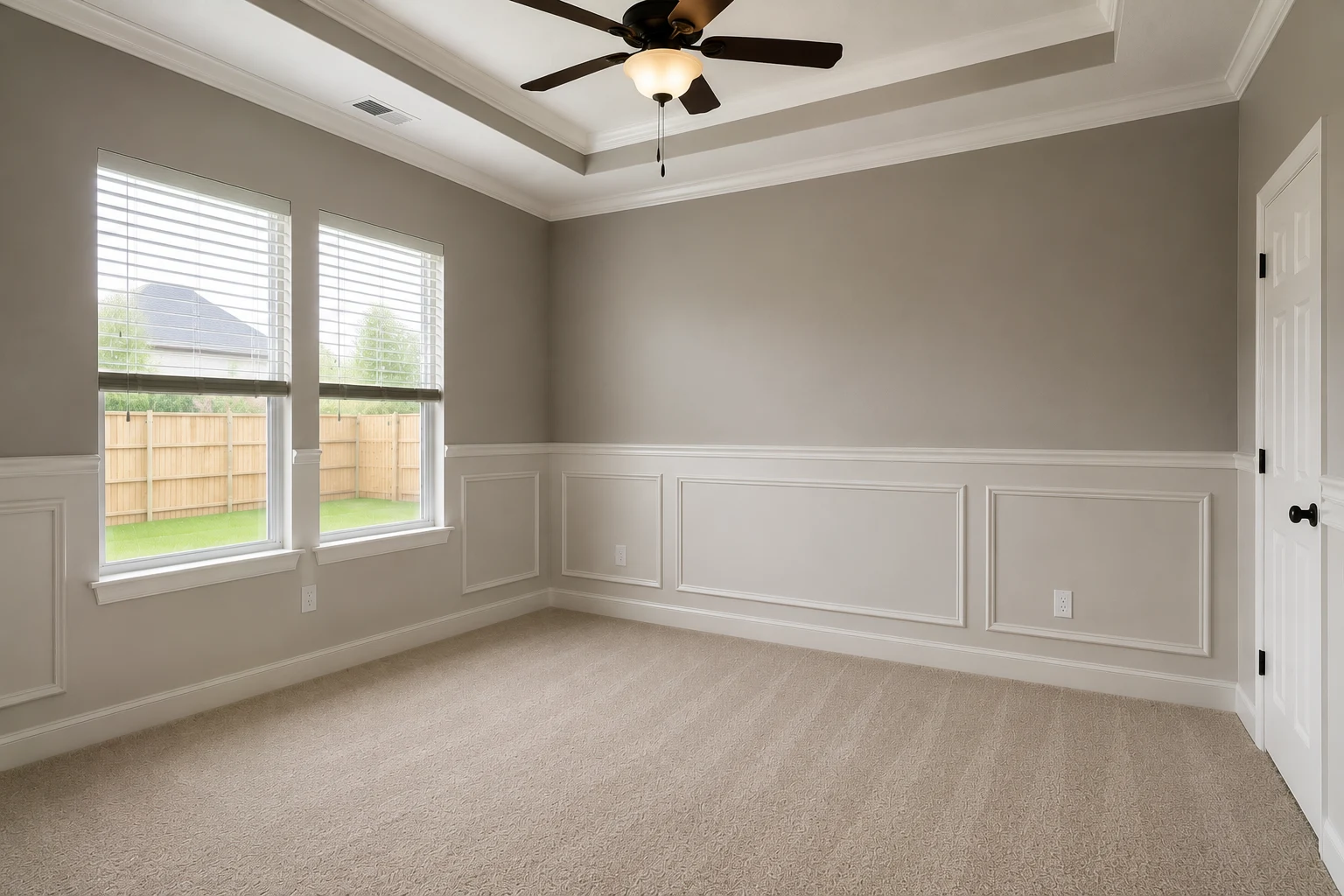
 ConceptPaintingCoordinated Whole-Home Palette Concept
These images are conceptual visualizations meant to illustrate the style and quality SAVAM House can deliver — not photographs of projects completed by our team.
Questions
Less than you might think, but a few things genuinely help. Take down artwork, photos, and anything hanging on the walls; clear the tops of dressers and any shelves in rooms we are painting; and move irreplaceable or fragile items out of the work area yourself rather than leaving them for us to handle. Beyond that, having colors settled before day one is the biggest favor you can do the project. We cover and move the rest.
It is the normal starting point, not a complication. Scuffed hallways, dinged corners, marked switch surrounds, and worn baseboards are what a family home looks like after a decade or two of actual use. All of it gets filled, sanded, and sealed as part of the preparation — the goal is a single continuous surface rather than a wall that reads as a series of repairs.
Coverable, but not in two ordinary coats — and any quote that assumes otherwise is going to run into it on the wall. Deep reds, navies, and strong saturated colors usually need a tinted primer first, sometimes plus an additional coat, to stop the old shade showing through under certain light. We identify those rooms during the walkthrough and price them properly rather than discovering the problem halfway through.
They can be, and in a family home they usually should be. Baseboards, door casings, and interior doors absorb far more contact than walls do — shoes, furniture, vacuum cleaners, everything. Freshly painted walls also have a way of making tired trim obvious. We break walls, ceilings, and trim out separately in the estimate so you can see what each element adds and decide from there.
It sets the working day. A stucco wall in direct summer sun can get hot enough that paint applied to it starts to set before it can flow out and bond properly, which is what causes lap marks and early failure. So we follow the shade around the house instead of the clock — early on the elevations that will bake later, west face toward the end of the day. It looks like an odd order from the outside and it is exactly why the finish holds.
Three things, none of which are visible afterward. The wall has to be genuinely clean, because aged coatings leave a chalky residue nothing will bond through. Cracks have to be opened and filled rather than bridged with paint. And the joints — window perimeters, trim junctions, control joints — have to be re-sealed so wind-driven rain cannot get behind the finish. Color is simply what you see of that work.
A quality washable finish in the right sheen, chosen by room rather than applied uniformly. Hallways, stairwells, kids’ rooms, and family bathrooms benefit enormously; a formal dining room that nobody touches does not need the same specification. The complaint we hear most is walls that mark or go shiny when wiped — that is builder-grade flat paint, and the right product solves it outright.
They run on different clocks. Interiors are usually driven by wear and by taste rather than by failure — a busy hallway may want attention long before a guest room does. Exteriors are driven by exposure: the sun-facing elevations chalk and flatten first. The practical test outside is your hand on a sunny wall; if it comes away powdery, the coating is breaking down rather than just looking tired.
Where the boxes and doors are structurally sound, yes — and after years of family cooking it transforms the room for a fraction of a remodel. The result rests entirely on preparation: cooking film has to come off completely, the surface needs scuffing so there is something to grip, and the primer has to suit the factory finish underneath. Rushed, it chips at the handles within a year. Done properly, it wears very well.
Many neighborhoods around Ocoee do require it, and the requirements differ from one association to the next — some hold an approved palette, others simply review what you submit. The timing matters more than the paperwork: that review runs on the board’s calendar and is often the longest item in an exterior project. Ask early, while you are still narrowing colors, and it costs you nothing.
The front elevation, the front door, and the garage door — usually in that order. The garage door is often the single largest painted surface facing the street and the one that shows sun damage soonest, so refreshing it changes the whole frontage disproportionately. Adding a considered front door color on top of a clean body color is the cheapest visual upgrade available to most houses.
Send us the basics through the form on this page — which rooms or exterior areas you have in mind, and what has prompted it. We will follow up to talk it through, and where it makes sense, come out and look at the house before putting any numbers to it.
Tell us which rooms or elevations you have in mind and we will walk the house, agree what is worth including, and build a schedule your family can live around.