
 Current Service
Garage Remodeling
Turn your garage into an organized, durable, and functional extension of your home.
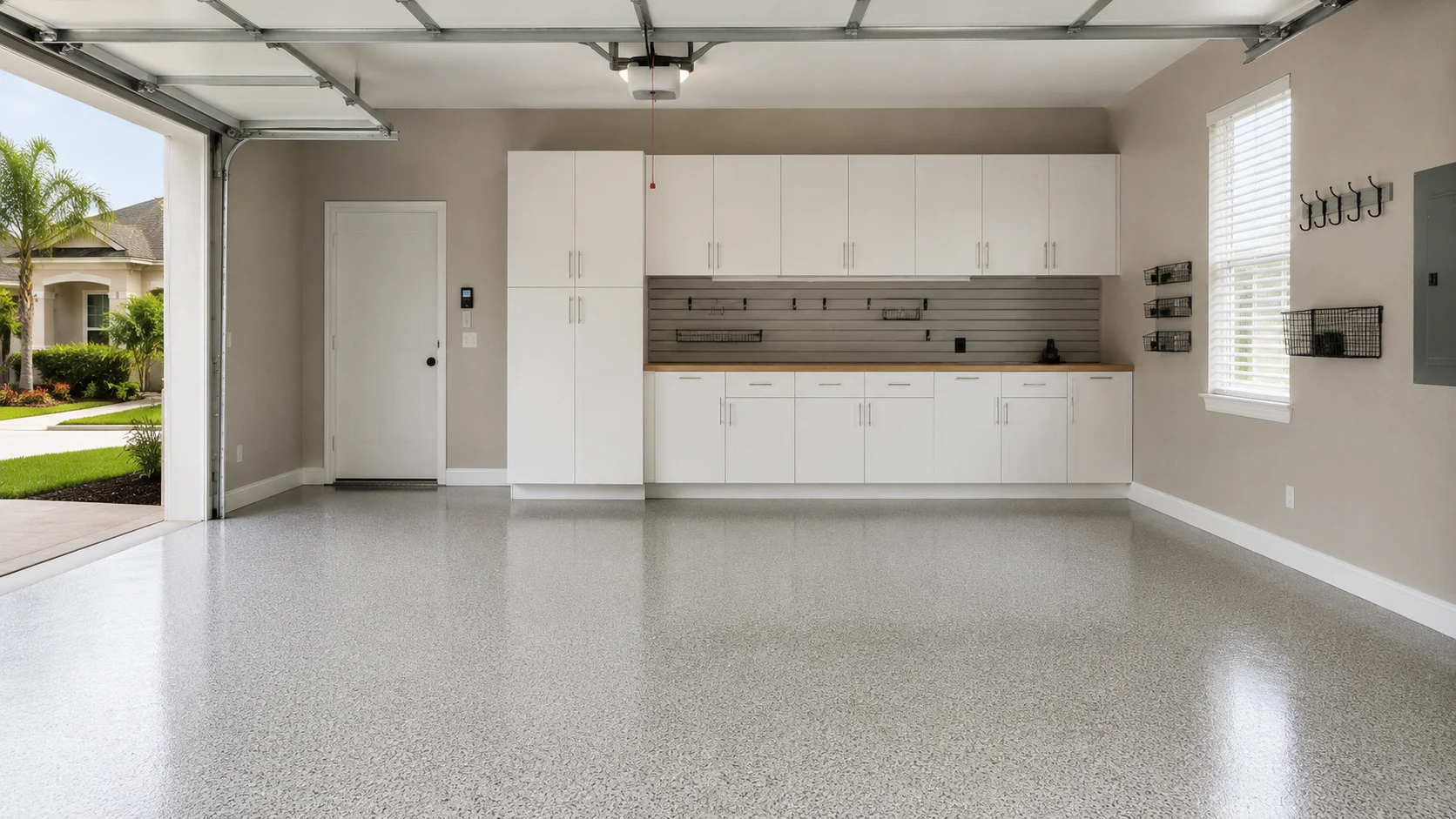
Garage Remodeling for Celebration Homes
A town built over a handful of years wears out over a handful of years. The shelving, the opener, the springs, the seals, the slab — in most of these houses they are all the original, all the same age, and all arriving at the same point together. That is an argument for replacing rather than patching, and for doing it in one pass.
Get Your Free EstimateFree In-Home Consultation
Organized Process
Every project follows a clear, structured process from first contact to final walkthrough.
Quality Craftsmanship
We pay attention to the details that make a remodel feel finished and durable.
Clear Communication
You'll always know what's happening with your project and what comes next.
Commitment to Your Home
We treat every property with the same care and respect as if it were our own.
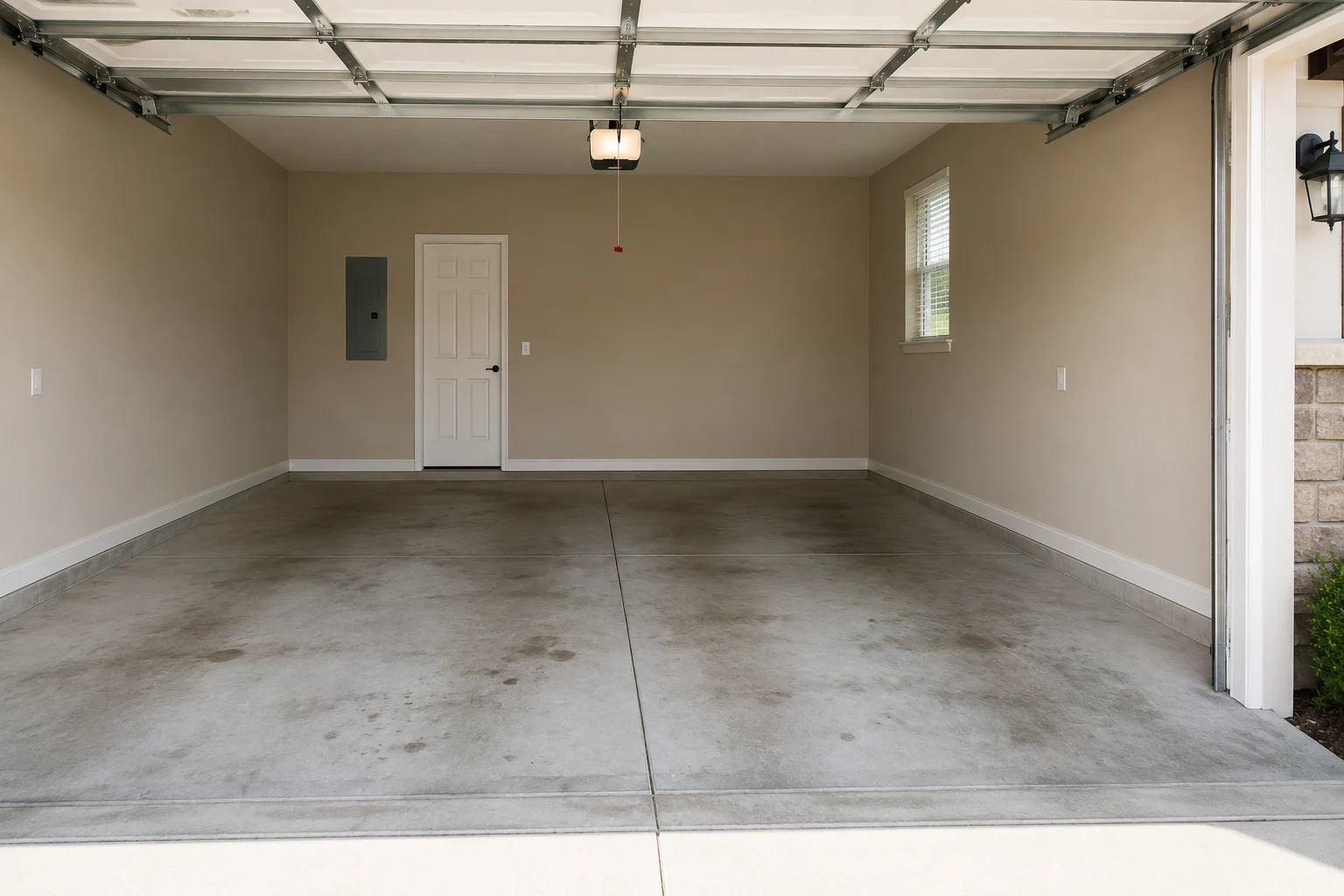
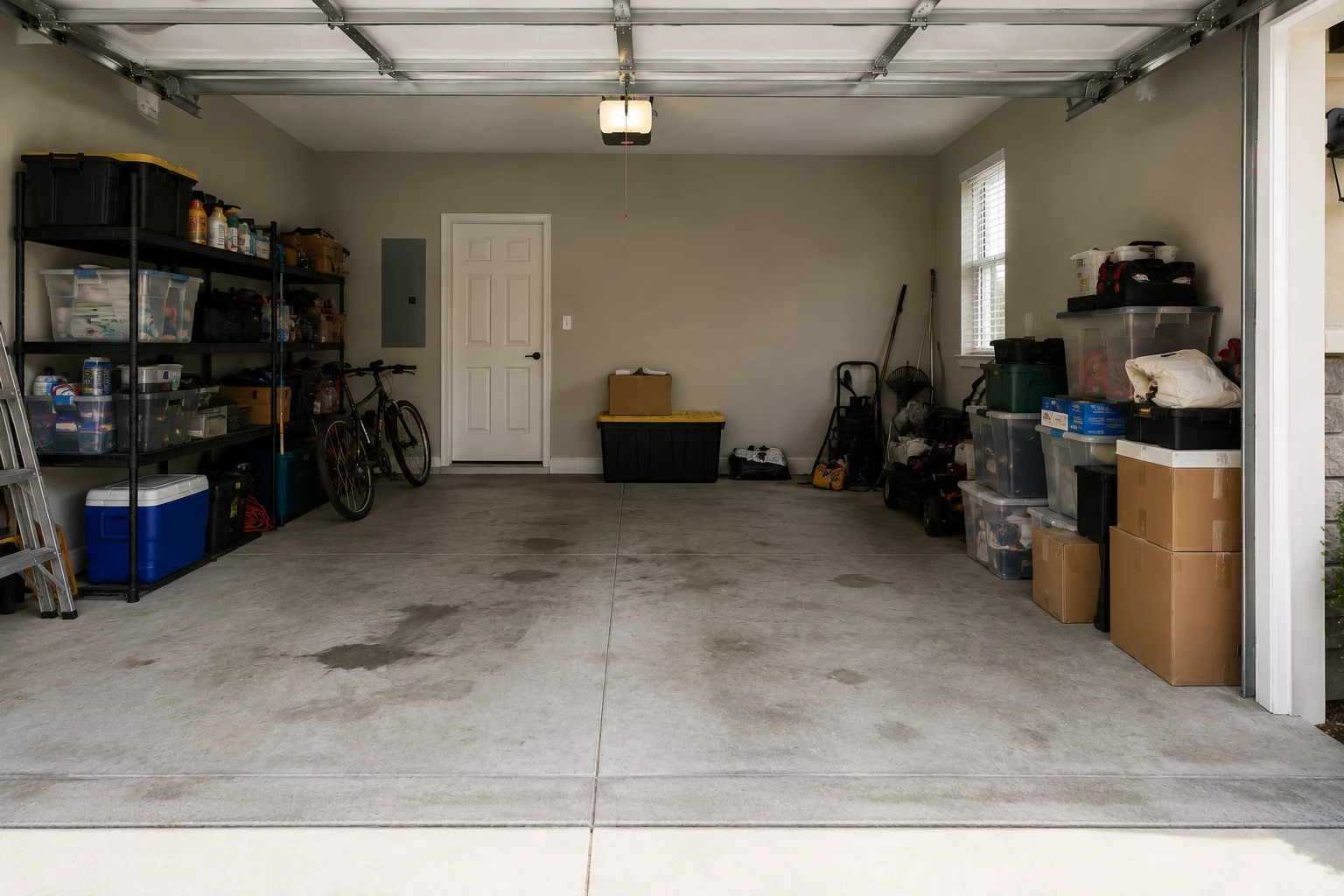
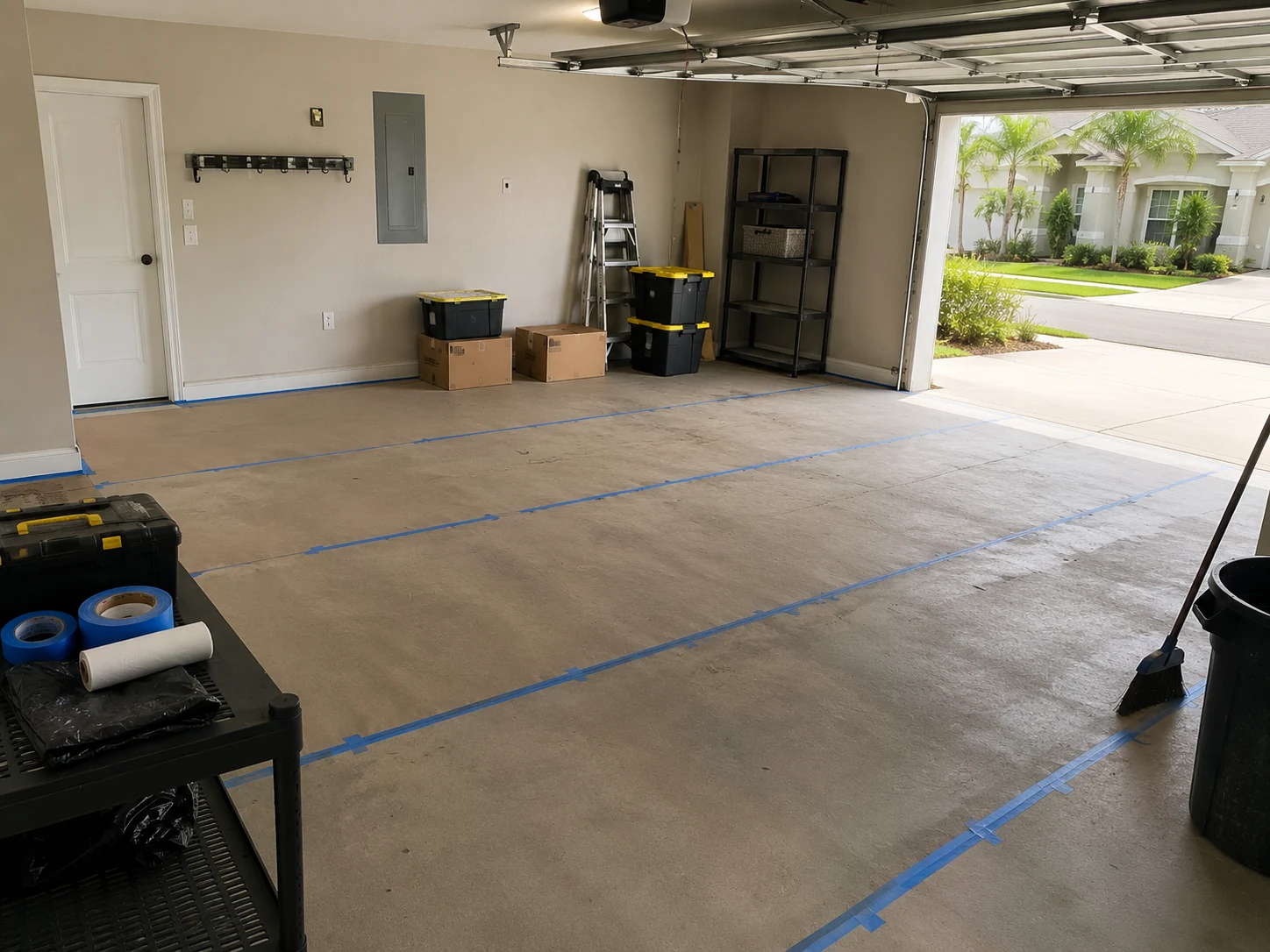 Stripping the Original
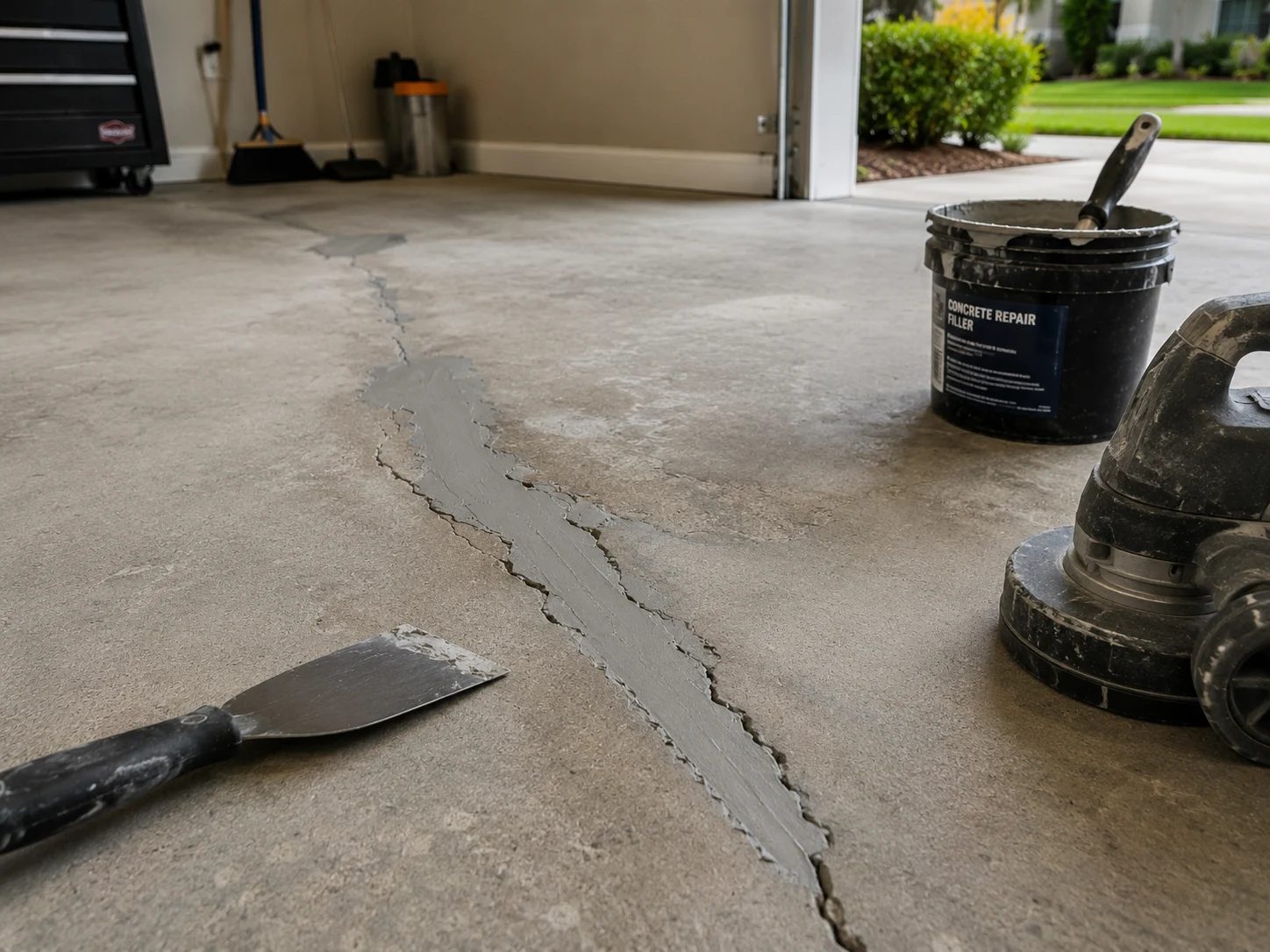 Reading What Is Left
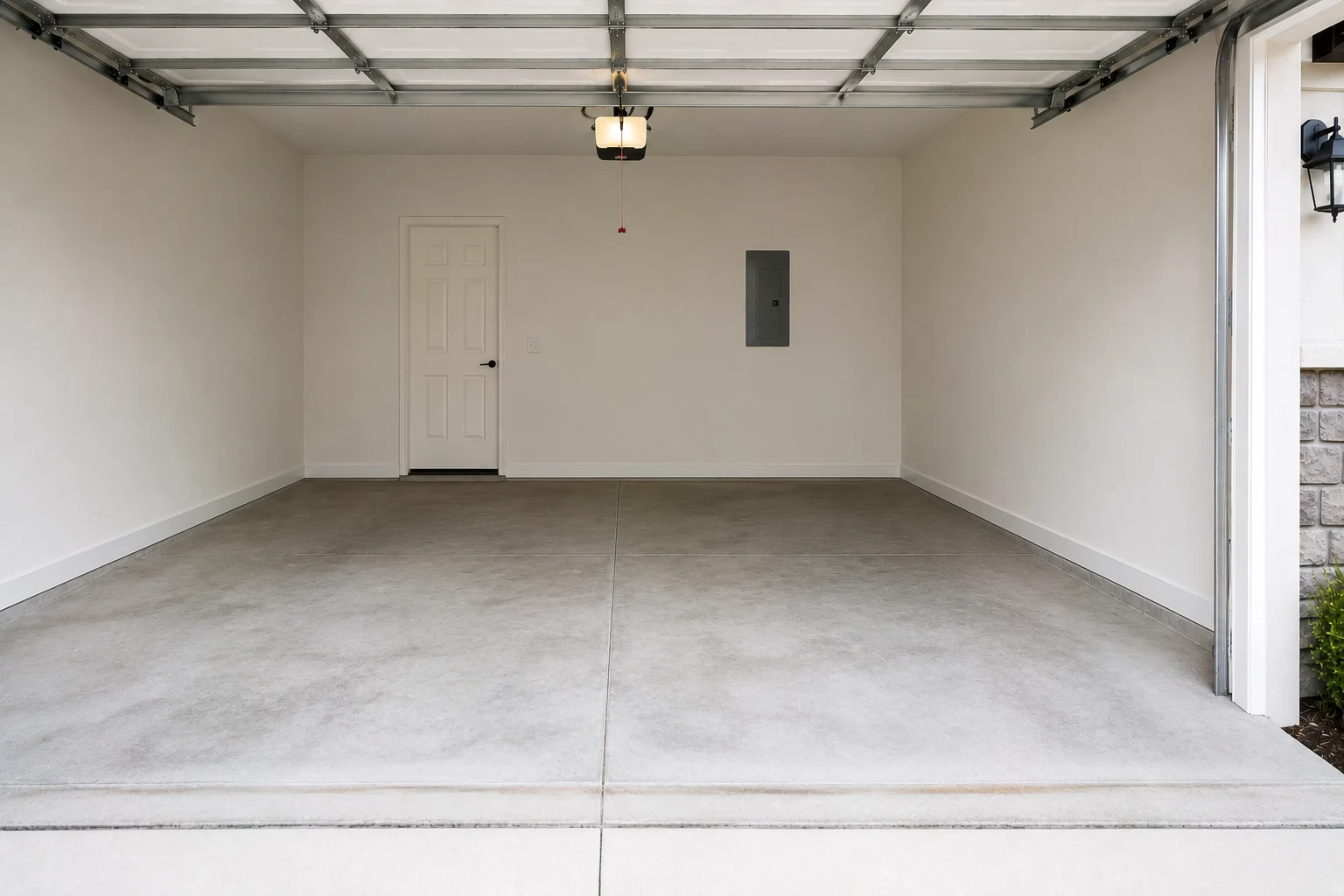
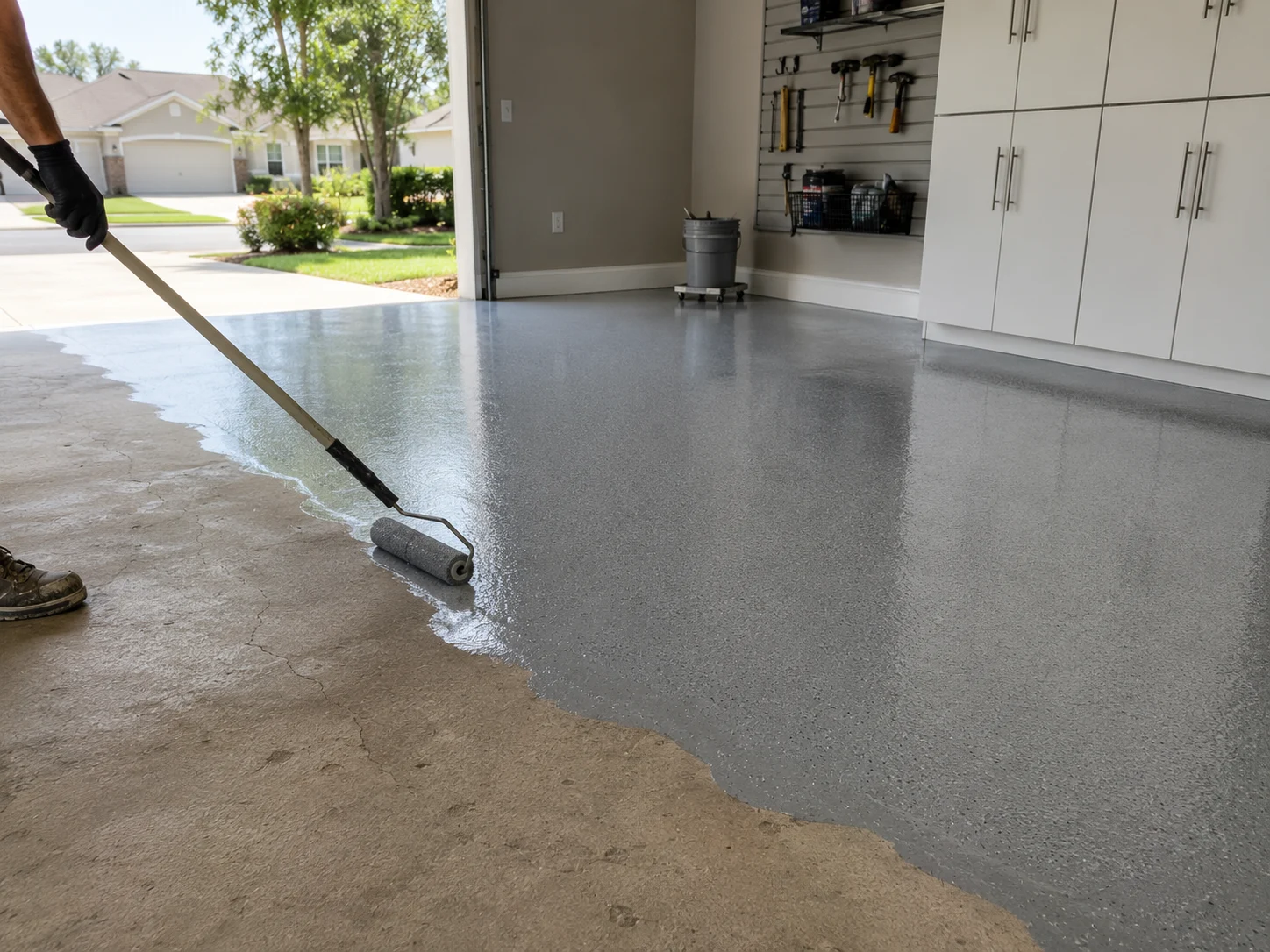 Refinishing the Floor
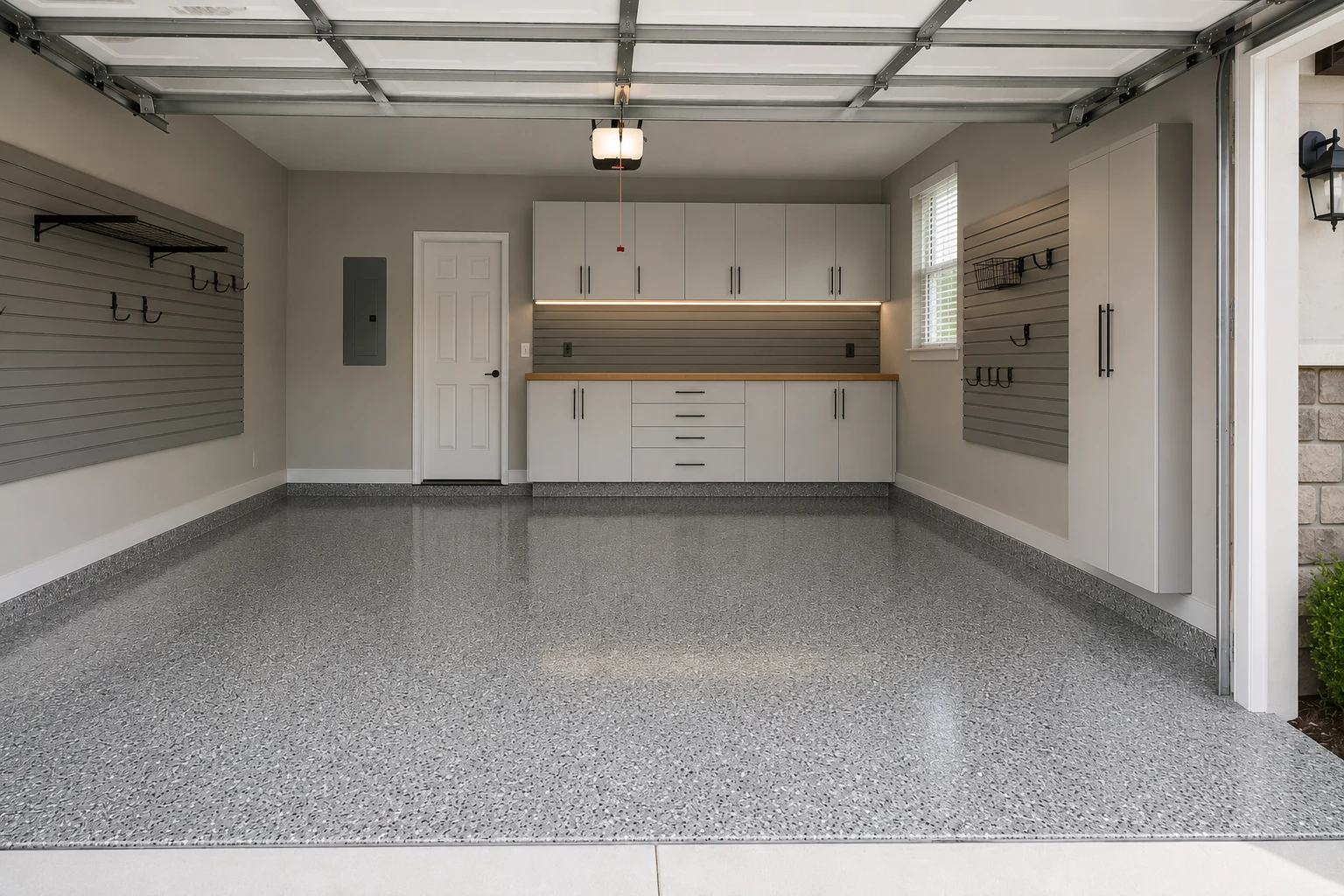
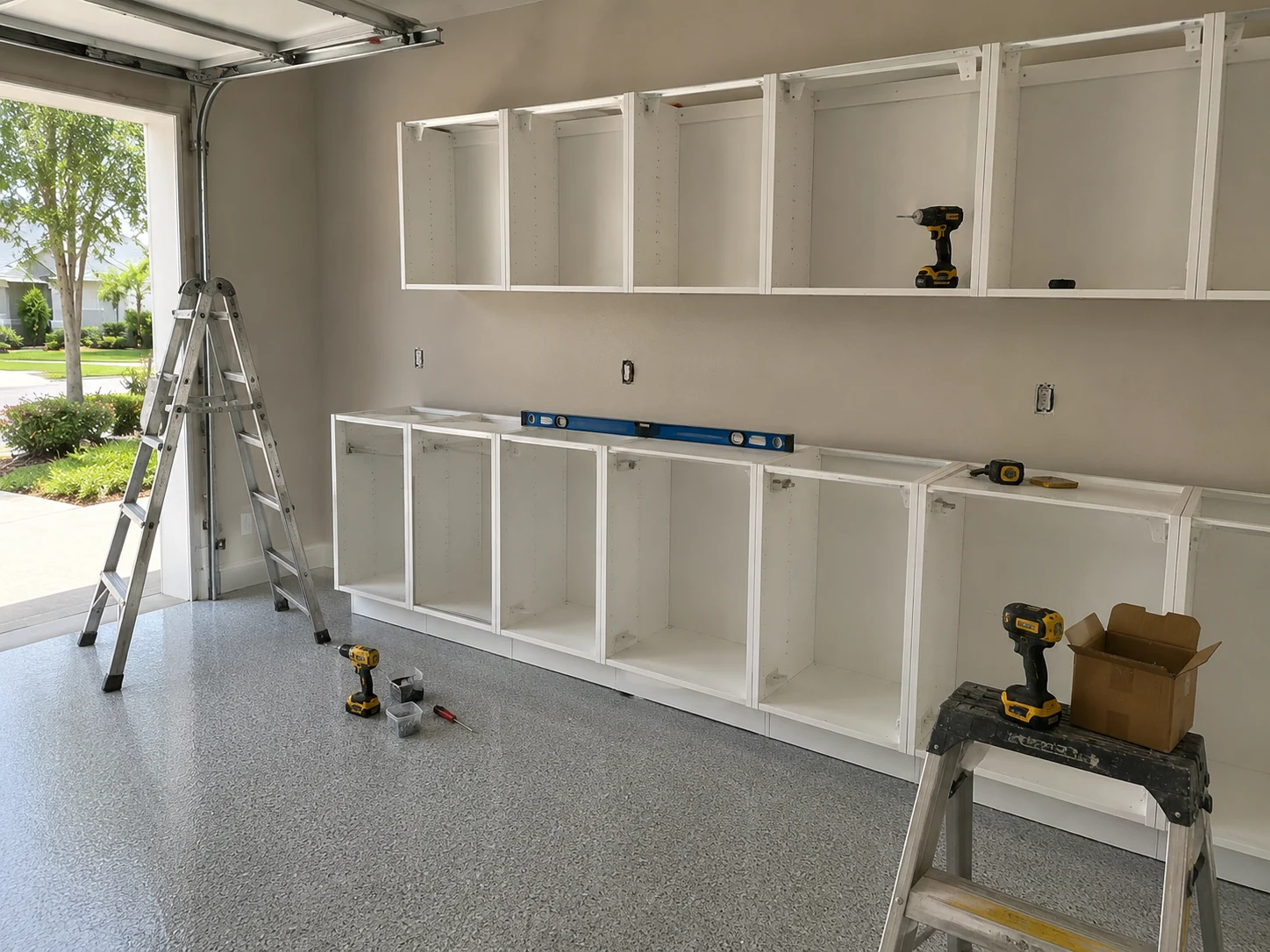 Installing the Replacement
Working With Us
We're not focused on being the biggest — we're focused on being organized, communicative, and easy to work with.
Your project starts with a clear plan, not guesswork.
You'll hear from a real person about the status of your project.
We treat the small details as seriously as the big decisions.
How It Works
We start by understanding your goals, your home, and the scope of your project.
We translate your vision into a clear, organized plan before any work begins.
You choose finishes and materials with guidance from our team.
Our team executes the project with attention to detail and clear communication.
We review the finished work together to make sure everything meets your expectations.
First Renewal
Nothing here had failed outright. It had simply all reached the same age at the same time, which is a different problem and a better moment to act on.
What Renewal Buys
These all follow from treating the bay as a single item reaching the end of its first life, instead of a series of small repairs waiting their turn.
Renewed Together
In a house where everything was installed in the same year, the garage is rarely the only thing arriving at the end of its first life.
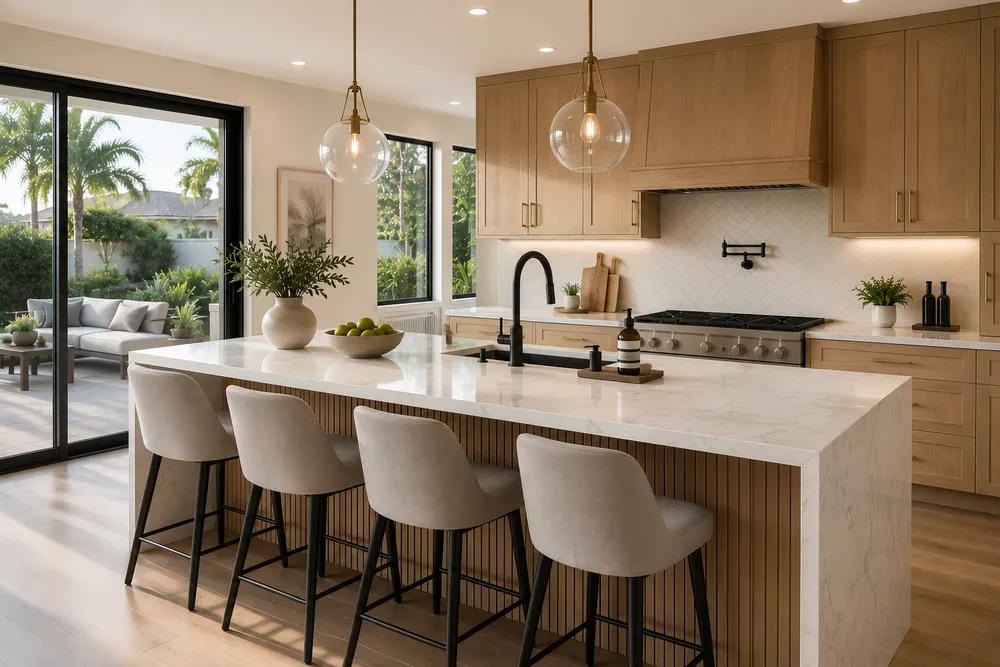
Transform the heart of your home with a kitchen that blends functionality, craftsmanship, and modern design.
Learn More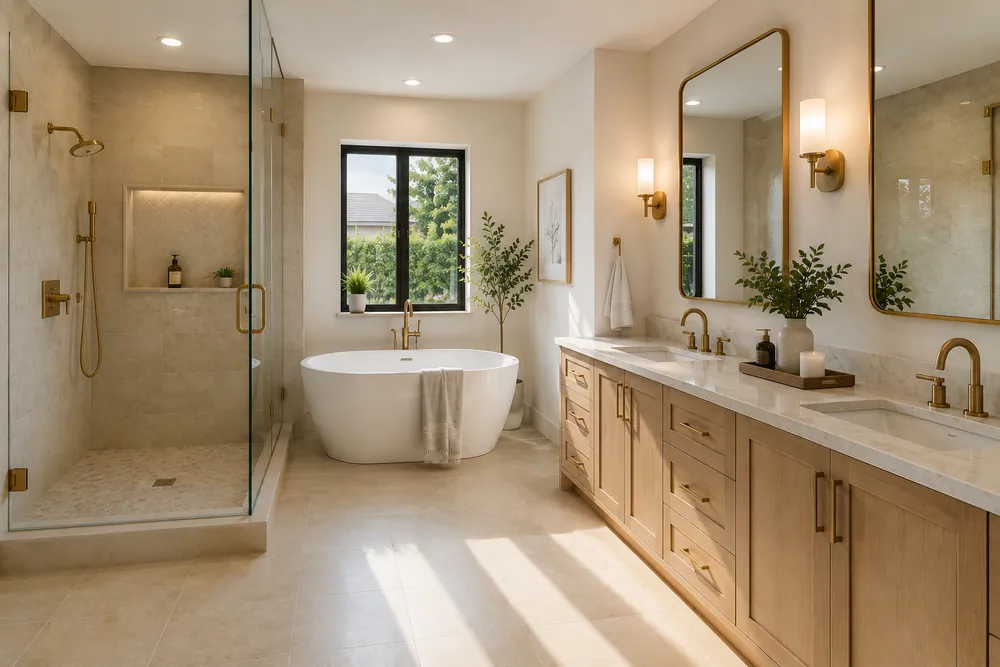
Modernize your bathroom with thoughtful layouts, quality finishes, and lasting comfort.
Learn More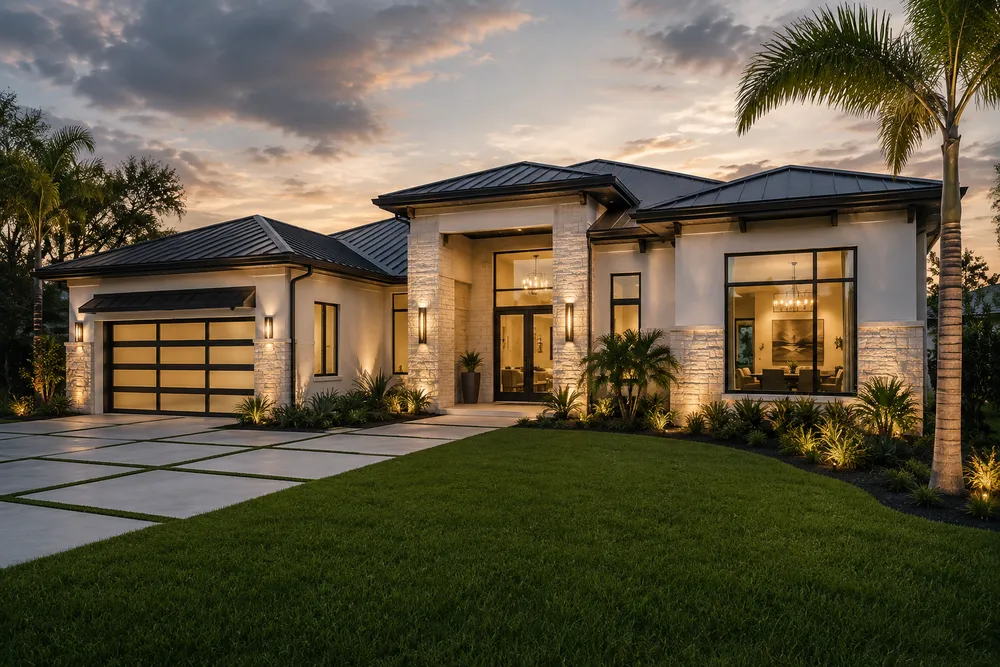
Coordinate a complete transformation of your home, from layout to finishing details.
Learn MoreCurrent ServiceTurn your garage into an organized, durable, and functional extension of your home.
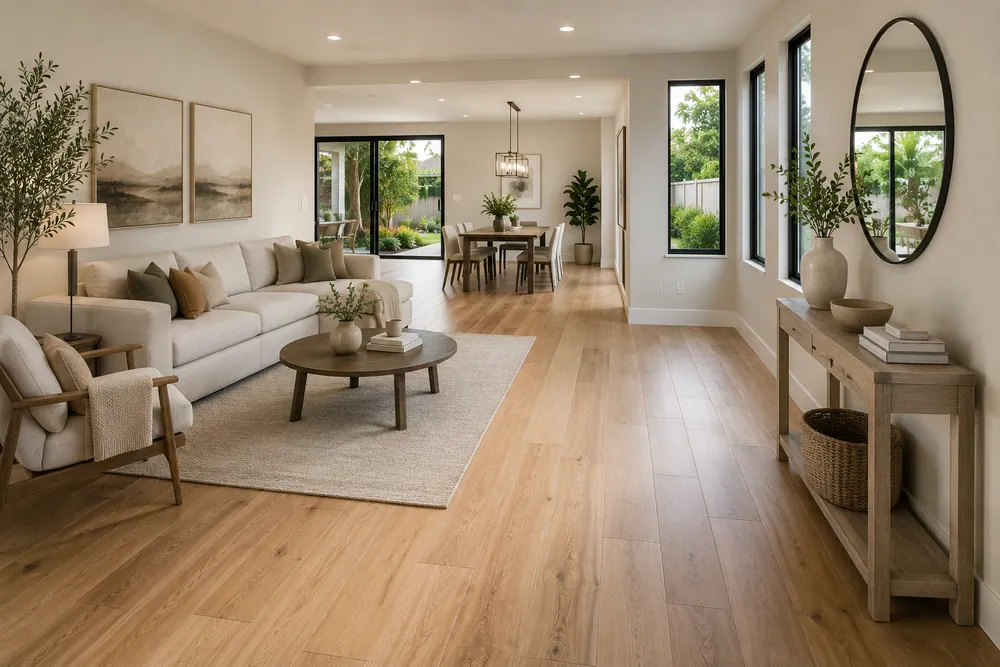
Install and refresh flooring throughout your home with materials built to last.
Learn More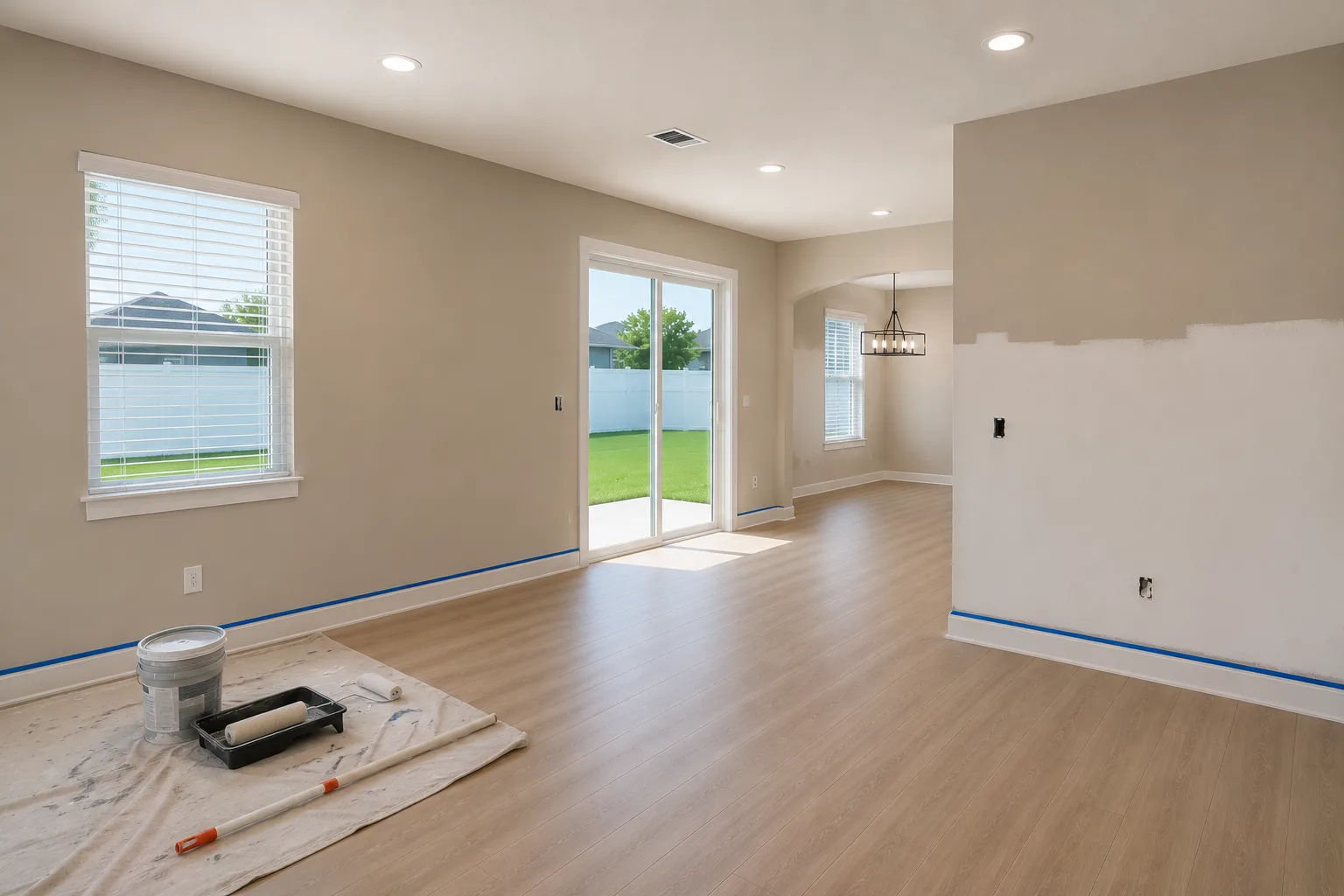
Refresh interior and exterior surfaces with professional, detail-oriented painting.
Learn More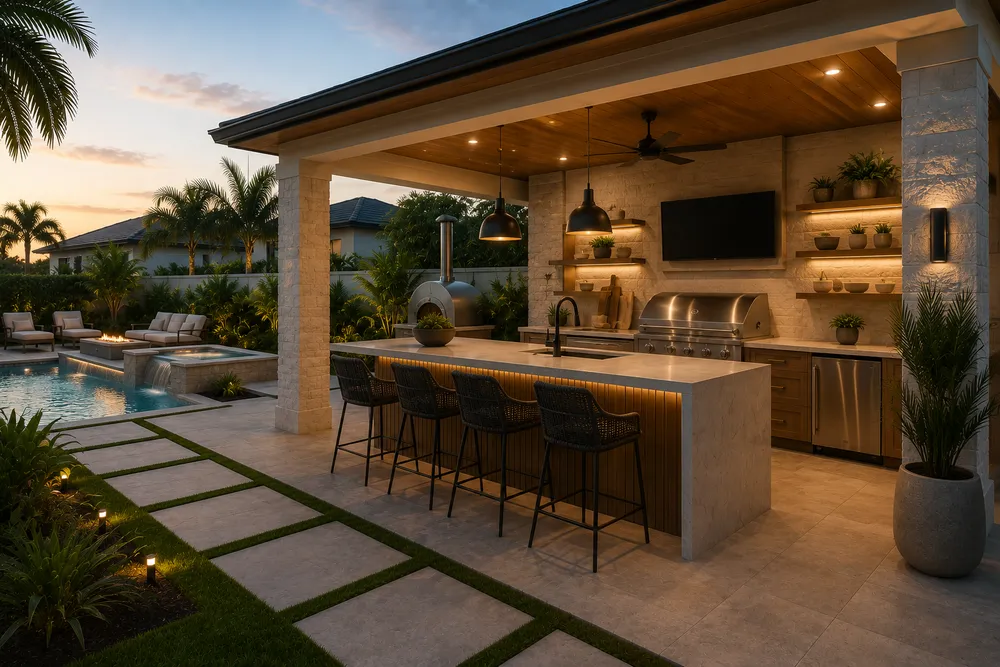
Create outdoor spaces designed for everyday living and relaxed entertaining.
Learn More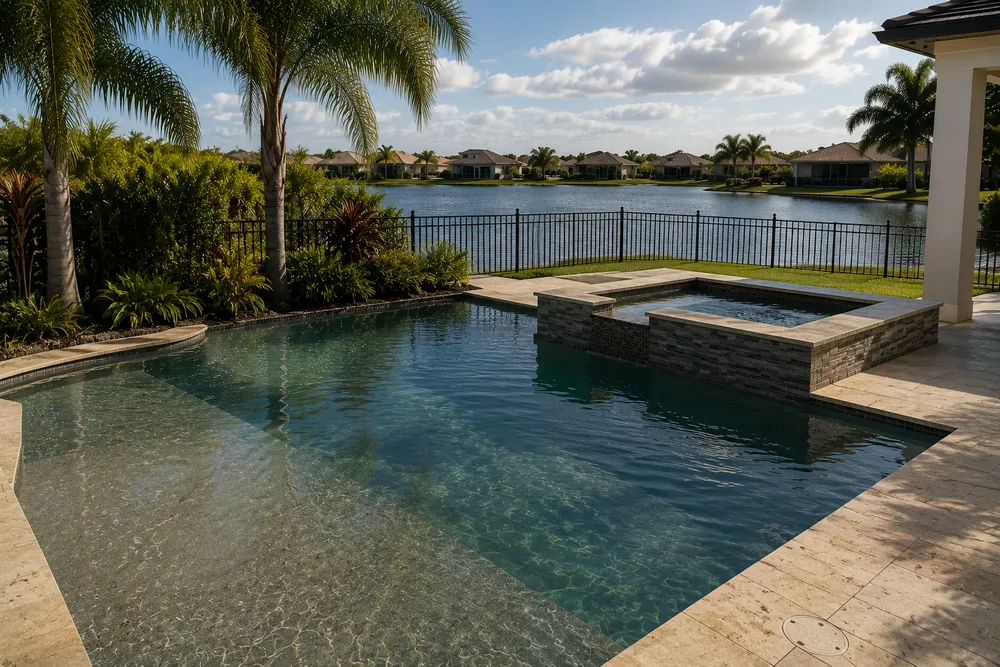
Design and build a custom pool tailored to your home and lifestyle.
Learn More
Handle everyday repairs and improvements with the same attention to detail as larger projects.
Learn MoreGet Started
Tell us about your project and our team will reach out to discuss the next steps.
Get your free estimate in less than 2 minutes
Prefer to talk it through first? Call or email us directly.
Why Now
Celebration is unusual in that almost nothing here arrived gradually. Streets went up in sequence over a compressed span, to a consistent pattern, with the same components fitted throughout. That produced a town of remarkable coherence — and it also means that the things with a service life are all measuring out that life on the same clock. Walk a street here and the garage doors were hung the same year, the openers were installed the same year, and the shelving inside went up the same year.
Which is why we see the same conversation repeatedly. Nothing has dramatically failed; it is just that the springs are tired, the seals have gone hard, the shelving has taken a set, the slab has never been finished, and the lighting was specified when a single fixture was considered adequate. Individually, none of it is urgent. Collectively, it is the moment a garage is due its first proper renewal — and doing it in one pass is both cheaper and considerably less disruptive than five separate call-outs across three years.
Planning Ahead
Four things worth establishing before the work is scoped. Together they are what turns a renewal into one project instead of several.
The temptation is to fix whichever component is complaining loudest and leave the rest. In a house where everything was installed in the same year, that just guarantees the next one complains shortly afterwards. Springs, rollers, seals, opener, shelving, lighting, and slab finish are all measuring out the same lifespan. Assess them as a set, replace what is genuinely at the end, and you get one disruption rather than a rolling series of them.
Storage installed when the house was new reflects what a household was assumed to own then — fewer, smaller, lighter things, and no expectation of a second appliance or anything that charges. Renewal is the moment to size it for the family living there now. That usually means less shelving and more closed storage, deeper thinking about weight, and a serious look at how much electrical provision the bay actually has.
In a town with a consistent design framework it is worth establishing early what applies to your property and what does not. As a rule, interior work sits outside it — the concern is what the street and the shared spaces see. Anything touching the door itself, its colour, or exterior lighting is a different matter. Requirements vary and change, so we confirm rather than assume, and we would always rather establish that before scheduling than during.
Tell us the age of the house and whether anything in the garage has already been replaced; what the door has been doing lately, since that is usually the earliest warning; what the household stores now compared with when you moved in; and whether this is a standalone project or part of a wider renewal. That last point often changes the sequence more than the scope.
Why SAVAM House
Every project follows a clear, structured process from first contact to final walkthrough.
We pay attention to the details that make a remodel feel finished and durable.
You'll always know what's happening with your project and what comes next.
We treat every property with the same care and respect as if it were our own.
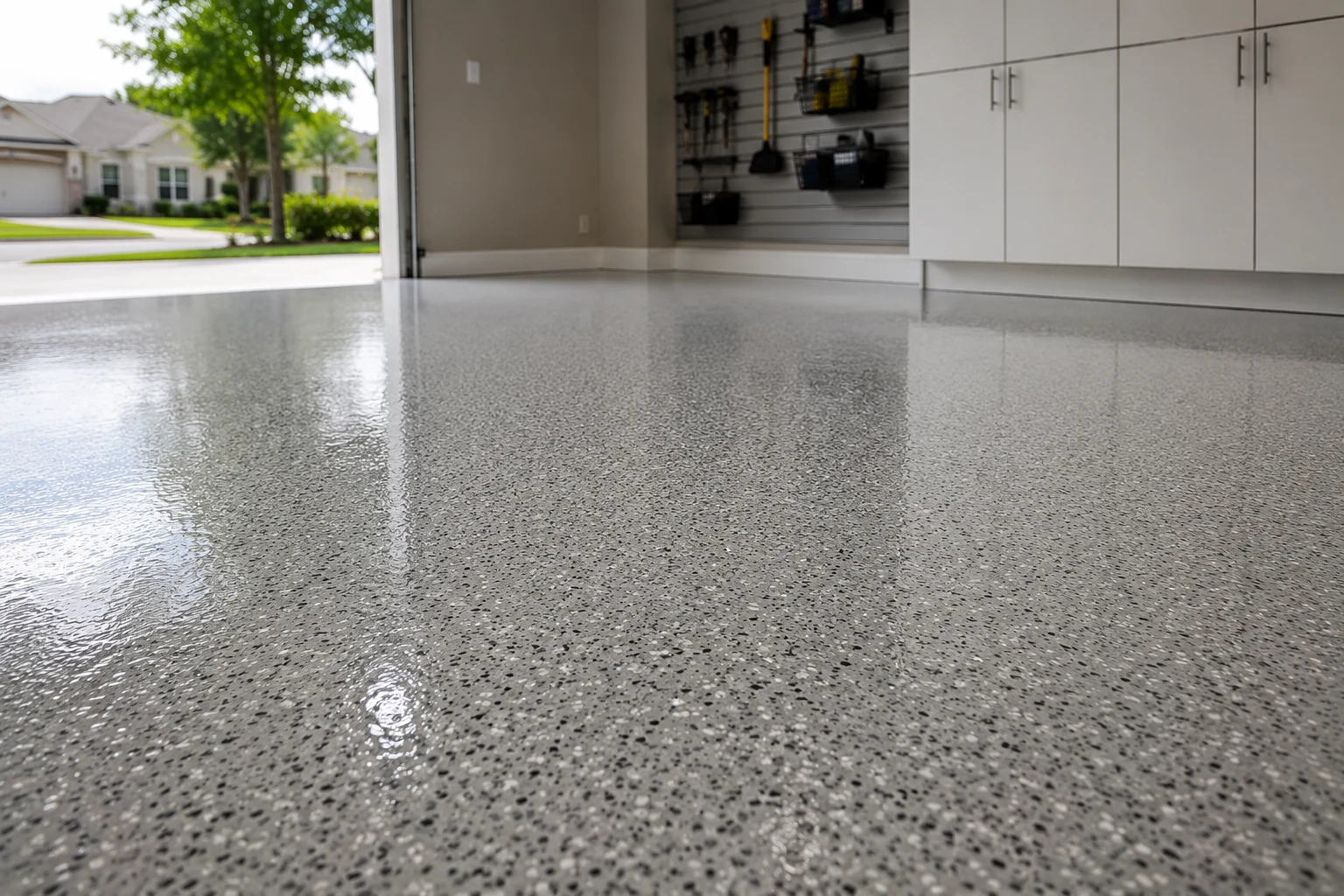 Refinished Slab SystemsSpecified around what an original slab has actually been through, rather than assuming a blank surface.
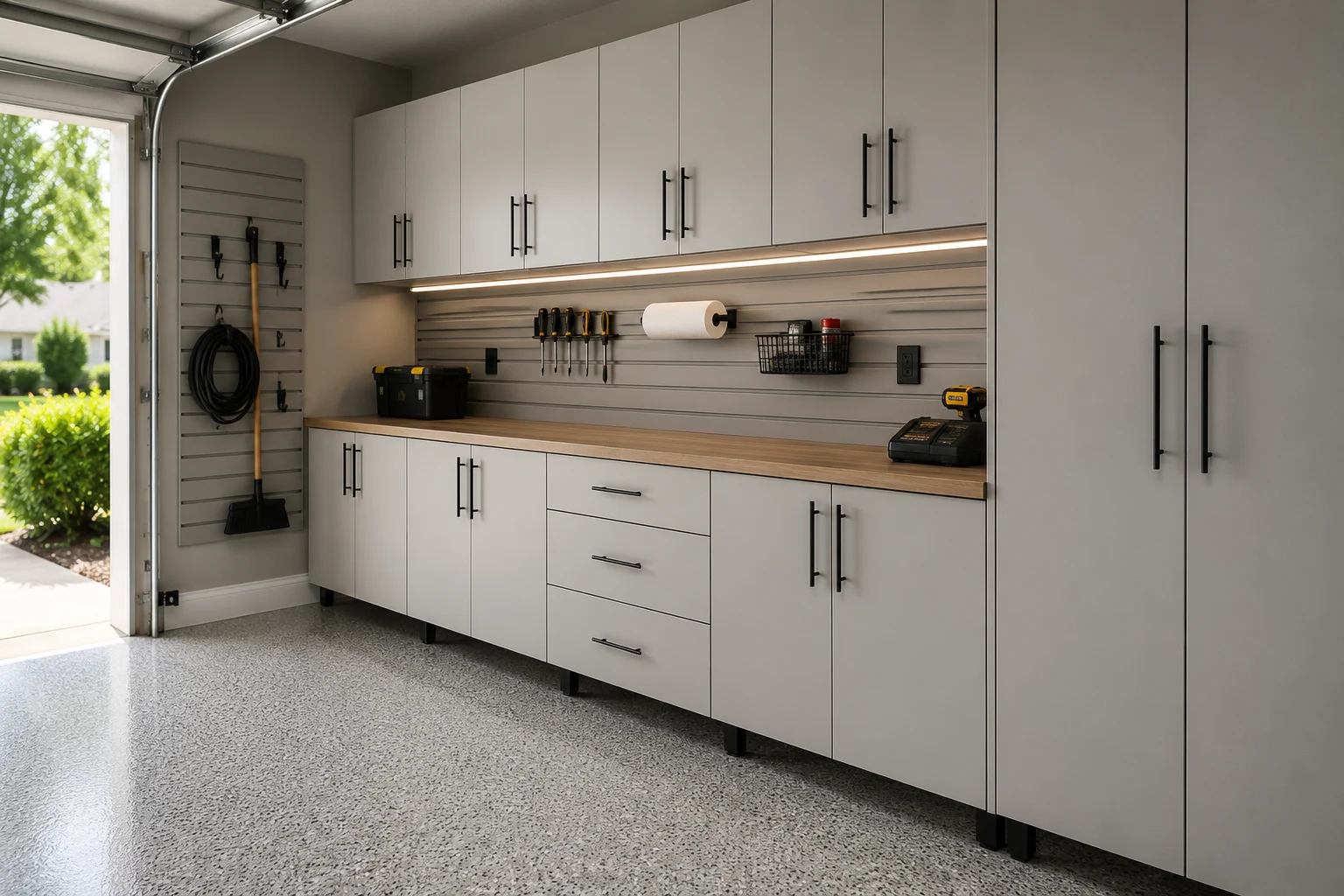 Replacement Cabinet RunsBuilt to current loads and sized for the household as it is now, not as it was at handover.
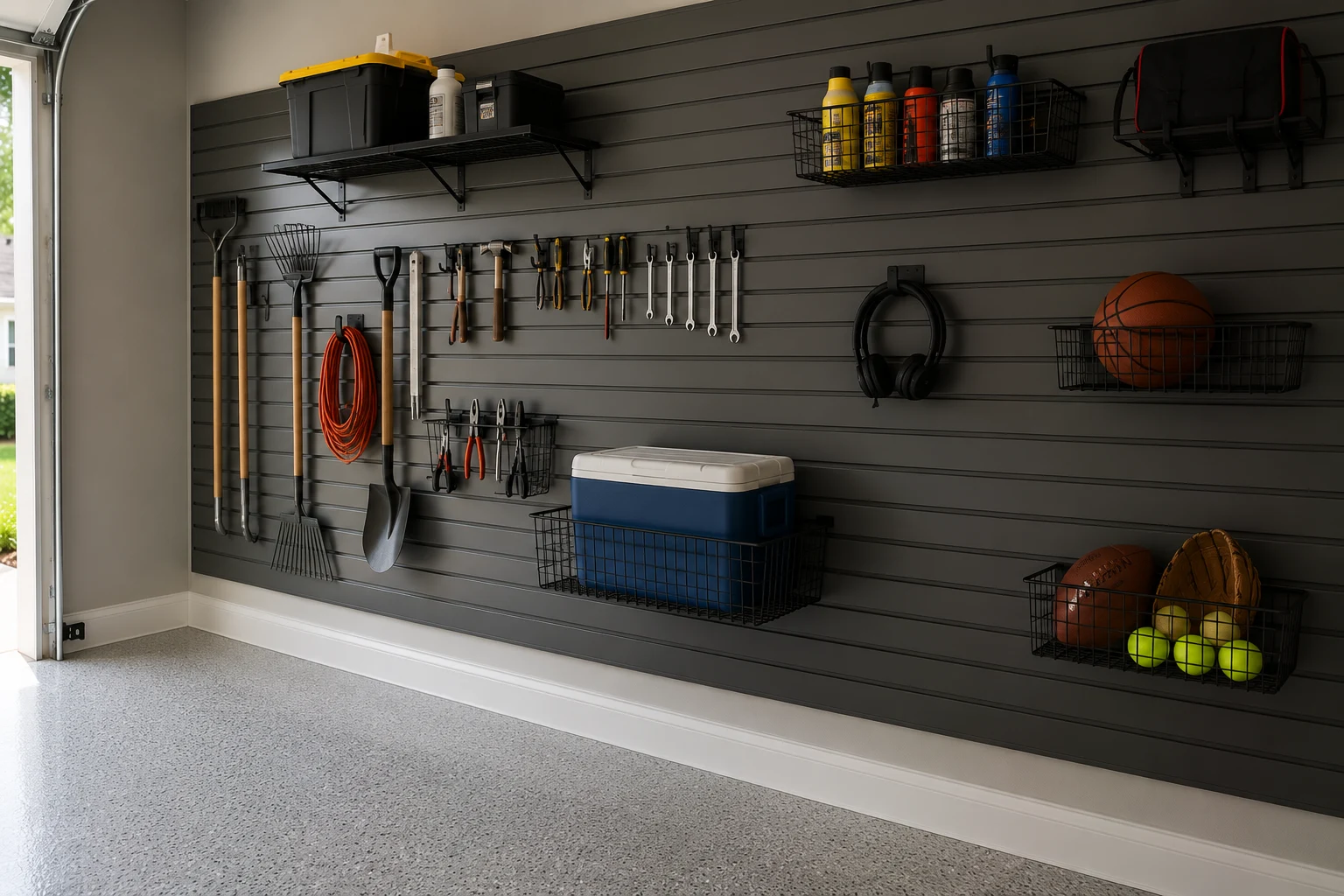 Current-Generation Wall SystemsReconfigurable storage that replaces fixed shelving which has already served its full term.
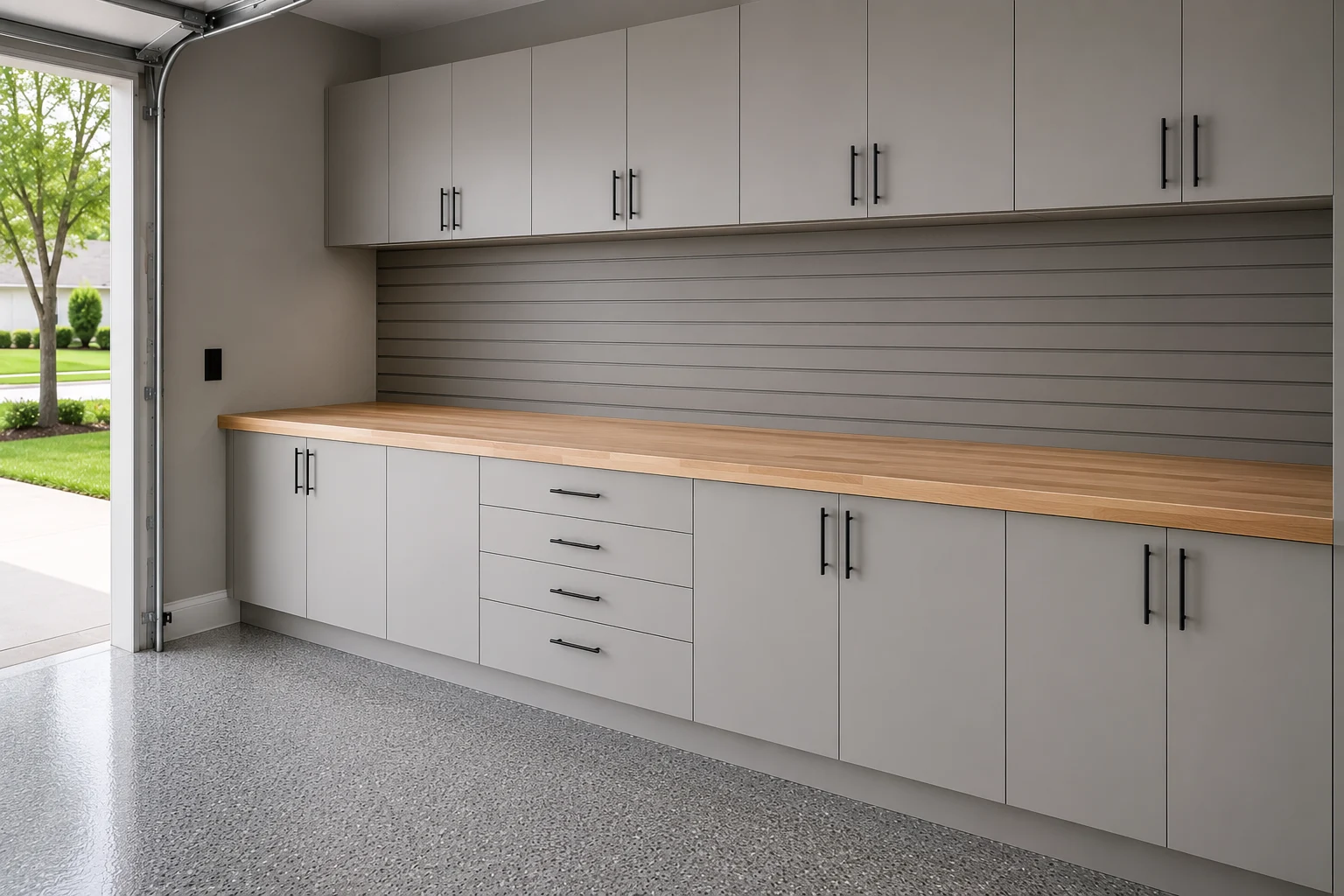 Renewed Lighting and PowerDistributed light and additional circuits, in a bay originally provisioned with the minimum.
Three Renewals
Three levels of first renewal — which one fits depends on how much of the original is genuinely at the end of its life.
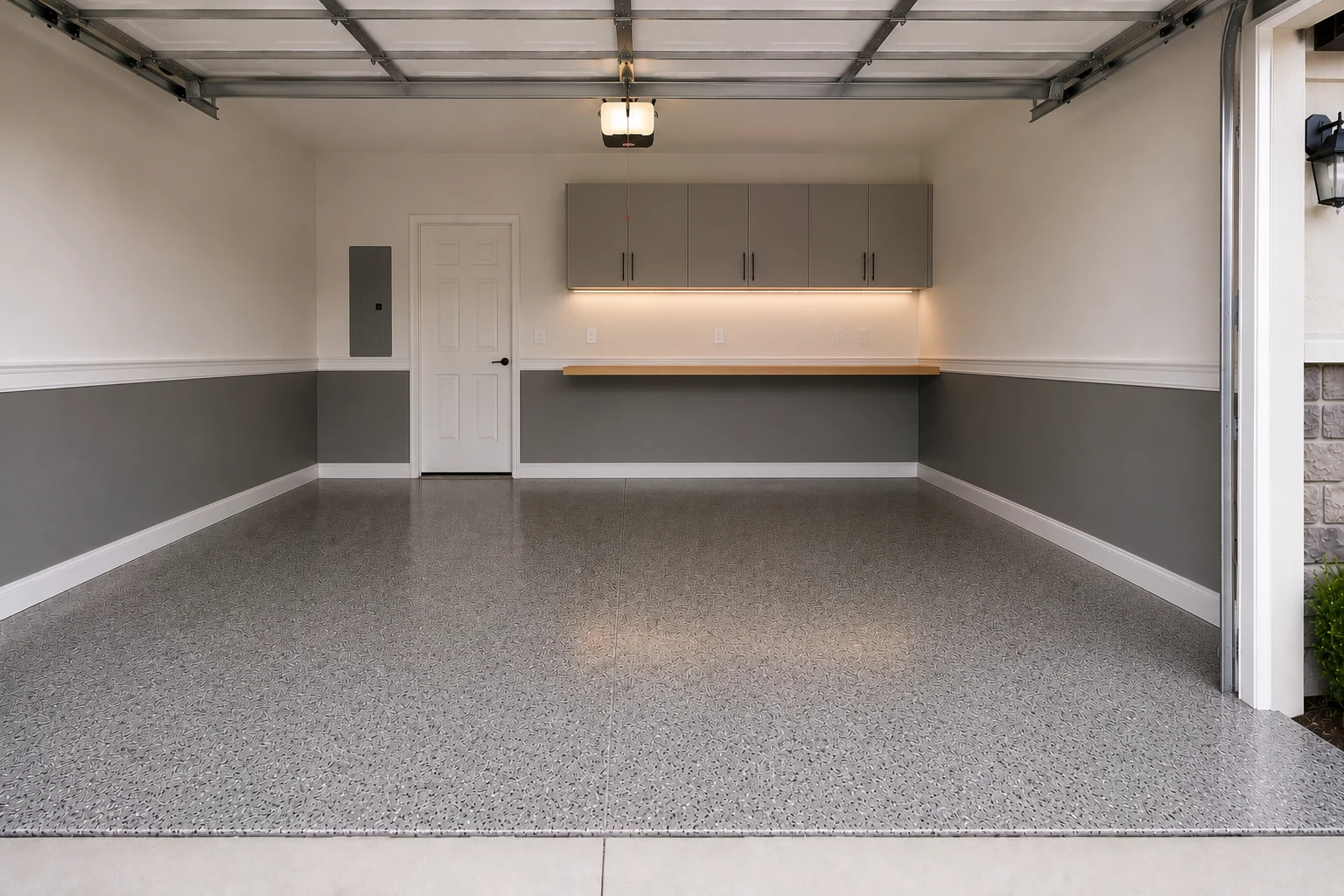
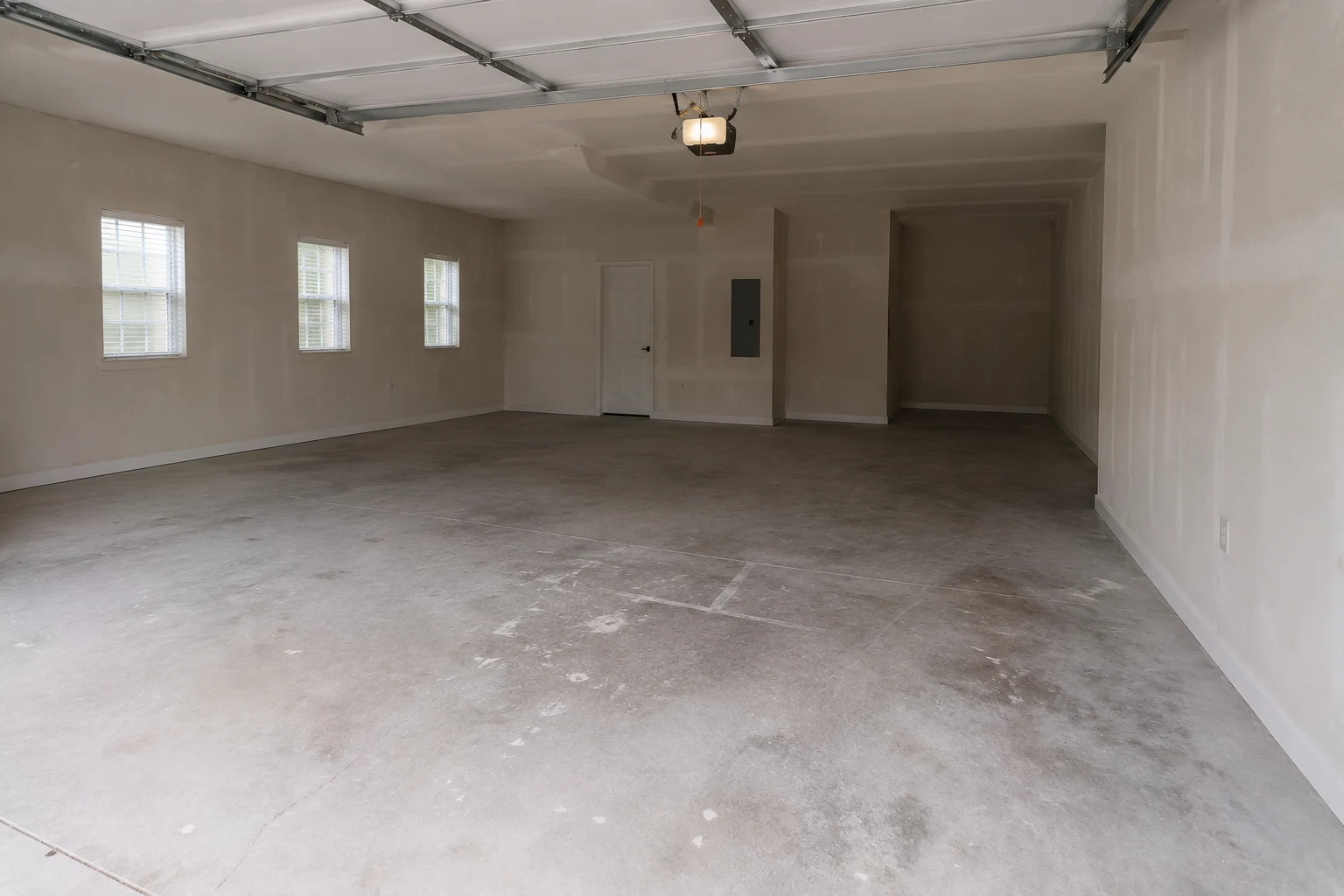
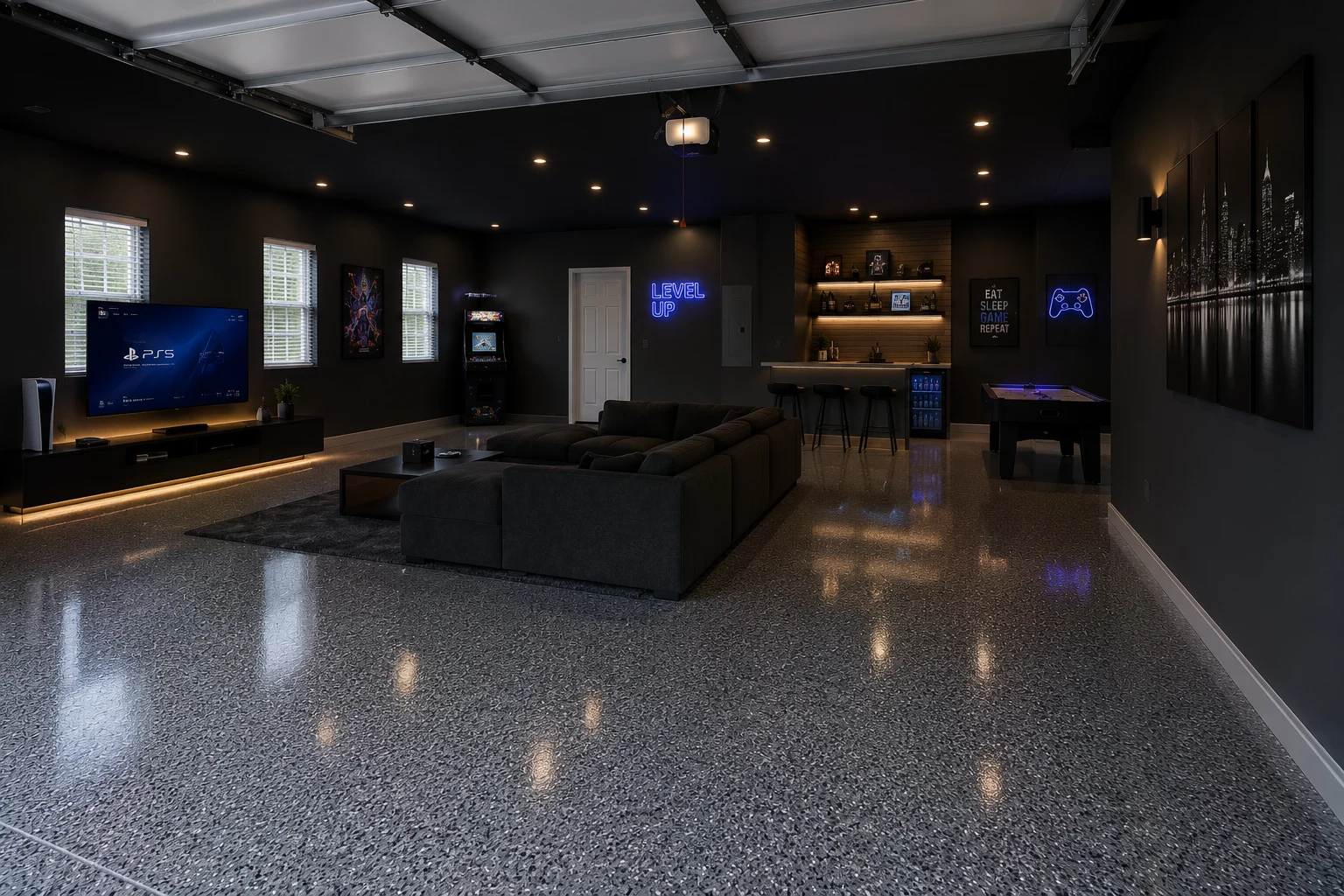
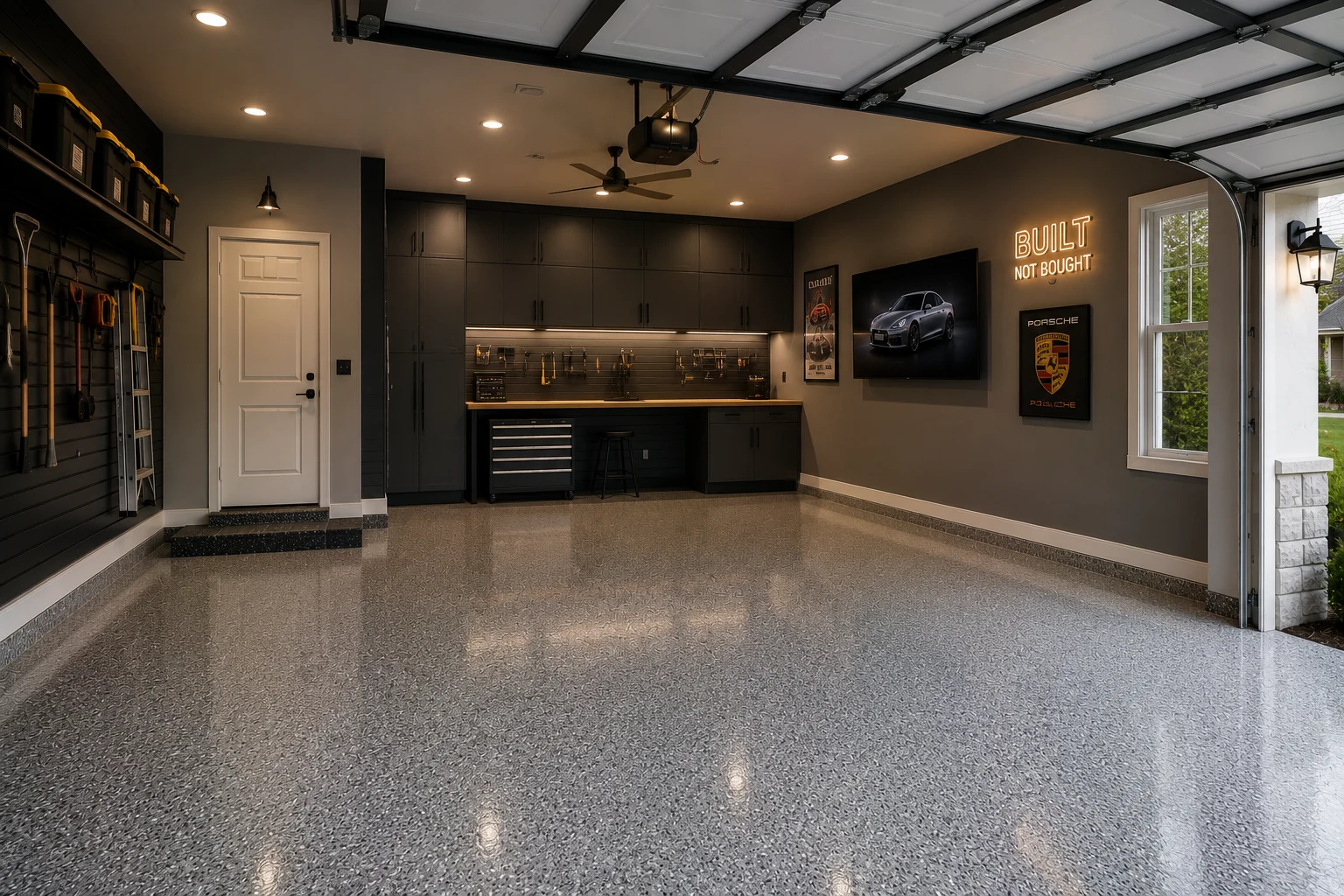
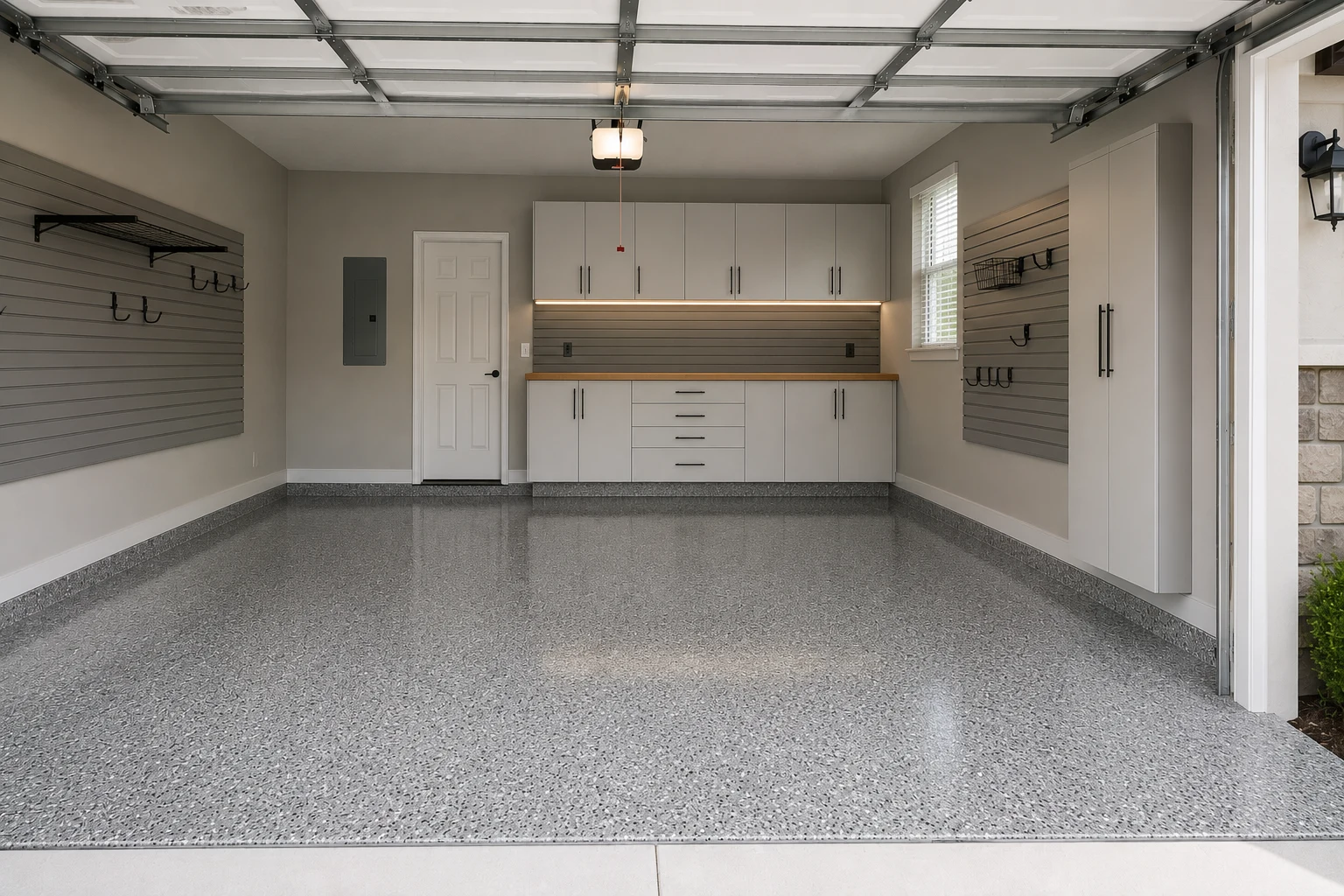 ConceptGarage RemodelingThe Full First Renewal
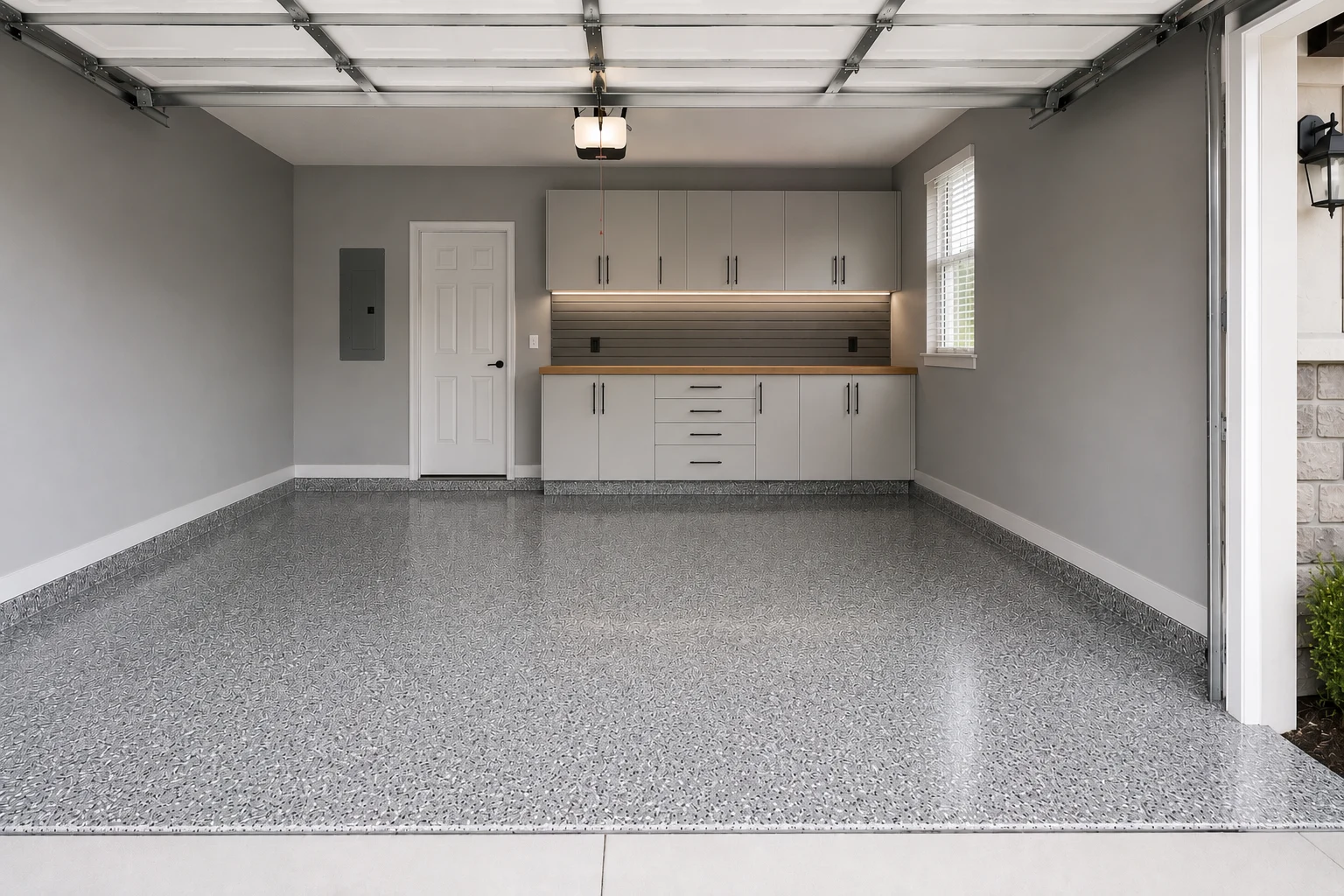 ConceptGarage RemodelingThe Storage-Only Refresh
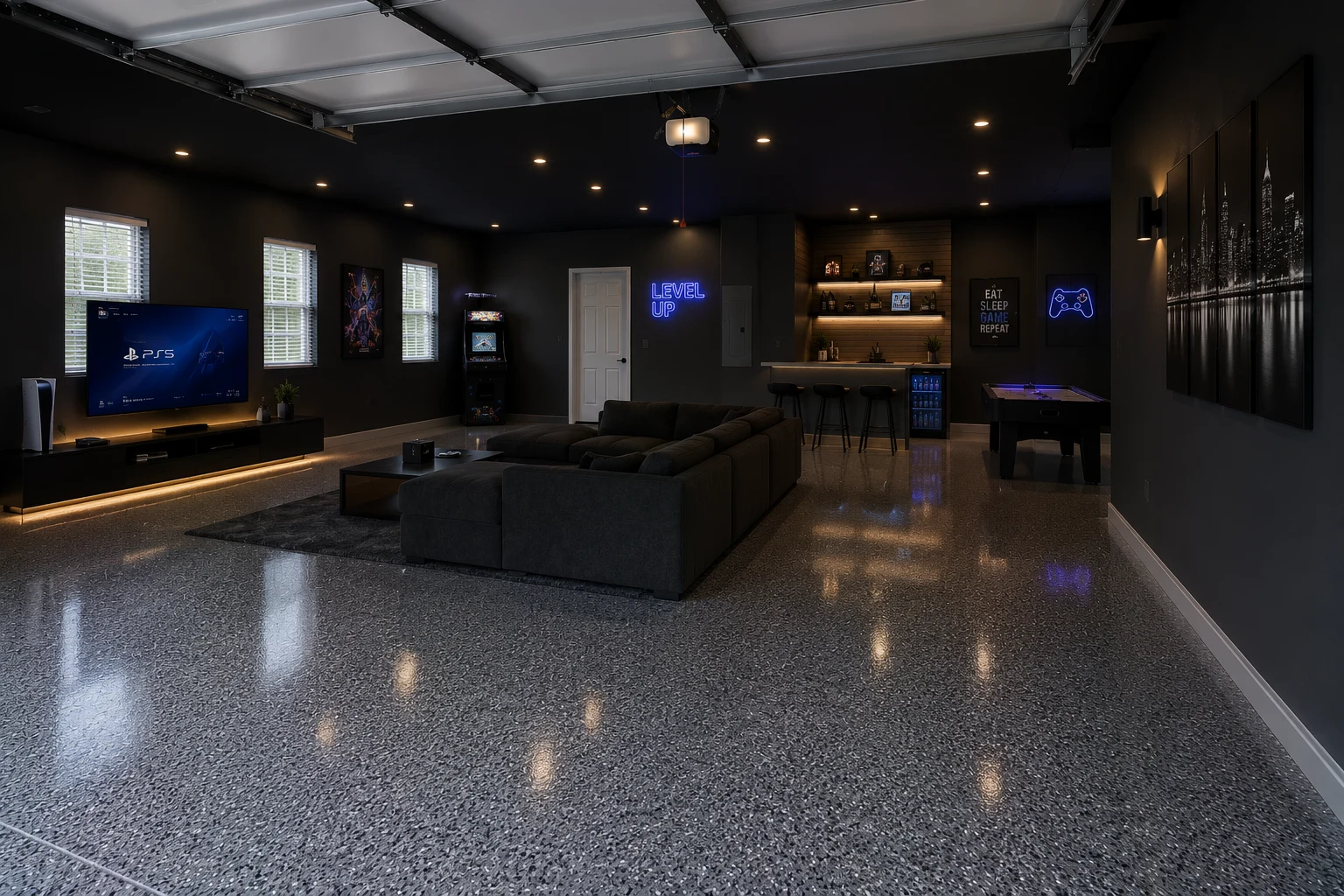 ConceptGarage RemodelingThe Floor-and-Light Reset
These images are conceptual visualizations meant to illustrate the style and quality SAVAM House can deliver — not photographs of projects completed by our team.
Common Here
It is usually the ideal moment. Components that were installed together fail together, and in a house of this age most of the garage is on the same clock. Acting while everything is still working means you choose the timing, the scope, and the sequence. Waiting means the door or the shelving chooses for you, generally at short notice and generally more expensively.
Standing and performing are different things. Shelving of this vintage has usually taken a permanent set, is deeper than a modern layout wants, and was rated for lighter loads than households now put on it. Twenty-five years is a fair run. Replacing it at renewal is straightforward; replacing it after it lets go is not.
It is generally the biggest visible improvement available in these bays. Concrete of this age has marks, joints that have moved, and surface wear, all of which need to be assessed before a finish is chosen. Prepared properly, an original slab takes a coating very well and stops being the oldest-looking surface in the house.
For interior work, generally not — the design framework concerns what is visible from the street and the shared areas. Anything affecting the door itself, its colour, or exterior lighting is a separate question. Requirements vary and are updated over time, so we confirm what currently applies to your property before scheduling rather than assuming.
The door, in our experience. Springs lose tension, rollers wear, seals go hard and stop sitting properly against the slab, and the opener starts working audibly harder. It is the earliest and clearest signal in a bay of this vintage, and it is worth taking as a prompt to look at the rest rather than as an isolated repair.
In most cases yes, and the saving is mostly in mobilisation and access rather than in materials. Having the bay emptied once, scaffolding or access set up once, and trades attending once removes a great deal of repeated cost. The other saving is time — five separate projects across three years take a lot more of your attention than one does.
It matters in your favour. When the exterior and the plan repeat, the interiors are where a house acquires character, and the garage is one of the few rooms that can change dramatically without touching anything the pattern governs. It is also immediately comparable for anyone who has walked through the same layout elsewhere.
You can, and sometimes it is the right call for budget reasons. The order matters though: slab and electrical are considerably harder to add later around installed storage, so those come first. We would draw the complete plan either way, so that stage one does not quietly rule out stage three.
Easily, and it is one of the most noticeable changes for the cost. A single central fixture was the standard provision when these houses were built, which leaves the corners dark and puts your shadow onto whatever you are doing. Distributed lighting, and task light where it is needed, transforms how usable the bay feels.
More than people expect, structurally, and less than they hope in terms of fittings. The bay itself is generally sound. The shelving, the seals, the springs, and often the opener are at or near the end of their service. We will tell you plainly what has life left rather than recommending wholesale replacement by default.
In a neighbourhood where buyers can compare identical plans directly, an original untouched garage reads as deferred work and a renewed one reads as a house that has been kept up. It is not the deciding factor, but it is one of the few rooms where the difference is unmistakable at a glance.
Use the form on this page and tell us the age of the house, what if anything has already been replaced, and what the door has been doing lately. We will come out, assess the original fit-out as a set, and tell you what is genuinely due and what still has years in it.
Tell us the age of the house and what the original fit-out has been doing lately. We will assess it as one item rather than five, and set out what is genuinely due — in the order that makes sense.