 Current Service
Painting
Refresh interior and exterior surfaces with professional, detail-oriented painting.
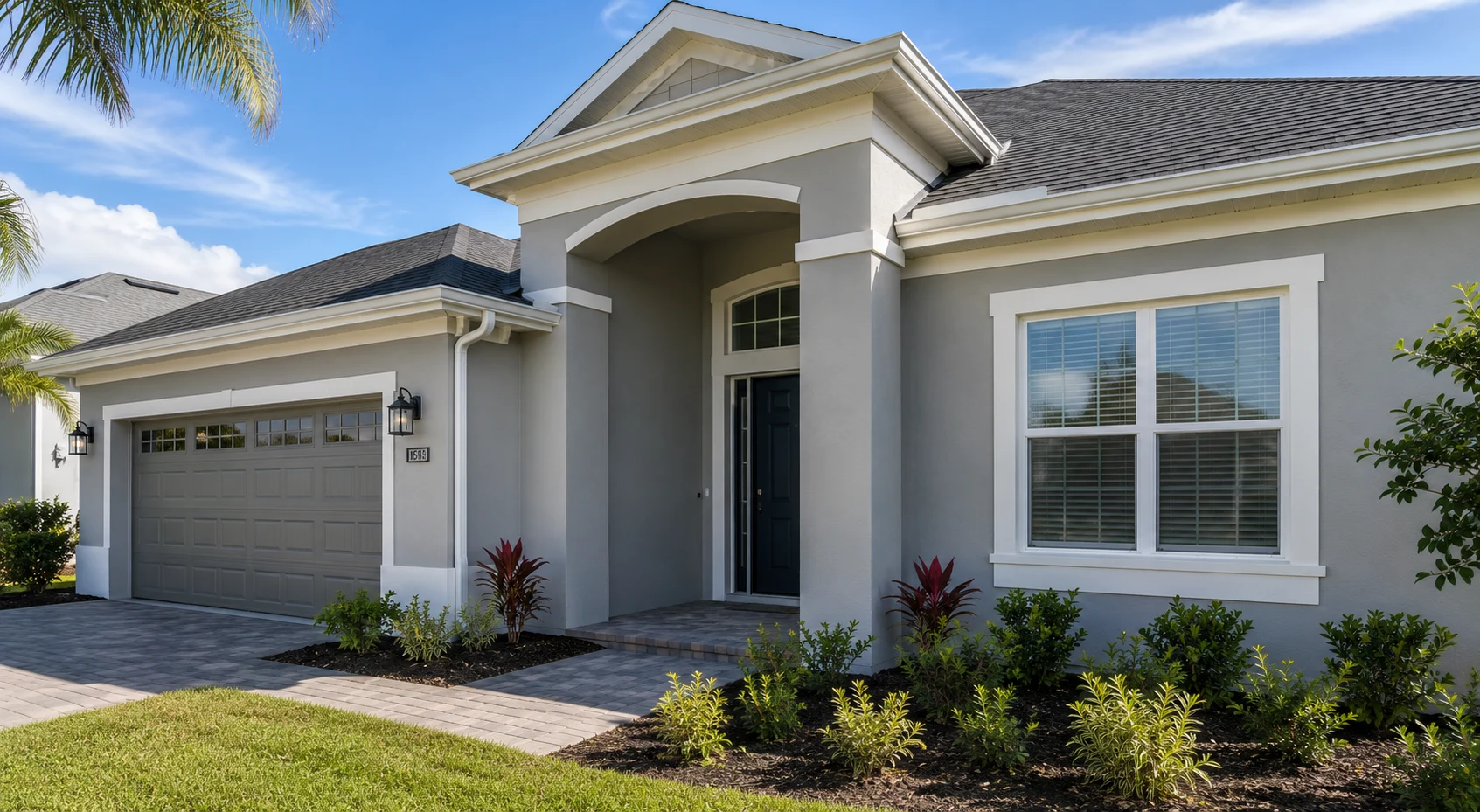
Residential Painting Serving Celebration
Serving homeowners throughout Celebration, where the architecture came with a language and the community keeps it. Our job is not to reinvent your scheme — it is to execute it precisely, on porches, columns, brackets and shutters that sit a few feet from the sidewalk and are looked at every single day.
Get Your Free EstimateFree In-Home Consultation
Organized Process
Every project follows a clear, structured process from first contact to final walkthrough.
Quality Craftsmanship
We pay attention to the details that make a remodel feel finished and durable.
Clear Communication
You'll always know what's happening with your project and what comes next.
Commitment to Your Home
We treat every property with the same care and respect as if it were our own.
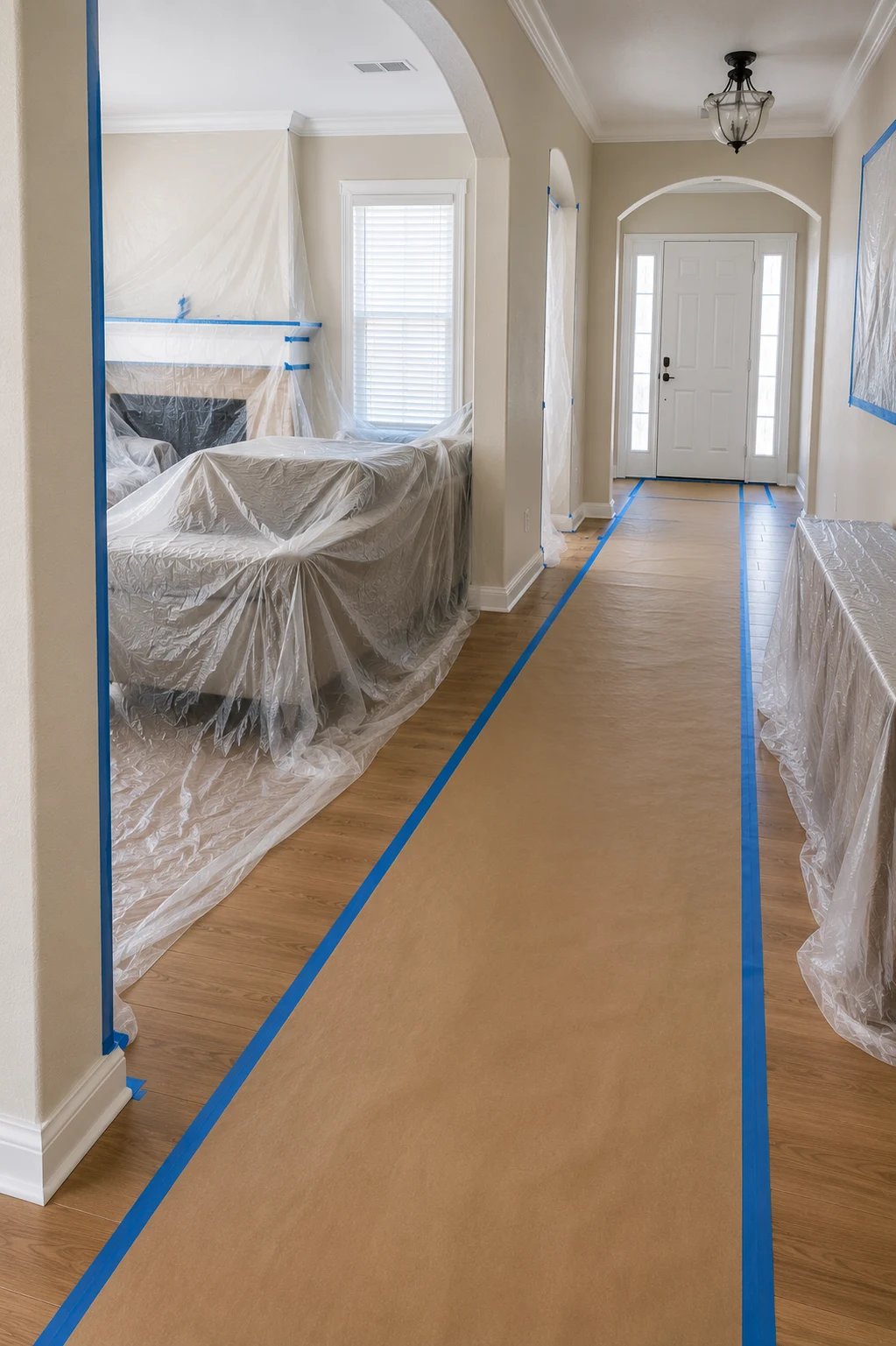 Setting Up Tidily
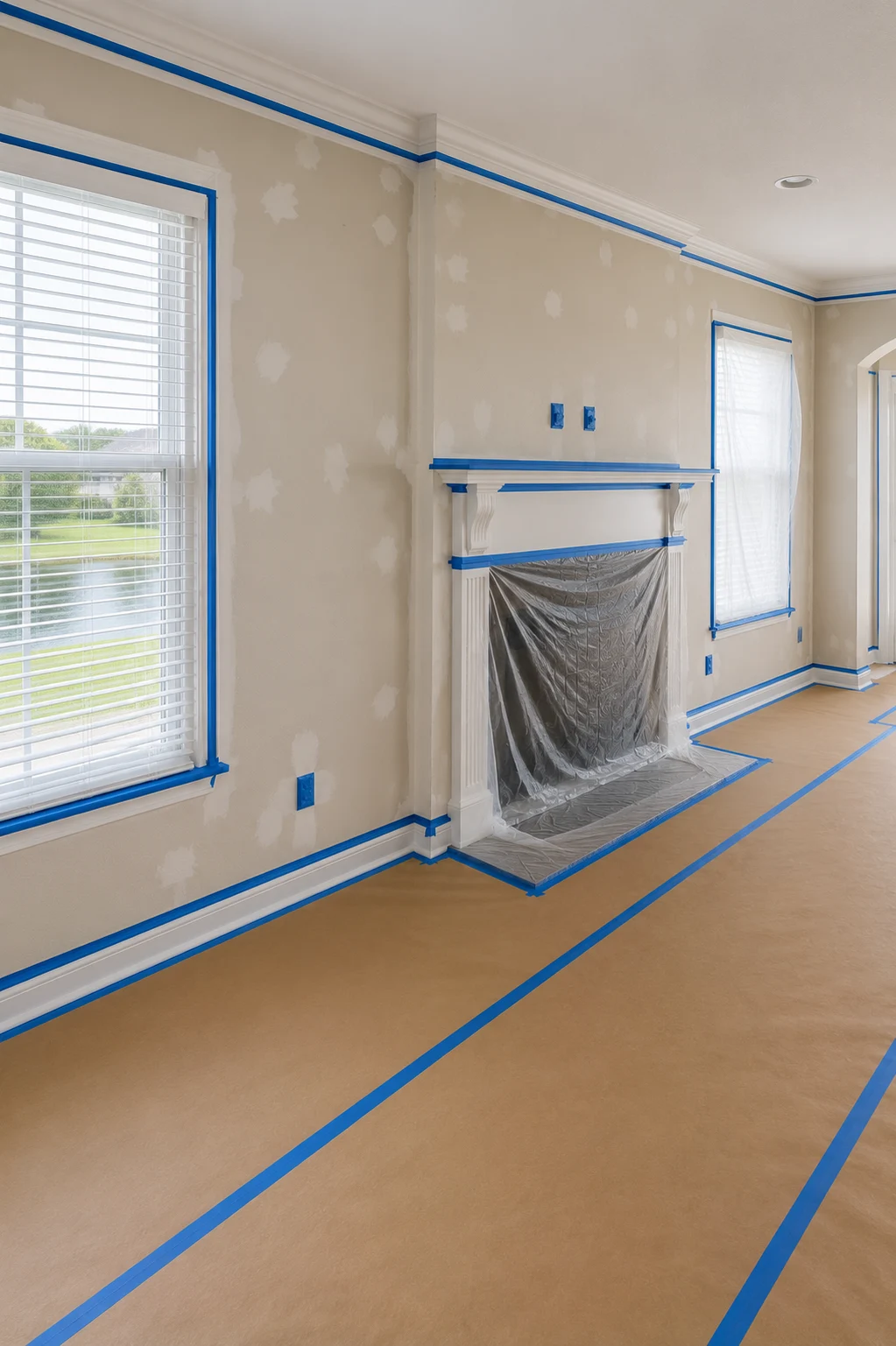 Making It Sound
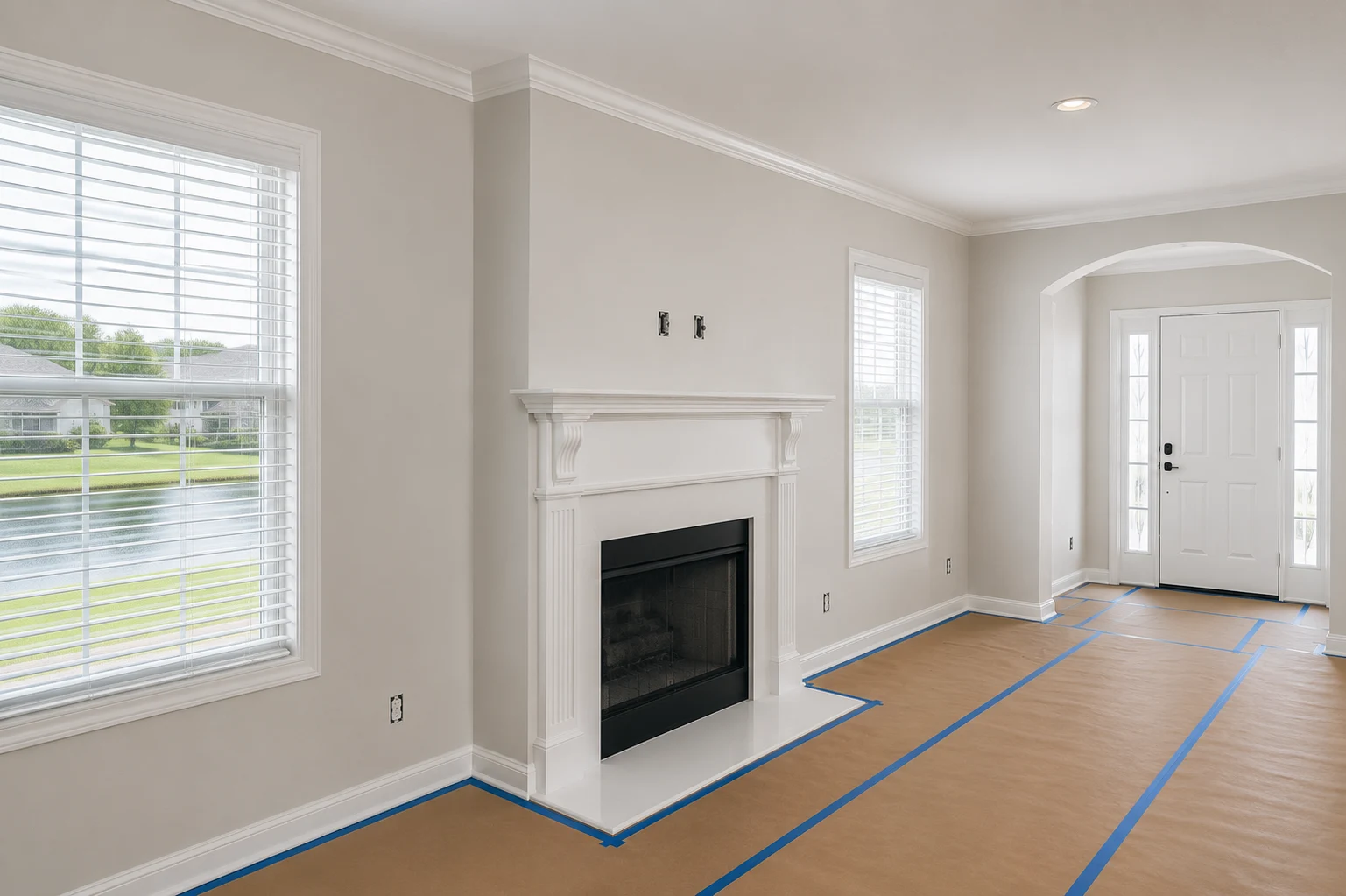 Cutting In the Detail
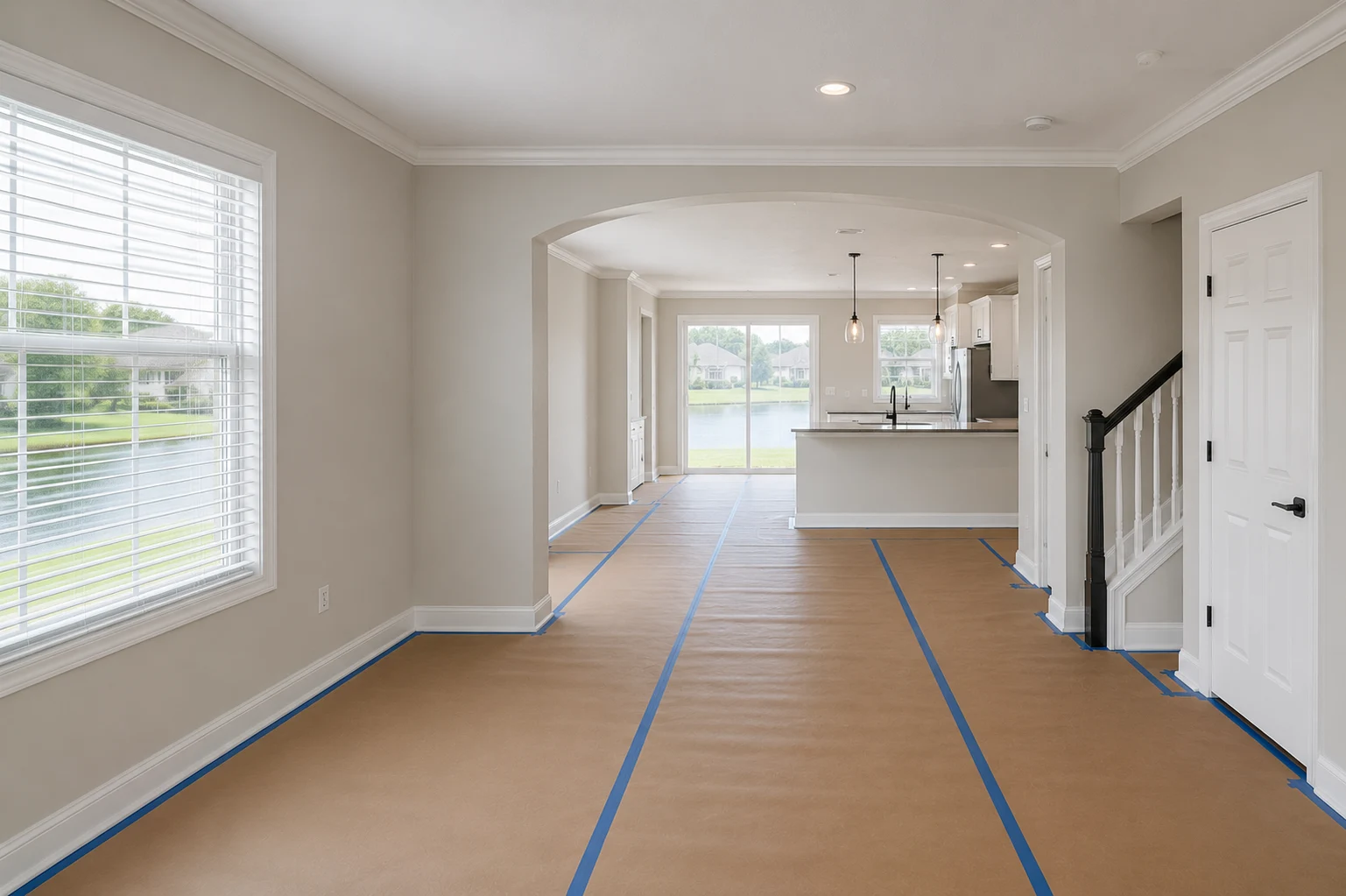 Clearing Up
Working With Us
We're not focused on being the biggest — we're focused on being organized, communicative, and easy to work with.
Your project starts with a clear plan, not guesswork.
You'll hear from a real person about the status of your project.
We treat the small details as seriously as the big decisions.
How It Works
We start by understanding your goals, your home, and the scope of your project.
We translate your vision into a clear, organized plan before any work begins.
You choose finishes and materials with guidance from our team.
Our team executes the project with attention to detail and clear communication.
We review the finished work together to make sure everything meets your expectations.
Real Results
On a house designed around its porch and its trim, the transformation is rarely about a new color. It is about the detail reading sharply again, the woodwork looking cared for, and the frontage holding its place on the street.
The Benefits
When the scheme is fixed, quality is the only variable left — and on these frontages it is visible from the street.
What Else to Consider
With the property protected and access already in place, a few related jobs are far simpler to include now than to arrange separately afterward.
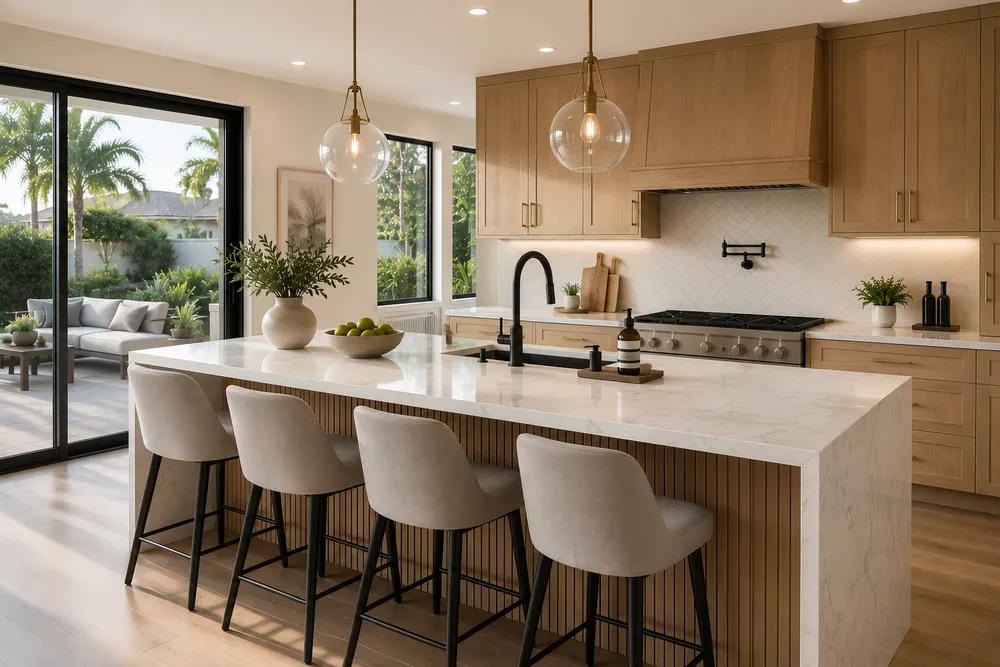
Transform the heart of your home with a kitchen that blends functionality, craftsmanship, and modern design.
Learn More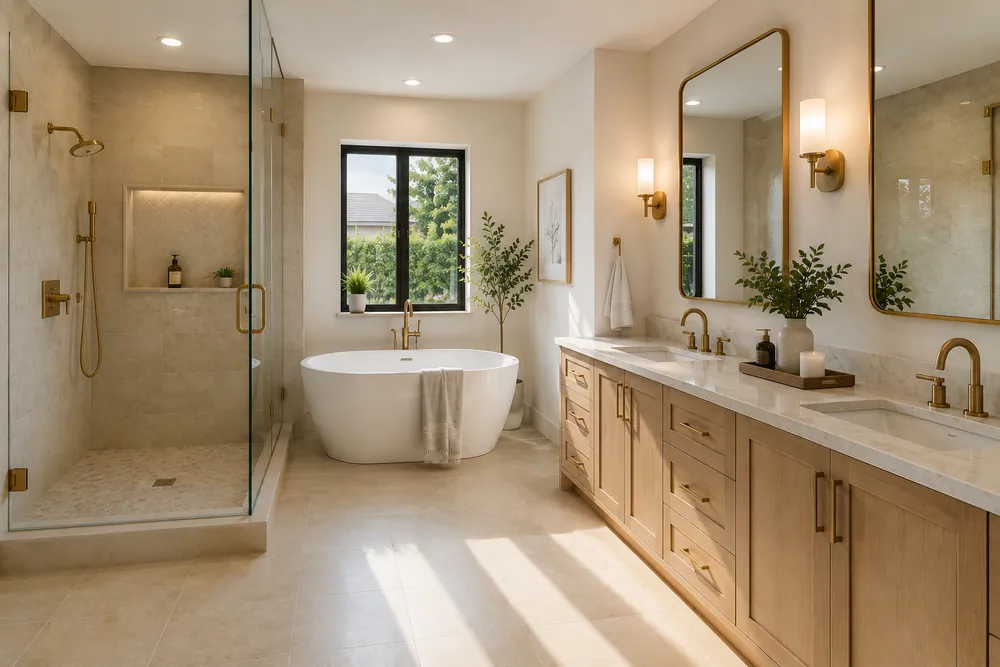
Modernize your bathroom with thoughtful layouts, quality finishes, and lasting comfort.
Learn More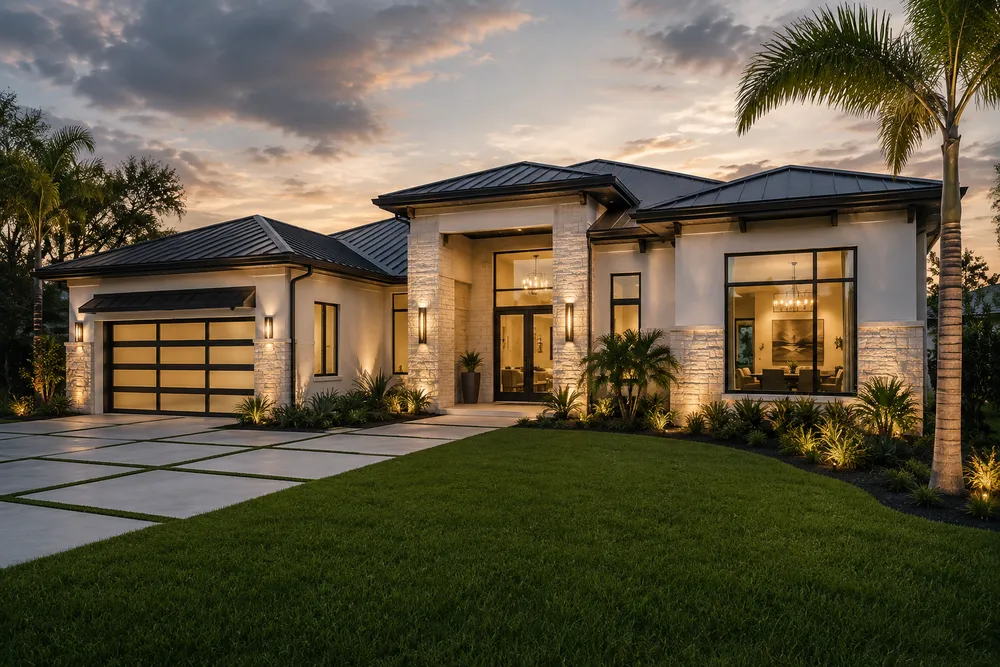
Coordinate a complete transformation of your home, from layout to finishing details.
Learn More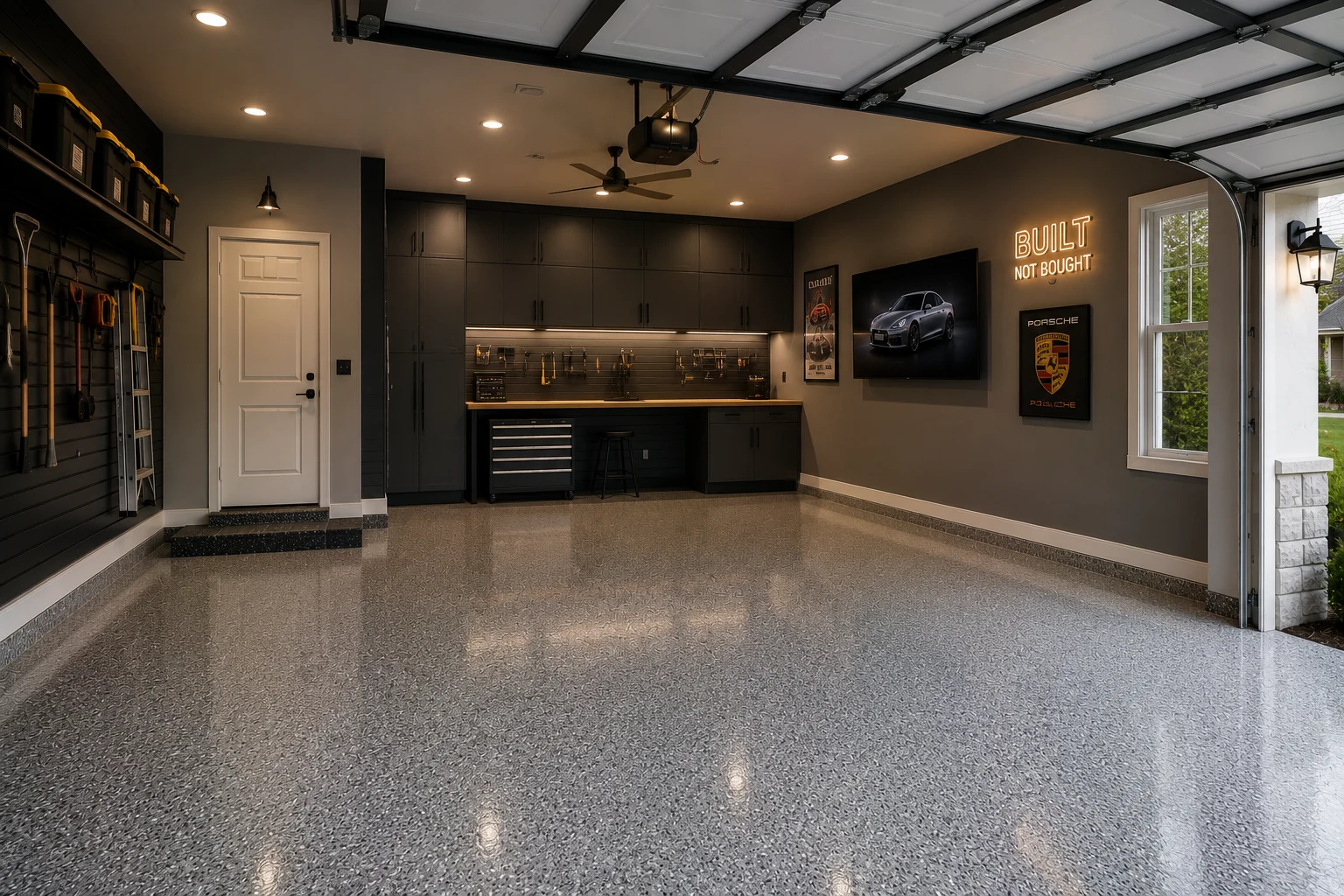
Turn your garage into an organized, durable, and functional extension of your home.
Learn More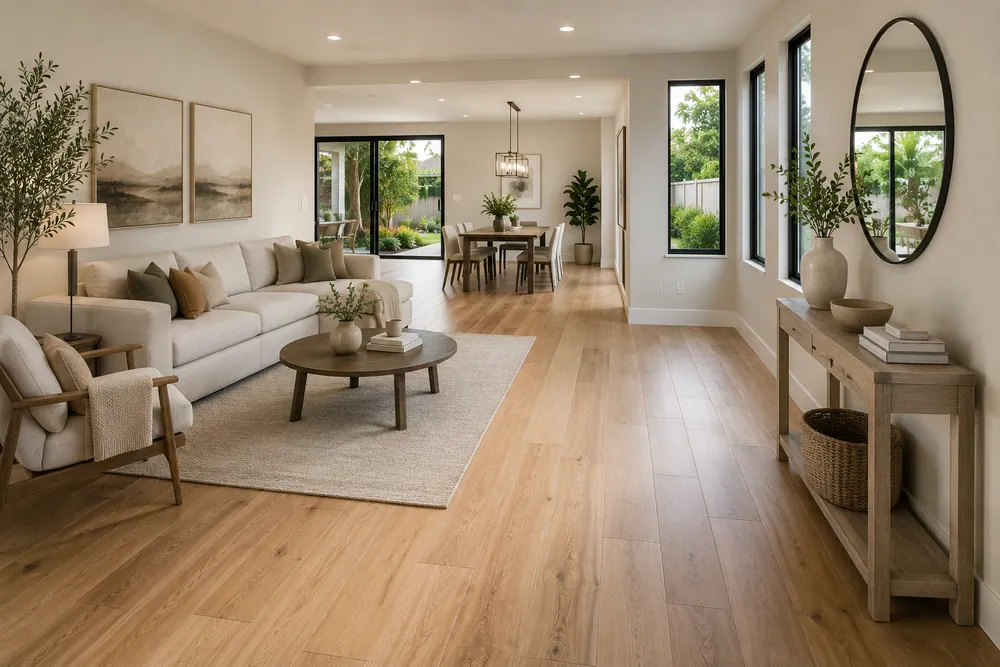
Install and refresh flooring throughout your home with materials built to last.
Learn MoreCurrent ServiceRefresh interior and exterior surfaces with professional, detail-oriented painting.
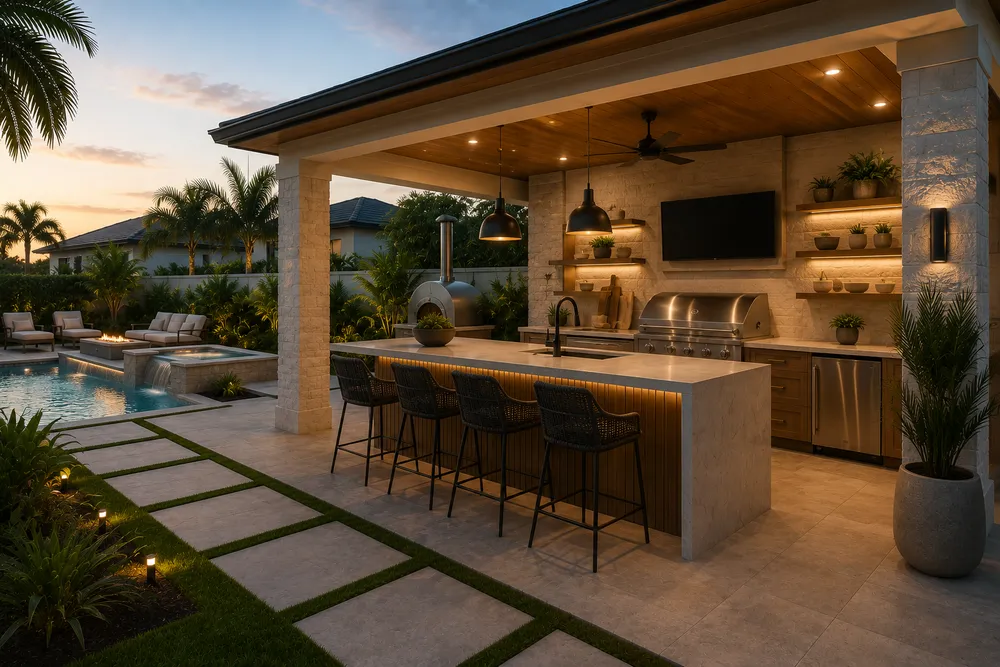
Create outdoor spaces designed for everyday living and relaxed entertaining.
Learn More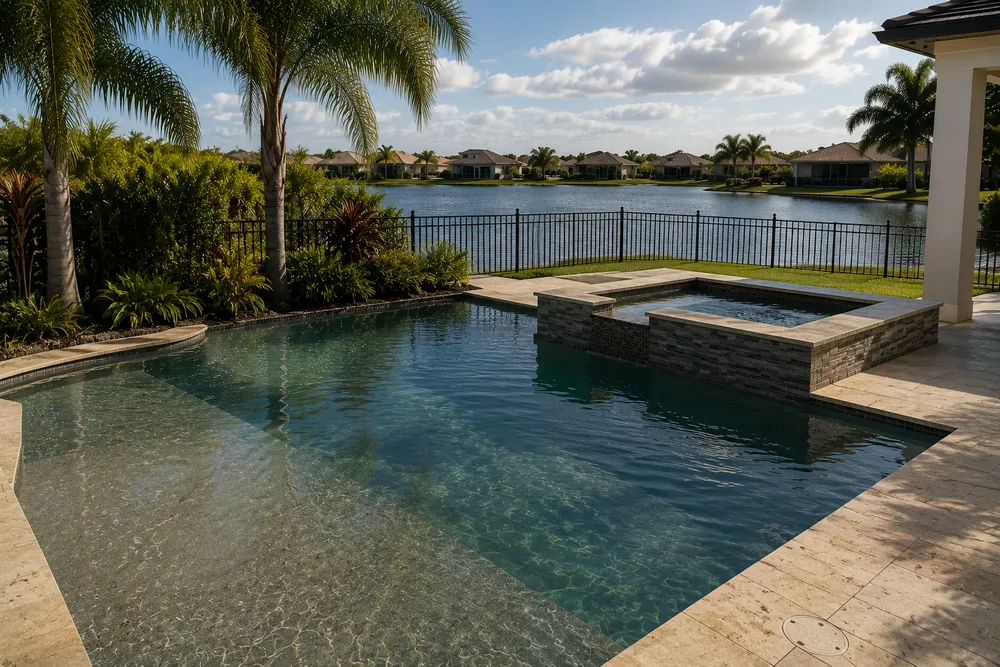
Design and build a custom pool tailored to your home and lifestyle.
Learn More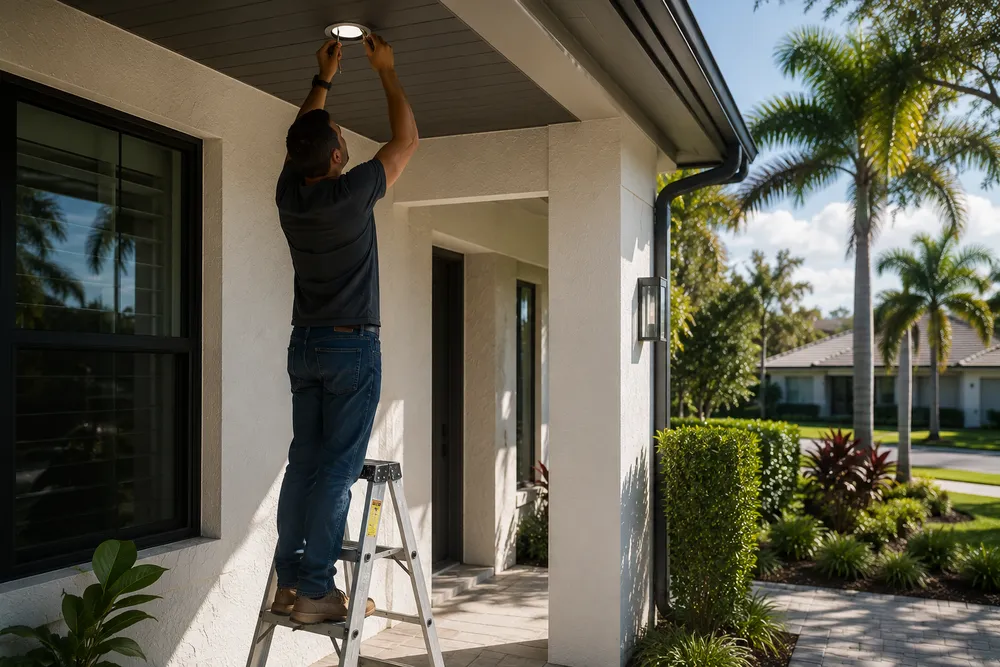
Handle everyday repairs and improvements with the same attention to detail as larger projects.
Learn MoreGet Started
Tell us about your project and our team will reach out to discuss the next steps.
Get your free estimate in less than 2 minutes
Prefer to talk it through first? Call or email us directly.
Working With Us
In most neighborhoods a repaint begins with a long conversation about color. In a community built to an architectural code, that conversation is much shorter — the house has a style, the style has a scheme, and your latitude usually sits in a shutter or a front door rather than across the whole elevation. Homeowners occasionally find that frustrating. In practice it removes the one decision people most often get wrong and puts all the weight where it belongs: on how well the work is done.
And there is a great deal of work here. Porch ceilings, turned columns, brackets, balusters, deep casings, shutters, and picket fencing carry far more linear detail than the walls behind them, all of it cut in by hand and all of it in full view from the sidewalk. That is what we walk and price. Here is how a project comes together.
Planning Ahead
Four things worth understanding before the first coat — none of them about choosing a color.
Houses built to a defined style carry a scheme that was designed with them: a body tone, a trim tone, and accents intended for specific elements. Where a community also maintains approved schemes, the practical question stops being what you like and becomes where your latitude actually sits — which is usually the front door, sometimes the shutters, rarely the body. That is far less limiting than it sounds. A correctly executed period scheme on a well-detailed house outperforms a fashionable color every time, and it is the version that still looks right in eight years.
A porch ceiling, turned columns, brackets, balusters, deep casings, shutters, and a run of picket fencing can easily represent more painting labor than every wall on the elevation combined. All of it is cut in by hand, several elements carry their own color, and none of it shows up in a square-footage calculation. When two estimates for the same house are far apart, this is almost always where the difference lives — one priced the detail and the other priced the walls.
Weathering here is not evenly distributed. Column bases, rail ends, and fence pickets near ground level take splash-back, irrigation, and standing damp, and they go before anything at eye height does. Covered porch ceilings and shaded elevations barely see UV but stay wet for hours, which is where organic growth appears. Those areas need repair, treatment, and sealing rather than another coat over the same problem — and they are exactly what we look at first.
Homes here sit close together, close to sidewalks, and in constant view. That changes practical things: how application is contained so nothing carries to a neighbor’s property or vehicle, where materials and access are staged so the street stays passable, and how the site is left at the end of each day rather than at the end of the job. It is not glamorous, and in a neighborhood this visible it is a real part of what you are paying for.
Why SAVAM House
Every project follows a clear, structured process from first contact to final walkthrough.
We pay attention to the details that make a remodel feel finished and durable.
You'll always know what's happening with your project and what comes next.
We treat every property with the same care and respect as if it were our own.
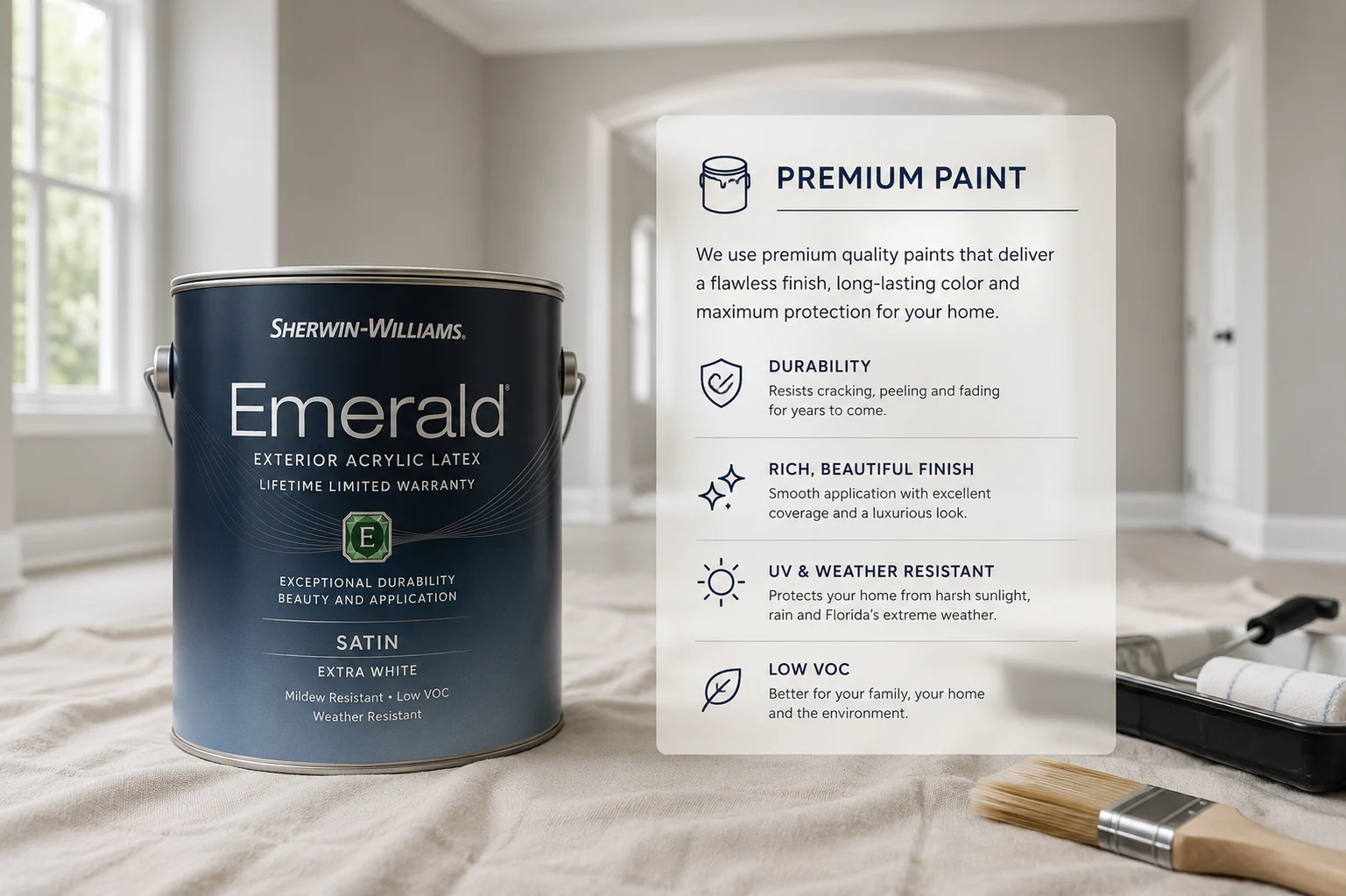 Premium Exterior SystemsChosen for adhesion and flexibility on wood as well as stucco, because these elevations are rarely one substrate.
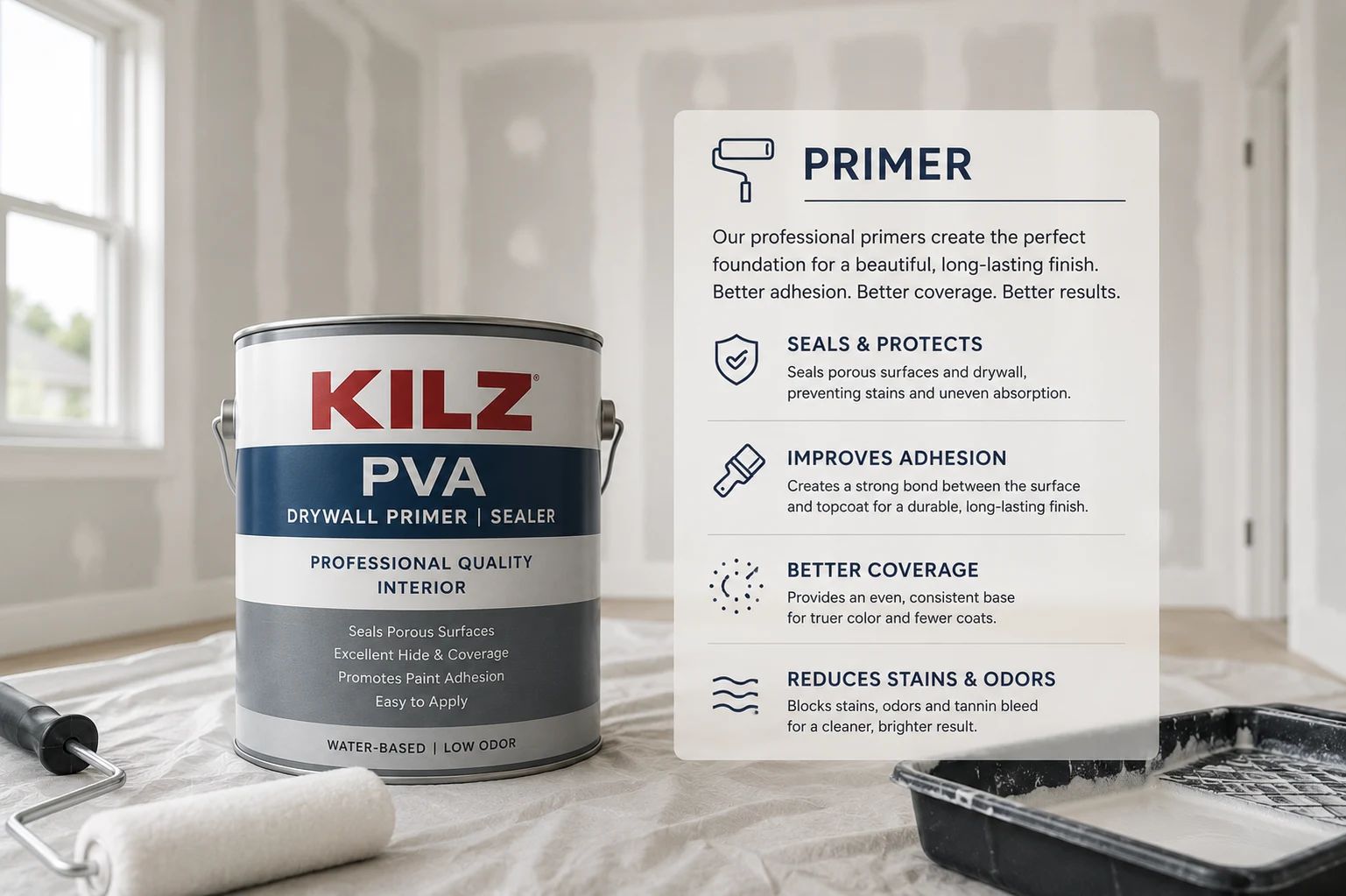 Sealing and Bonding PrimersSpecified for bare wood, end grain, repaired areas, and aged coatings — the layer that decides how long the detail holds.
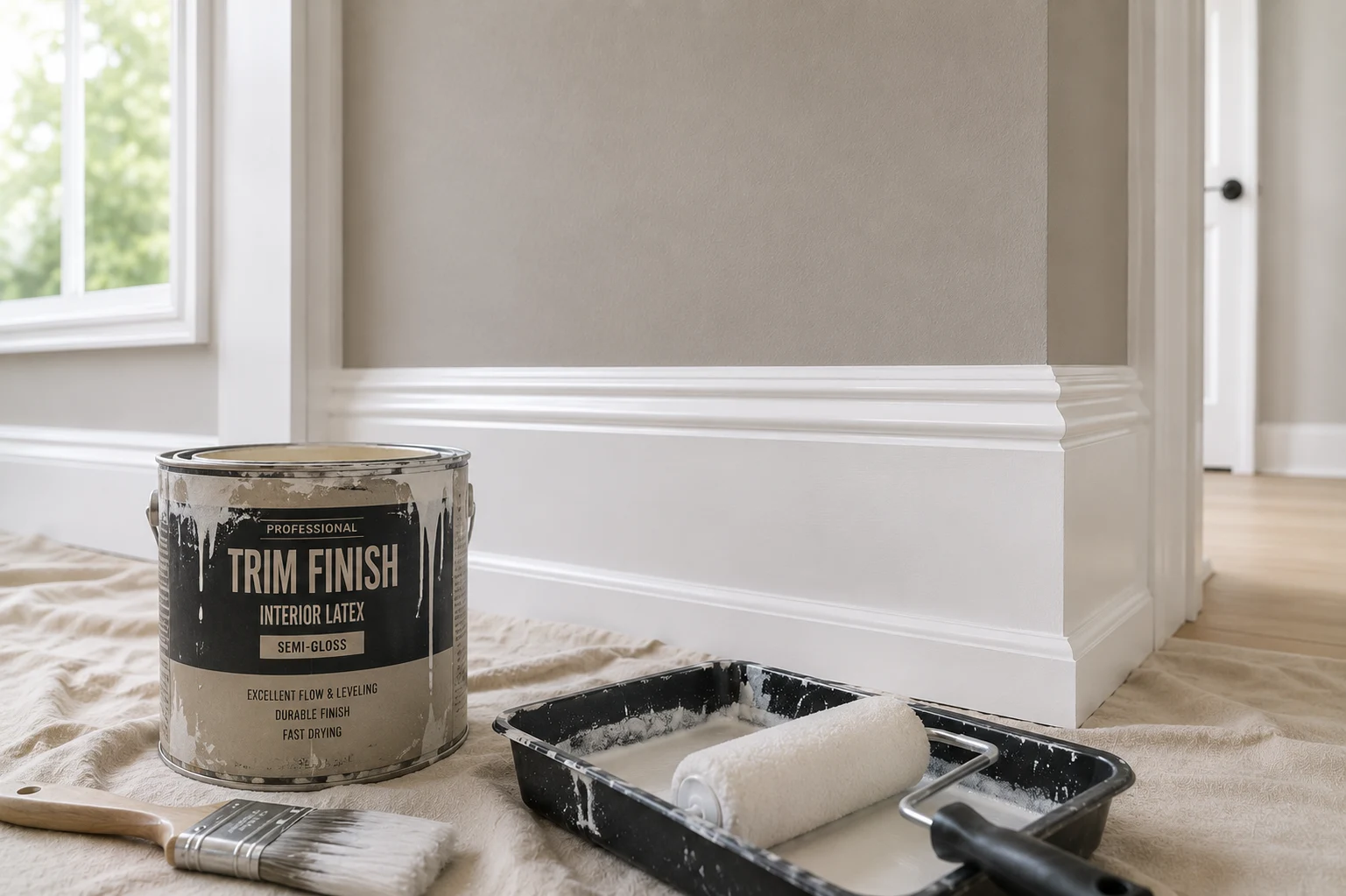 Trim, Shutter & Cabinetry FinishesHarder, finer finishes for the joinery that defines these houses, built in thin coats so profiles stay crisp.
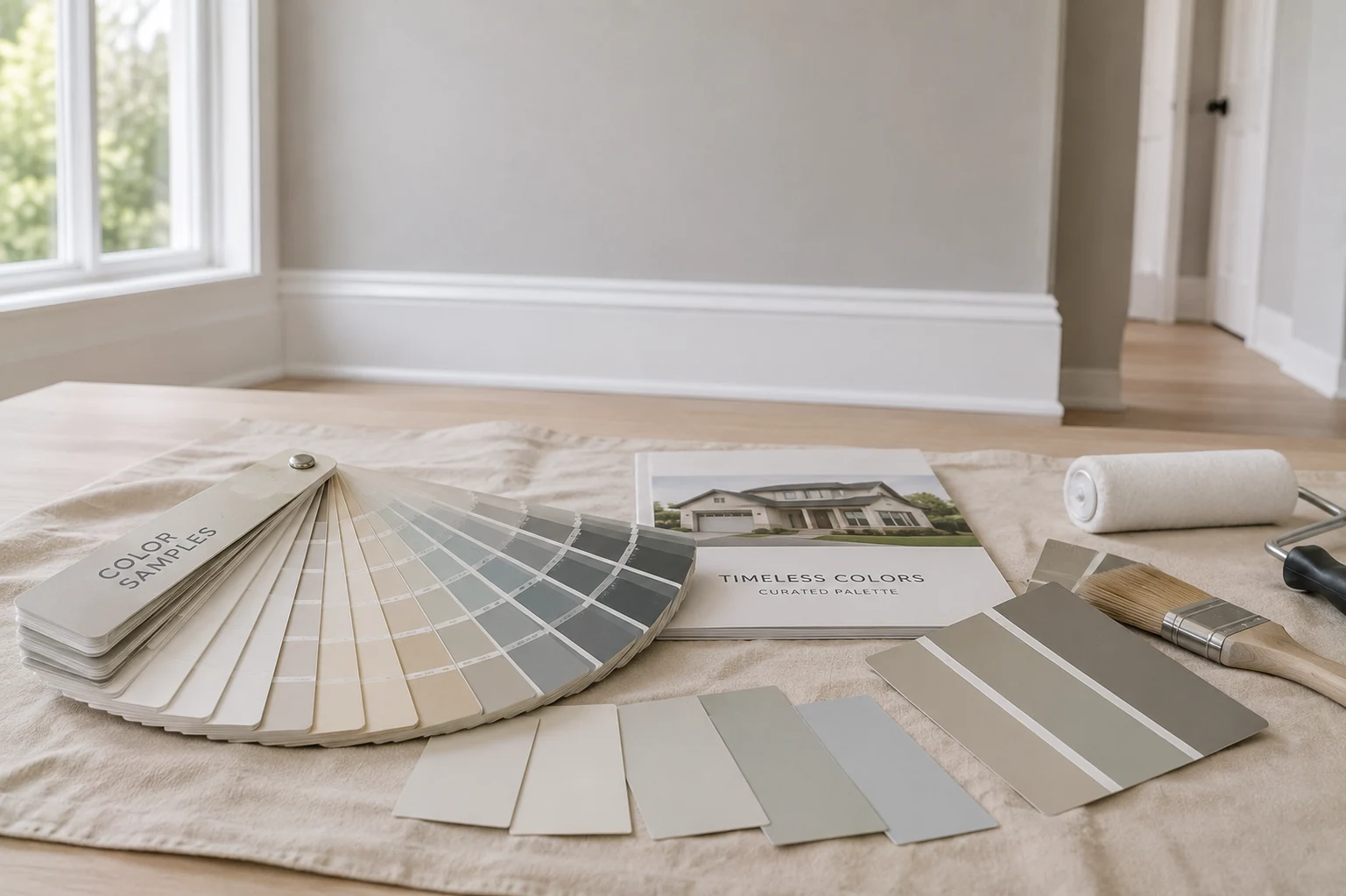 Scheme CoordinationBody, trim, shutter, and door resolved as a set and confirmed against what your community allows before anything is ordered.
Get Inspired
Three ways these projects usually take shape — refreshing the interior, restoring the exterior detail, or resolving both together.
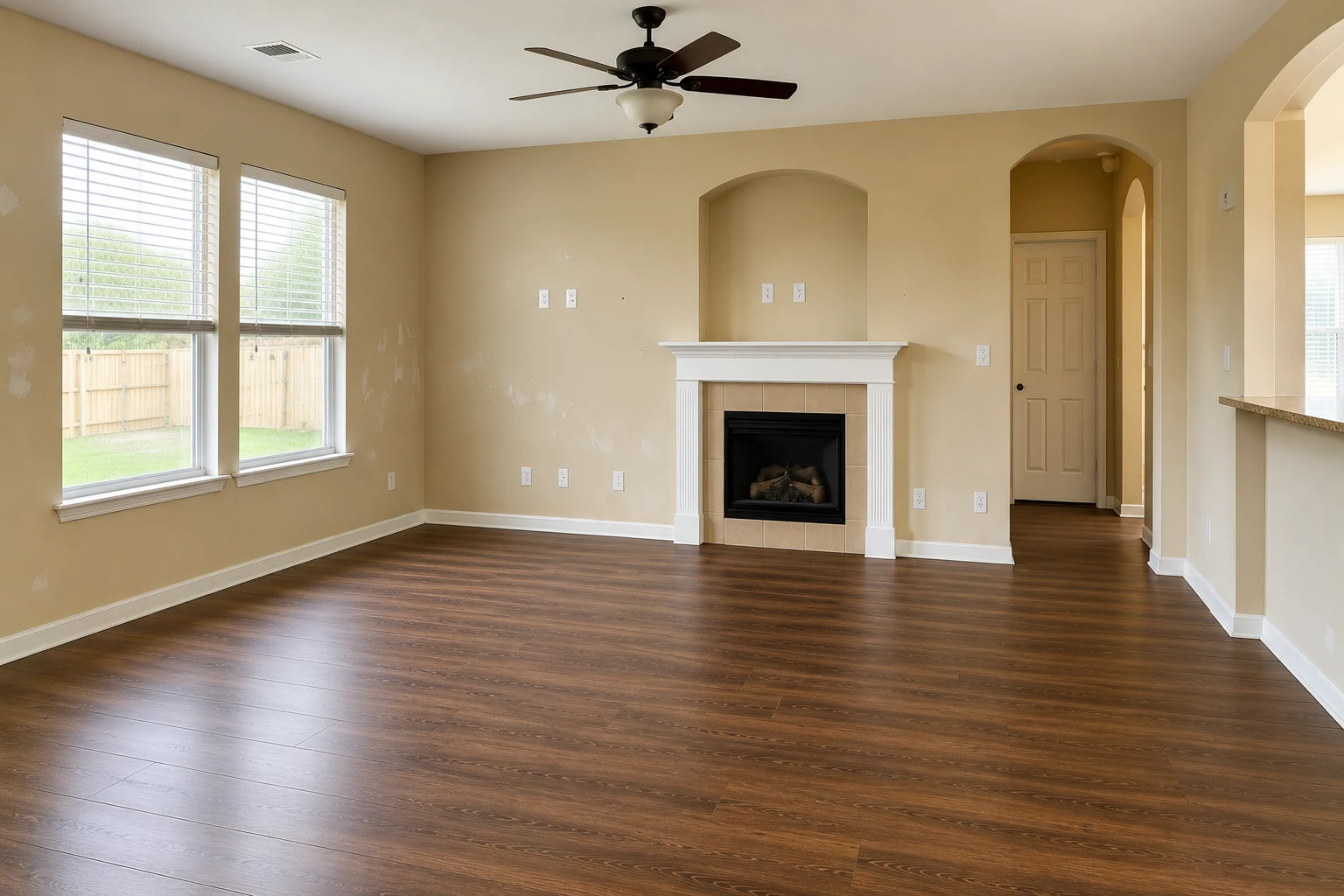
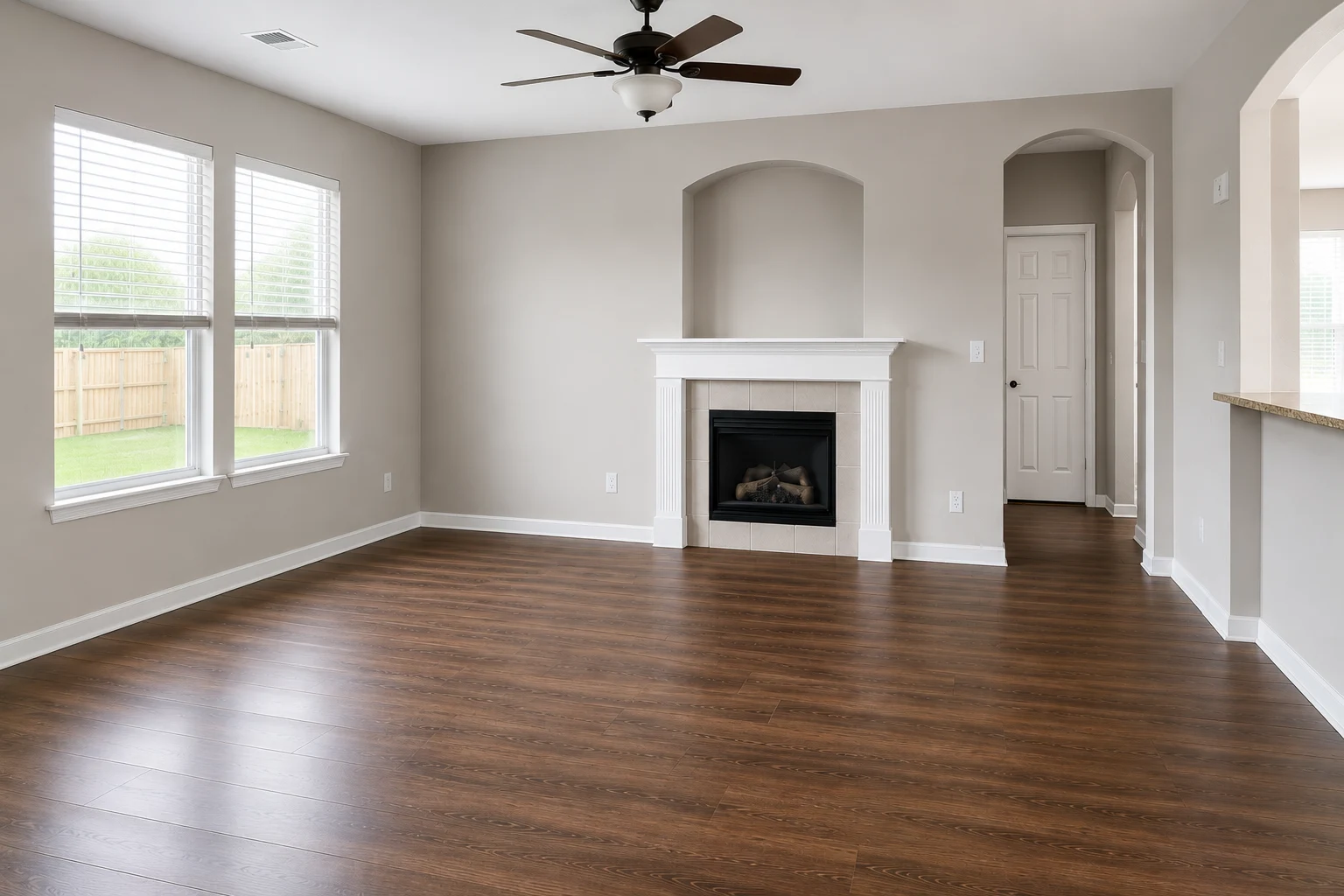
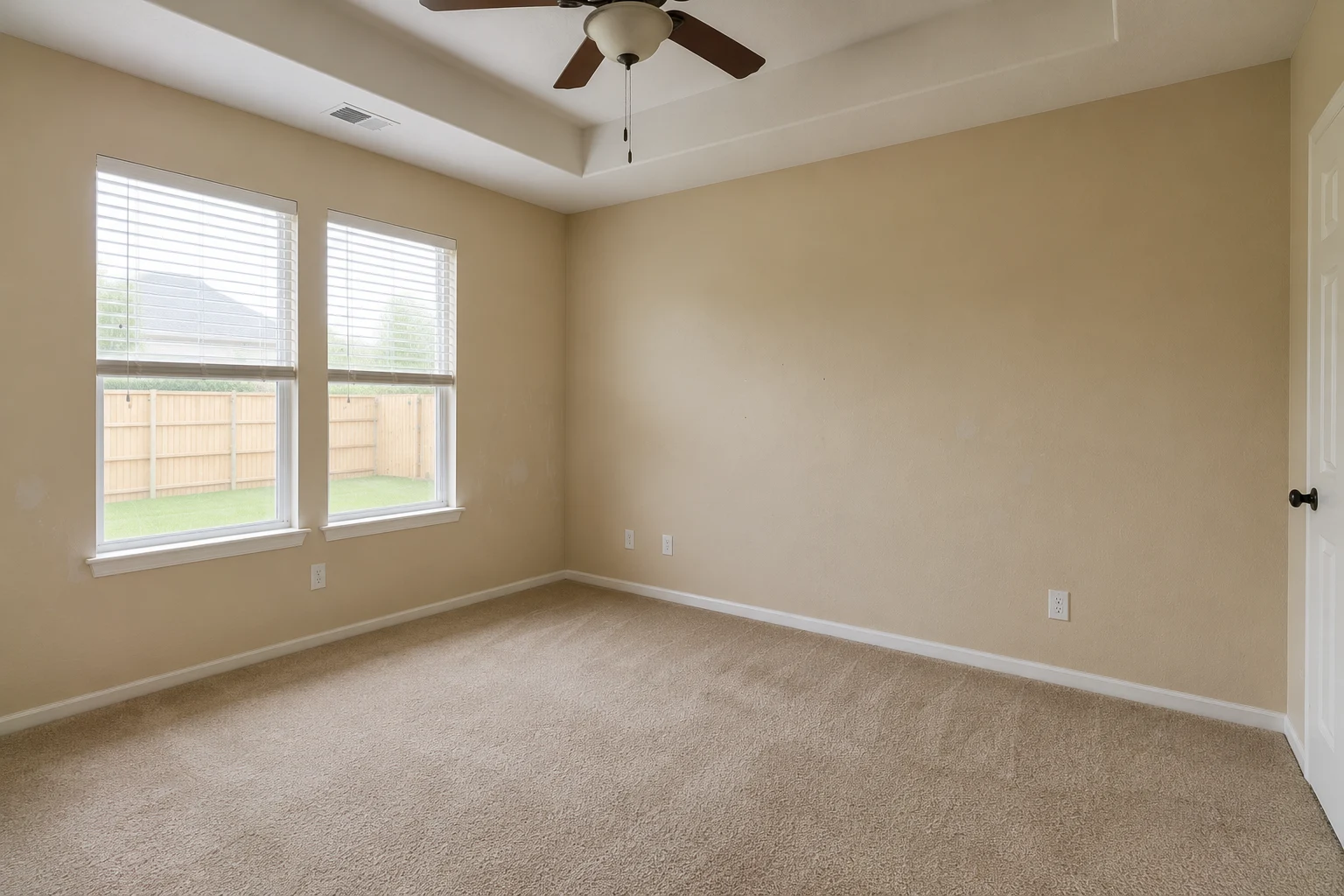
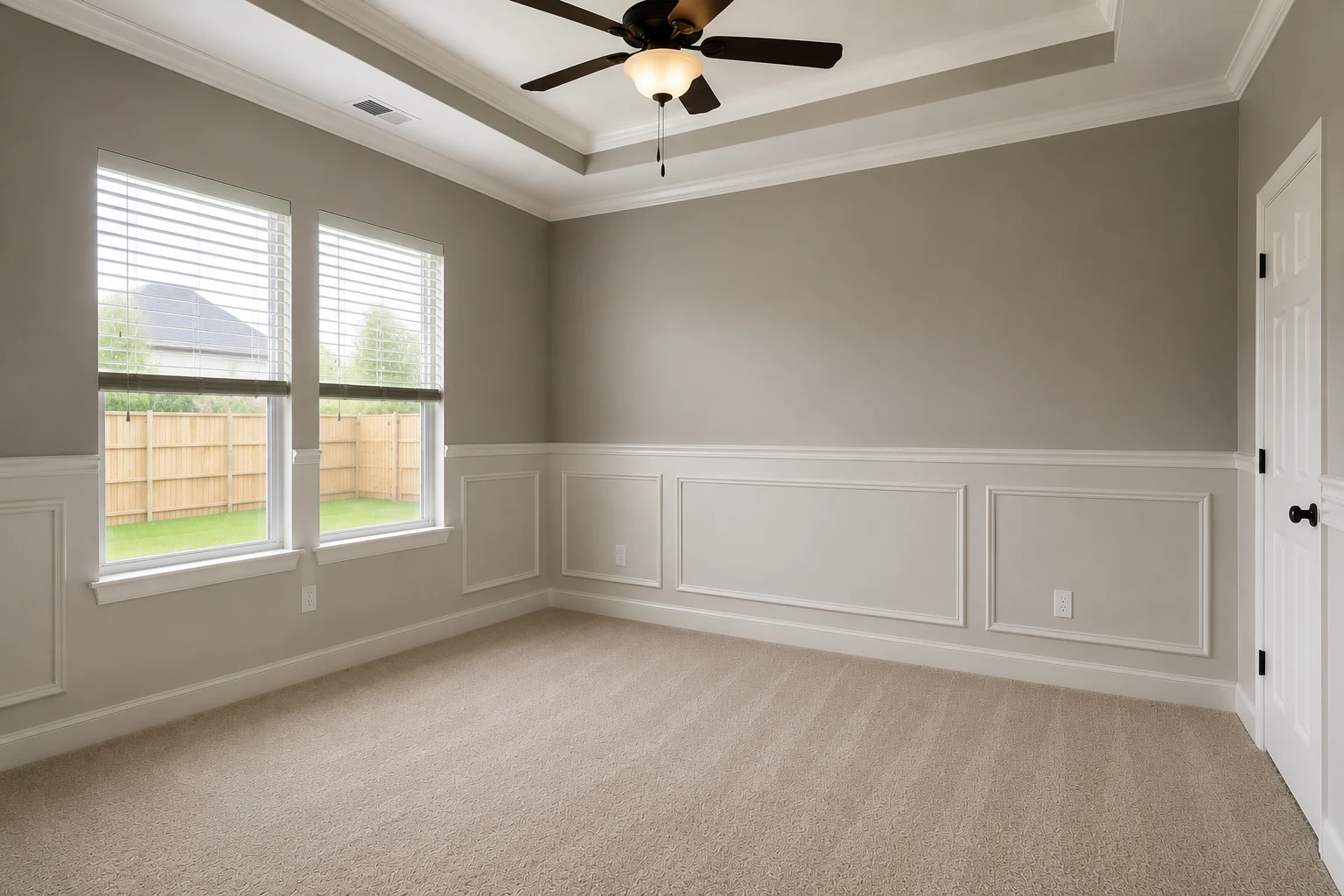
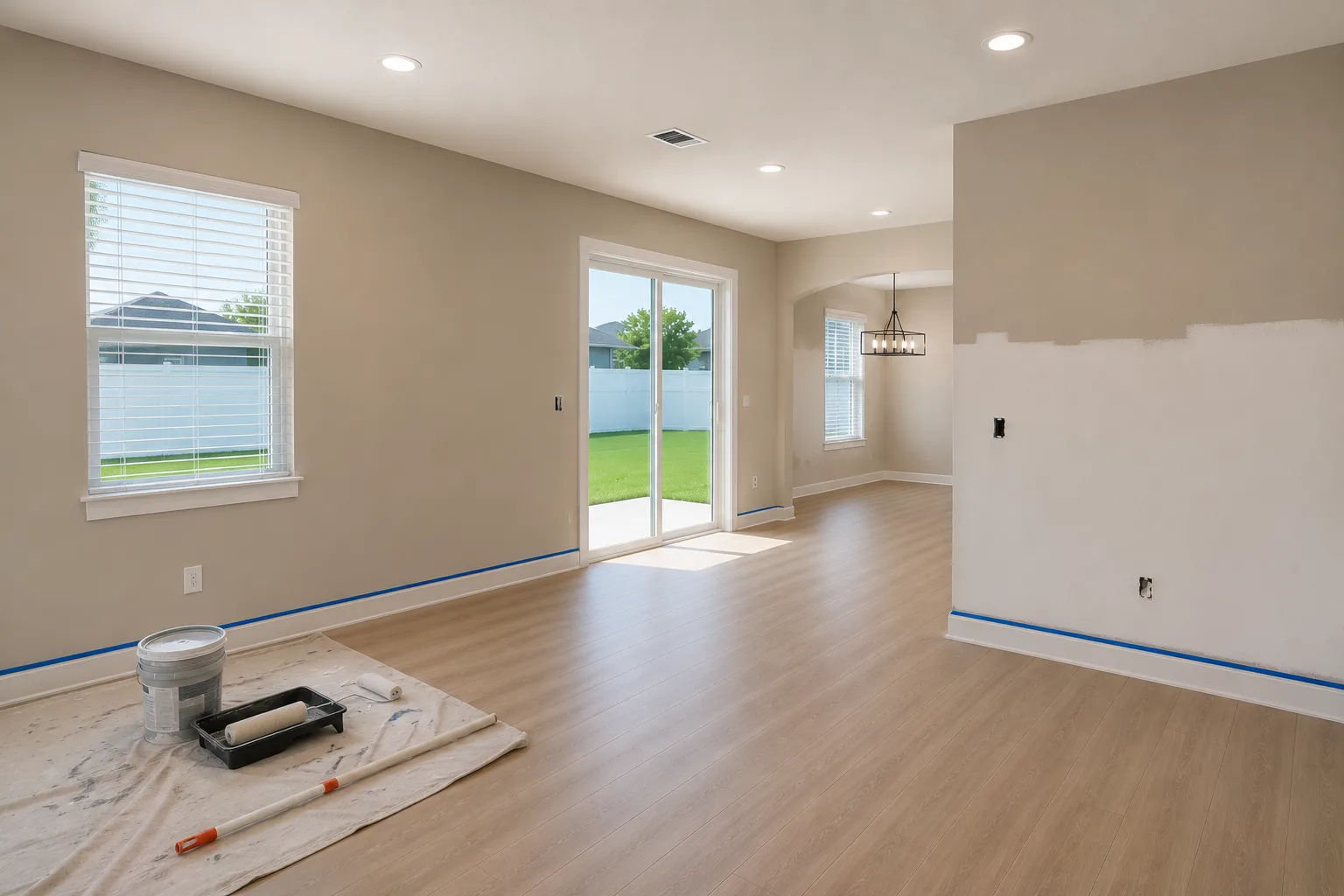
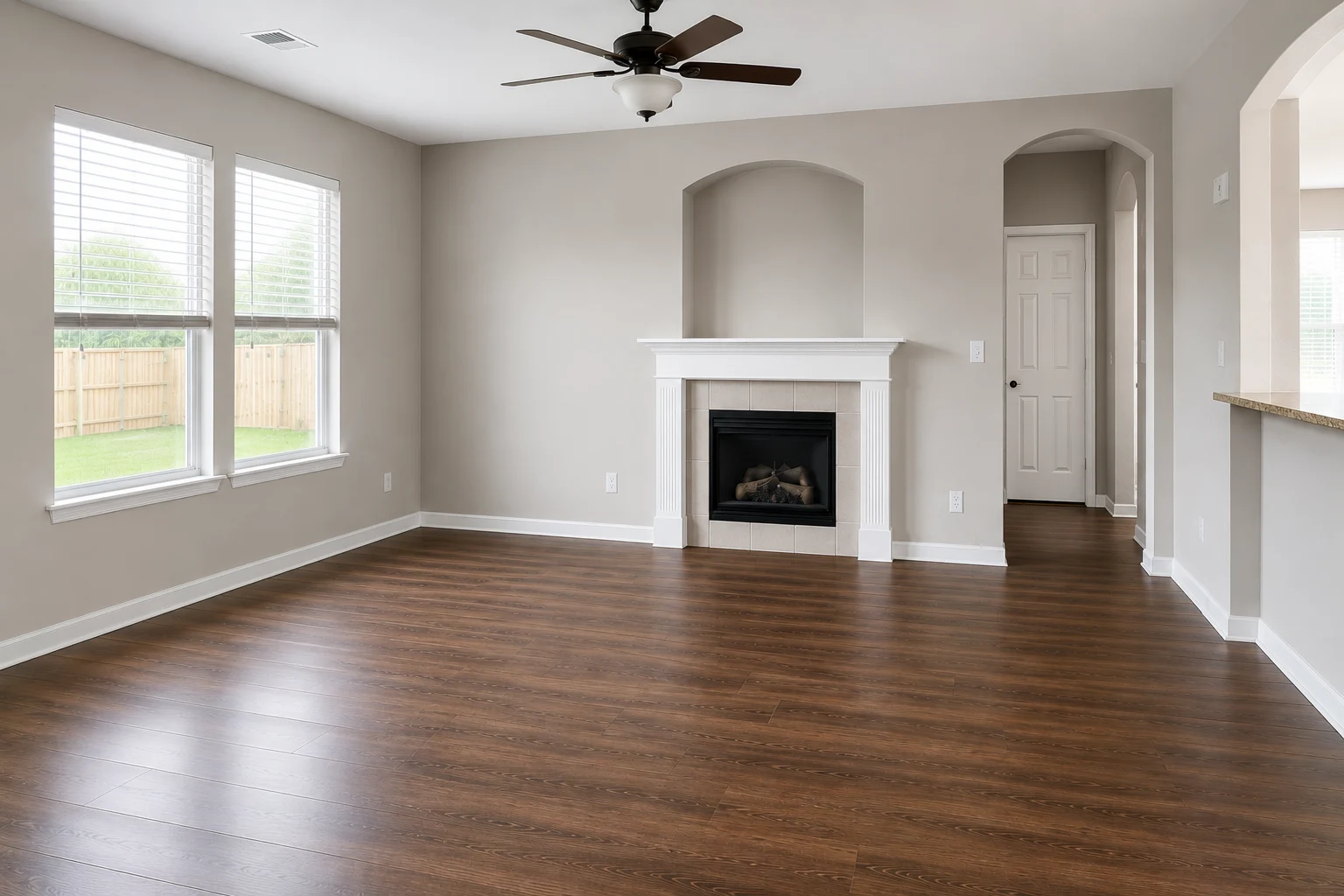 ConceptPaintingSoft Neutral Interior Concept
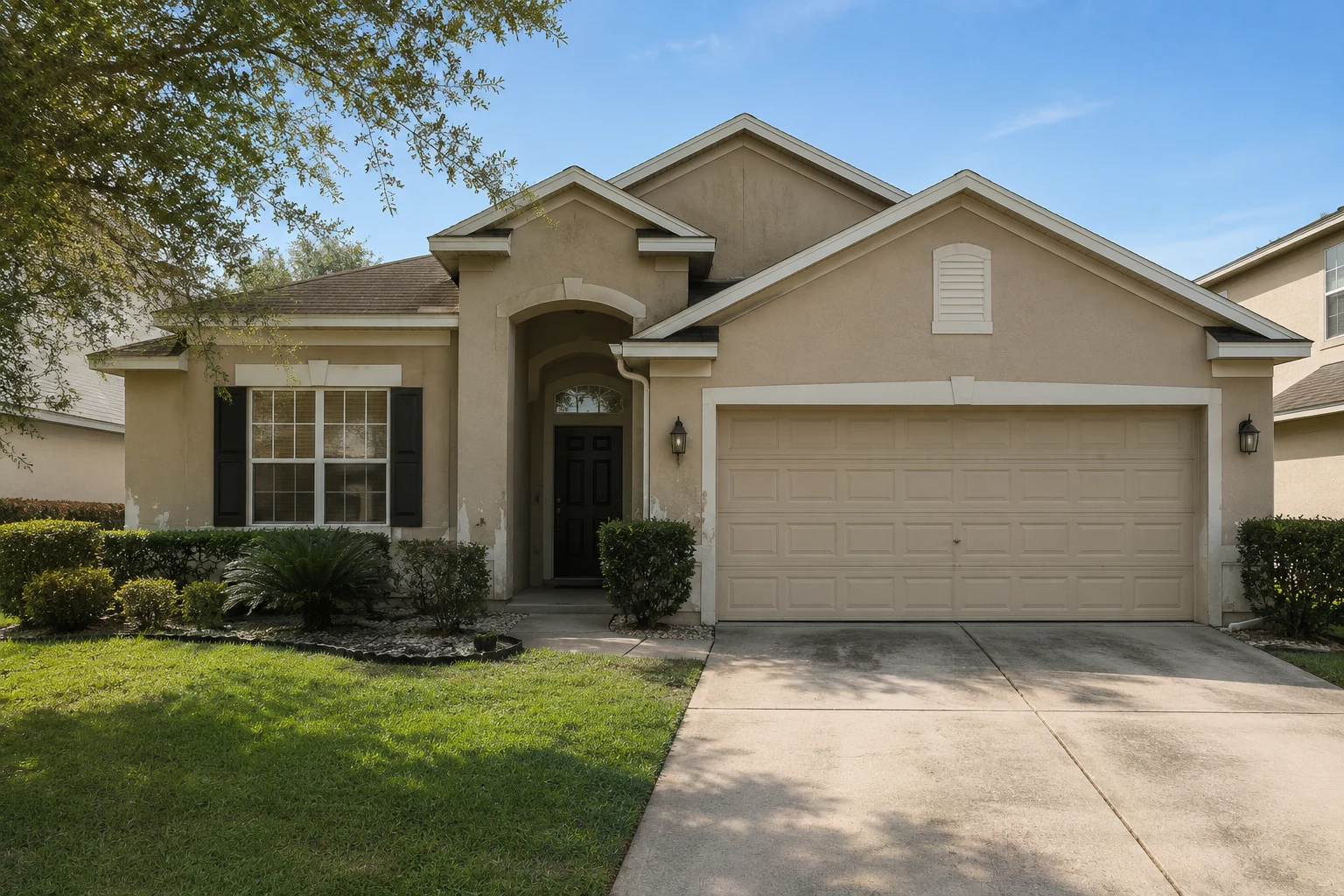
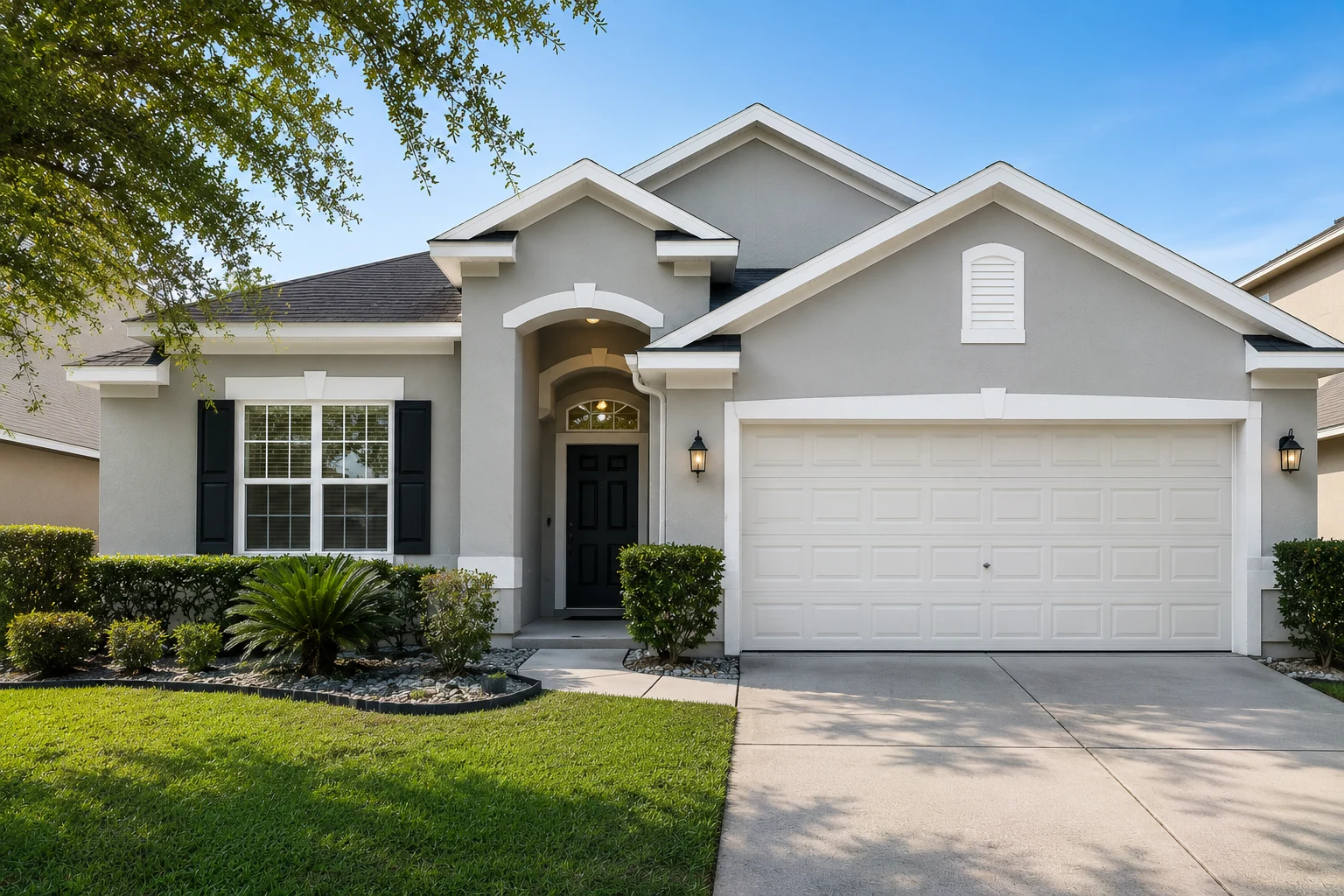
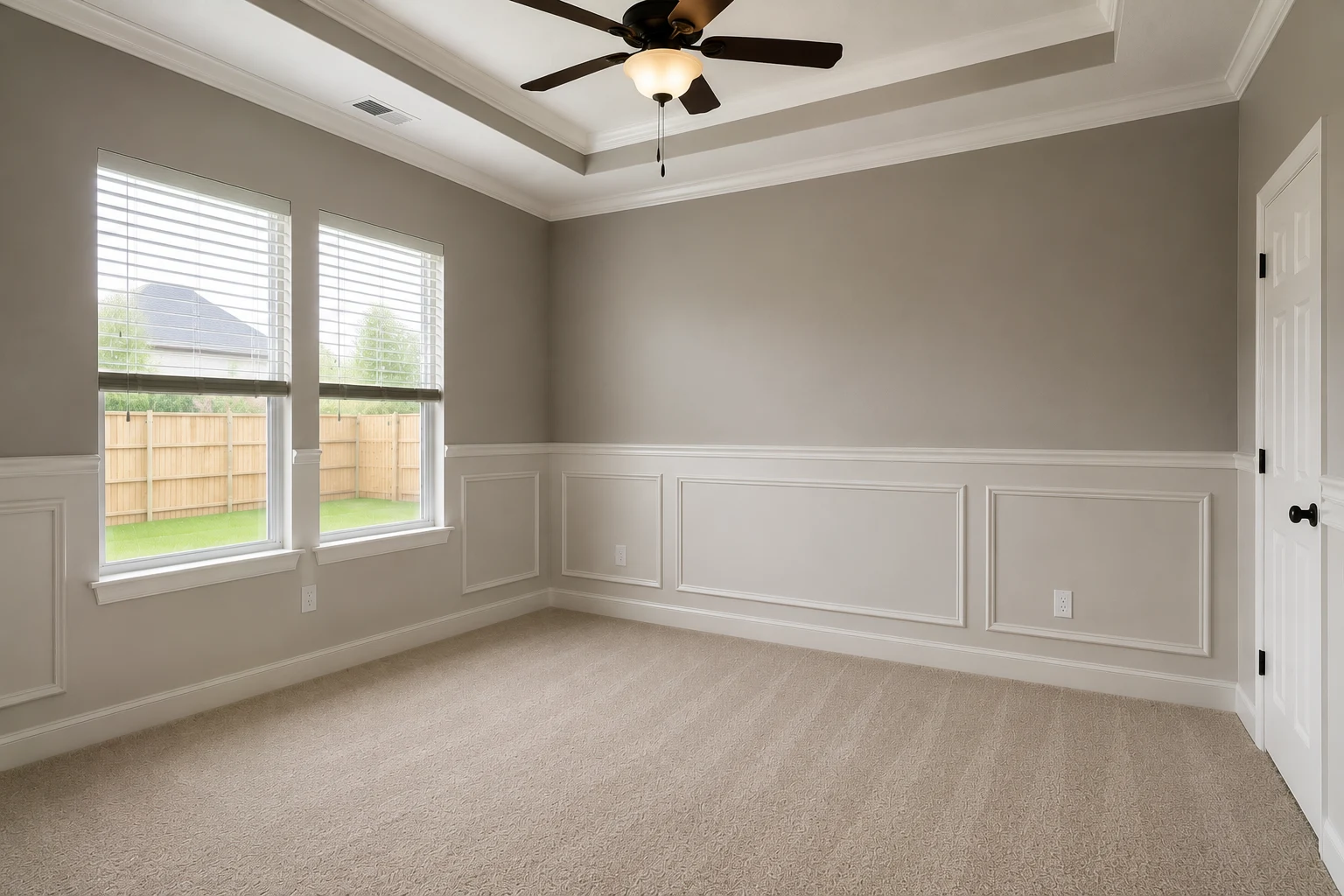 ConceptPaintingRefreshed Stucco Exterior Concept
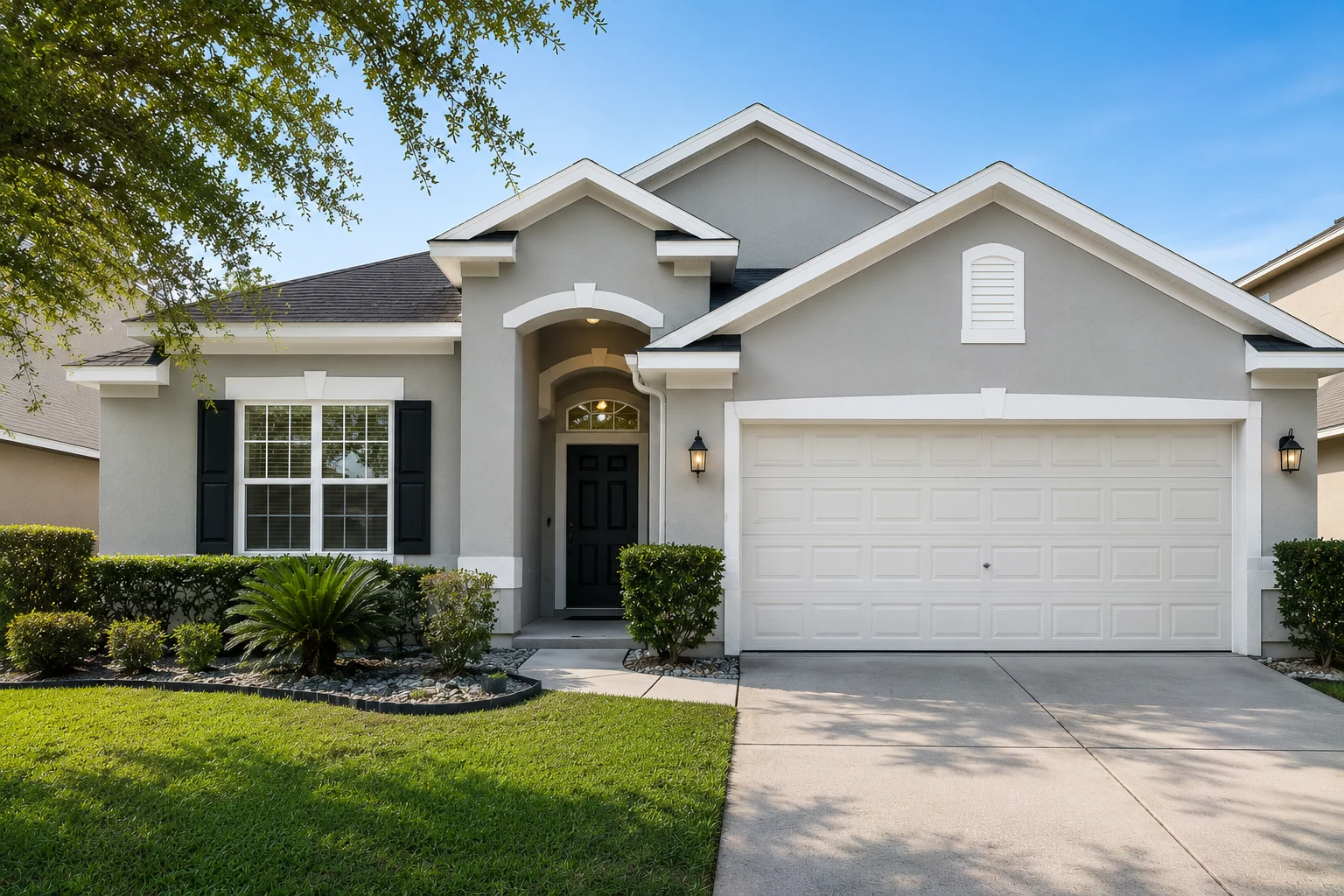 ConceptPaintingCoordinated Whole-Home Palette Concept
These images are conceptual visualizations meant to illustrate the style and quality SAVAM House can deliver — not photographs of projects completed by our team.
Questions
Usually less on the body and more on the details, though the specifics belong to your own association documents rather than anything we would assume. In practice the front door and sometimes the shutters carry most of the available personality, and that is genuinely where a house gains character anyway. Once you know what the boundaries are, we are glad to work inside them and help you get the most out of the room you do have.
It usually determines the start date rather than the duration. Reviews run on the committee’s calendar, not on a project timeline, and submissions can come back with conditions. The practical advice is simply to begin that step early — while colors and elements are still being confirmed — rather than after everything else is arranged. We will prepare whatever documentation the submission calls for.
As detail, not as area. A porch with turned columns, brackets, and a full run of balusters can take more labor than the entire wall surface behind it, because every element is cut in by hand and several may carry their own color. We identify what is being treated separately during the walkthrough and price it that way, so you can see exactly where the hours are going.
Because those surfaces almost never dry properly. Covered ceilings and north-facing elevations get very little sun, so morning damp lingers for hours and organic growth establishes itself in the finish. Painting over it simply feeds it a fresh surface. Those areas need cleaning and treatment first, then time to dry genuinely before anything is applied — sometimes on a different day from the rest of the house.
Quite a lot, though it starts with accepting where the damage is coming from. Pickets near ground level take splash-back from rain, irrigation overspray, and standing damp, so they deteriorate long before anything at eye height. Rotted pickets are replaced rather than coated, sound ones get their end grain sealed, and adjusting sprinkler heads away from the fence line does more for its lifespan than any product will.
On most styles yes, and that is how these houses were designed to work — body, trim, shutter, and door each doing a different job rather than blending into one another. What is available to you depends on your community’s approved scheme for your particular architectural style, so it is worth confirming that first. Within those bounds, the door is where a house gets its personality.
By containing the work rather than trusting the wind. On lots this close together we plan application methods and shielding around the proximity, mask adjacent surfaces and landscaping, and keep materials and access staged so sidewalks and street parking stay usable. The property is swept and put in order at the end of each day, not only at the end of the project.
For exterior work: trim back planting that touches the house or fence, adjust irrigation that sprays walls or pickets, and move vehicles and anything you would rather not have near the work. Inside: take down artwork, clear the tops of furniture in the rooms included, and put small valuables away yourself. Beyond that, the single most useful thing is having the scheme confirmed and approved before day one.
Where the boxes and doors are sound — which in these houses they usually are — yes, and it changes a kitchen entirely. Paneled doors reward a properly built finish: degreased, scuffed, primed for the existing coating, then topcoats laid in thin passes and sanded between them. That is what produces a surface smooth to the hand rather than one that simply looks repainted.
Products chosen for adhesion and flexibility, because wood moves with the seasons and a coating that cannot move with it will crack and lift regardless of quality. Just as important is what goes underneath: bare areas spot-primed, end grain sealed, and repaired sections properly prepared. On these elevations the primer decides how long the finish lasts far more than the topcoat does.
Generally yes — wood simply demands more, and the detail on these houses is where the weather concentrates. That is worth planning for rather than resisting: keeping the trim, porch, and fencing on a shorter cycle than the body keeps the frontage consistent and stops small failures at column bases and rail ends turning into carpentry. In a neighborhood maintained to this standard, that consistency is most of what people are actually seeing.
Use the form on this page to outline what you have in mind — the exterior, specific woodwork, interior rooms, or all of it — and mention whether you have already confirmed your scheme. We will follow up to discuss it and, where it makes sense, come and walk the property before putting figures to anything.
Tell us what you have in mind and we will walk the property, look properly at the porch, the trim, and the woodwork, and set out a scope that reflects what the house actually needs.