 Current Service
Kitchen Remodeling
Transform the heart of your home with a kitchen that blends functionality, craftsmanship, and modern design.
Kitchen Remodeling for Four Corners Homes
Most kitchens here came builder-basic — box cabinets, thin counters, a grade of everything chosen to keep the house affordable. Improving one well is less about a big budget than about spending a sensible one in the right order, on the things that actually change how the room looks and works.
Get Your Free EstimateFree In-Home Consultation
Organized Process
Every project follows a clear, structured process from first contact to final walkthrough.
Quality Craftsmanship
We pay attention to the details that make a remodel feel finished and durable.
Clear Communication
You'll always know what's happening with your project and what comes next.
Commitment to Your Home
We treat every property with the same care and respect as if it were our own.
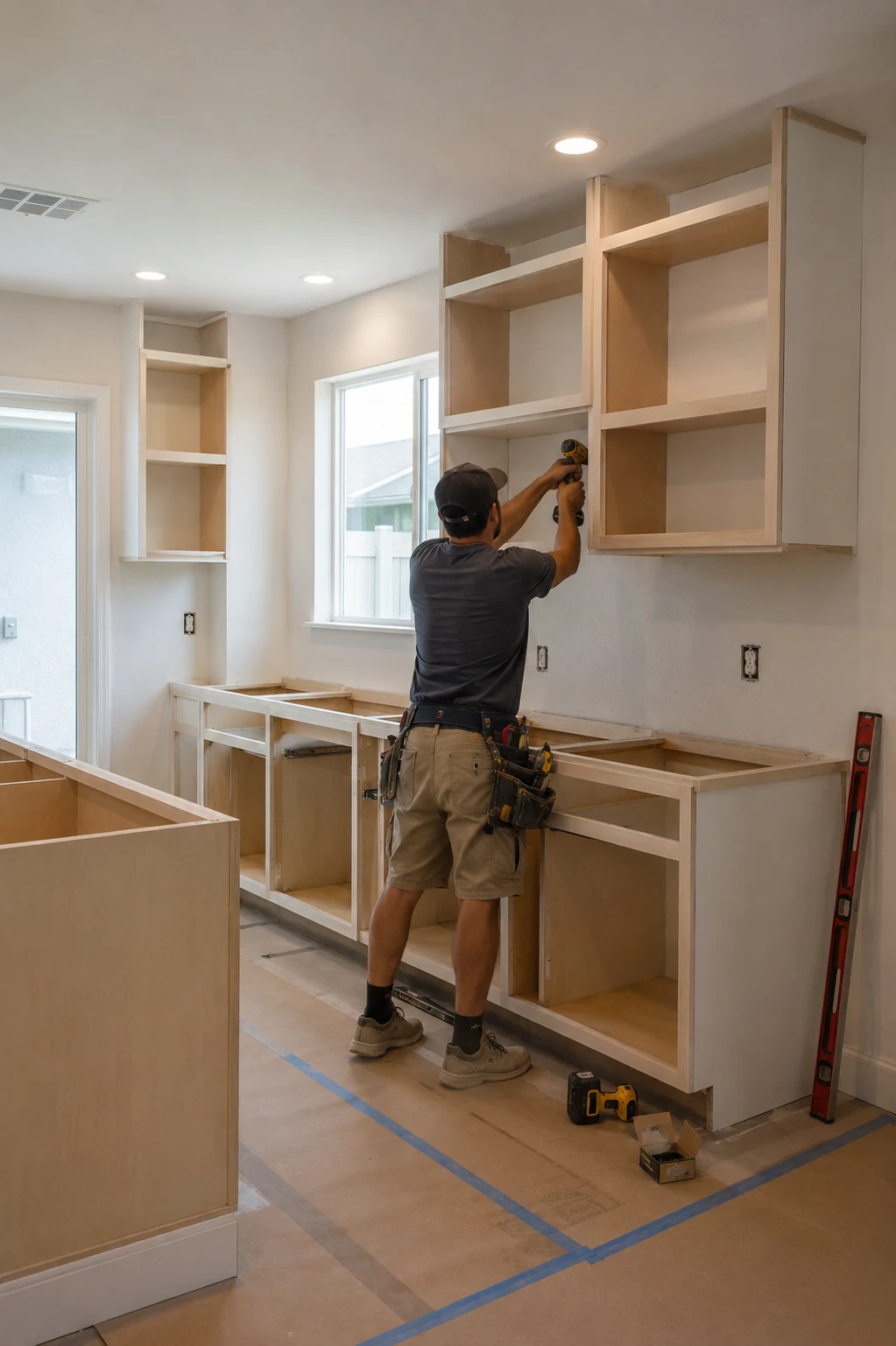 Where Spending Counts
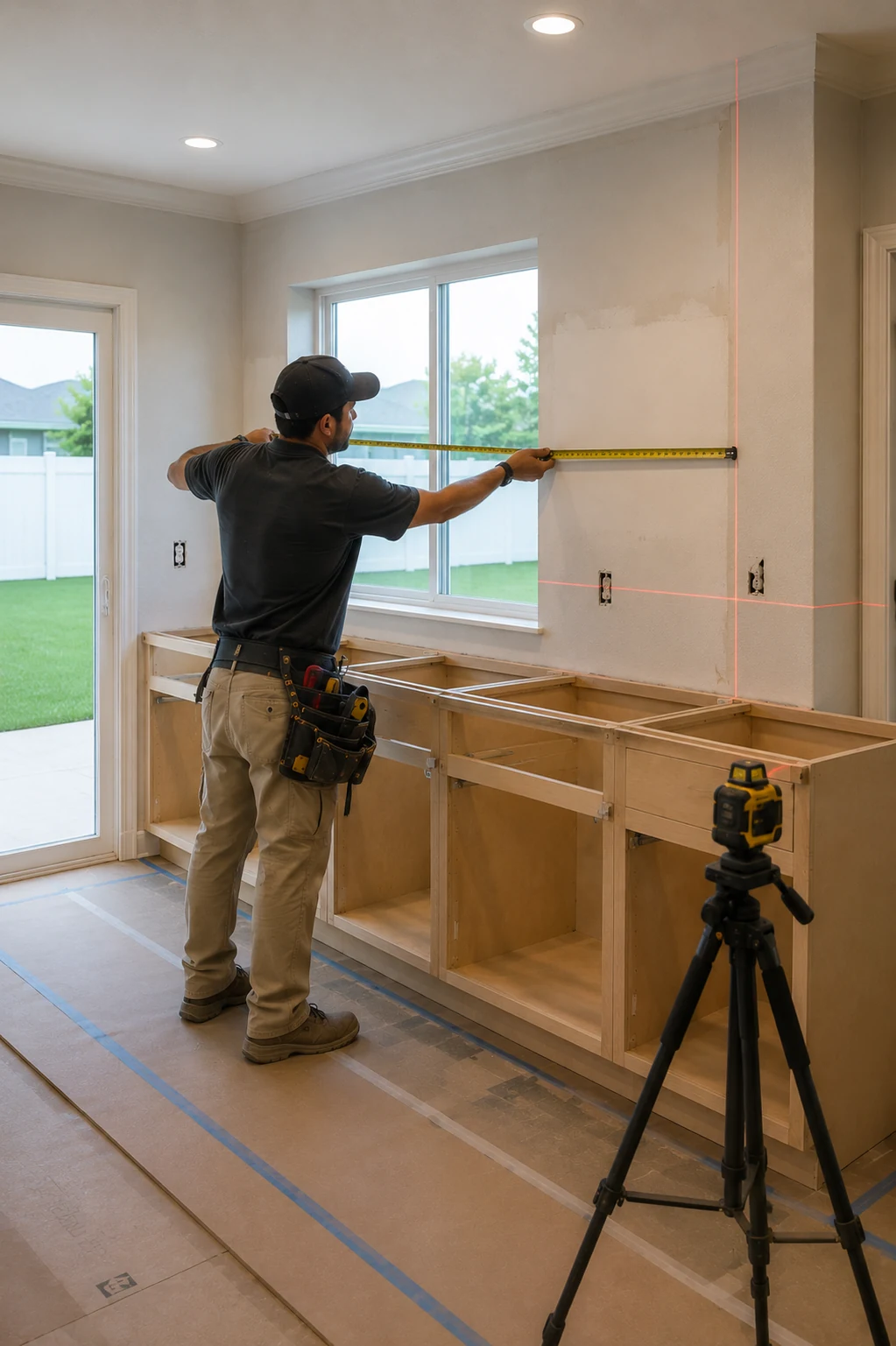 Value on the Surface
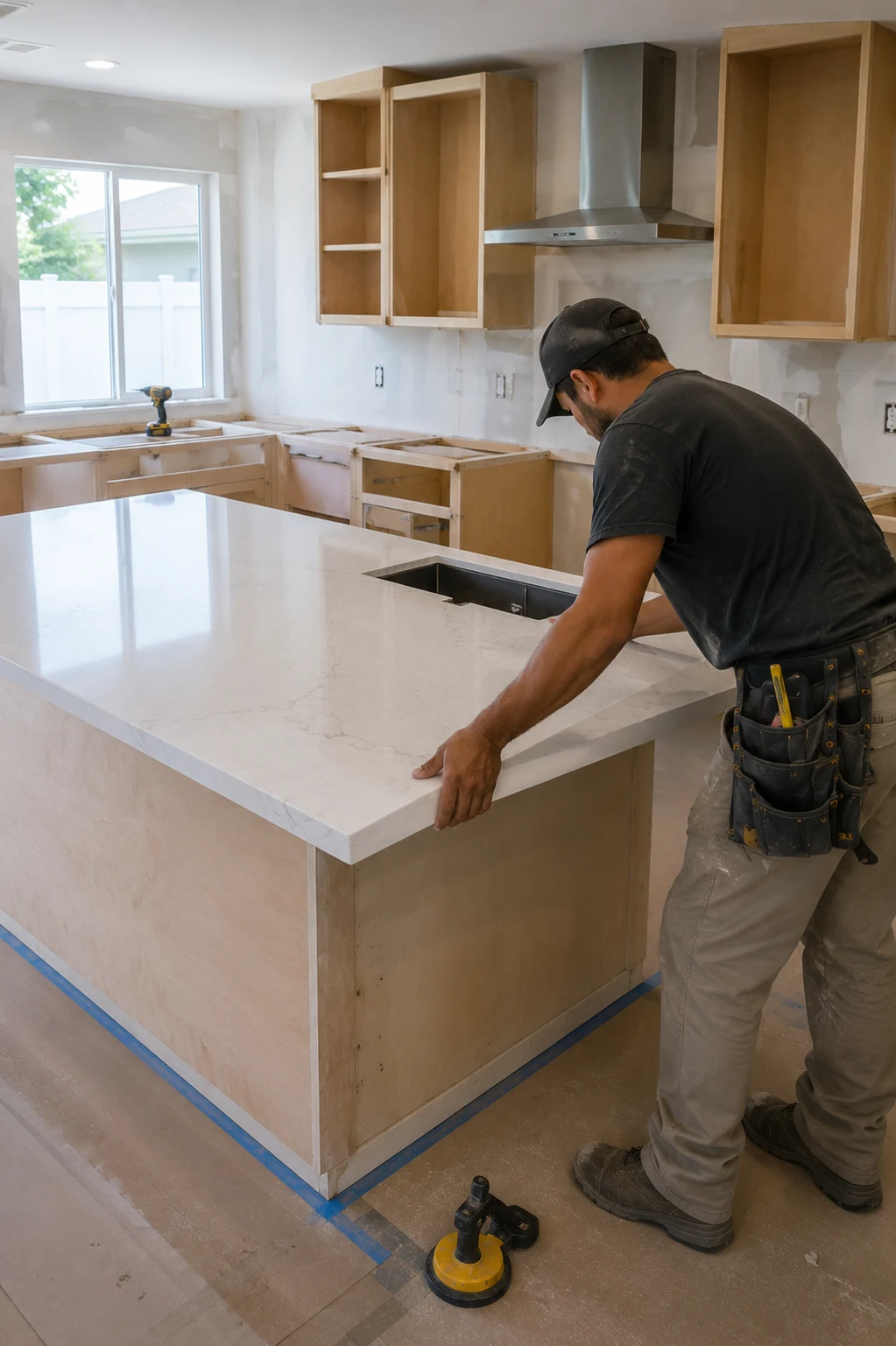 Impact Without Excess
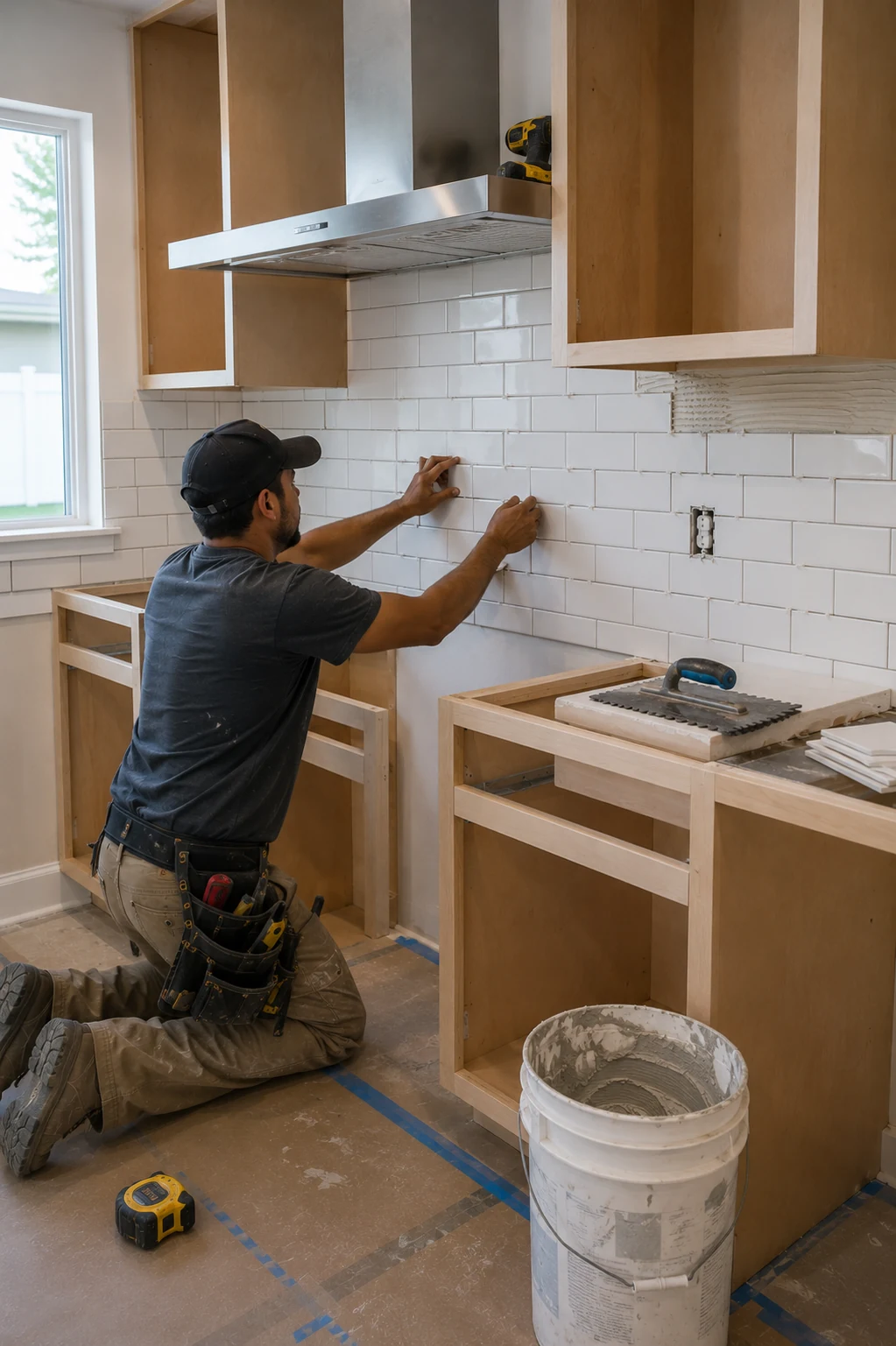 Looks Above Its Cost
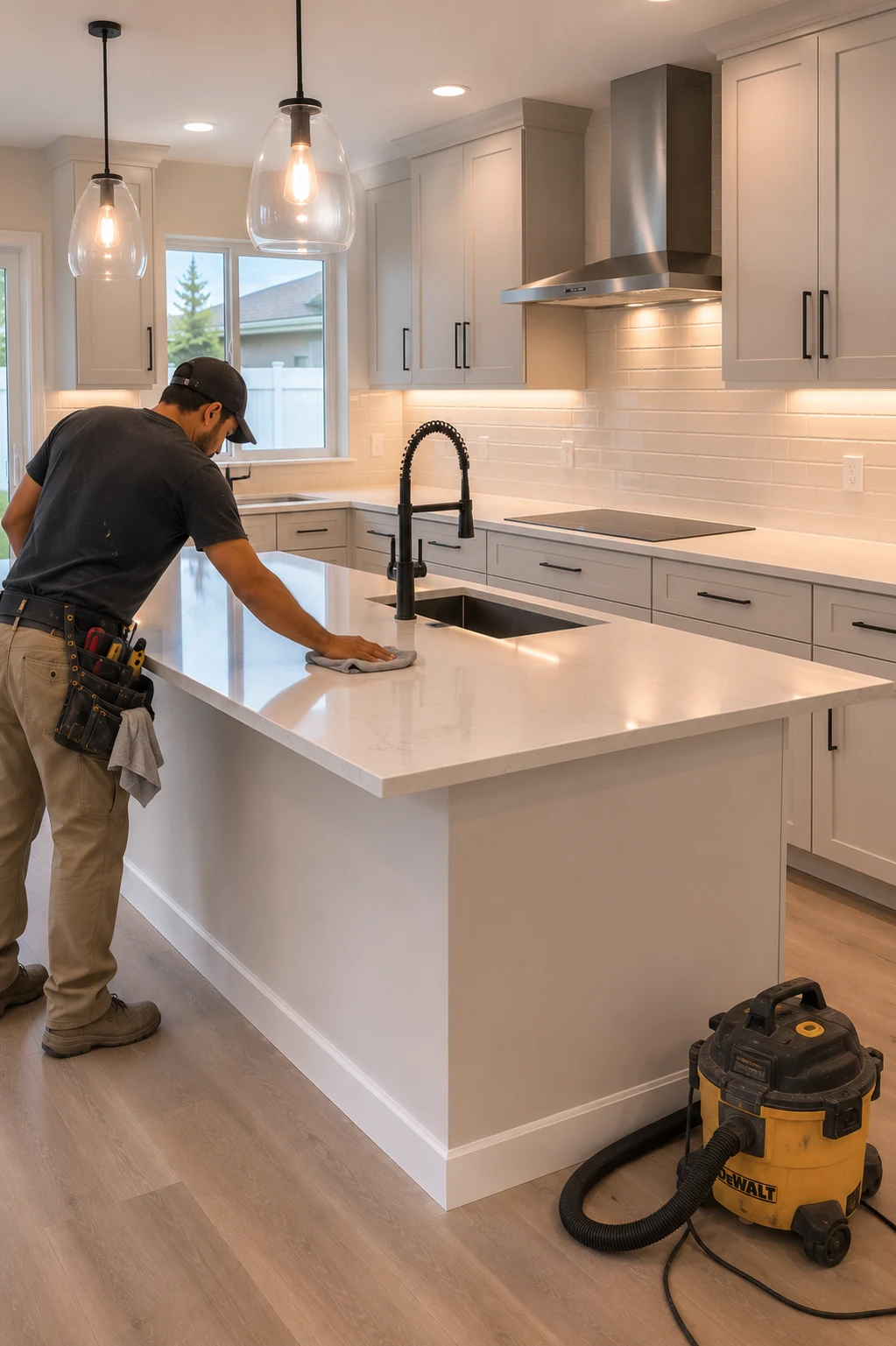 Better on a Budget
Working With Us
We're not focused on being the biggest — we're focused on being organized, communicative, and easy to work with.
Your project starts with a clear plan, not guesswork.
You'll hear from a real person about the status of your project.
We treat the small details as seriously as the big decisions.
How It Works
We start by understanding your goals, your home, and the scope of your project.
We translate your vision into a clear, organized plan before any work begins.
You choose finishes and materials with guidance from our team.
Our team executes the project with attention to detail and clear communication.
We review the finished work together to make sure everything meets your expectations.
Value, Not Excess
The same rooms, changed by spending deliberately on what moves the needle and holding back on what does not — not by throwing money at everything.
What You Get
These are the things that matter when the budget is real and every choice has to earn its place, and none of them come from simply buying the most expensive version of everything.
Handled Together
When the budget is finite, grouping the right work with the kitchen is often better value than treating each job as a separate project later.
Current ServiceTransform the heart of your home with a kitchen that blends functionality, craftsmanship, and modern design.
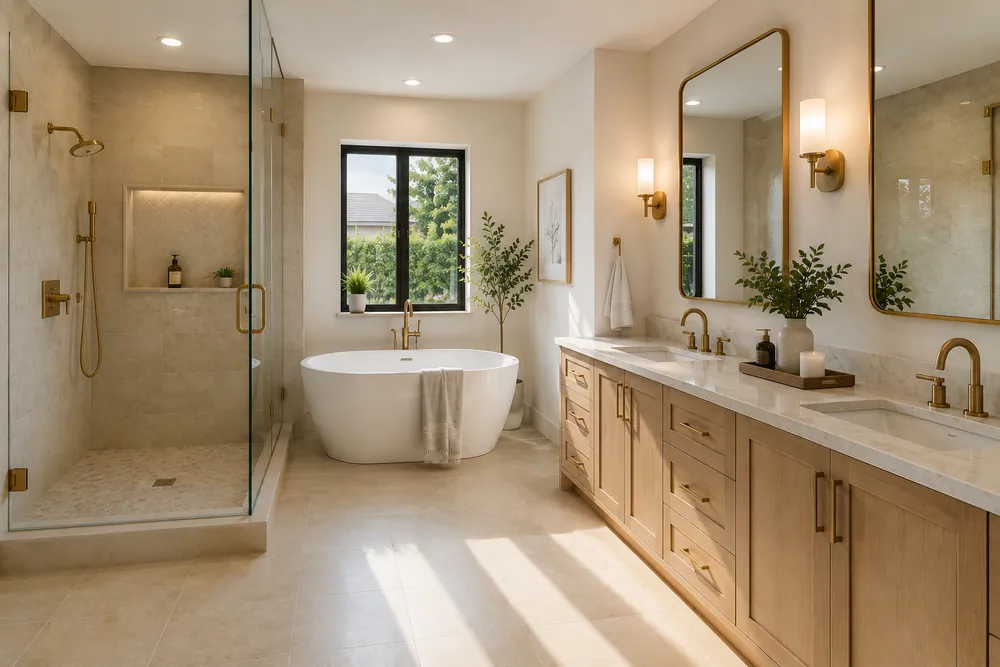
Modernize your bathroom with thoughtful layouts, quality finishes, and lasting comfort.
Learn More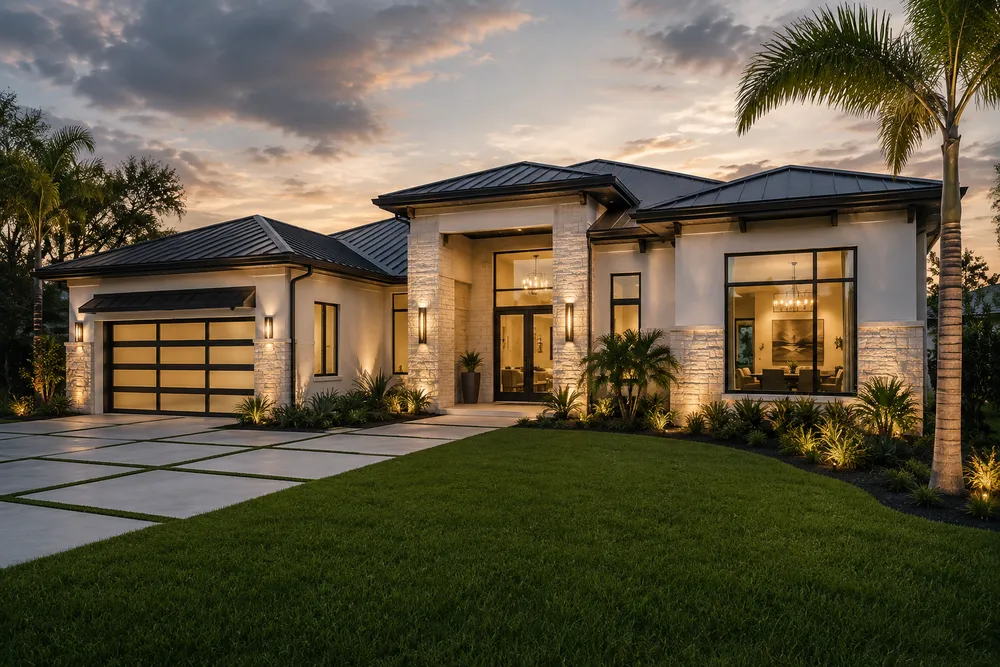
Coordinate a complete transformation of your home, from layout to finishing details.
Learn More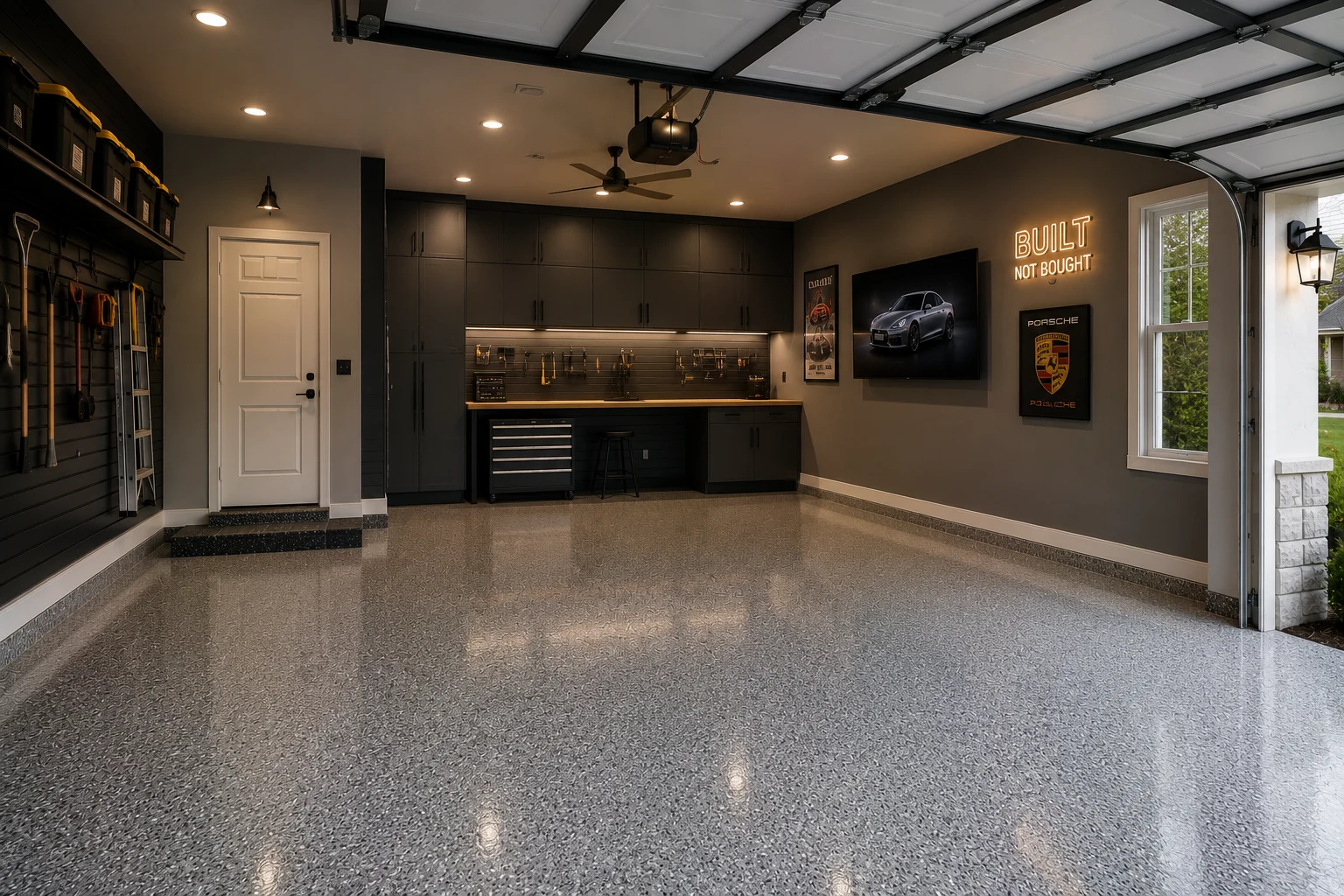
Turn your garage into an organized, durable, and functional extension of your home.
Learn More
Install and refresh flooring throughout your home with materials built to last.
Learn More
Refresh interior and exterior surfaces with professional, detail-oriented painting.
Learn More
Create outdoor spaces designed for everyday living and relaxed entertaining.
Learn More
Design and build a custom pool tailored to your home and lifestyle.
Learn More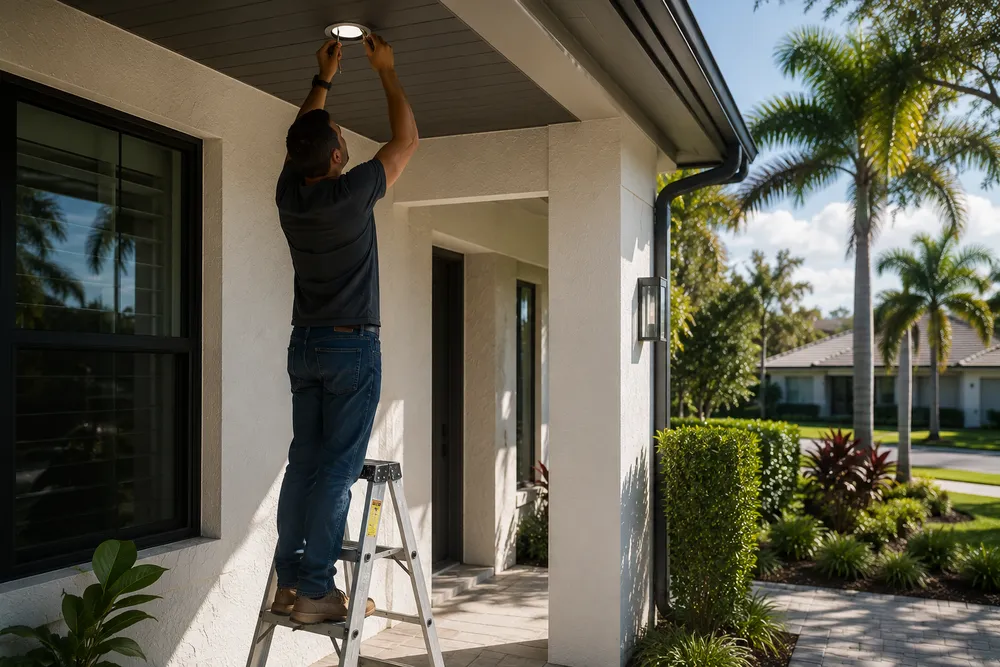
Handle everyday repairs and improvements with the same attention to detail as larger projects.
Learn MoreGet Started
Tell us about your project and our team will reach out to discuss the next steps.
Get your free estimate in less than 2 minutes
Prefer to talk it through first? Call or email us directly.
How We Approach It
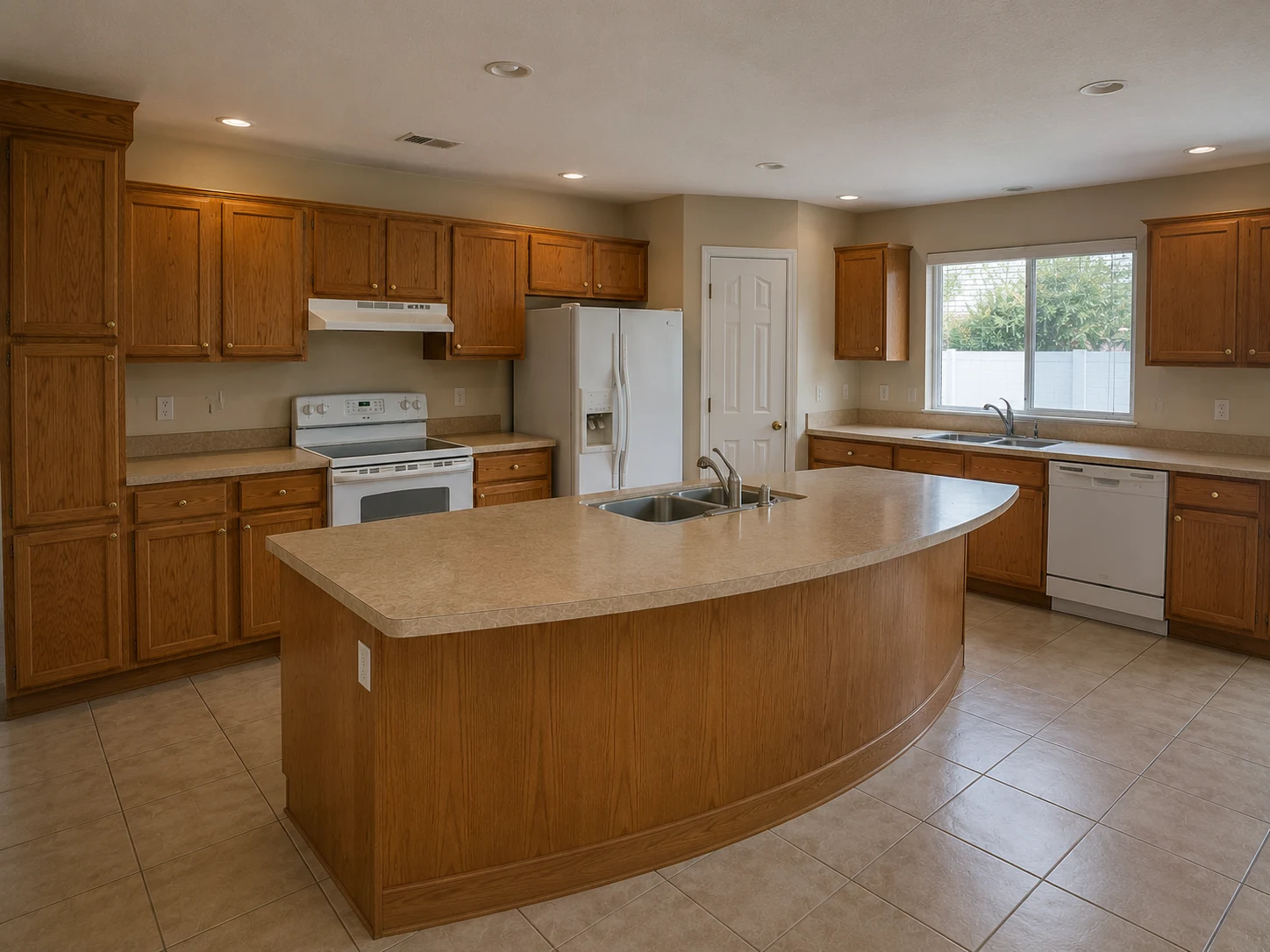
Four Corners grew quickly, and it grew affordable. A lot of the kitchens here are honest, functional, and completely plain — box cabinets, a thin laminate counter, a builder-grade tap and sink, the whole room specified to keep the price of the house down. For a first-time buyer or a growing family, that kitchen works, but it is nobody’s idea of the room they wanted. The question is rarely whether it could be better; it is how to make it meaningfully better without pretending the budget is unlimited.
That is the kind of project we are built for, and the honest answer is that a great outcome depends far more on where the money goes than on how much of it there is. Some things change the whole room — the cabinets your eye lands on, the counter you use every day, the layout that decides whether the kitchen flows. Others cost real money and change almost nothing you notice. The work is to spend deliberately on the first kind, hold back on the second, and, where the budget will not stretch to everything at once, phase the kitchen so it improves in sensible stages rather than waiting years for one big spend. Done that way, a modest budget buys a kitchen that looks and works far above what it cost.
Planning Ahead
Four things worth settling when the aim is the most improvement for a budget that has a limit.
A budget goes furthest when it is pointed at the one or two things that bother you most, rather than spread thinly across everything. Maybe it is the cramped layout, maybe the tired cabinets, maybe there is simply nowhere to work. Naming the real problem first means the money solves it properly instead of lightly improving several things and fixing none. Everything else in the plan should follow from what the kitchen most needs, not from a wish to touch every surface.
Not every dollar buys the same amount of difference. Cabinets, counters, and a layout that flows change how the whole room reads and works; a handful of other upgrades cost real money and change little you would notice. Deciding early which category each choice falls into is what lets a real budget land where it shows and hold back where it would not. It is the single most useful conversation to have before anything is bought.
If the budget will not cover everything you want at once, the choice is not simply do-it-all-or-nothing. A kitchen can be improved in phases that each stand on their own — the layout and cabinets now, other elements later — so you live in a better room straight away and complete it as funds allow. Planning the phases up front, so early work does not have to be undone later, is what makes staging a saving rather than a false economy.
The fastest way to lose control of a kitchen budget is to agree the numbers loosely and then add "just one more thing" repeatedly. Setting a clear scope and an honest figure at the start, and deciding what is in and what waits, protects a household that is spending carefully from a total that quietly climbs. A budget you can trust from the beginning is worth more than a slightly grander kitchen you did not plan to pay for.
Why SAVAM House
Every project follows a clear, structured process from first contact to final walkthrough.
We pay attention to the details that make a remodel feel finished and durable.
You'll always know what's happening with your project and what comes next.
We treat every property with the same care and respect as if it were our own.
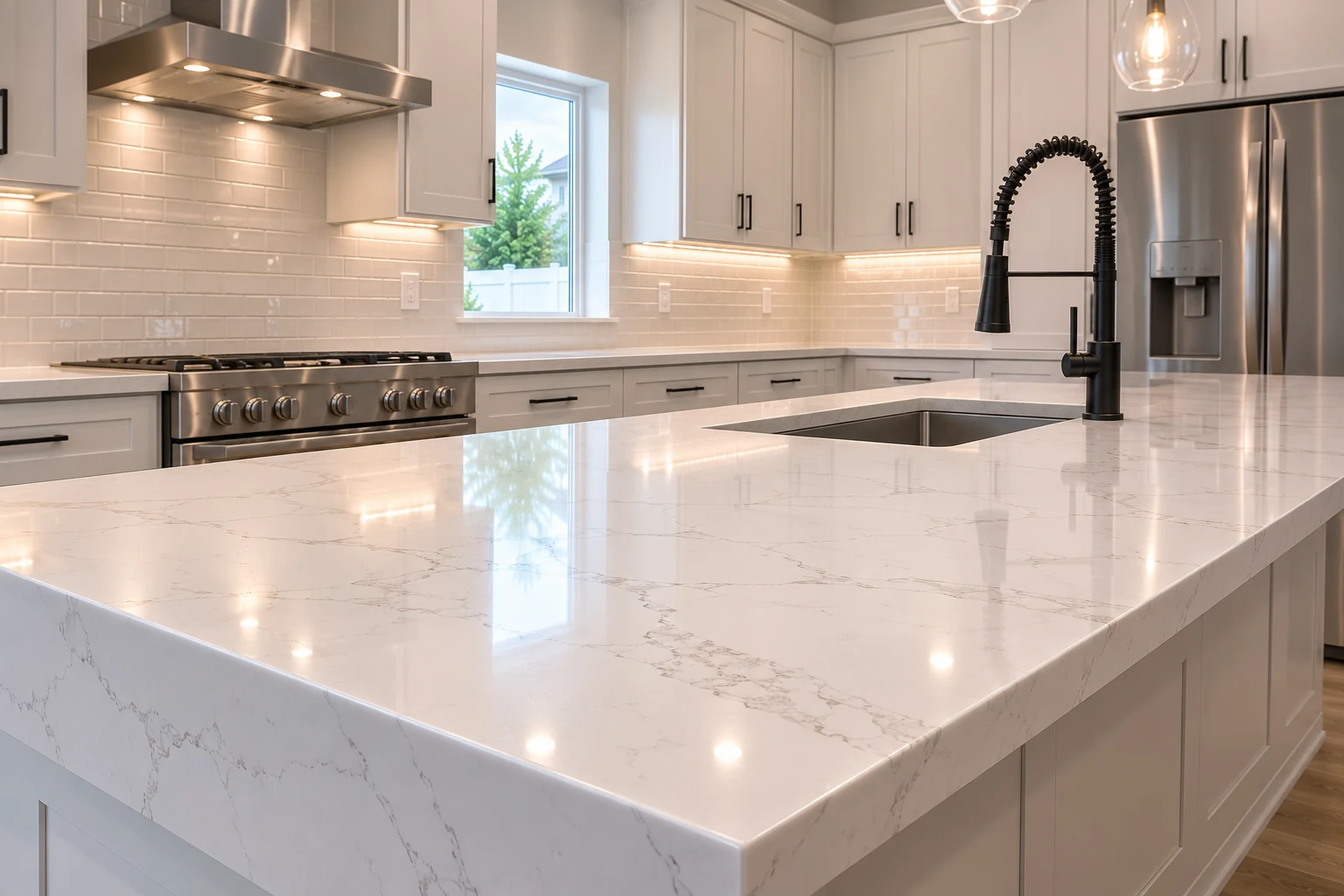 Cabinetry Chosen for Impact per DollarSpecified to give the biggest visible improvement for what it costs, because cabinets are where a kitchen budget most shows.
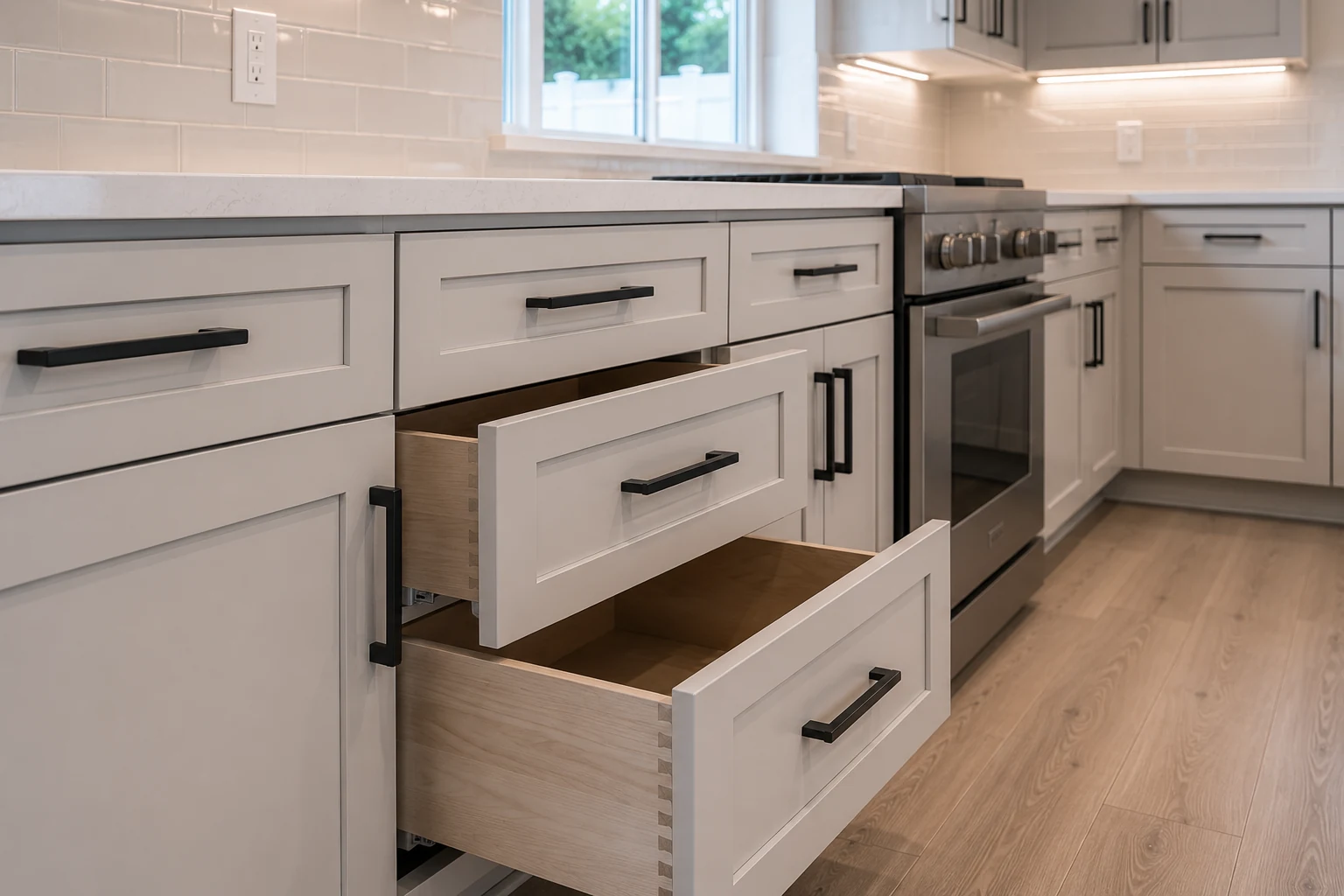 Surfaces That Read Richer Than They CostCounters chosen for the ones that look and wear far above their price, so a modest budget ends up looking like more.
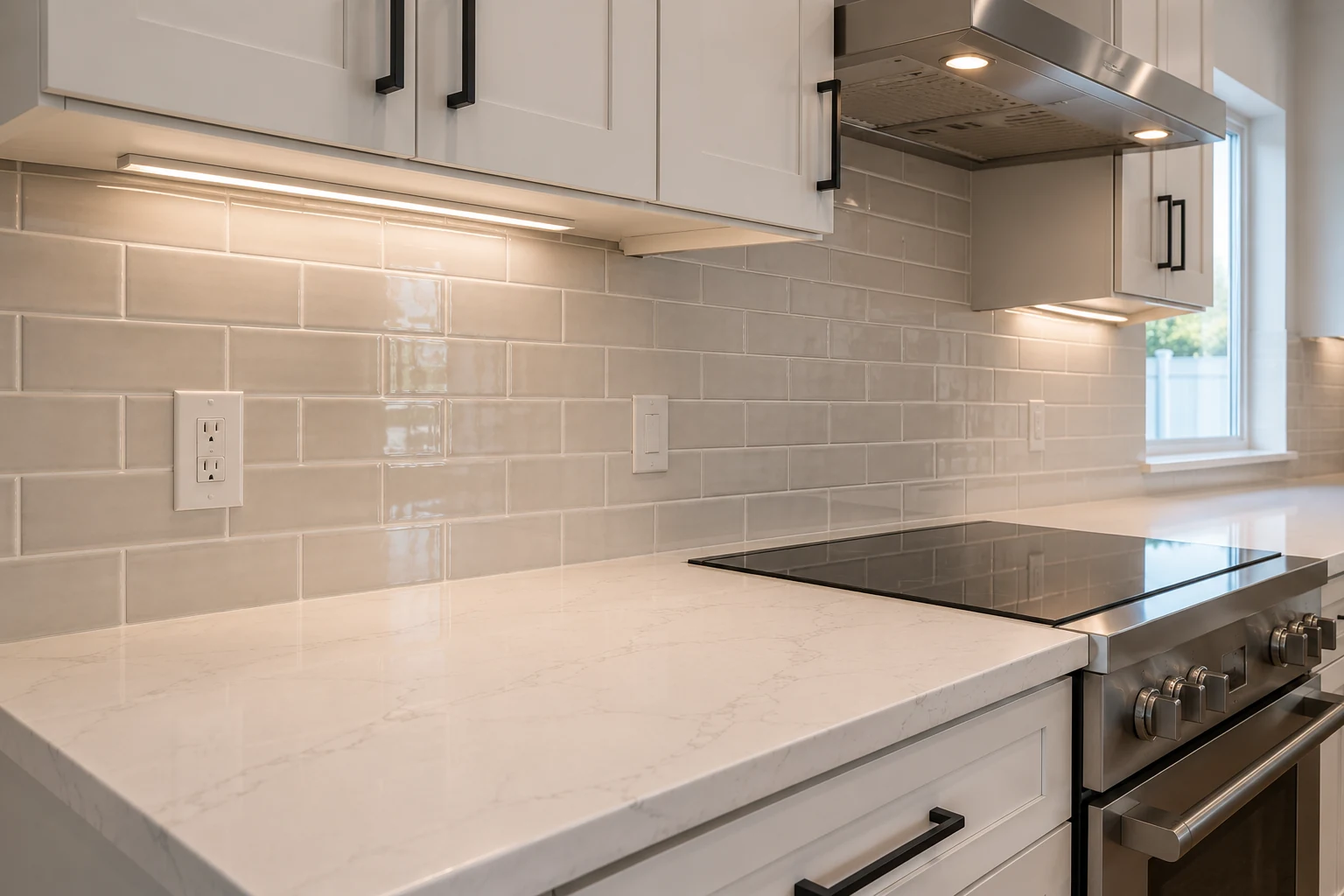 Durable Splash for a Busy HouseholdBacksplash selected to take daily use from a growing family without being an expensive indulgence.
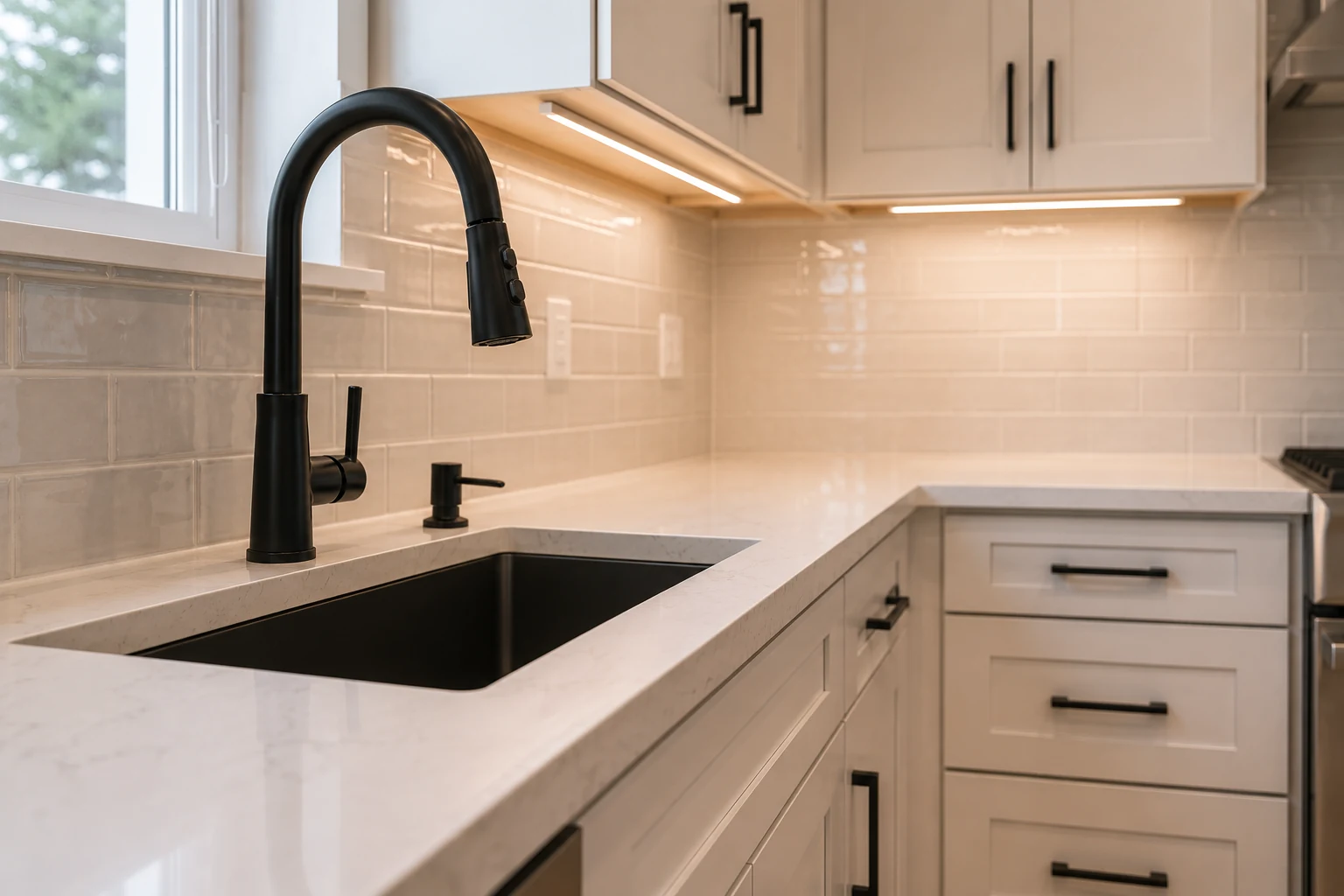 Fittings That Punch Above Their WeightTaps and hardware picked for the affordable options that feel and last well beyond what they cost.
Three Ways to Spend Well
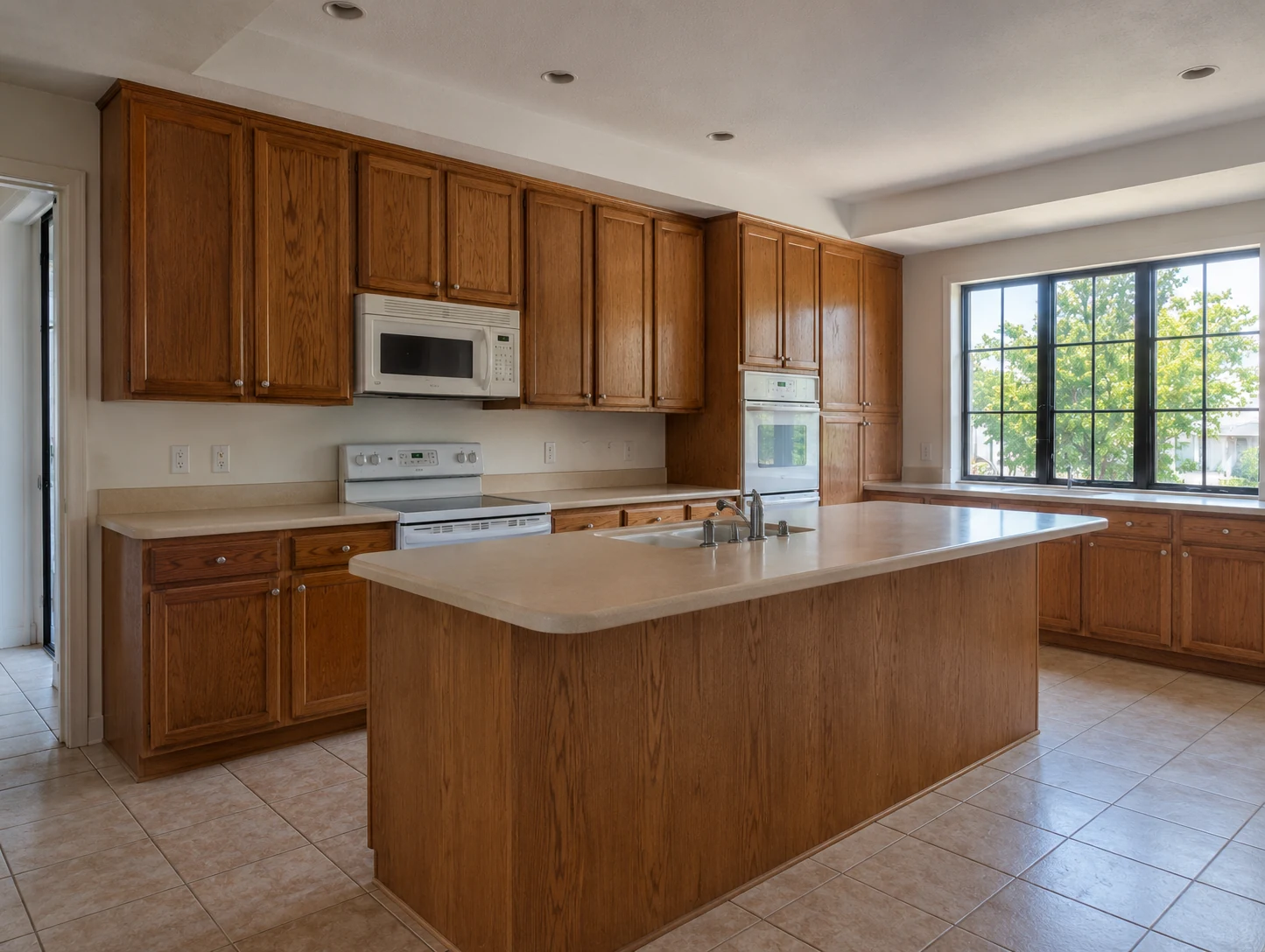
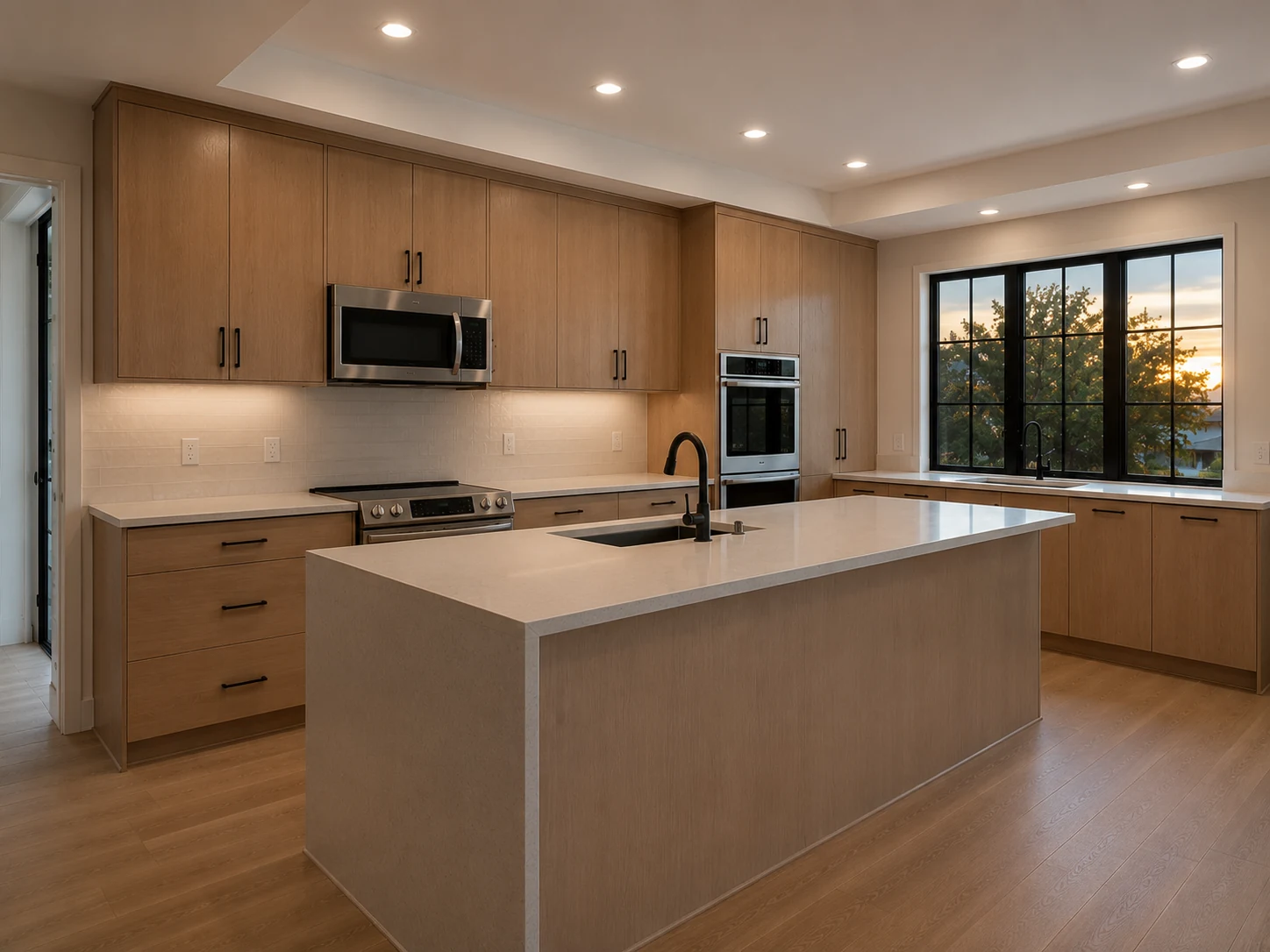
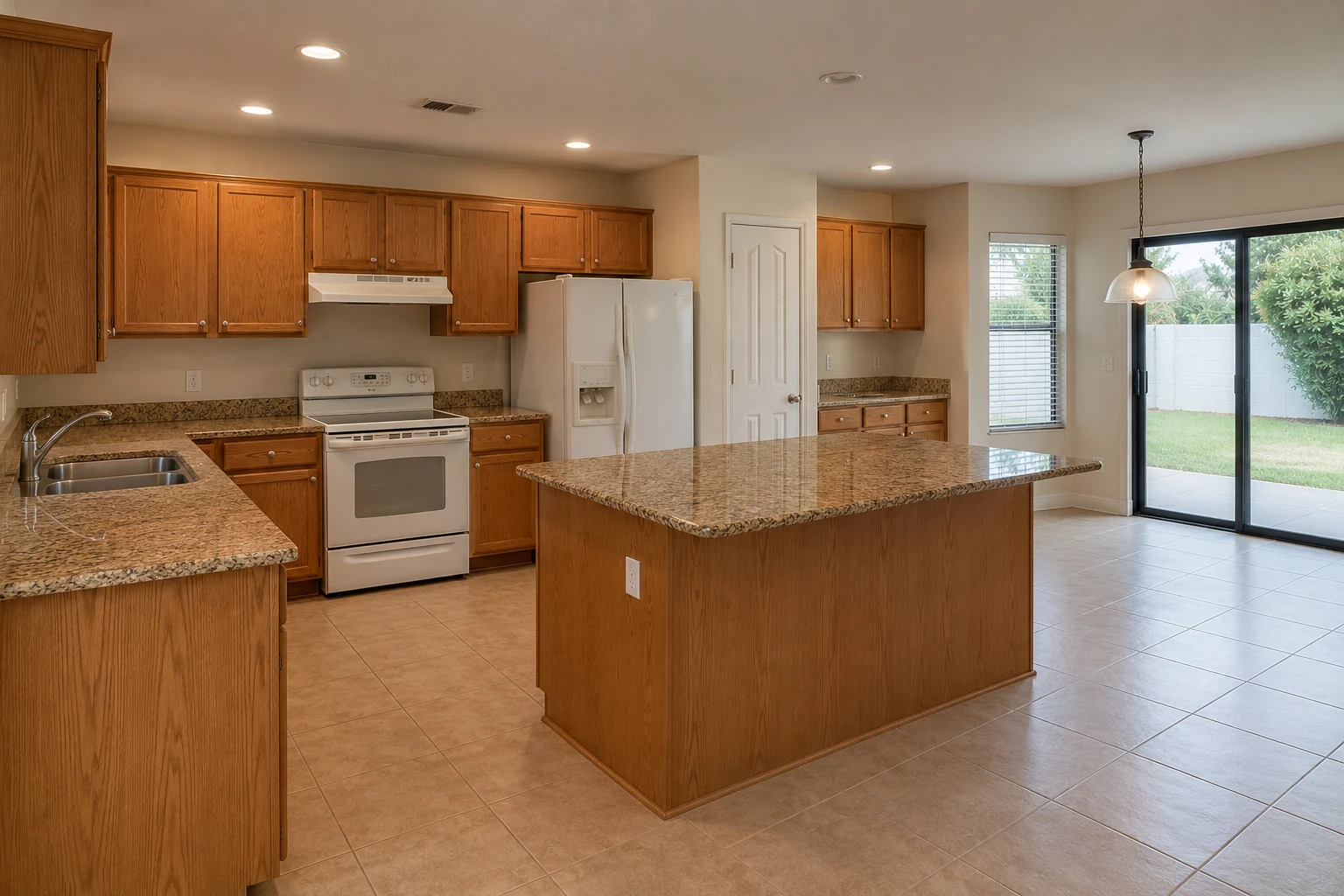
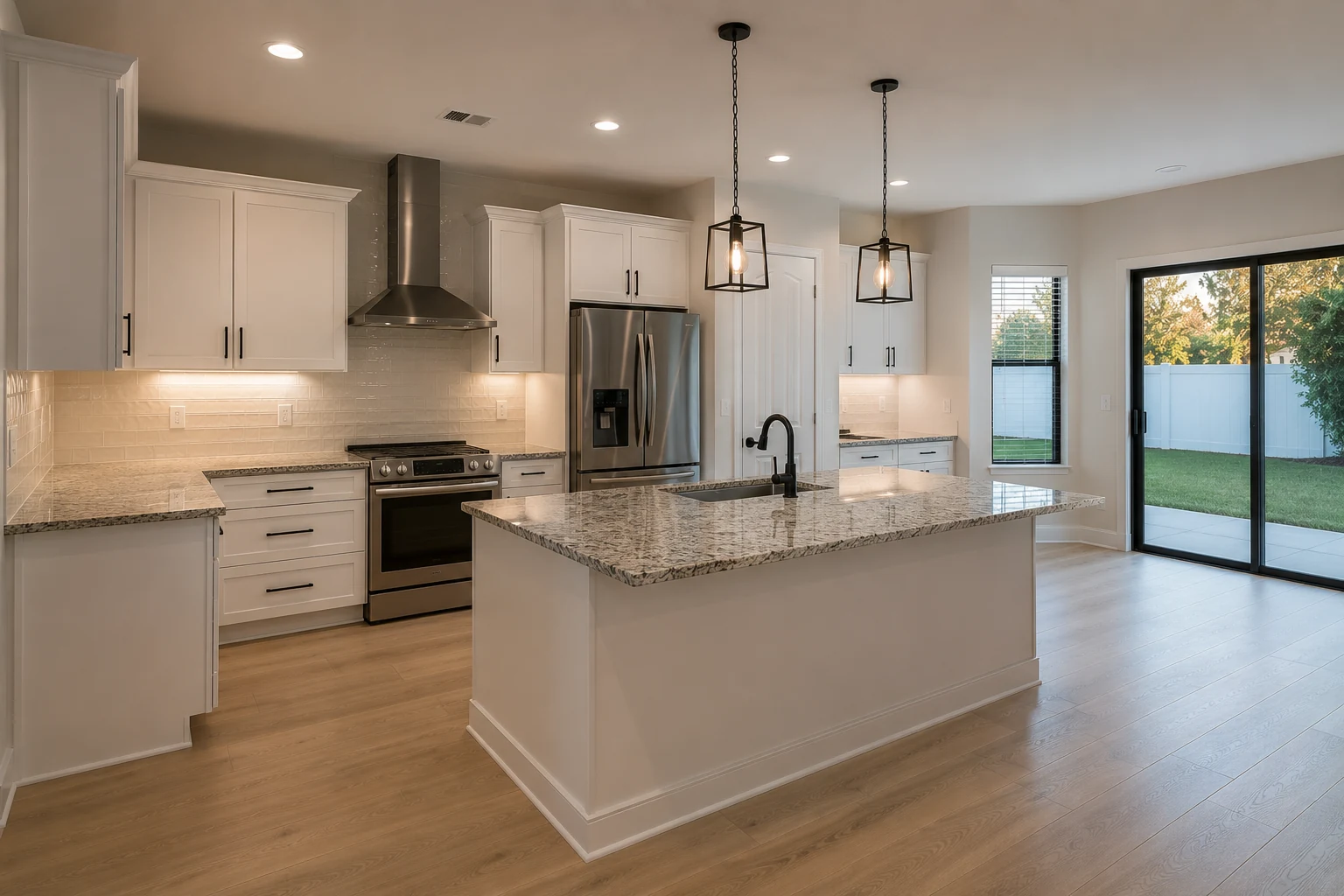
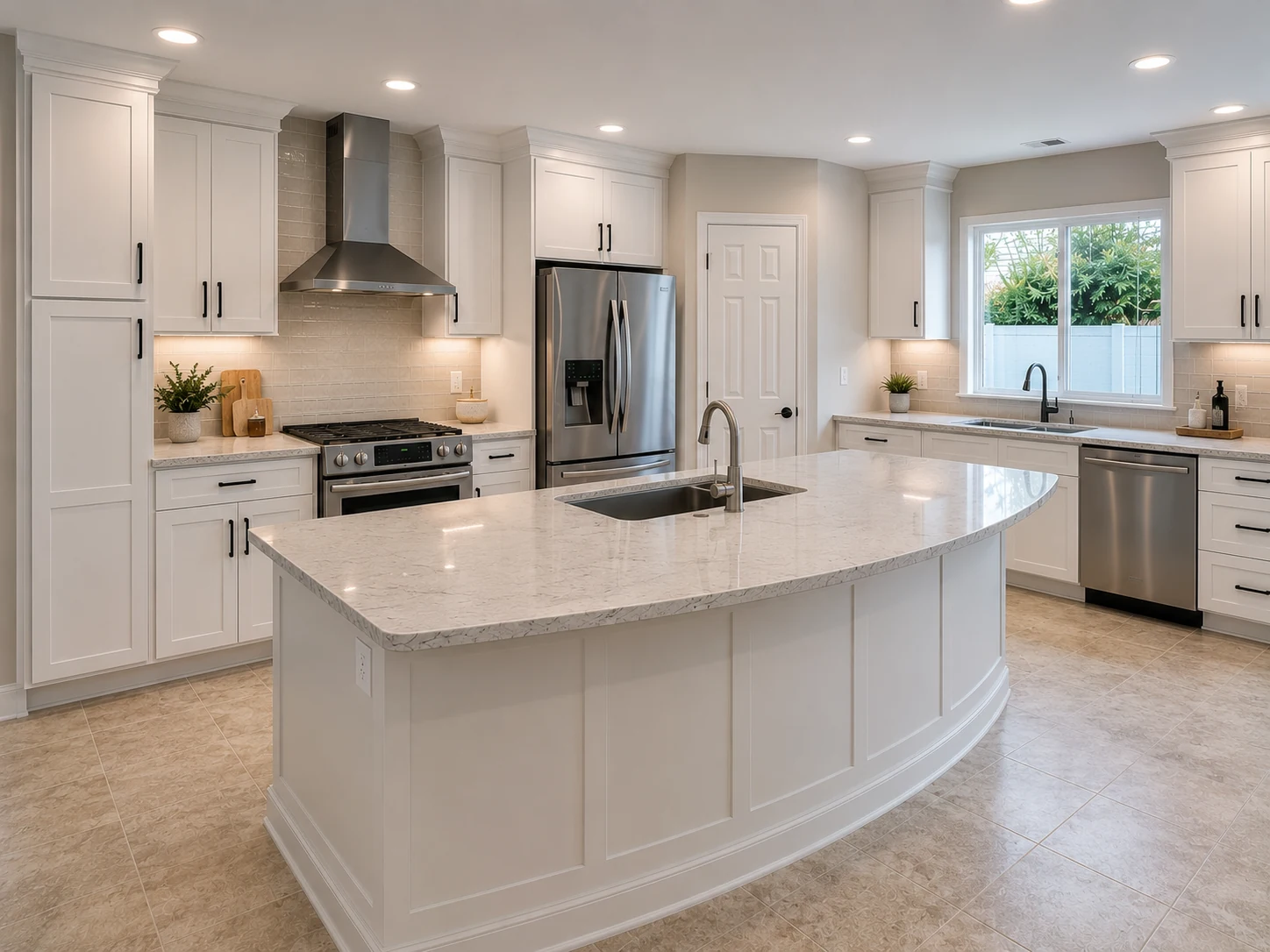
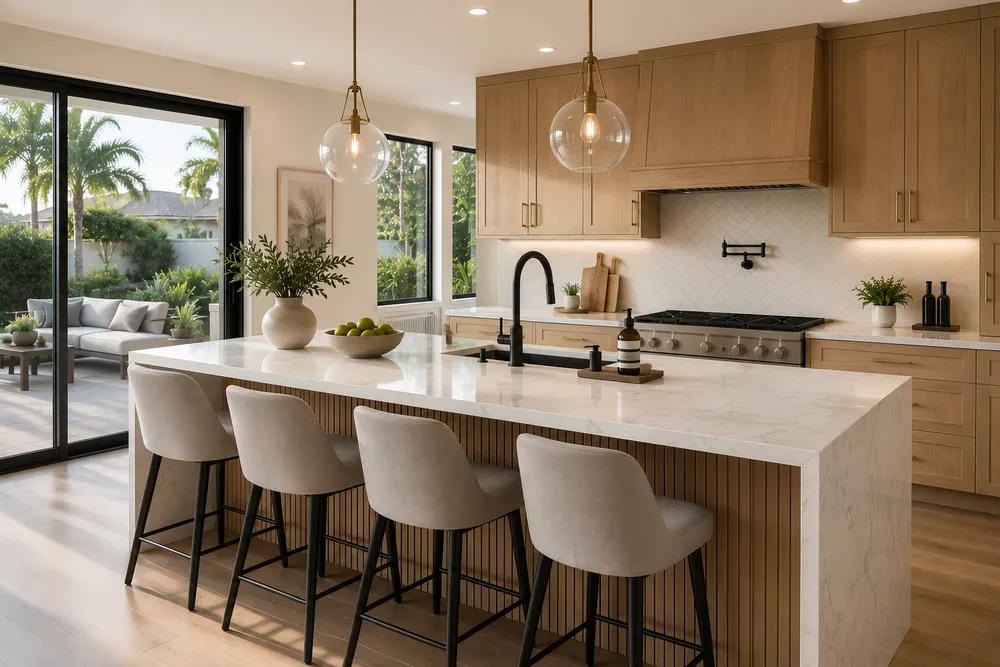
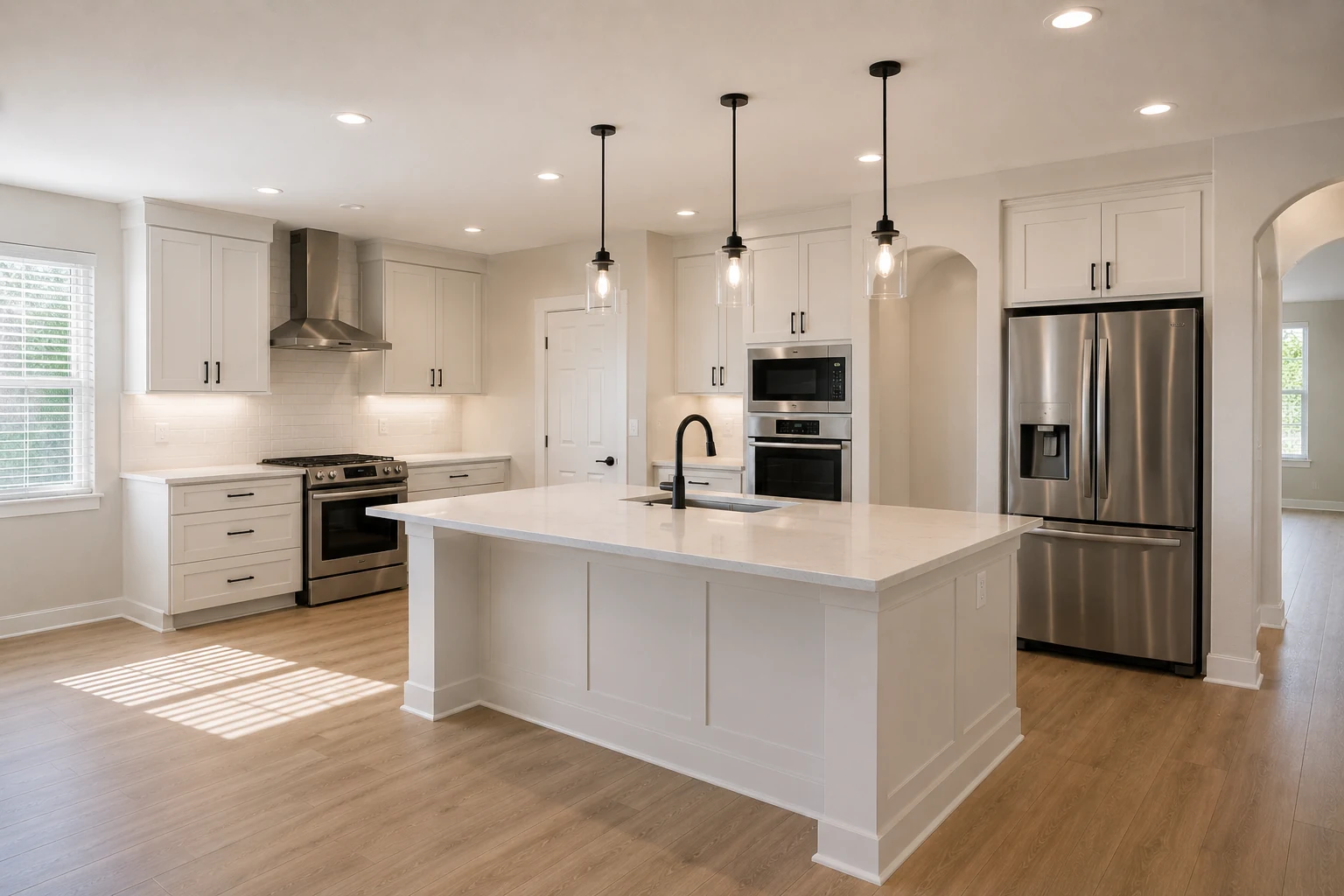
Three ways to improve a builder-basic kitchen without overspending — which one fits depends on your budget and whether you do it at once or in stages.
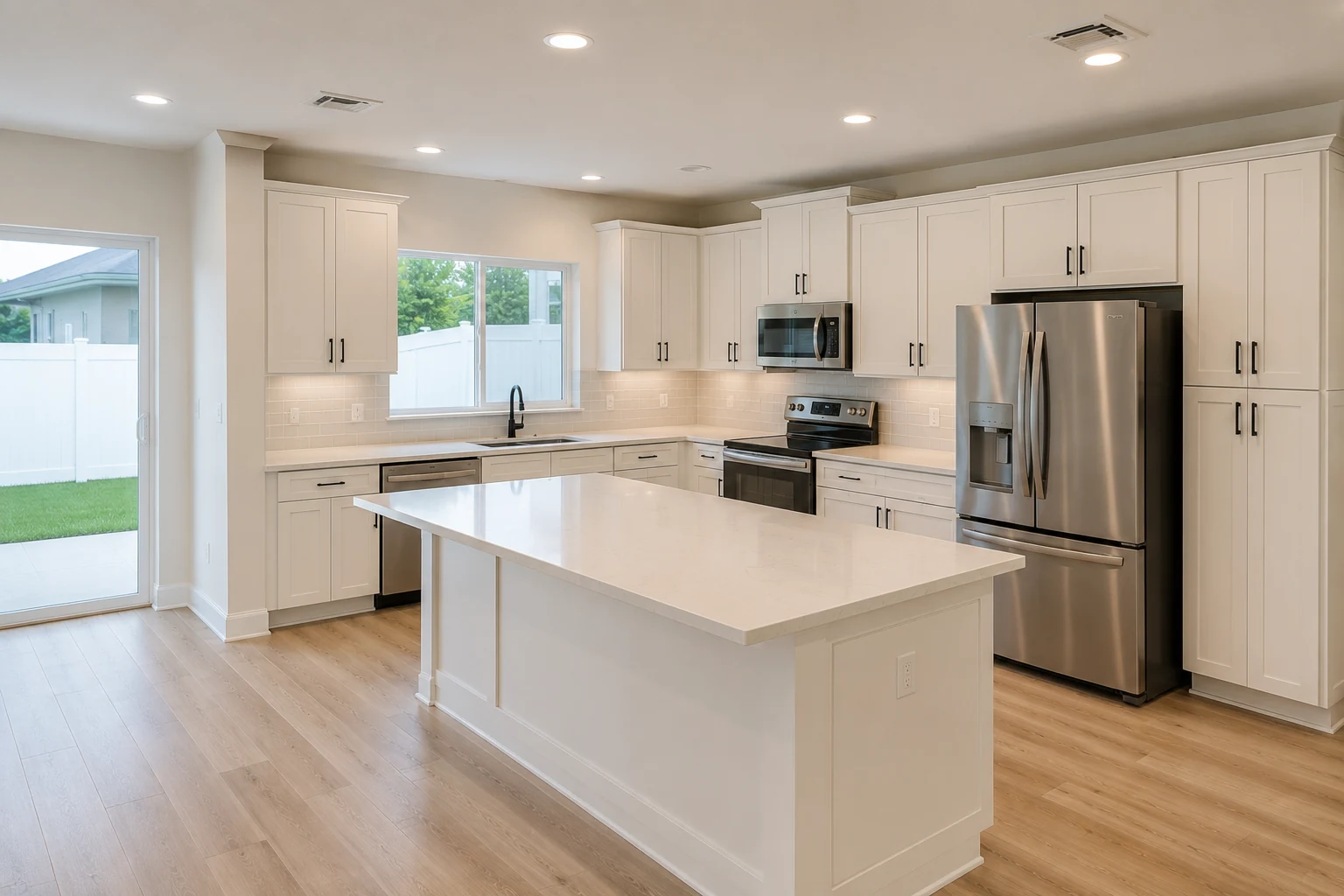 ConceptKitchen RemodelingThe High-Impact Refresh
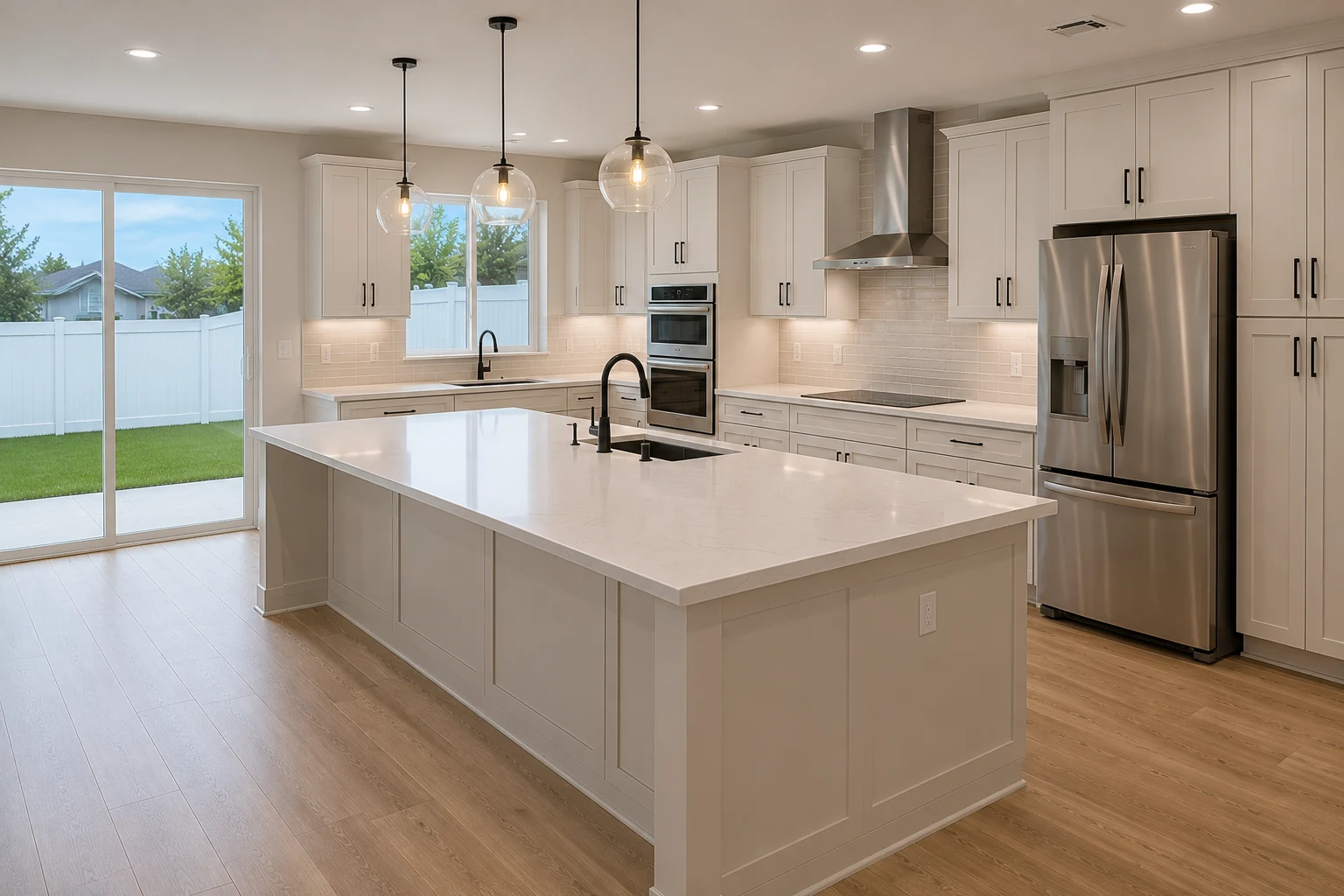 ConceptKitchen RemodelingThe Phased Improvement
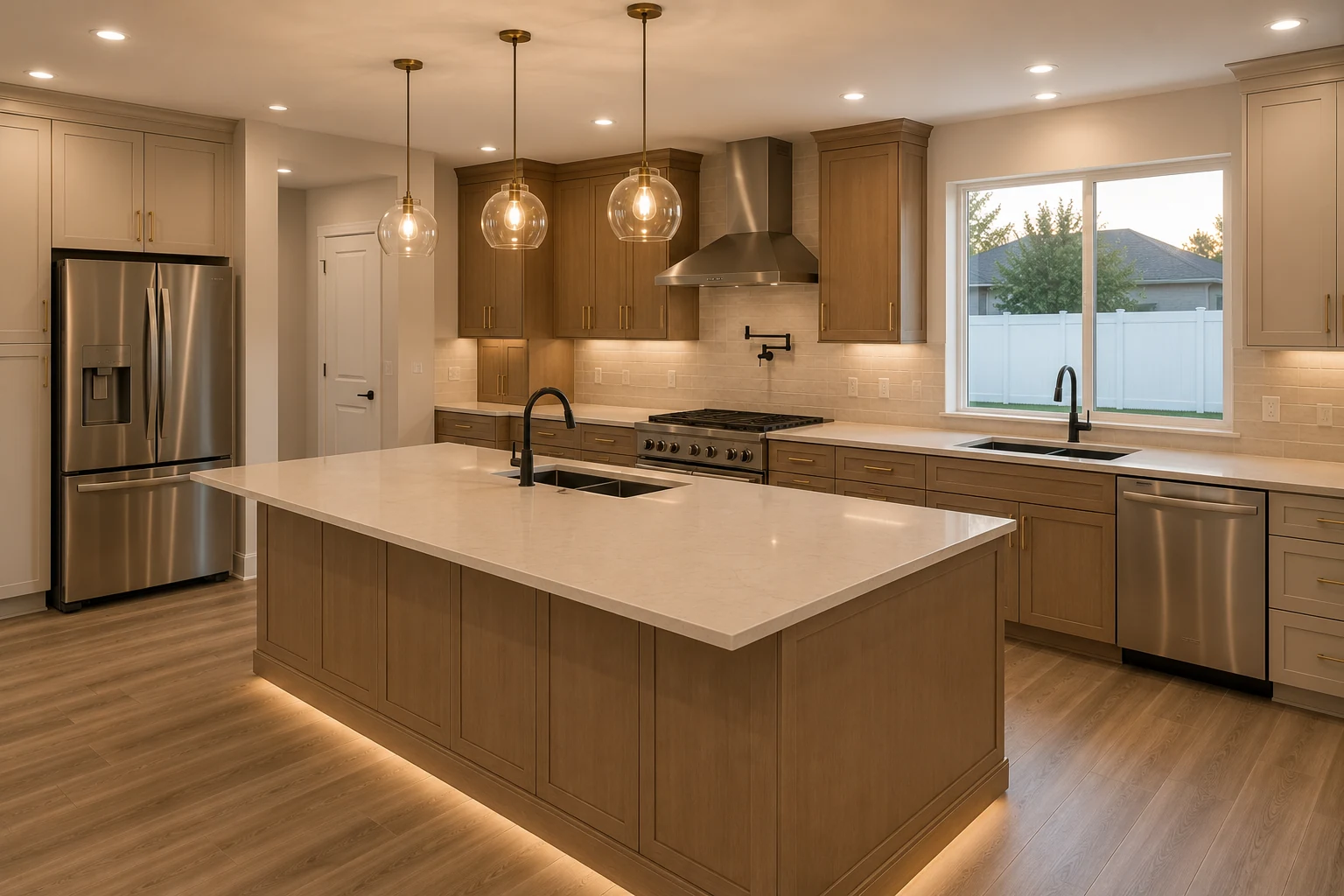 ConceptKitchen RemodelingThe Layout-First Rework
These images are conceptual visualizations meant to illustrate the style and quality SAVAM House can deliver — not photographs of projects completed by our team.
Four Corners Kitchen Questions
Yes, and it is a lot of what we do here. A great outcome depends far more on where the money goes than on how much of it there is. Directing a sensible budget to the cabinets, the counter, and the layout — the things you see and use most — changes how the whole room feels, while holding back on the upgrades that cost real money and change little you would notice. Spent that way, a modest budget buys a kitchen that looks well above its cost.
In the things your eye lands on and your hand touches every day — the cabinets and the counter — and in a layout that actually flows. Those three change how the whole room reads and works. A handful of other upgrades cost real money and change almost nothing you would notice, and being clear about which is which is the most useful conversation to have before anything is bought.
On the choices that cost more but change little in daily use — and there are usually several. Part of our job is to tell you plainly where a cheaper option will not be missed, so that saving frees the budget for the things that genuinely matter. Saving in the right places is not cutting corners; it is what makes the whole budget go further.
Often, yes. A great many kitchens flow far better after a rework that leaves the costly services — plumbing, gas — roughly where they are, avoiding the biggest single expense in a remodel. We look first for the improvement that does not require relocating those things, because that is usually where the best value hides.
Phasing. A kitchen can be improved in stages that each stand on their own — the layout and cabinets now, other elements later — so you live in a better room straight away and complete it as funds allow. The key is planning the phases up front so early work never has to be undone, which is what makes staging a genuine saving rather than paying twice.
By knowing which affordable materials read far richer than they cost and which do not. There is real skill in choosing surfaces and fittings that punch above their weight, so the finished kitchen looks like more was spent than actually was. That knowledge is worth more to a tight budget than any single expensive product.
That is the intention, and for a household spending carefully it matters more than anything. We set a clear scope and an honest figure at the start and decide together what is in and what waits, so the total does not quietly climb through a run of "just one more things." A budget you can trust from the beginning is the whole point of doing it this way.
It does, and sensibly so. A kitchen used hard by a growing family should not be built to be delicate, so spending on hard-wearing surfaces in the places that get the most use is value rather than extravagance. We steer the durable spend toward where the wear actually happens, so the kitchen survives real life without paying for toughness where it is not needed.
Kitchen work involving electrical, plumbing, or structural changes generally needs permits, and it is a normal, planned part of the budget rather than a surprise. What applies depends on the scope and the property, regulated work is carried out through licensed trades, and we establish the requirements for your address up front so nothing about approvals lands as an unexpected cost later.
That is a fair question, and the answer usually comes down to how much you will enjoy the room in the meantime versus what you are comfortable spending. A value-focused approach fits either way, because it avoids overspending you would not recover while still giving you a markedly better kitchen to actually live with. We keep the plan proportionate to how long you expect to be there.
Because the whole approach is built the other way around — starting from what the kitchen most needs and what your budget is, then spending only where it earns its place. We would rather tell you where to save than where to add, and a plan that holds back on what you would not notice is the clearest sign the advice is on your side.
Use the form on this page and tell us which part of Four Corners you are in, roughly what you would like to change, and the budget you have in mind. We will start from the problem the kitchen most needs to fix, show you where spending counts and where it does not, and, if it helps, lay out a phased plan so a real budget goes as far as it possibly can.
Tell us what your Four Corners kitchen most needs and what you want to spend. We will point every dollar at where it shows and, if you like, phase the rest.