 Current Service
Painting
Refresh interior and exterior surfaces with professional, detail-oriented painting.
Residential Painting Serving the Four Corners Area
Serving homeowners throughout the Four Corners area, where a large share of the housing is booked, photographed, and reviewed by people who have never met you. Whether the property earns its keep or houses your family, we finish it so it holds up to being looked at closely — and keeps holding up.
Get Your Free EstimateFree In-Home Consultation
Organized Process
Every project follows a clear, structured process from first contact to final walkthrough.
Quality Craftsmanship
We pay attention to the details that make a remodel feel finished and durable.
Clear Communication
You'll always know what's happening with your project and what comes next.
Commitment to Your Home
We treat every property with the same care and respect as if it were our own.
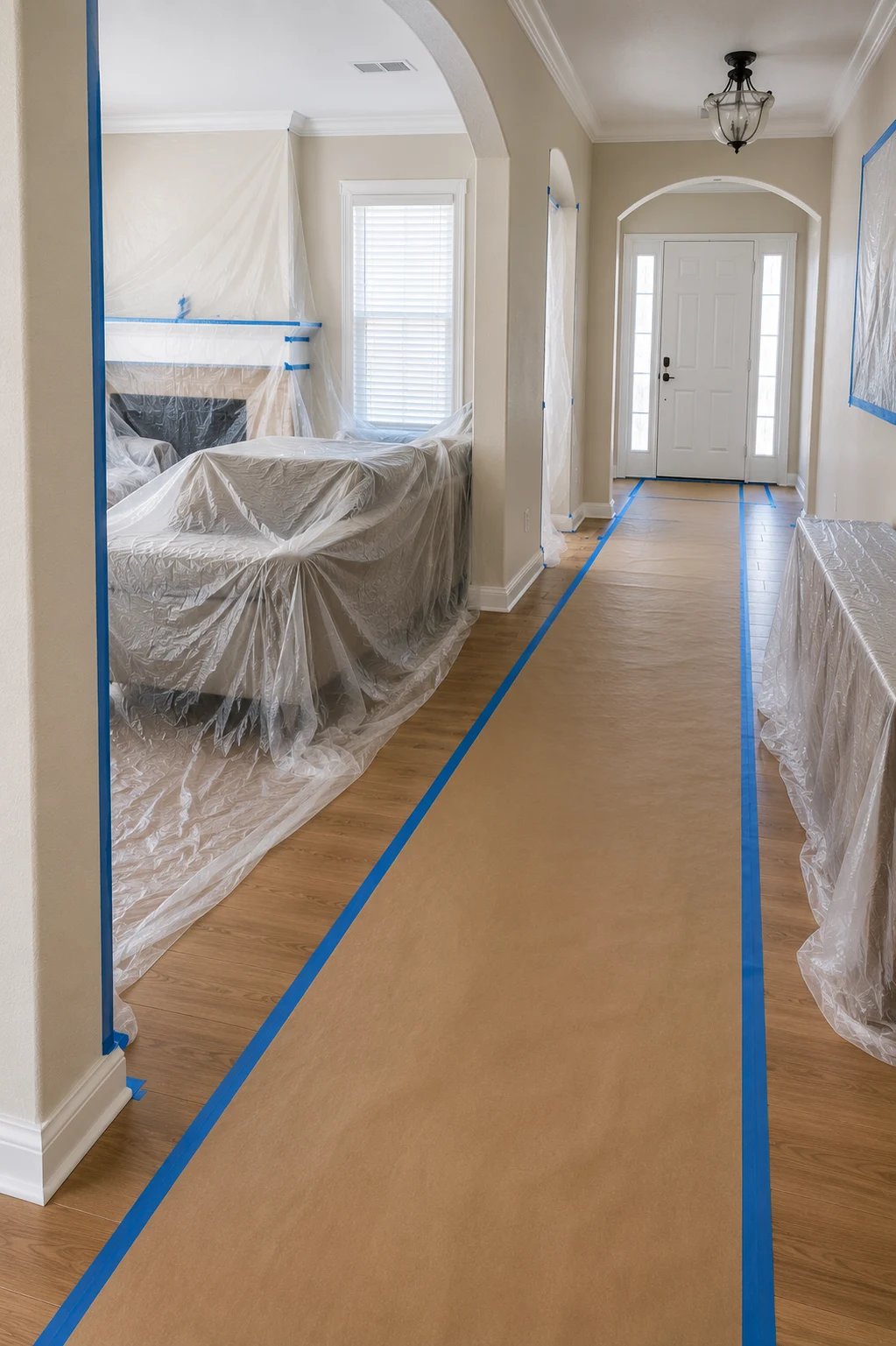 Getting Set
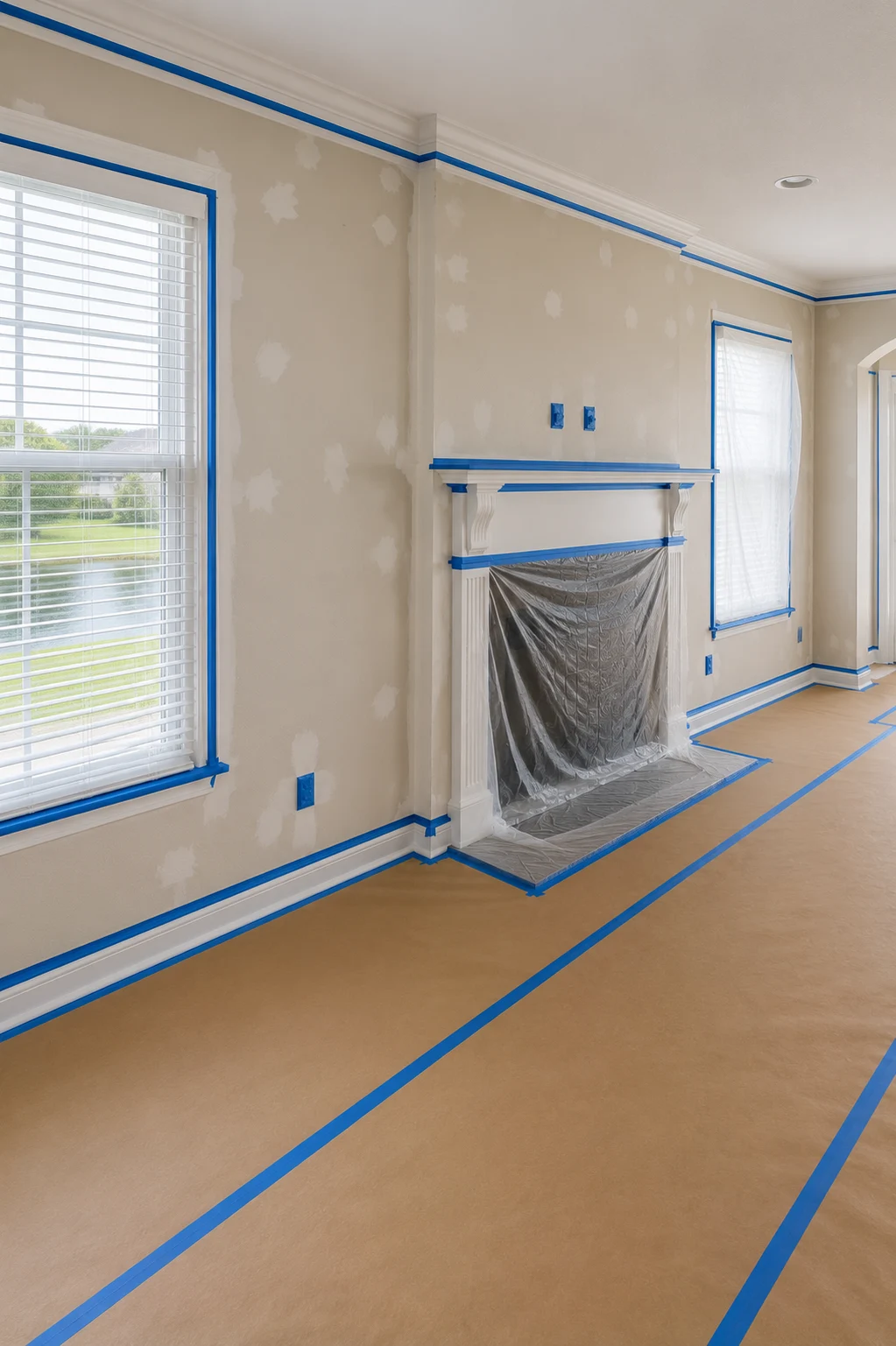 Making Good
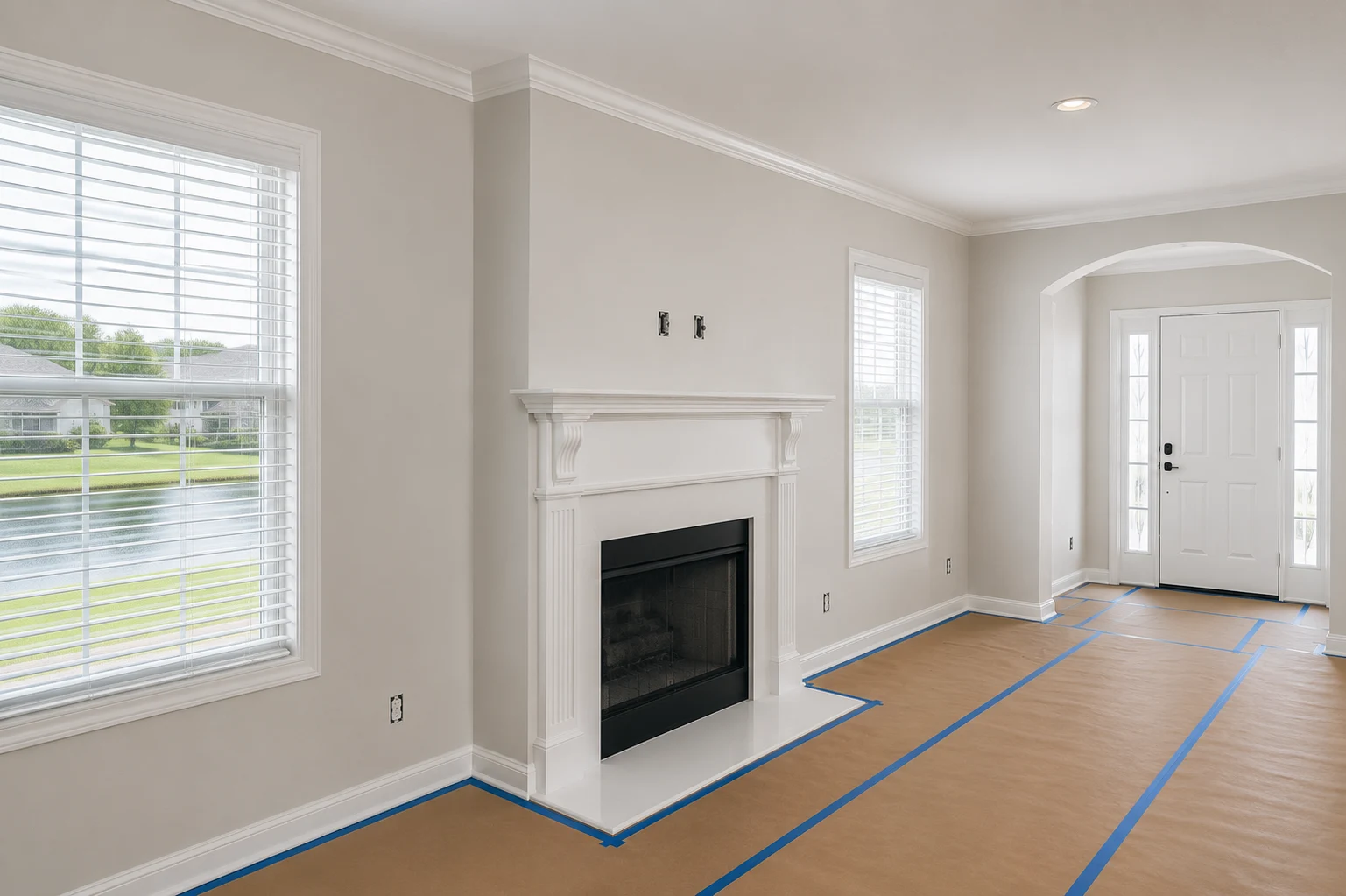 Coating Out
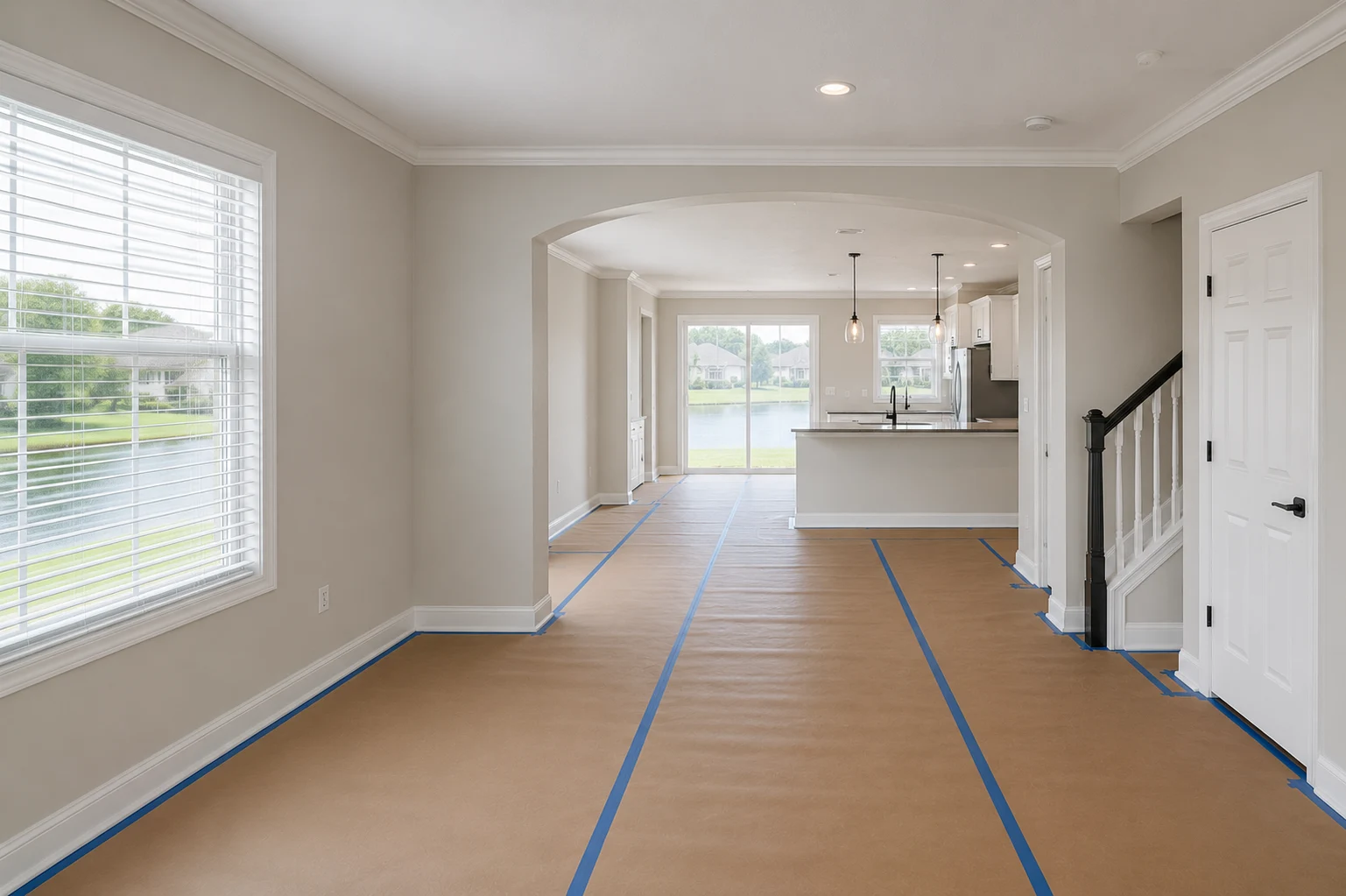 Ready for Arrival
Working With Us
We're not focused on being the biggest — we're focused on being organized, communicative, and easy to work with.
Your project starts with a clear plan, not guesswork.
You'll hear from a real person about the status of your project.
We treat the small details as seriously as the big decisions.
How It Works
We start by understanding your goals, your home, and the scope of your project.
We translate your vision into a clear, organized plan before any work begins.
You choose finishes and materials with guidance from our team.
Our team executes the project with attention to detail and clear communication.
We review the finished work together to make sure everything meets your expectations.
Real Results
A wall can be perfectly clean and still photograph badly — patchy sheen, burnished touch-ups, a finish that has stopped reading as one surface. Fixing that changes both how the property looks in person and how it looks in a listing.
The Benefits
On a home that gets looked at critically — by guests, by cameras, by buyers — the finish is doing more work than most owners realize.
What Else to Consider
Getting a crew into a property and set up is a cost paid once. A few related jobs are considerably cheaper folded into that visit than arranged separately later.
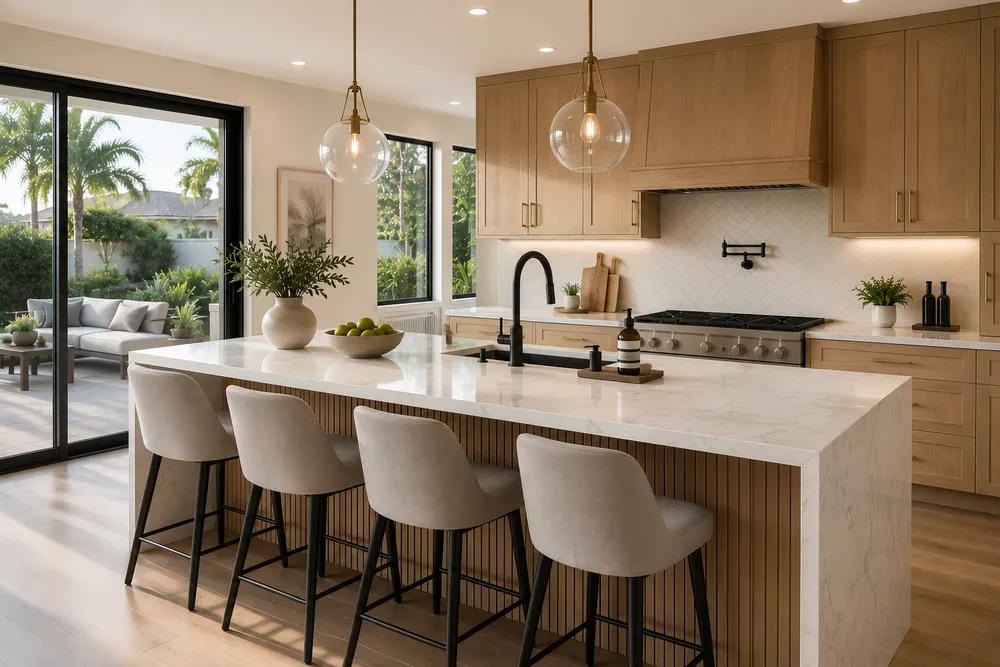
Transform the heart of your home with a kitchen that blends functionality, craftsmanship, and modern design.
Learn More
Modernize your bathroom with thoughtful layouts, quality finishes, and lasting comfort.
Learn More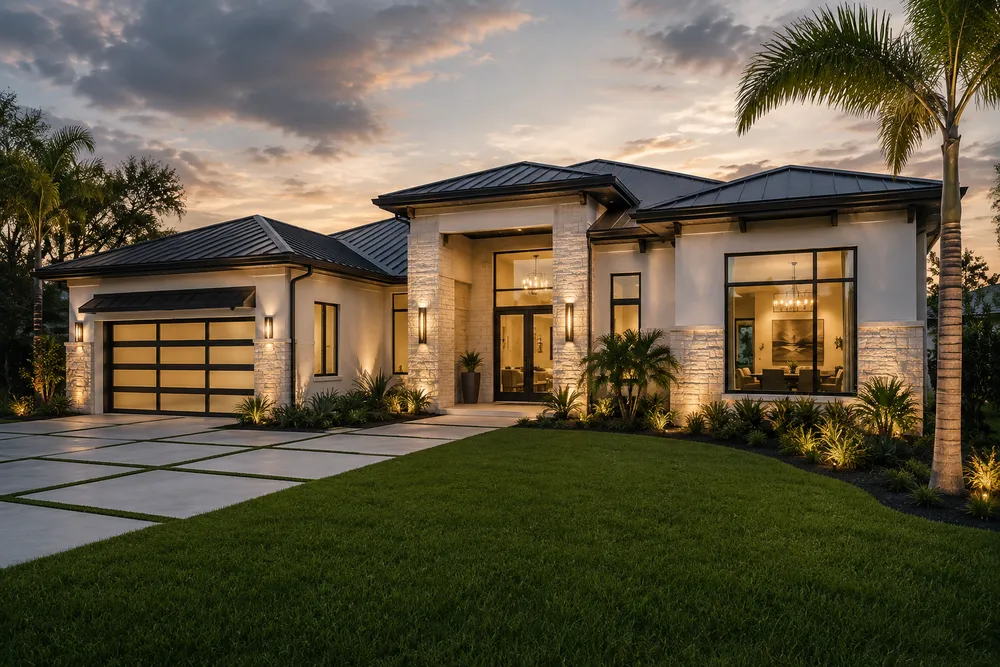
Coordinate a complete transformation of your home, from layout to finishing details.
Learn More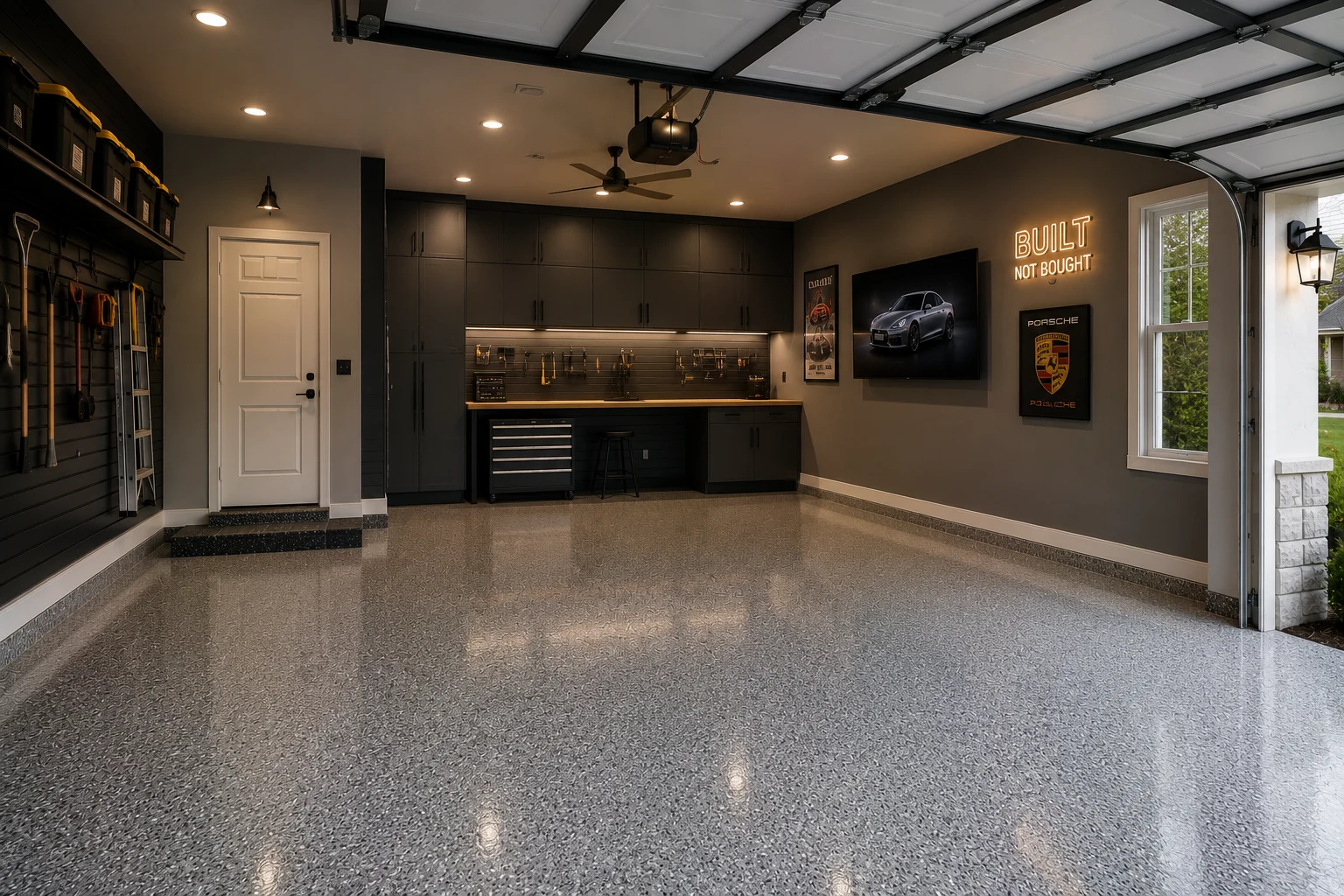
Turn your garage into an organized, durable, and functional extension of your home.
Learn More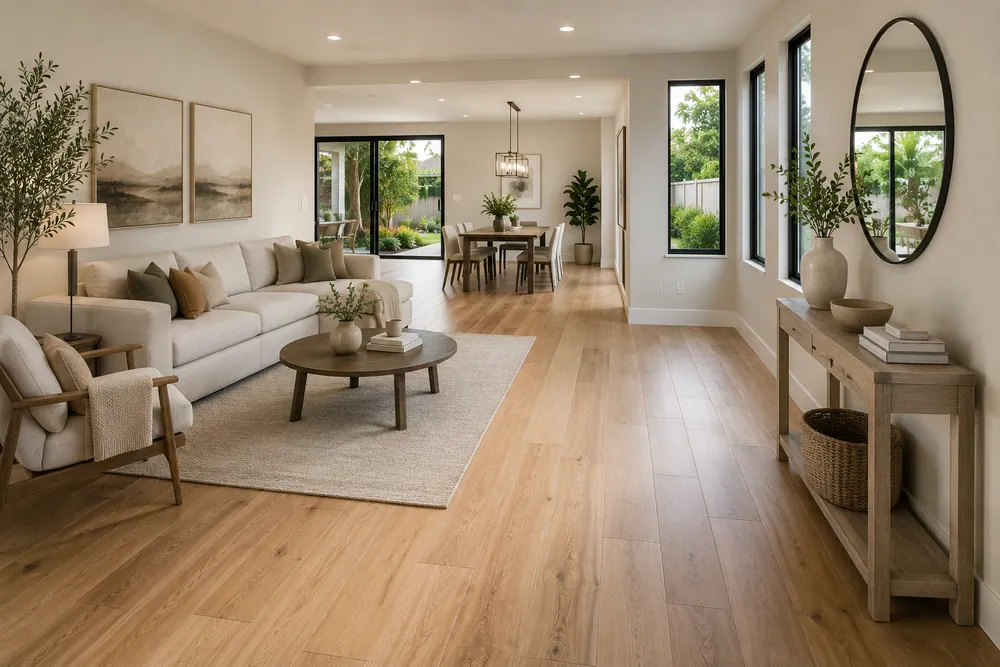
Install and refresh flooring throughout your home with materials built to last.
Learn MoreCurrent ServiceRefresh interior and exterior surfaces with professional, detail-oriented painting.
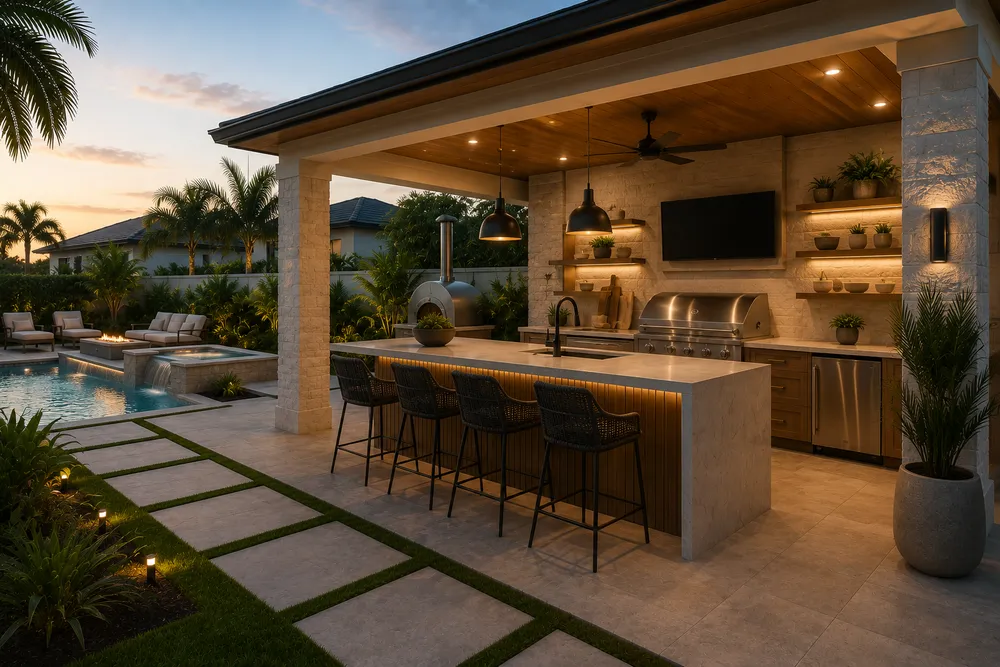
Create outdoor spaces designed for everyday living and relaxed entertaining.
Learn More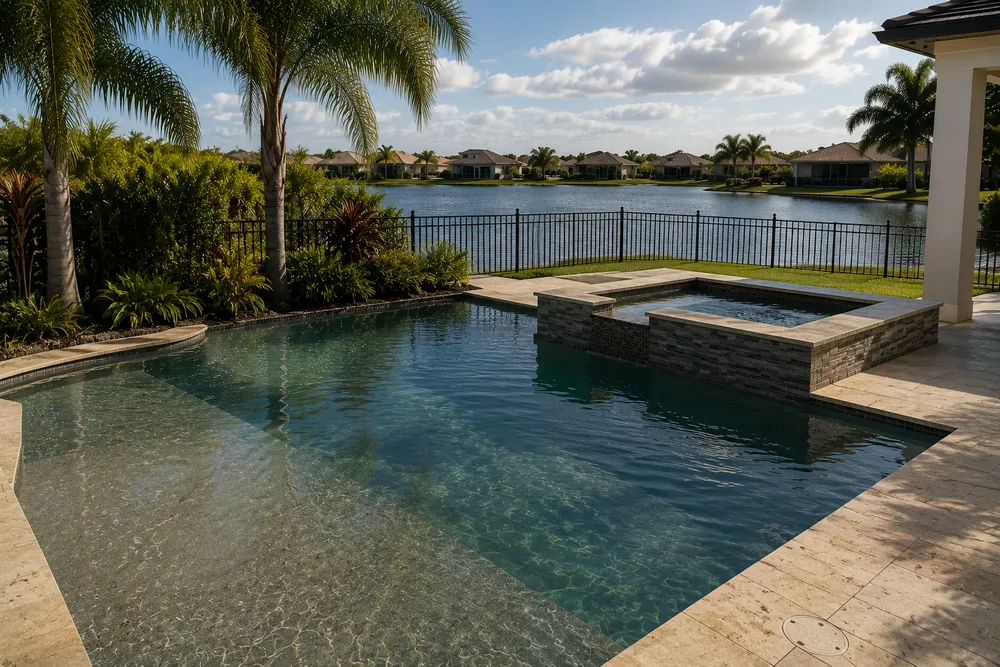
Design and build a custom pool tailored to your home and lifestyle.
Learn More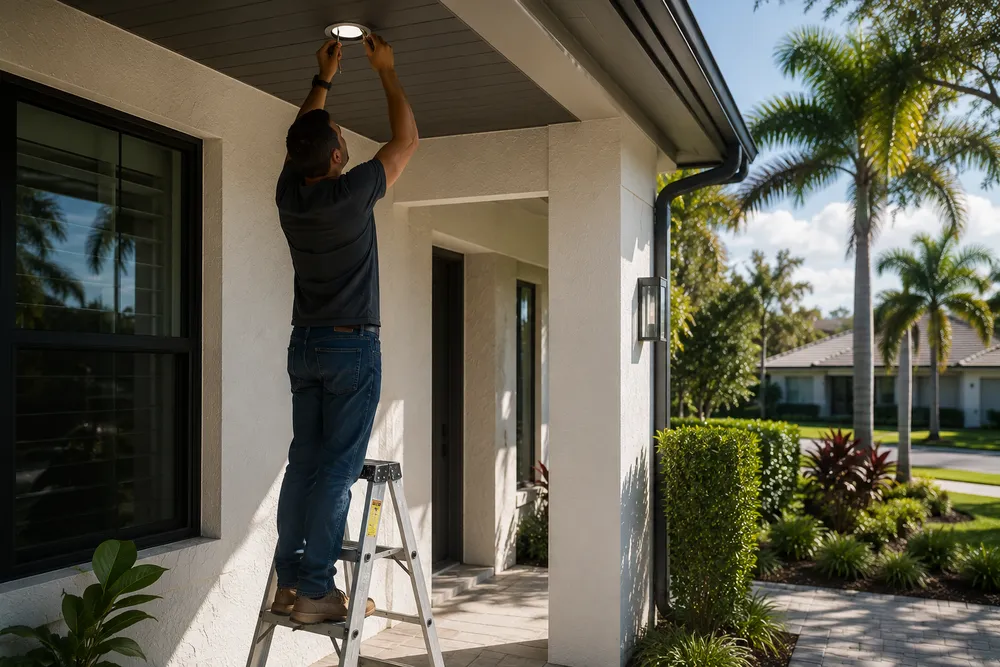
Handle everyday repairs and improvements with the same attention to detail as larger projects.
Learn MoreGet Started
Tell us about your project and our team will reach out to discuss the next steps.
Get your free estimate in less than 2 minutes
Prefer to talk it through first? Call or email us directly.
Working With Us
Not always in those words, but that is what it comes down to. Somebody looked at the listing images and noticed that the walls no longer read as one clean surface — a hallway with a map of touch-ups, a bedroom with a shine where somebody wiped it, a stairwell that looks worn even though it was cleaned yesterday. In a market this dense with rental homes, that difference shows up in a photograph long before anyone complains about it in person.
So the conversation is a practical one. We look at what the surfaces are actually doing, tell you where touching up has stopped helping and recoating is the honest answer, and plan the work into the calendar you already have rather than around an emergency. Family homes here get the same approach, minus the photographs. Here is how a project comes together.
Planning Ahead
Each one is straightforward to plan for and expensive to discover after the fact.
Cleaning removes dirt. It does nothing about sheen that varies across a wall because different areas have been touched up at different times with different tins. A camera is unforgiving about exactly that — it flattens the room and shows the inconsistency as a series of patches, which is why a property can be spotless in person and still look tired in its listing images. If the photographs are what sells the stay, the finish has to be uniform, not merely clean.
The first few spot repairs are invisible. After that, each one adds a slightly different patch of sheen, and on the flat paint most of these homes were handed over in, rubbing the surface polishes it — so the repair itself becomes a mark. Owners often spend two or three years fighting that before recoating, and the money spent on touch-up visits in that period would frequently have covered the recoat outright. The useful question is not whether a wall can be touched up, but whether it should still be.
The best time to repaint a rental interior is a quiet stretch you can see coming, not the two days between a checkout and the next arrival. Work scheduled into a planned window gets proper preparation, correct recoat intervals, and real cure time before furniture goes back against the walls. Work squeezed into a gap gets whatever fits. The finish that results is different, and so is how long it lasts.
The Four Corners area straddles several county lines and contains a great many separate communities, each with its own approach to exterior colors and approvals. Owners with more than one property here regularly assume that what was approved at one address applies at another, and it frequently does not. Check each community’s own requirements before committing to a scheme — it costs nothing early, and it is the single most common source of avoidable delay on exterior projects here.
Why SAVAM House
Every project follows a clear, structured process from first contact to final walkthrough.
We pay attention to the details that make a remodel feel finished and durable.
You'll always know what's happening with your project and what comes next.
We treat every property with the same care and respect as if it were our own.
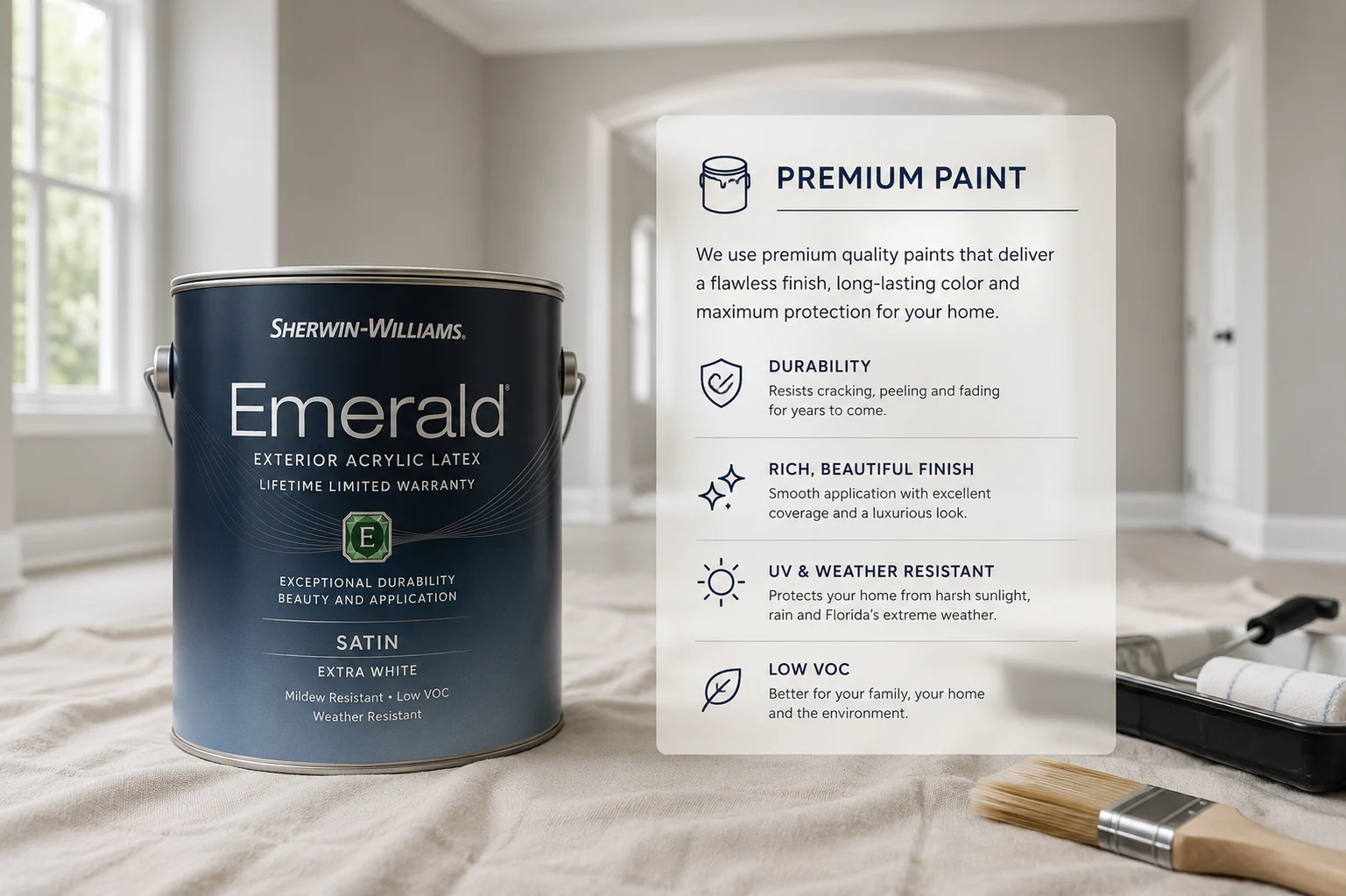 Washable Premium SystemsInterior products chosen to be wiped repeatedly without burnishing, because in a property that turns over, cleanability is durability.
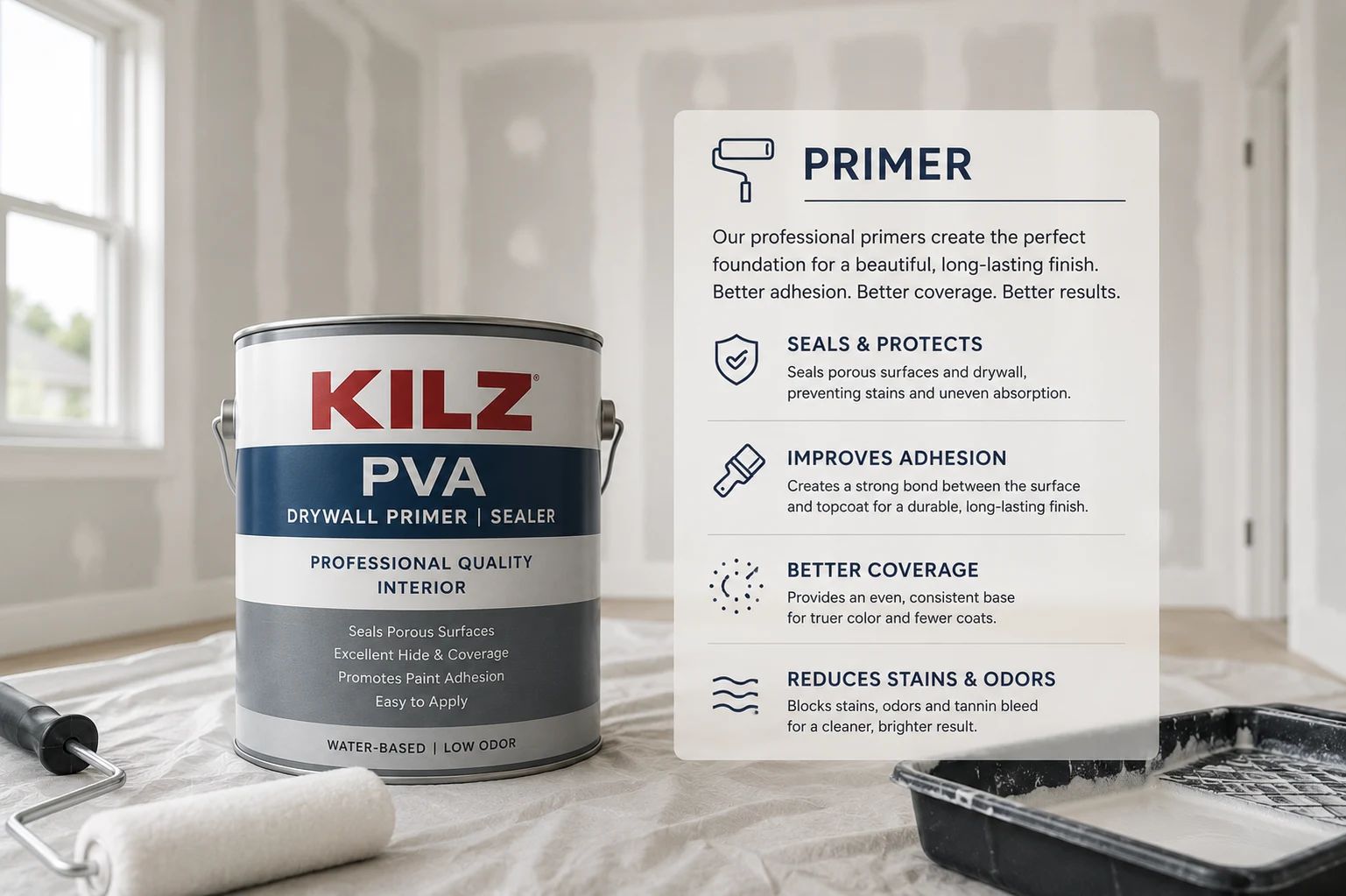 Primers and SealersSpecified for repaired areas, chalked stucco, and factory finishes — the layer that decides whether the coat above it lasts a year or several.
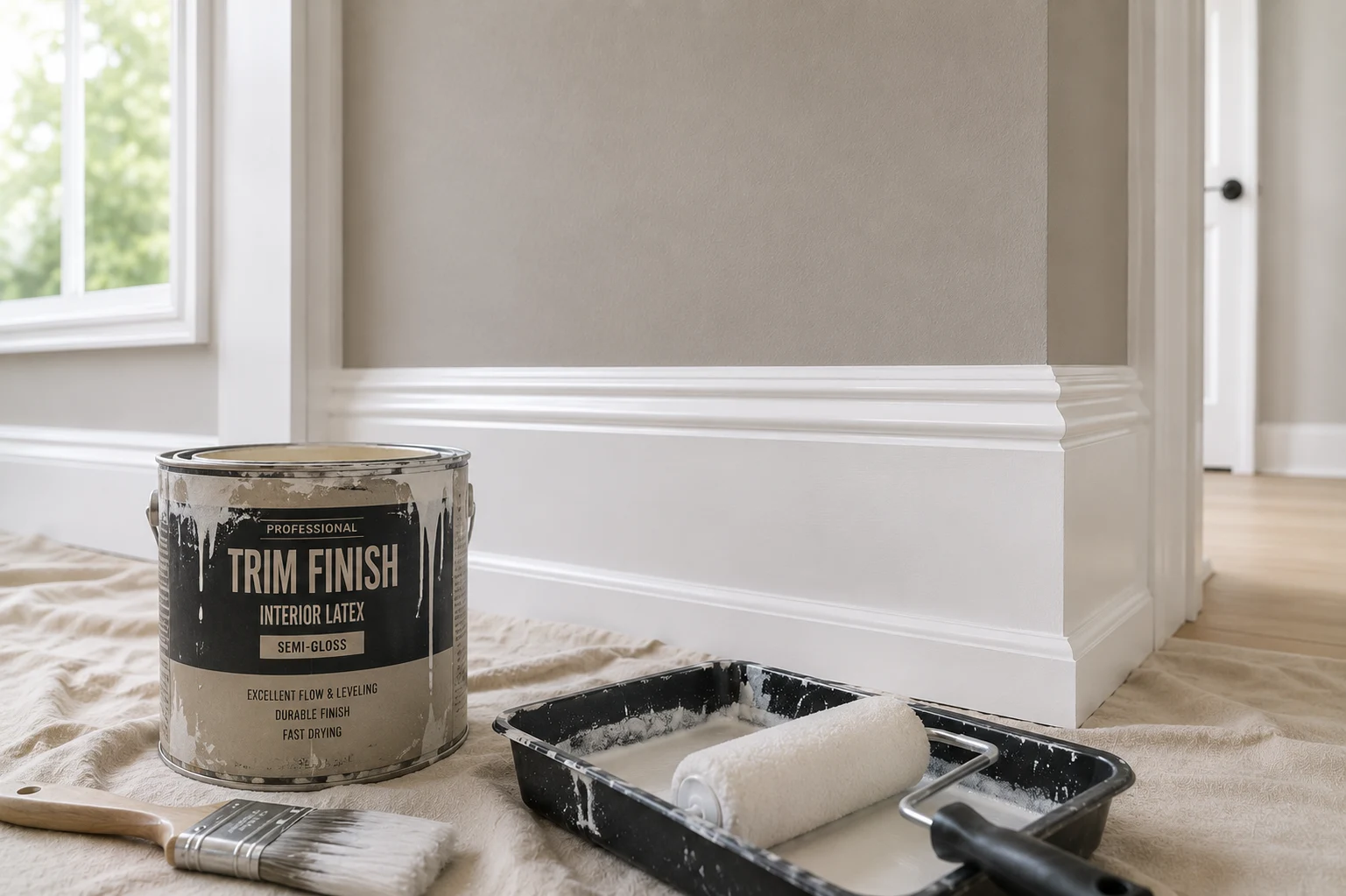 Trim, Door & Cabinet FinishesHarder finishes for the surfaces every guest and every family member touches, where wall paint would be marked within weeks.
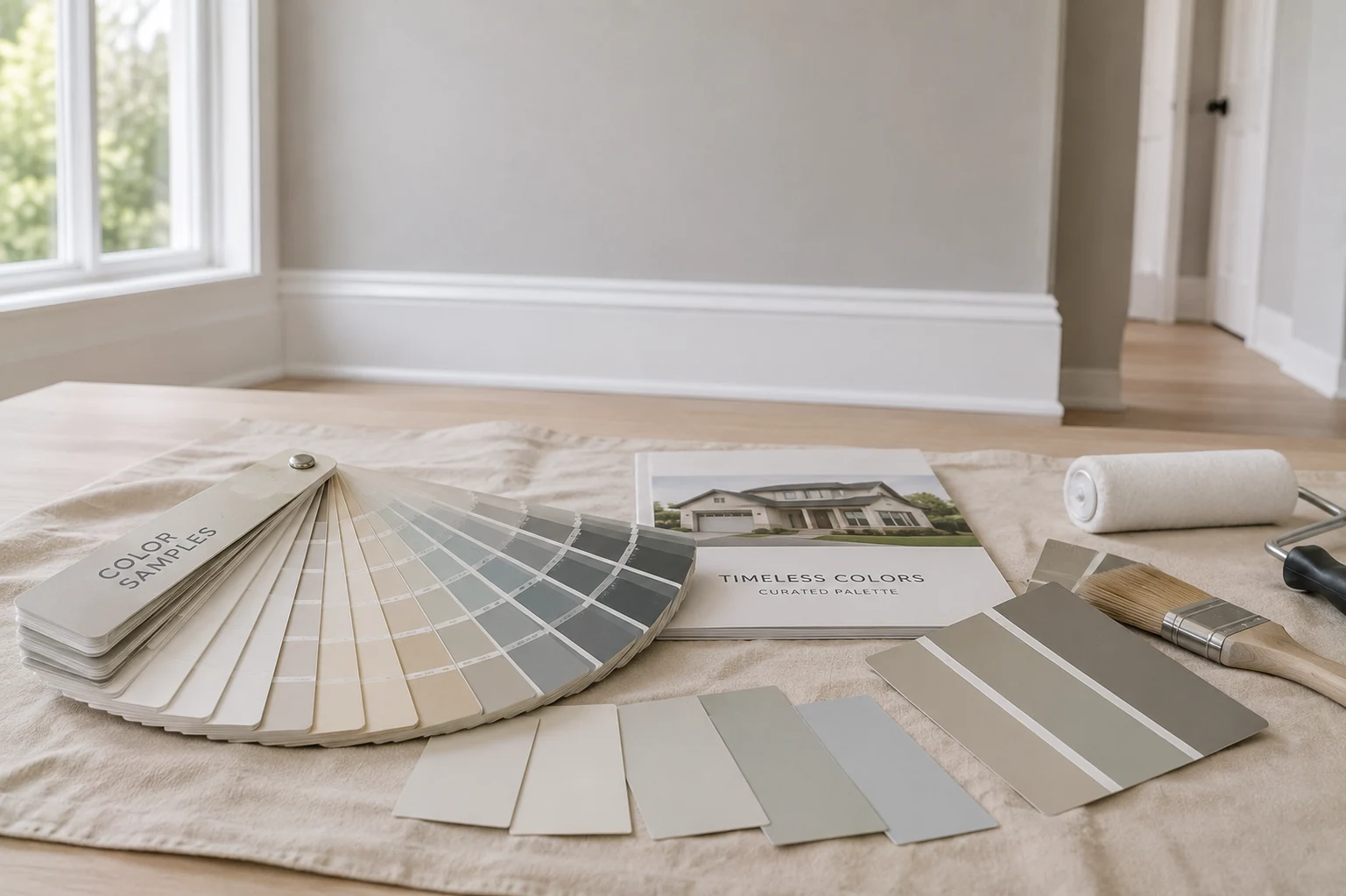 Color and Scheme GuidanceNeutral, photograph-friendly options narrowed against your finishes and confirmed against your community’s requirements.
Get Inspired
Three practical routes — resetting the interior, renewing the exterior, or bringing the whole property onto one consistent palette.
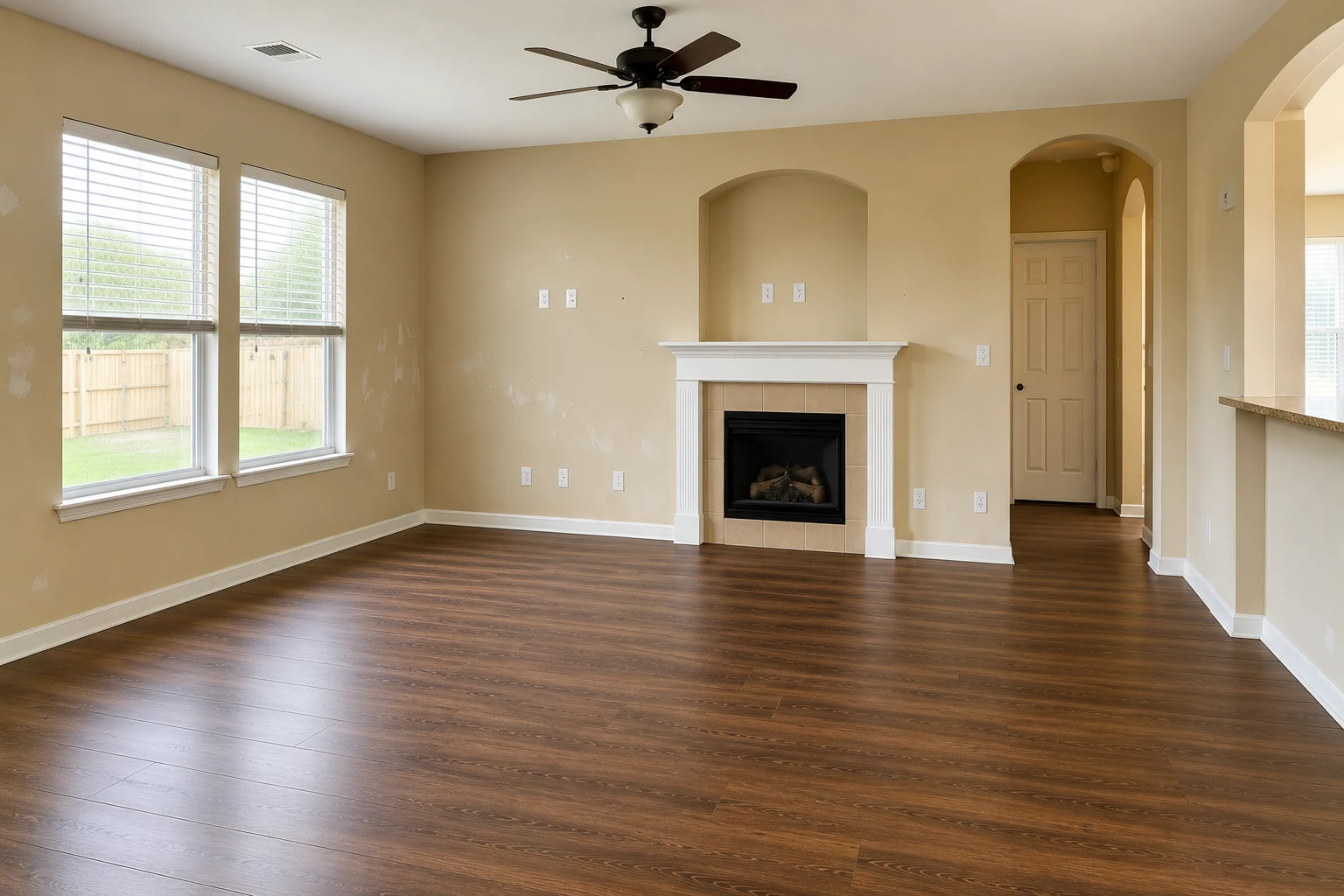
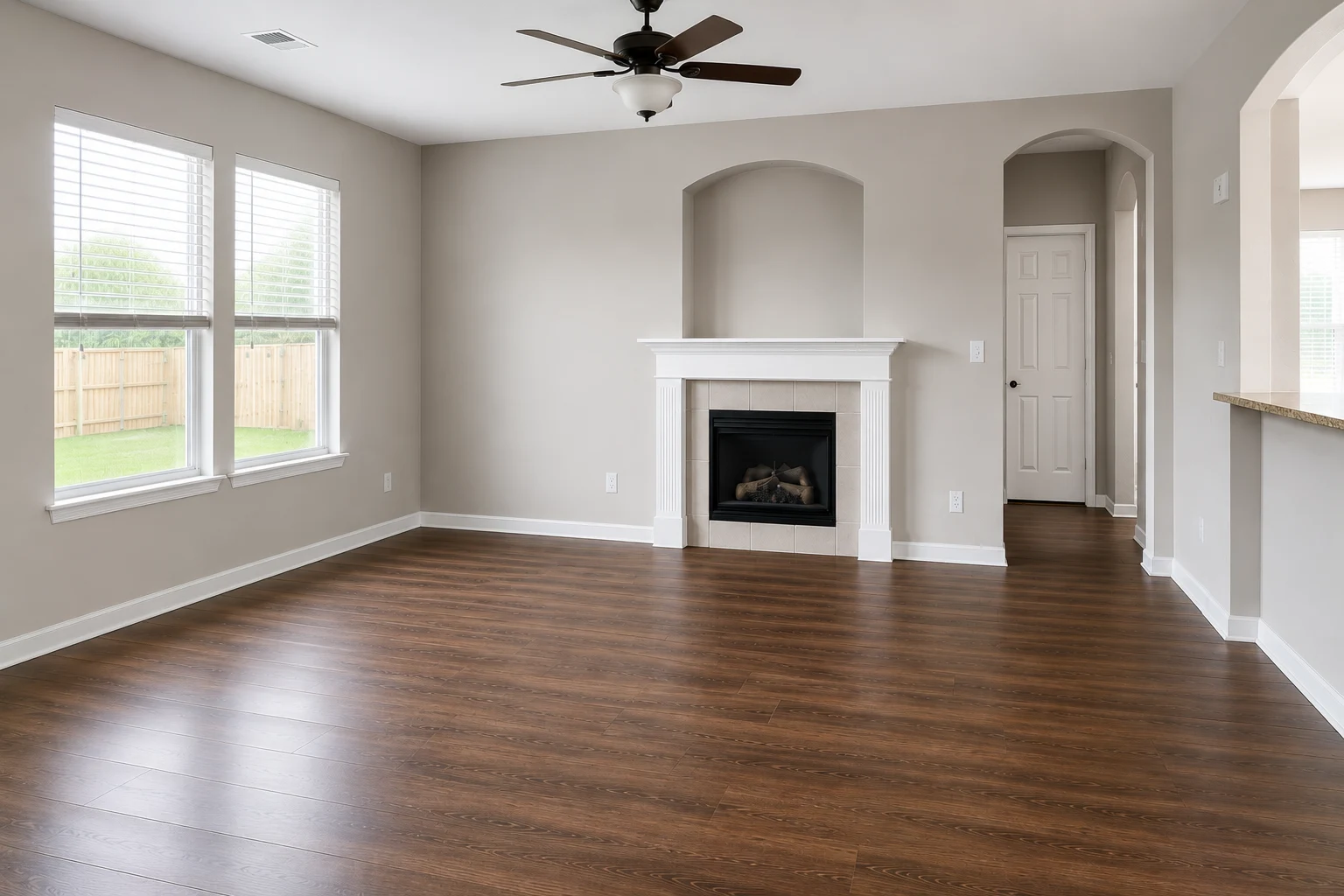
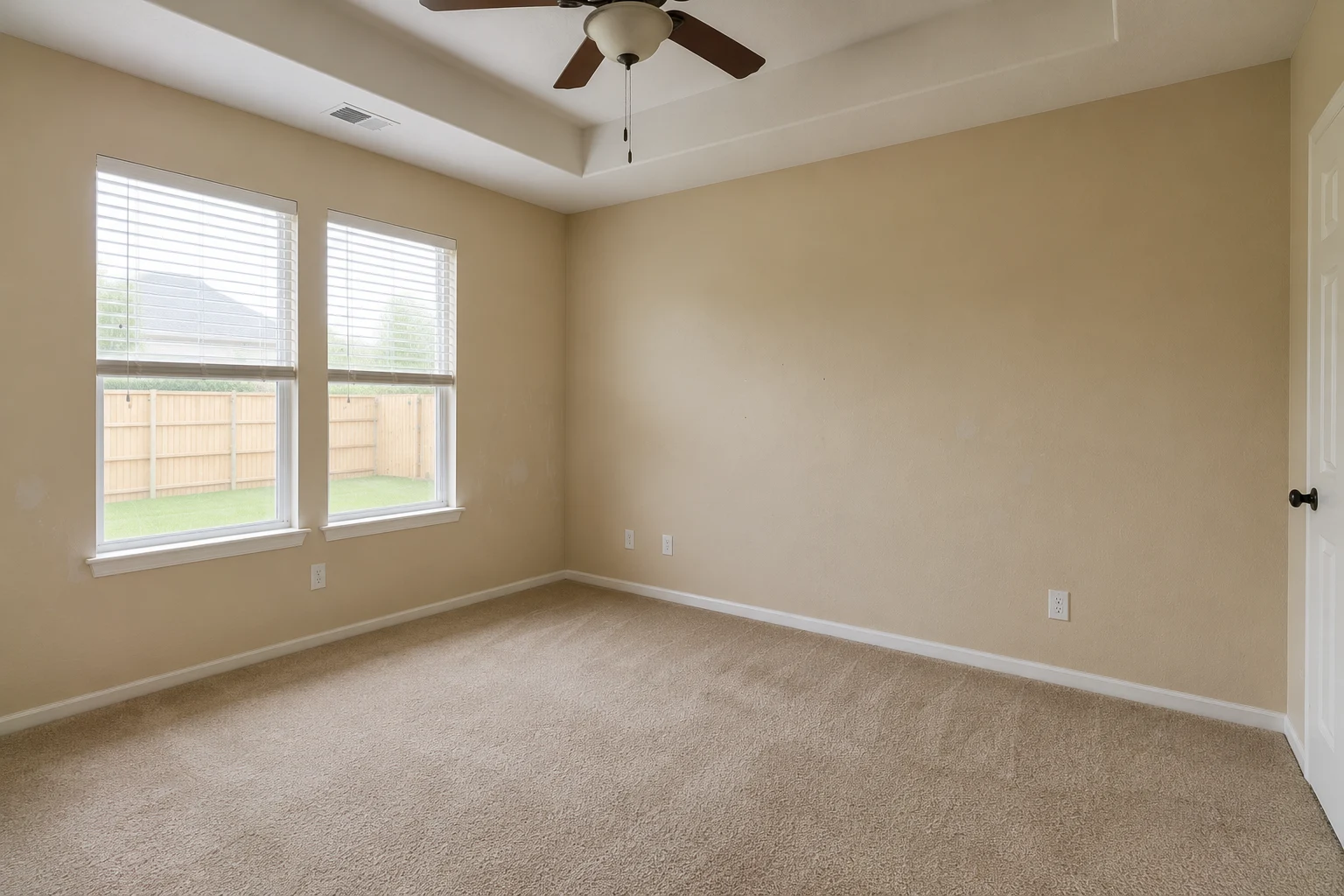
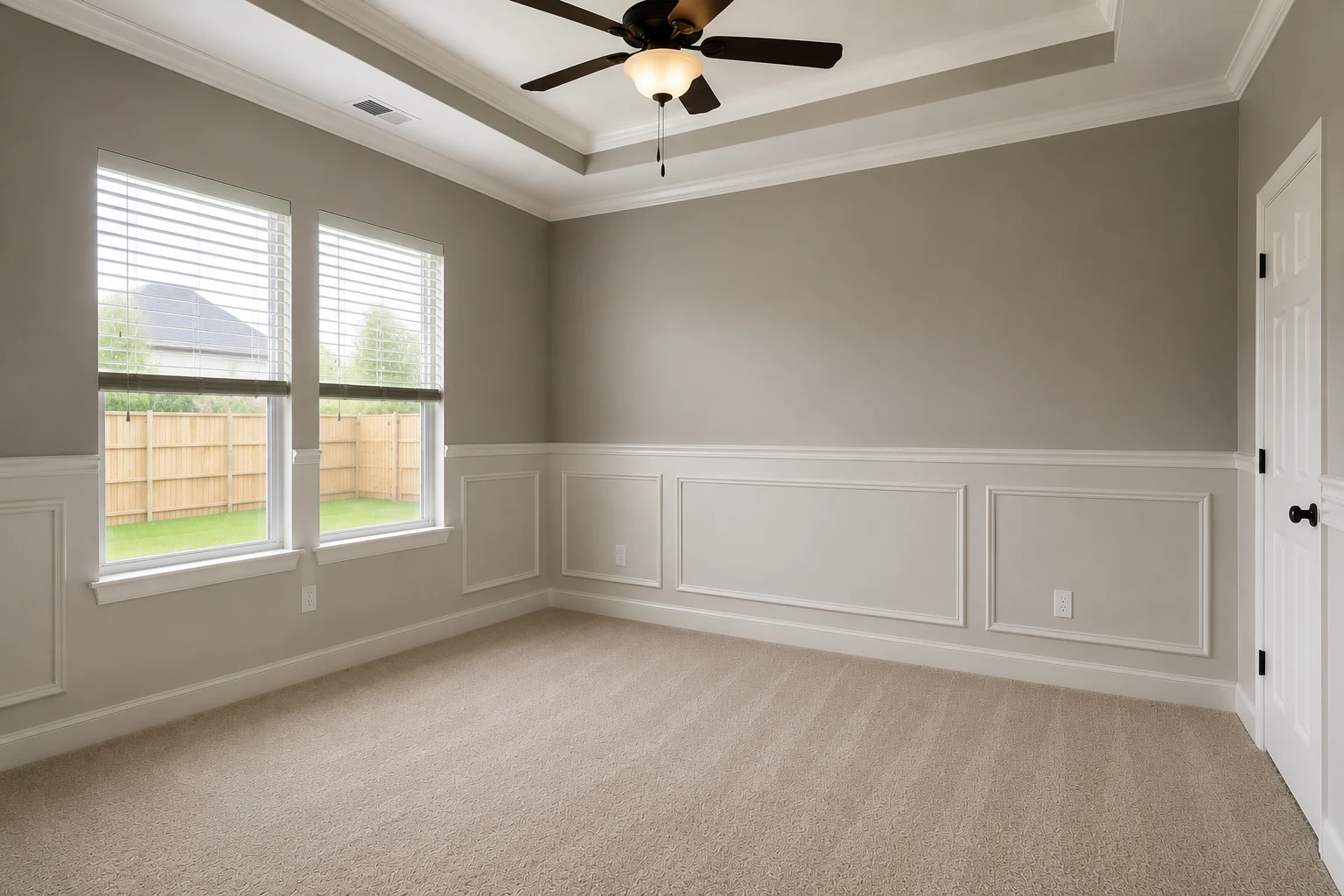
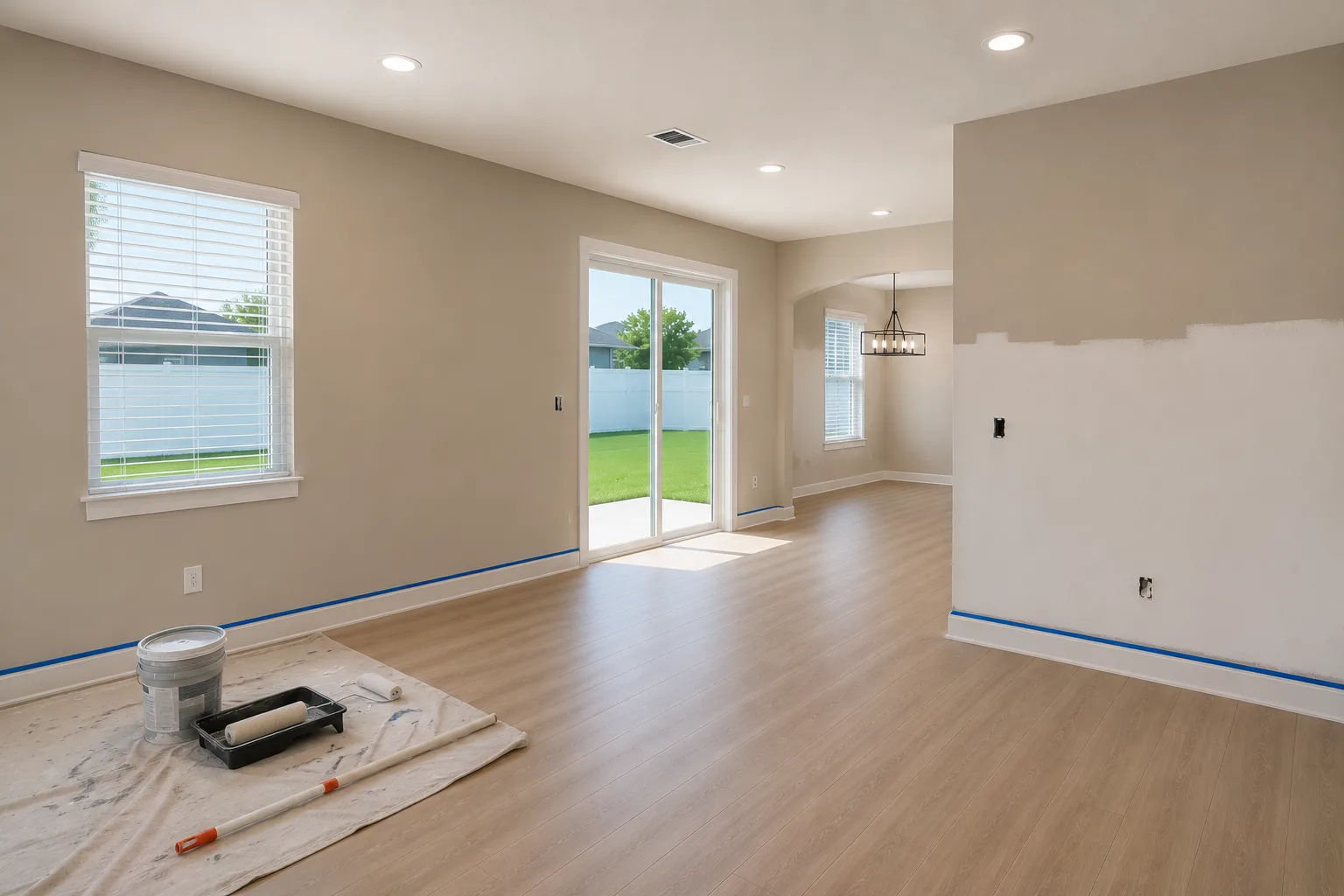
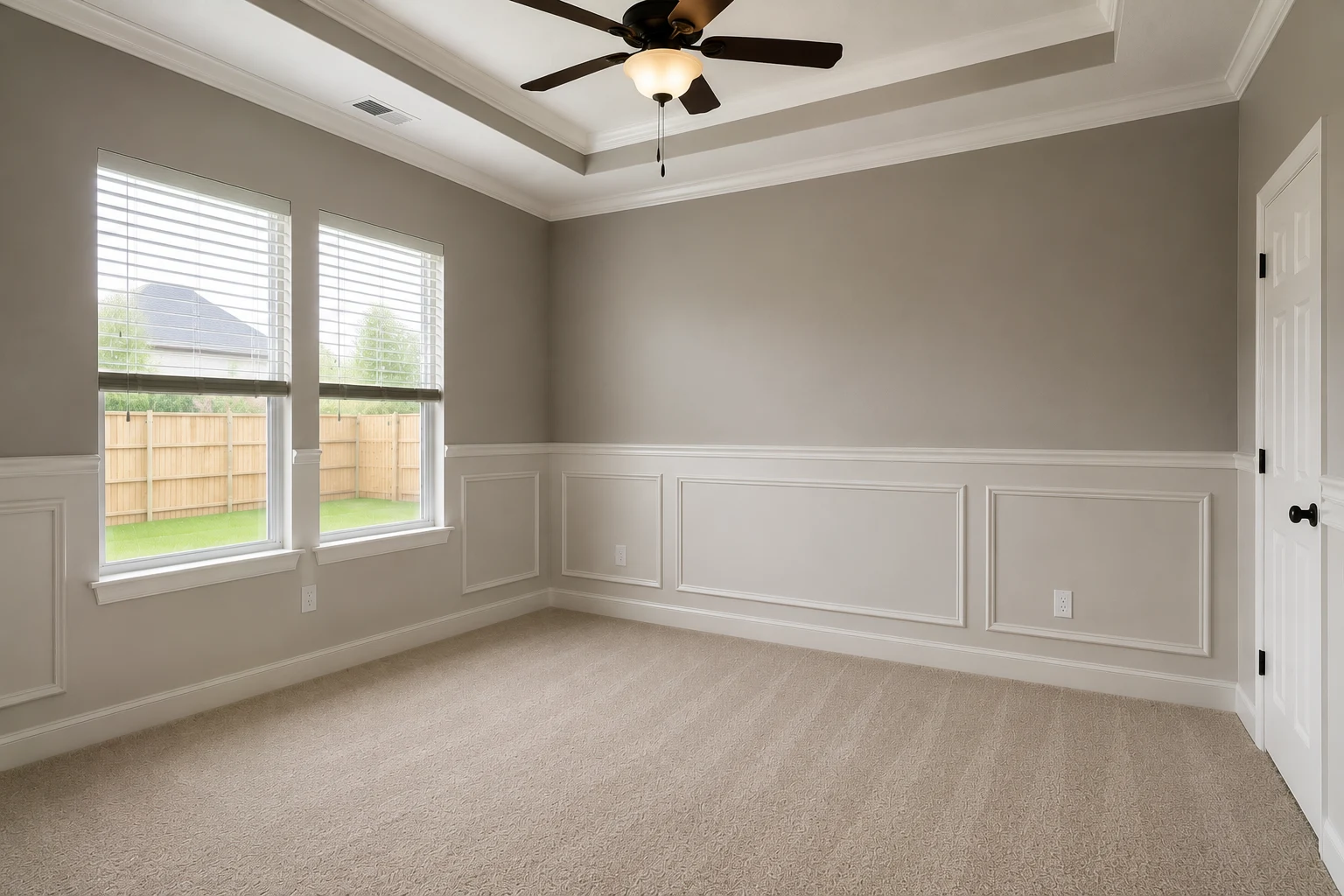
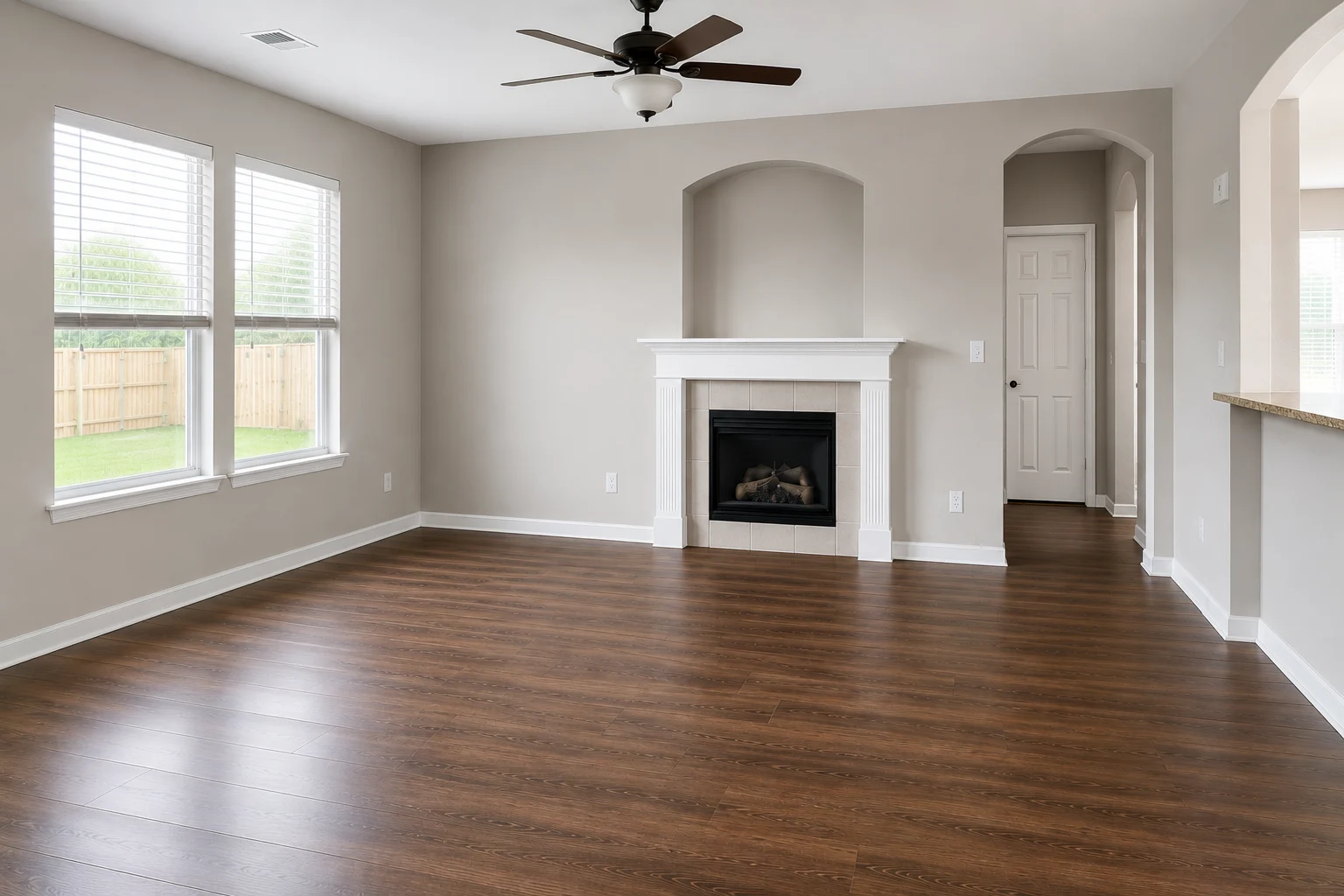 ConceptPaintingSoft Neutral Interior Concept
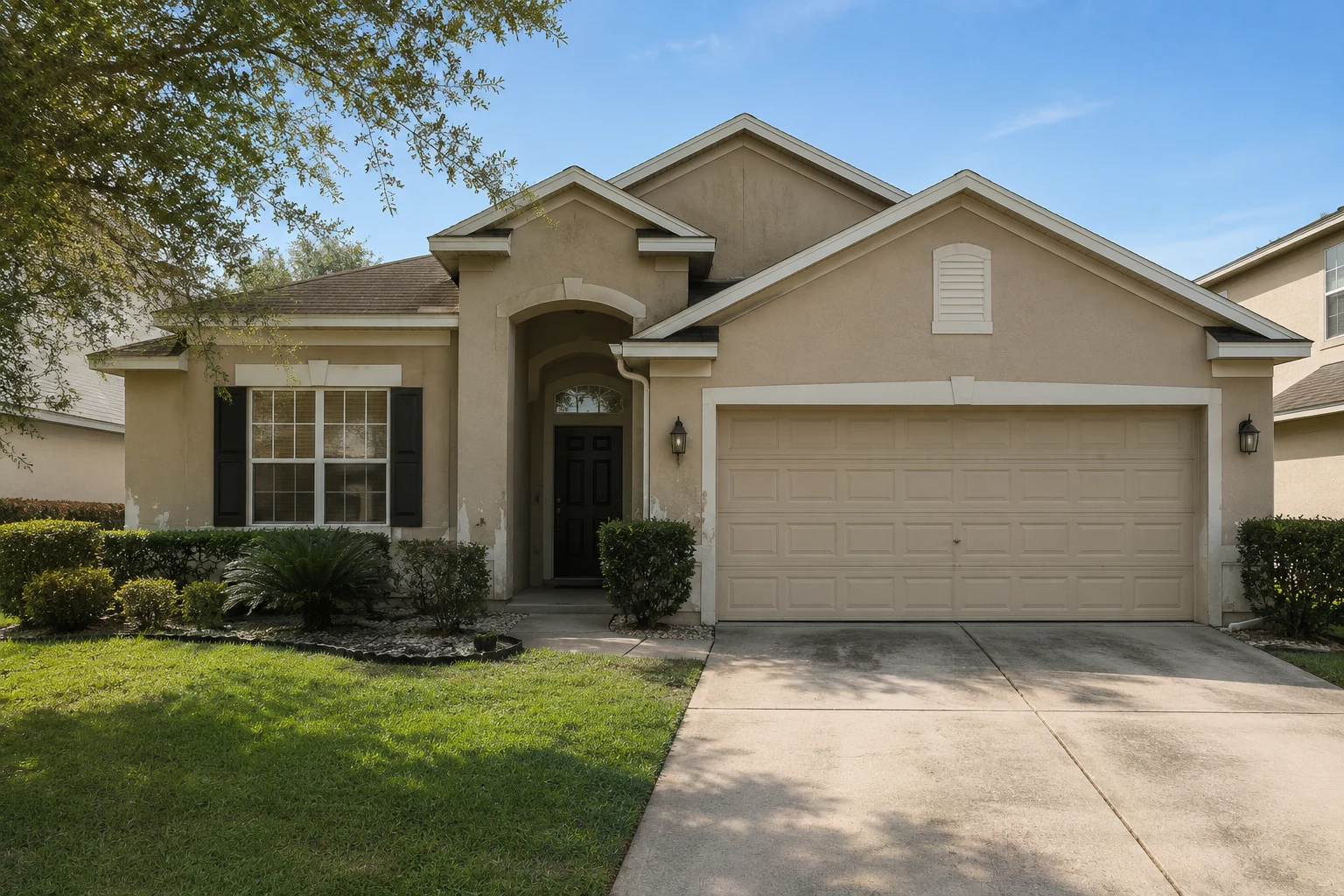
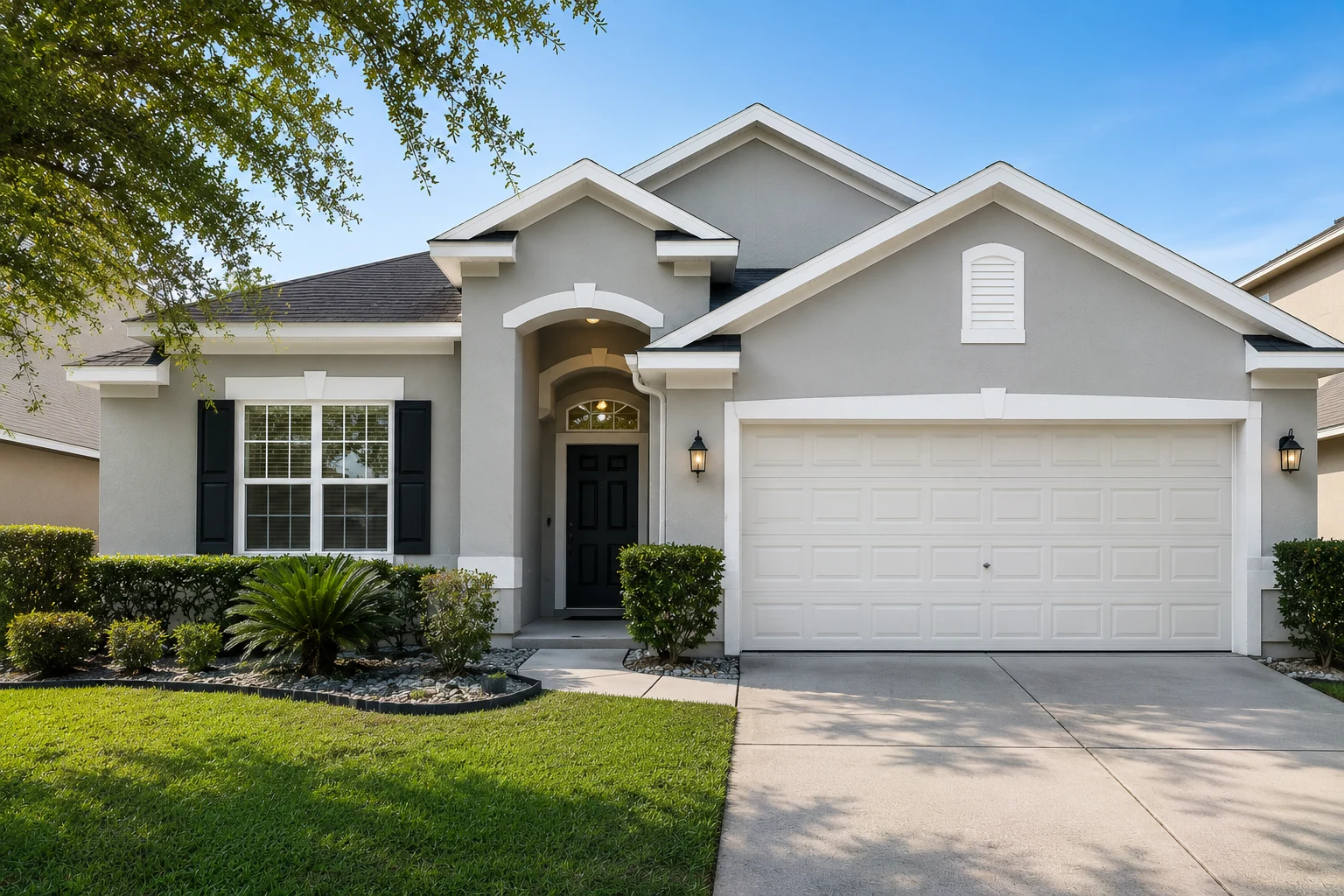
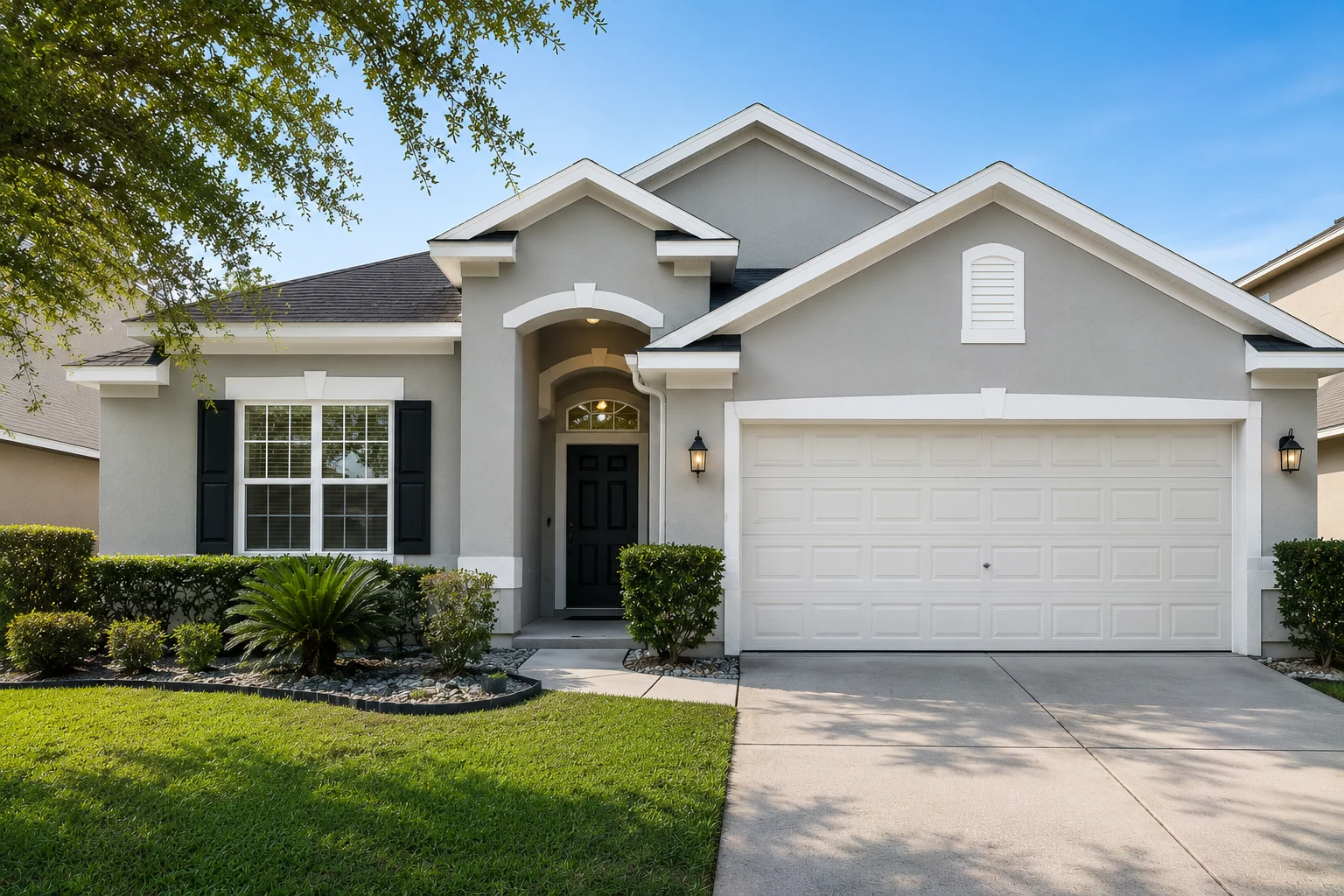
 ConceptPaintingRefreshed Stucco Exterior Concept
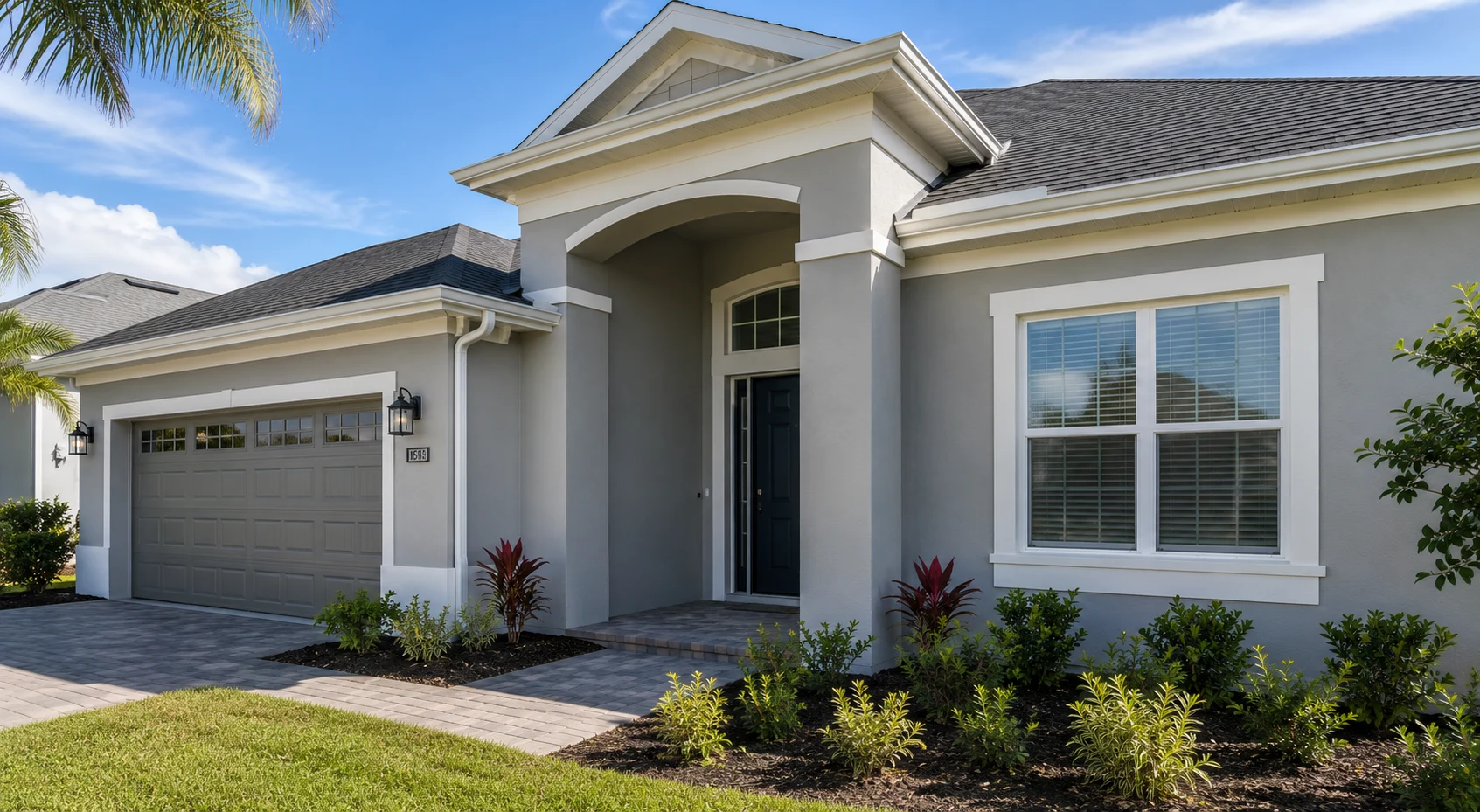
 ConceptPaintingCoordinated Whole-Home Palette Concept
These images are conceptual visualizations meant to illustrate the style and quality SAVAM House can deliver — not photographs of projects completed by our team.
Questions
Almost always sheen rather than dirt. When a wall has been touched up repeatedly, the repaired areas reflect light slightly differently from the original coat, and a camera flattens the room and shows that as a patchwork. Standing in the space your eye compensates; a photograph does not. Recoating the wall corner to corner is what puts it back to one continuous surface, and it is usually the fastest visible improvement to a set of listing images.
Probably nothing, beyond continuing past the point where touching up still works. Most of these homes were handed over in a flat paint that polishes wherever it is rubbed, so each spot repair leaves its own subtle mark — and after enough of them the wall is a record of every incident. There is a point where the honest answer is to stop and recoat. Owners are often surprised that the cost of a year of touch-up visits would have covered it.
Consistently the same ones: the entry, the stairwell, the walls beside every doorway, the wall behind the bed in each bedroom, and the bathrooms. Those are where hands, luggage, and furniture make contact, and they are also what appears in photographs. When a budget will not stretch to the whole interior, those areas are where it does the most work — a guest bedroom nobody scuffs can wait.
Whenever you can see a quiet stretch coming rather than reacting to a problem. A planned window allows proper preparation, correct waits between coats, and genuine cure time before beds and furniture go back — none of which fit into forty-eight hours between arrivals. Tell us how your calendar looks and we will aim at the window that costs you the least.
A quality washable product, specified by area rather than applied uniformly. In high-contact zones a proper washable finish means marks come off with a damp cloth instead of burnishing into a shiny patch — which is the single change that most reduces the ongoing maintenance list. Lower-traffic rooms genuinely do not need the same specification, and there is no sense paying for it there.
Yes, provided the preparation is right — and the outcome is almost entirely decided by that. Cooking residue has to come off completely, the surface needs scuffing so the primer can grip, and the primer must suit the factory coating underneath. Done properly, refinished fronts take years of use. Rushed, they chip at the handles within a season, which in a rental means a complaint rather than a cosmetic annoyance.
It matters most during the work itself. Even a conditioned house holds enough moisture in the air to slow how quickly each coat releases it, so recoat and cure times run longer than the label implies. The other place it shows is any property that gets closed up between stays with the thermostat set high — that is when interior surfaces stay damp long enough for growth to appear, particularly around bathroom ceilings.
In zones, so there are always rooms untouched by the project, with the active area contained and ventilated and the house put back together each evening rather than left open. Tell us at the start about bedrooms, school mornings, work-from-home hours, or pets and the room order is built around them. Most of our interior work happens in occupied homes.
Often not, and it catches owners out regularly. This area spans several county lines and a great many separate associations, each setting its own approach to exterior colors and approvals. What was accepted at one address is not a safe assumption at another. Check the requirements for each community before committing to a scheme — asking early costs nothing and prevents the most common delay we see on exterior work here.
More often, and for a different reason. A family home is usually repainted when the owners decide it looks tired. A rental reaches that point sooner because the wear is concentrated and constant, and because it is being judged by people seeing it for the first time. High-contact areas frequently need attention well before the rest of the property does, which is why we would rather scope by zone than by whole-house cycle.
It protects how it presents, which is what a guest, a photograph, and eventually a buyer are all responding to. The part that is not presentation is protective: a sealed exterior keeps weather out of the structure, and water damage found during an inspection costs considerably more to resolve than the repaint that would have prevented it.
Use the form on this page and give us the basics — the property, whether it is rented or lived in, which areas concern you, and how your calendar looks. We will follow up to talk it through and, where it makes sense, come out and assess the surfaces before putting numbers to anything.
Tell us about the home, how it is used, and what your calendar allows — and we will assess the surfaces honestly and put a scope and a schedule behind the number.