 Current Service
Painting
Refresh interior and exterior surfaces with professional, detail-oriented painting.
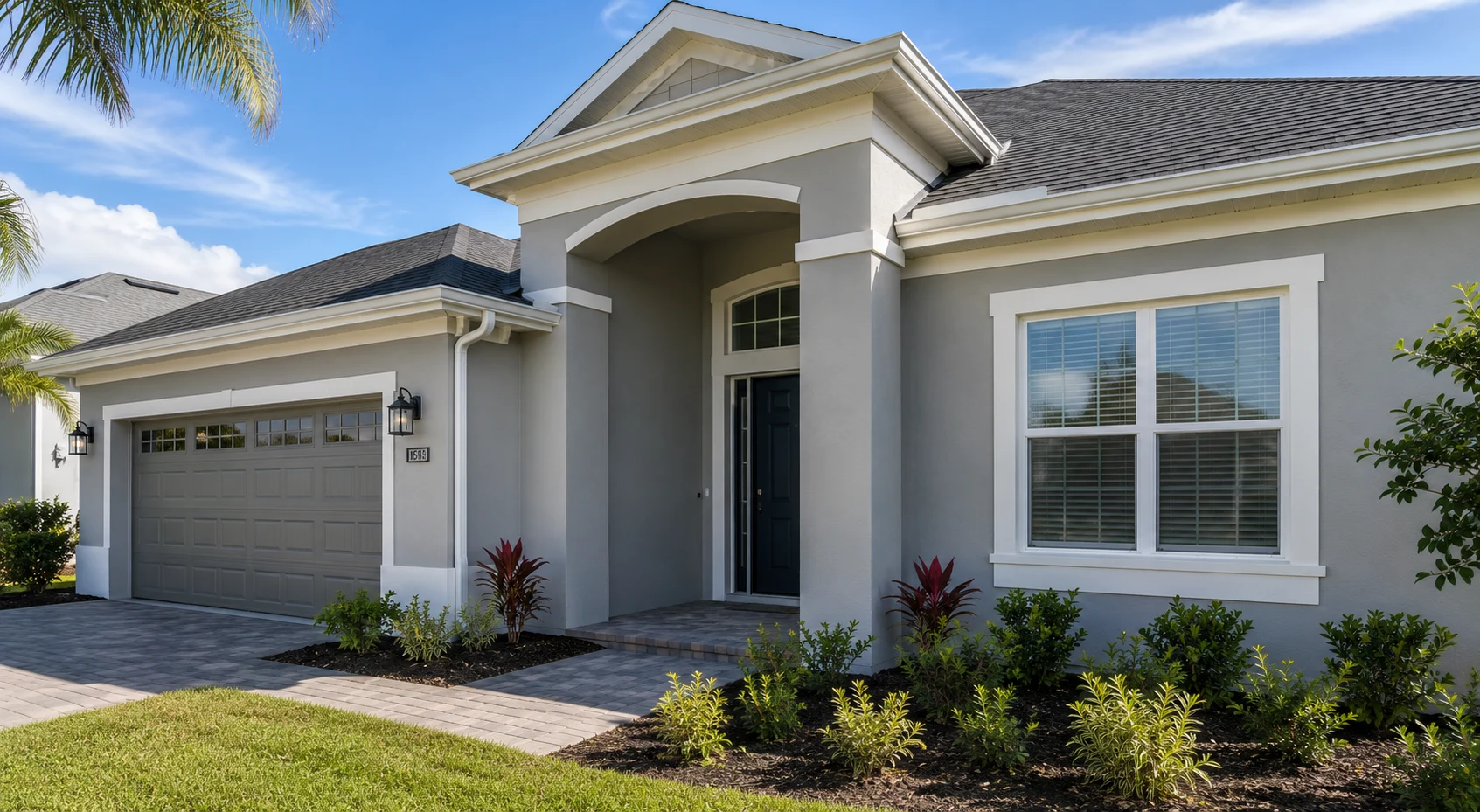
Painting Contractor Serving Winter Garden
Paint is the least expensive way to change how a home looks — and the first thing standing between Florida weather and everything underneath. We deliver both sides of that: a premium finish that holds its color, surfaces properly sealed, and a project run cleanly from the first walkthrough to the final inspection.
Get Your Free EstimateFree In-Home Consultation
Organized Process
Every project follows a clear, structured process from first contact to final walkthrough.
Quality Craftsmanship
We pay attention to the details that make a remodel feel finished and durable.
Clear Communication
You'll always know what's happening with your project and what comes next.
Commitment to Your Home
We treat every property with the same care and respect as if it were our own.
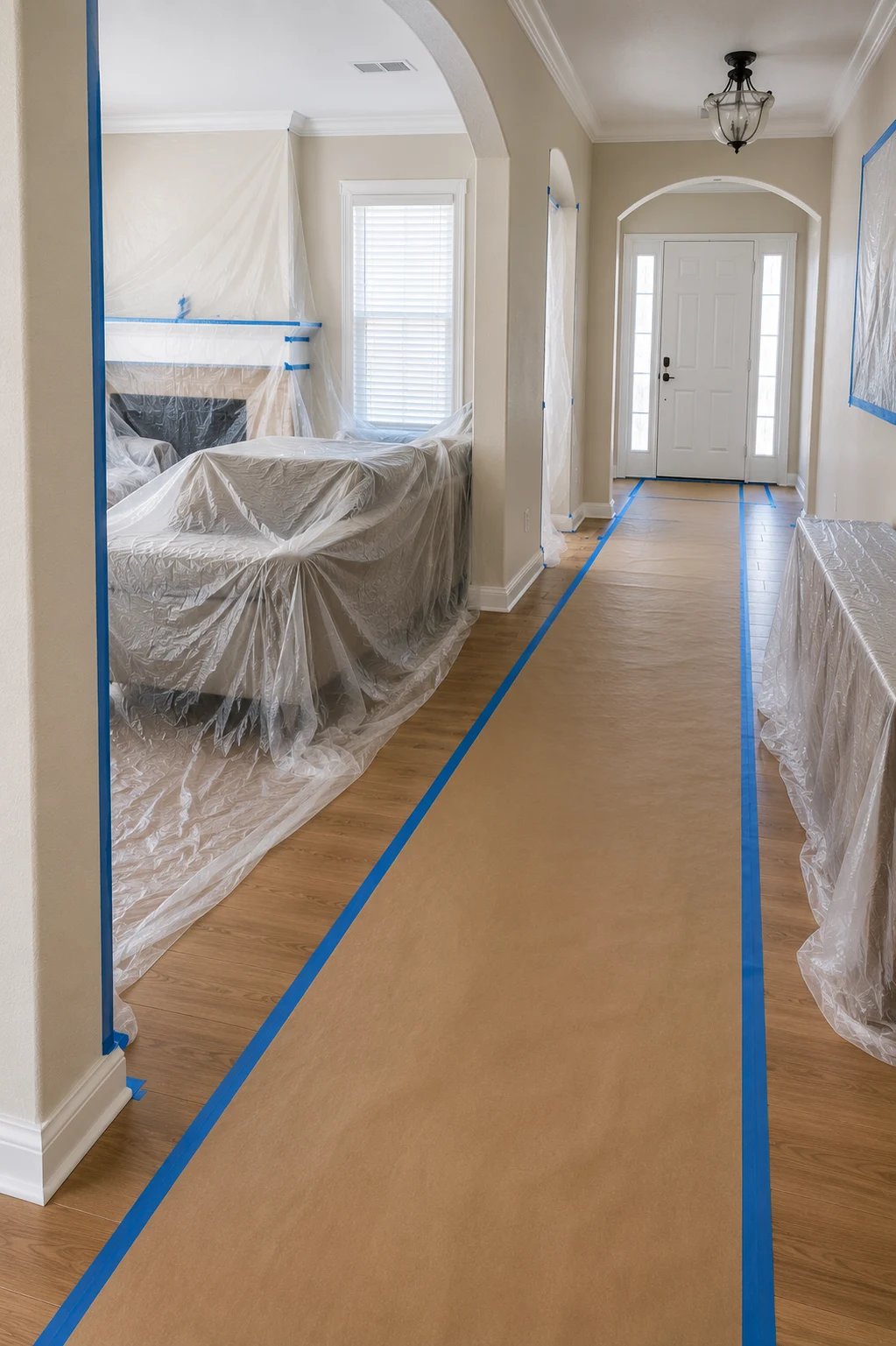 Protecting Your Home
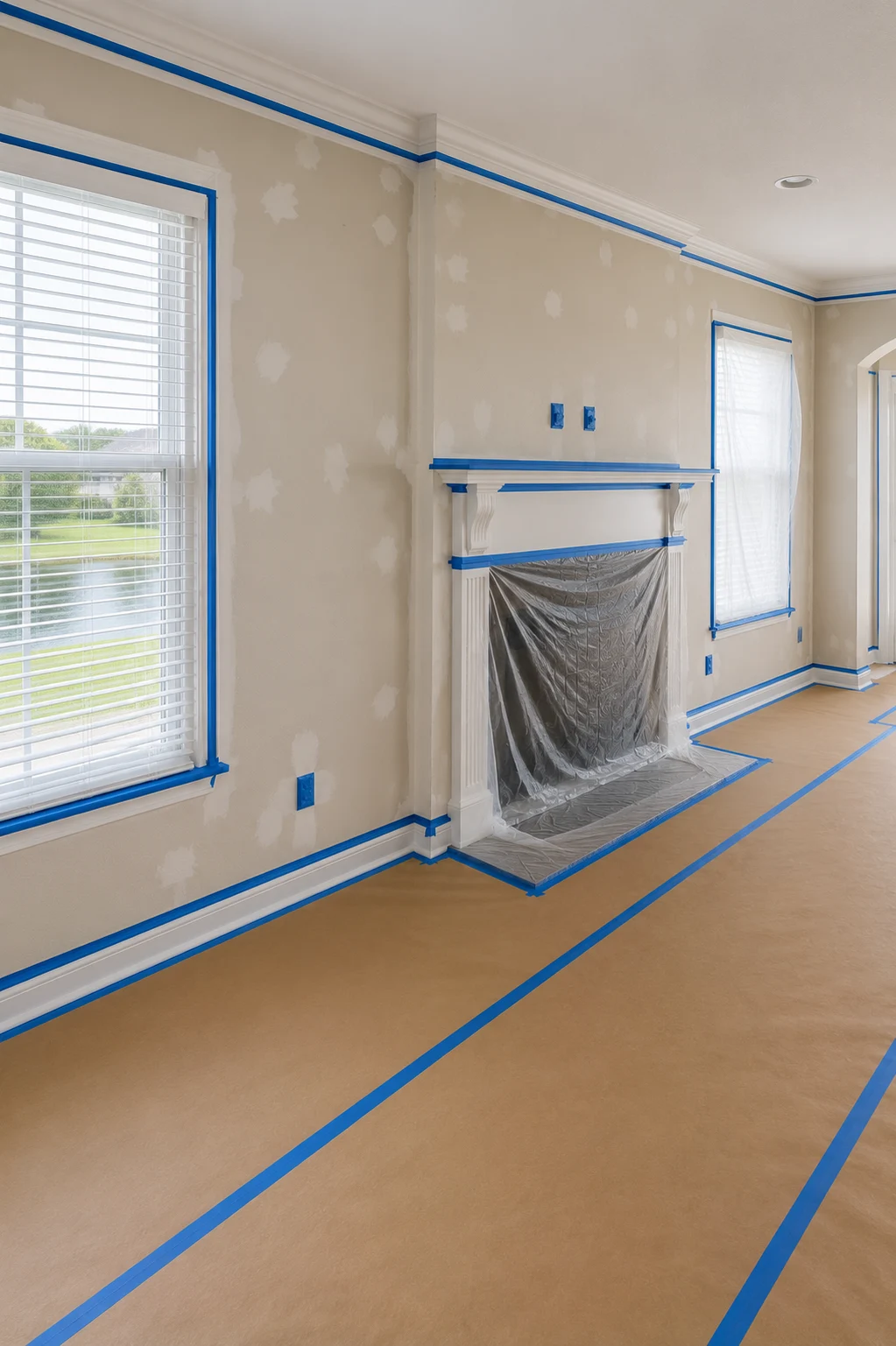 Surface Prep
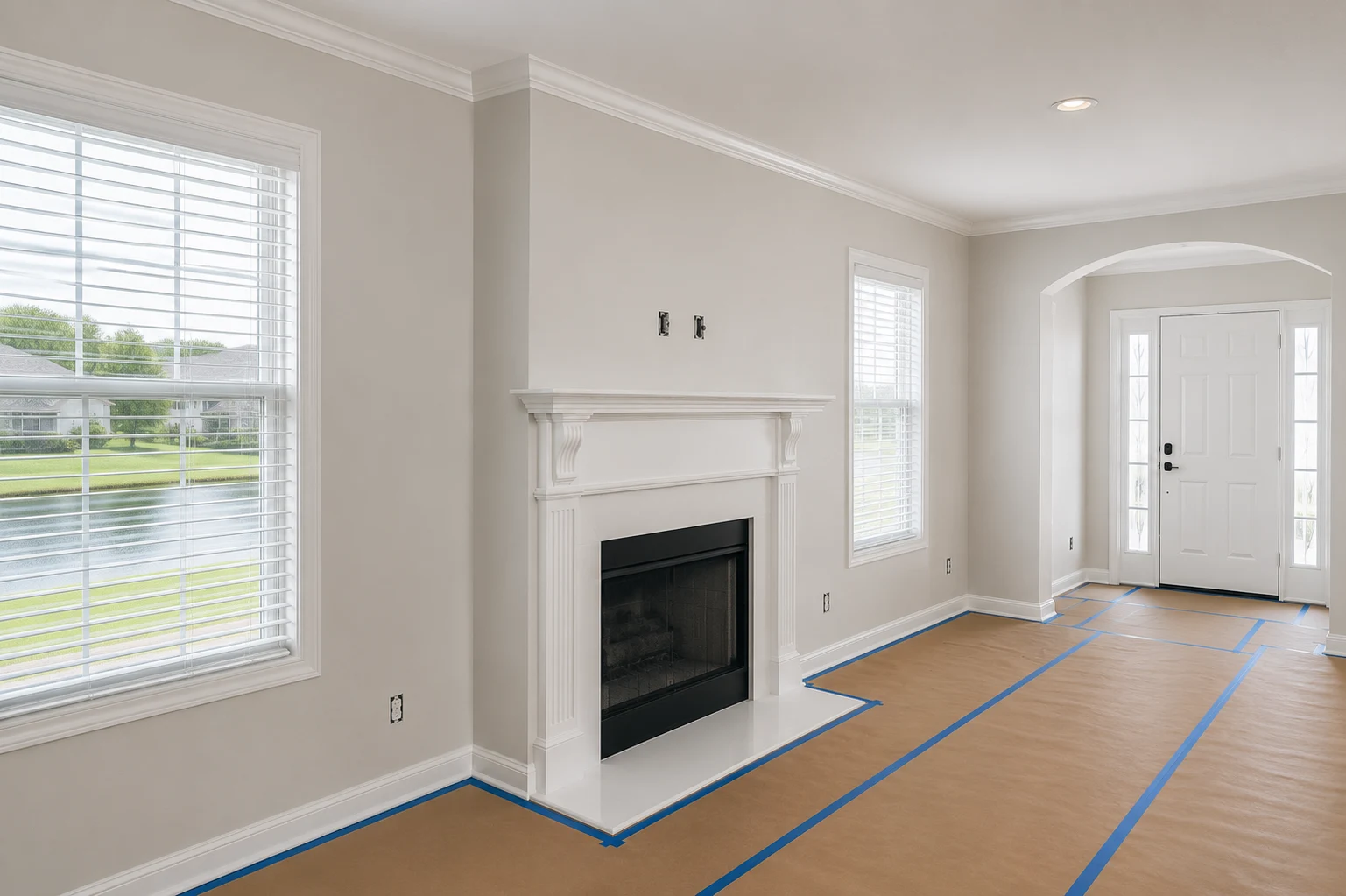 Application
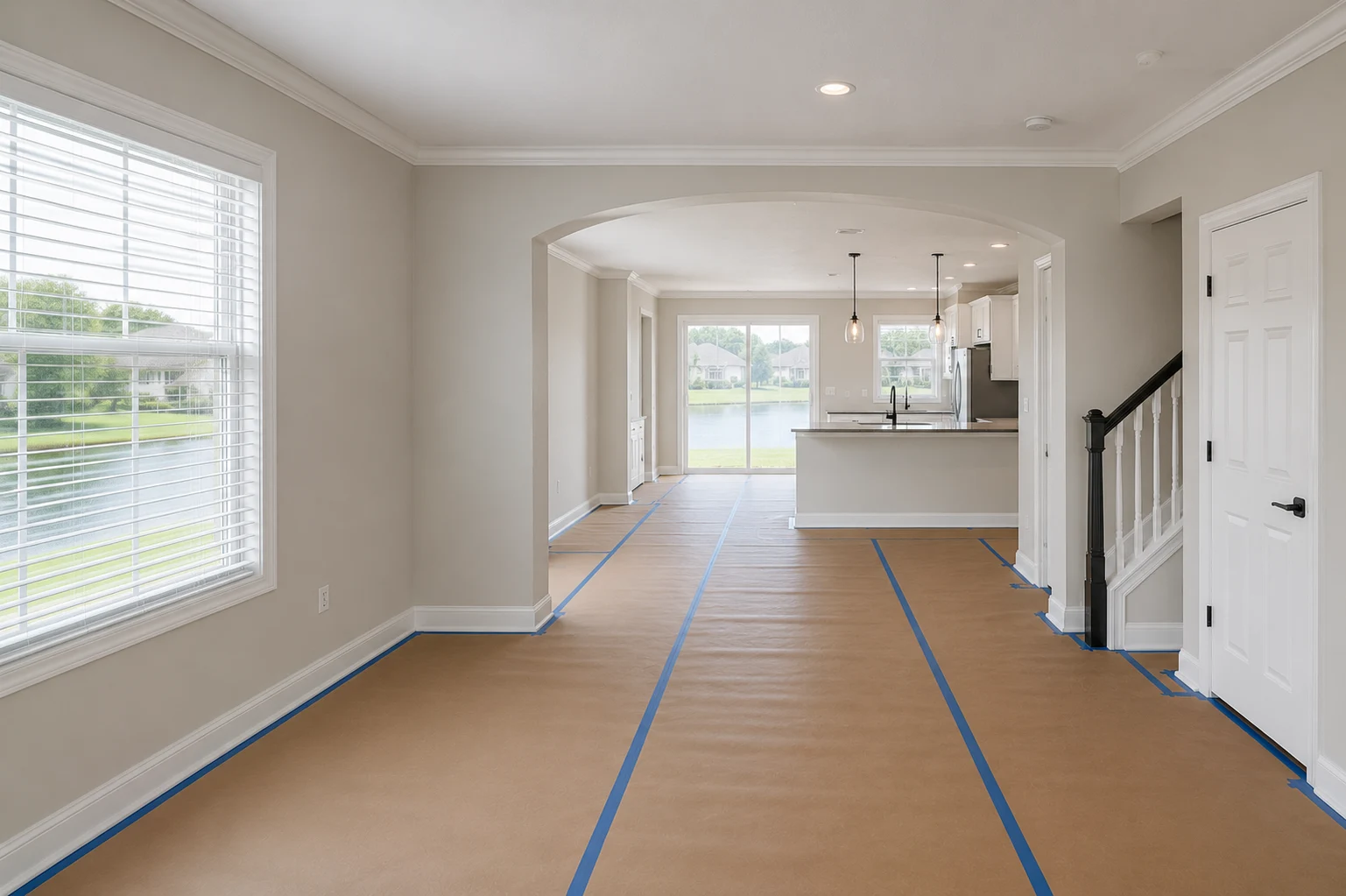 Walkthrough & Cleanup
Working With Us
We're not focused on being the biggest — we're focused on being organized, communicative, and easy to work with.
Your project starts with a clear plan, not guesswork.
You'll hear from a real person about the status of your project.
We treat the small details as seriously as the big decisions.
How It Works
We start by understanding your goals, your home, and the scope of your project.
We translate your vision into a clear, organized plan before any work begins.
You choose finishes and materials with guidance from our team.
Our team executes the project with attention to detail and clear communication.
We review the finished work together to make sure everything meets your expectations.
Real Results
Fresh color is what you notice first. What lasts — an even sheen across a full wall, a crisp line where trim meets ceiling, stucco that has stopped telling on its age — is what makes a house feel genuinely renewed rather than merely recently painted.
The Benefits
The value of a repaint isn’t in the color. It’s in how long that color lasts, what it protects, and how little you have to think about it afterward.
What Else to Consider
Paint touches nearly every surface in a house, which makes a painting project the cleanest moment to take care of what sits right beside it.
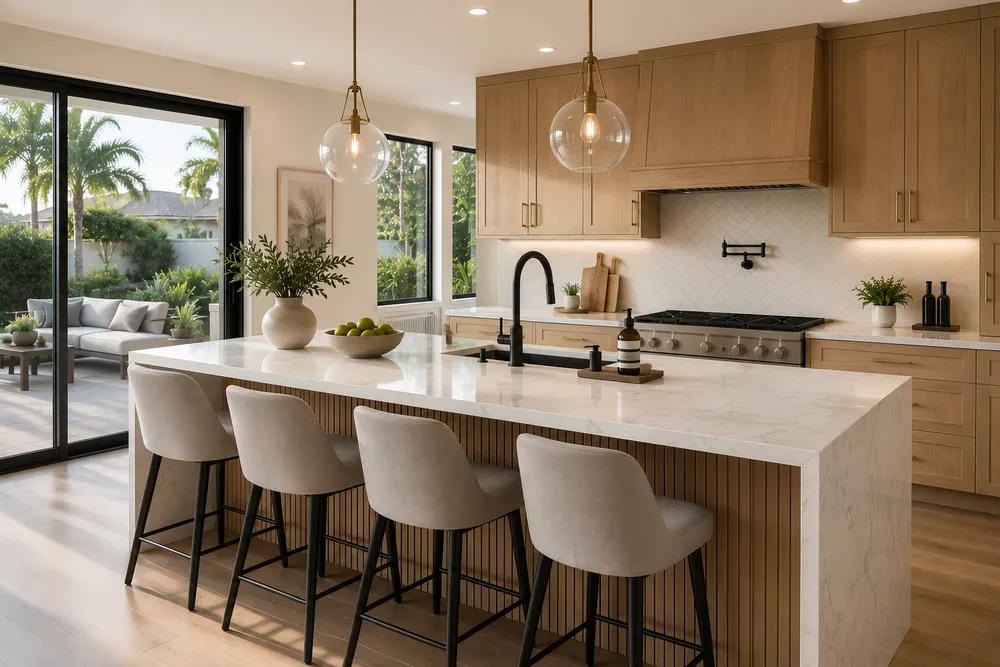
Transform the heart of your home with a kitchen that blends functionality, craftsmanship, and modern design.
Learn More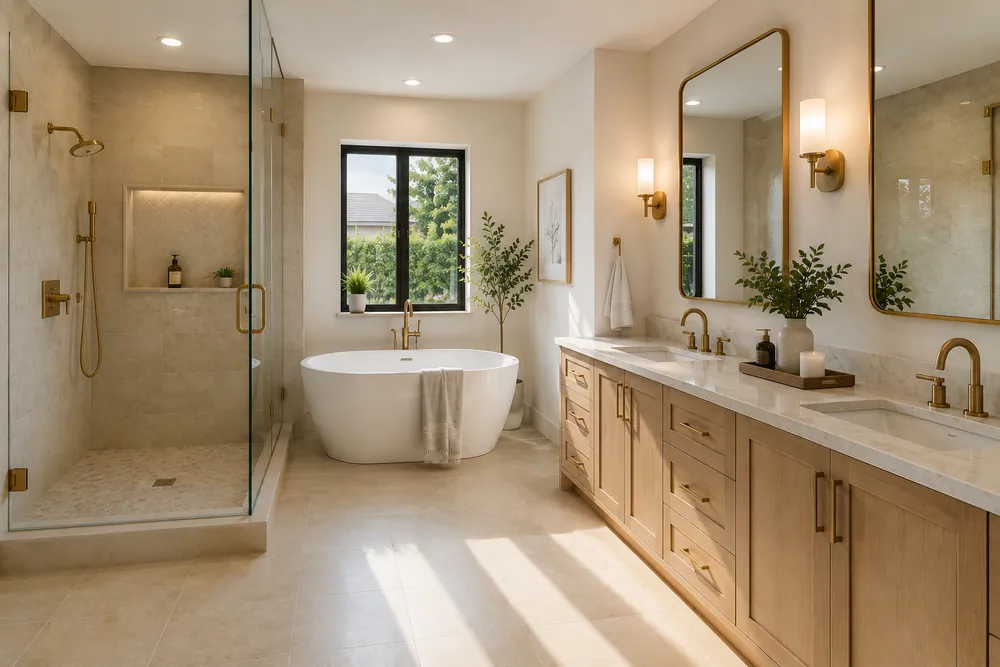
Modernize your bathroom with thoughtful layouts, quality finishes, and lasting comfort.
Learn More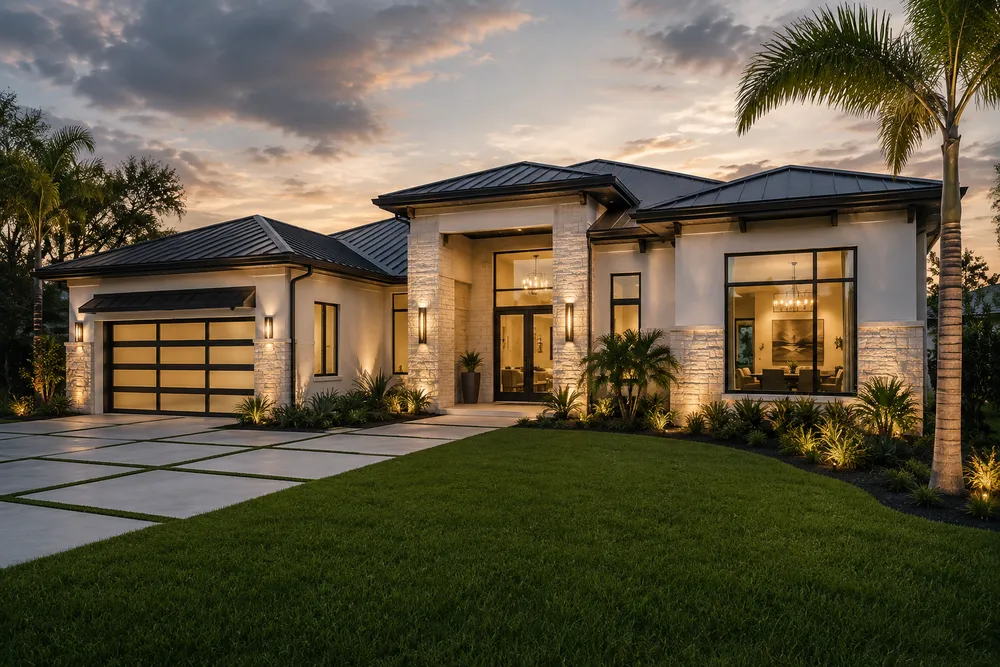
Coordinate a complete transformation of your home, from layout to finishing details.
Learn More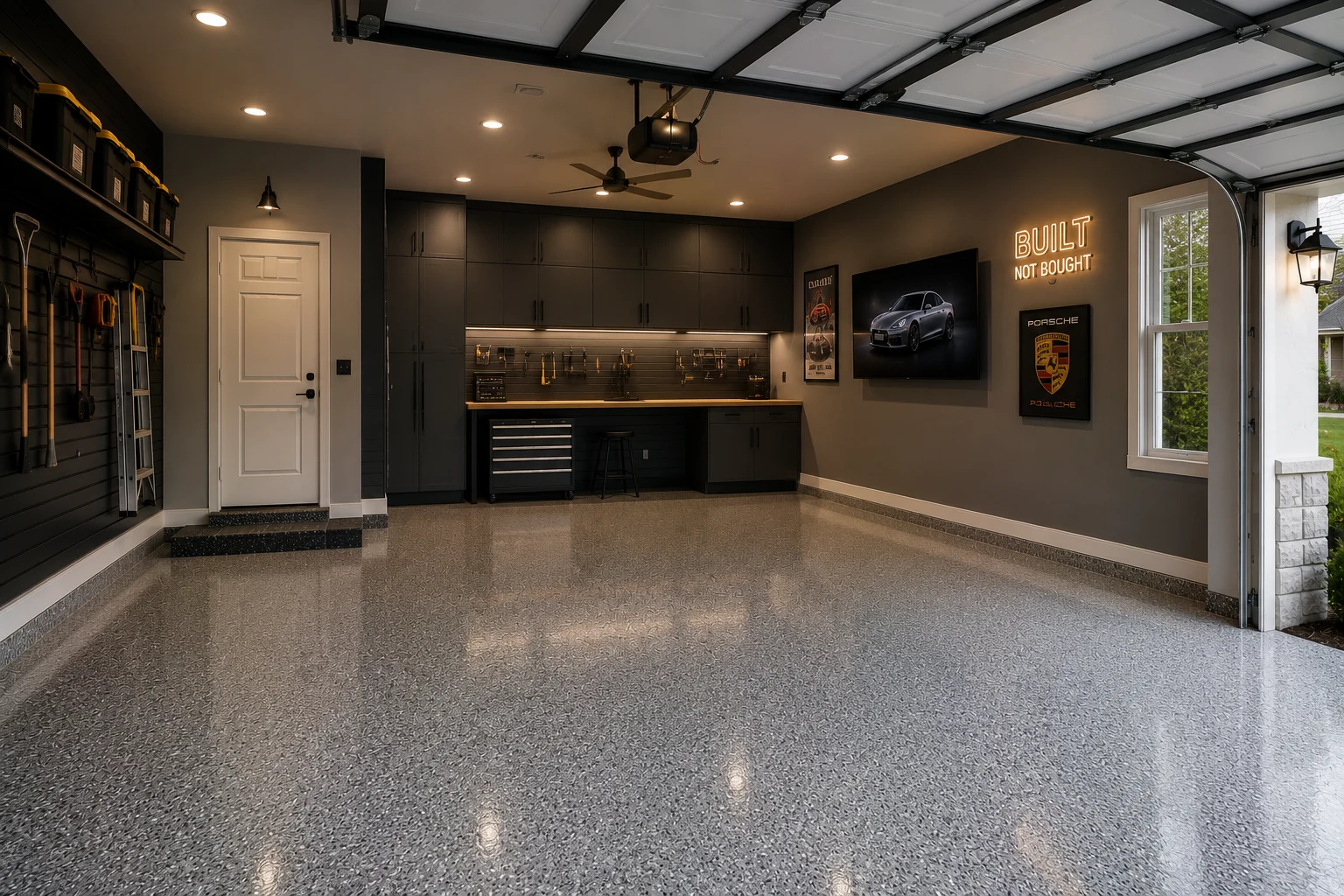
Turn your garage into an organized, durable, and functional extension of your home.
Learn More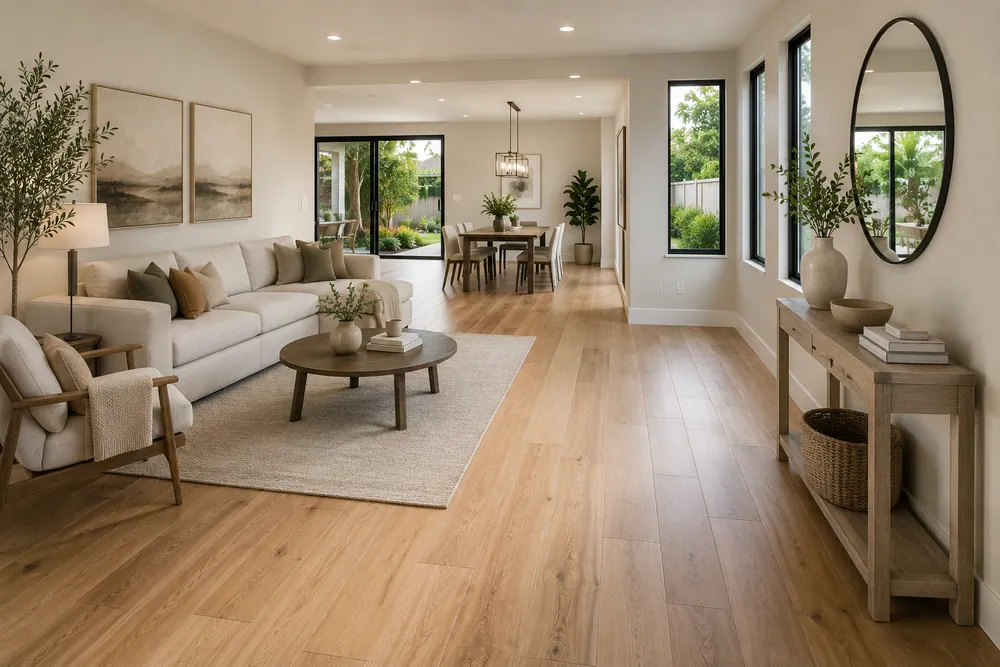
Install and refresh flooring throughout your home with materials built to last.
Learn MoreCurrent ServiceRefresh interior and exterior surfaces with professional, detail-oriented painting.
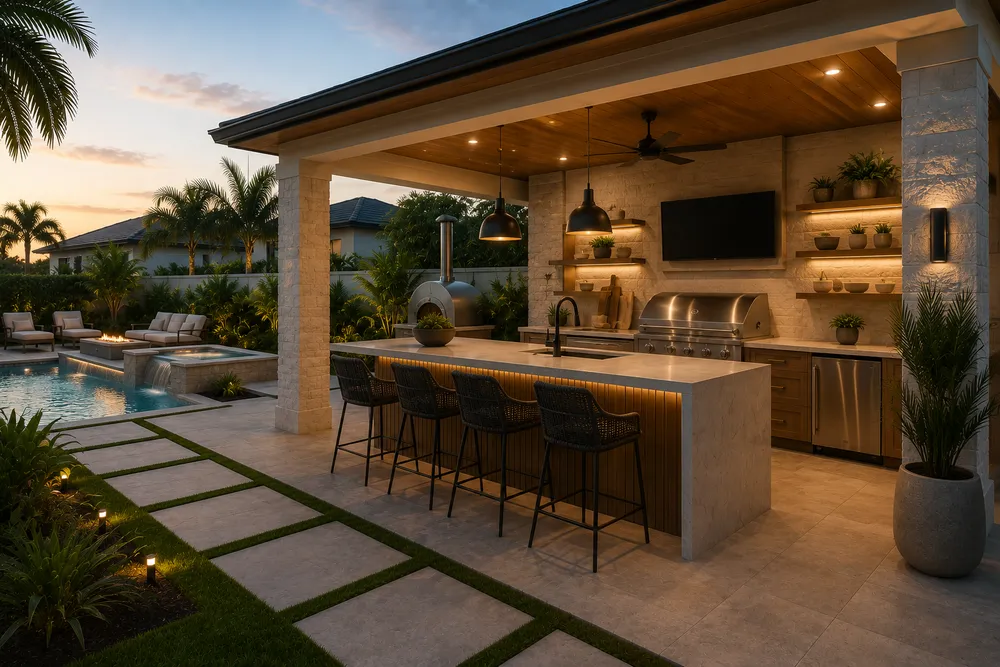
Create outdoor spaces designed for everyday living and relaxed entertaining.
Learn More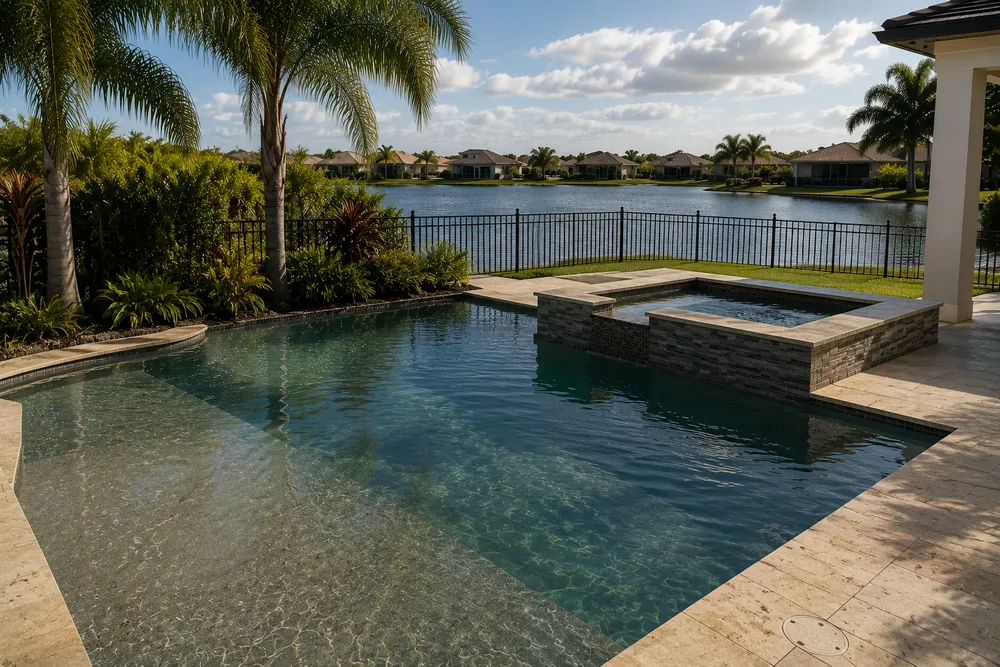
Design and build a custom pool tailored to your home and lifestyle.
Learn More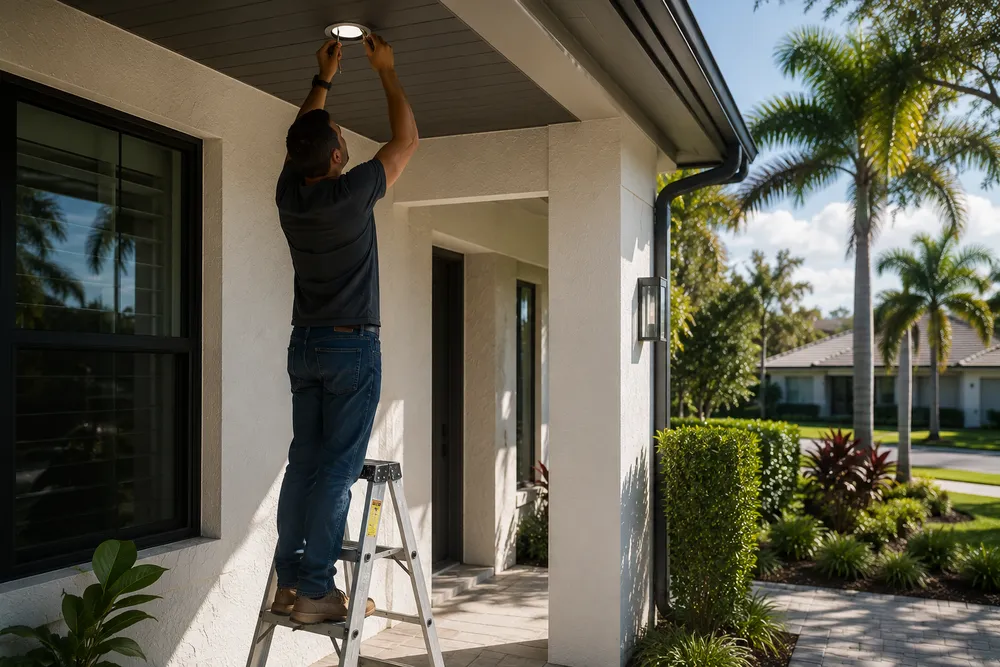
Handle everyday repairs and improvements with the same attention to detail as larger projects.
Learn MoreGet Started
Tell us about your project and our team will reach out to discuss the next steps.
Get your free estimate in less than 2 minutes
Prefer to talk it through first? Call or email us directly.
How We Work
Most homeowners aren’t looking for a lecture on coatings. They want to know how long the crew will be in the house, whether the furniture is safe, if the color will look the way they pictured it, and whether the job will still look good in a few years. Those are exactly the right questions, and they’re the ones we plan the project around.
So we start with a walkthrough rather than a number. We look at what the house has been through, listen to what’s been bothering you about it, and talk plainly about what’s worth doing and what isn’t. By the time the first drop cloth comes out, you know the sequence, the schedule, and what your home will look like at the end of each day. Here’s how a project usually comes together.
Planning Ahead
Four things we plan around on every project here — and the reasoning behind each one.
A finish that chalks, blisters, or peels within a couple of years almost never failed because of the product in the can. It failed because the wall underneath was still holding moisture, because a chalked surface was coated instead of washed, or because the coats went on thin enough that they never built a real film. Good paint over a compromised surface fails on the surface’s timeline, not its own — which is why the estimate you should question is the one where preparation is the smallest line on it.
Stucco can feel perfectly dry to the hand and still carry enough water to push a new coating right back off. Rain the night before, a sprinkler head that hits the same wall every morning, a downspout emptying against the foundation — none of that matters much in a dry climate, and all of it matters here. Before we decide when to paint a given elevation, we look at where water actually goes on the property.
Paint feels dry within hours and reaches its true hardness weeks later, and humidity stretches that window well beyond what most labels suggest. It’s why we won’t stack coats faster than conditions allow, and why we’ll ask you to give a freshly painted bathroom or hallway a little time before scrubbing it. A wall that gets washed too early never quite recovers, and the marks it picks up afterward tend to stay.
From early summer into fall, the afternoon storm is close to a standing appointment, and it sets the working hours for exterior work more firmly than any calendar. Starting early, sequencing elevations so nothing is left half-coated when the sky turns, and accepting the occasional weather day are what keep a project from having to be done twice. A crew that promises to ignore the forecast is promising you the second version.
Why SAVAM House
Every project follows a clear, structured process from first contact to final walkthrough.
We pay attention to the details that make a remodel feel finished and durable.
You'll always know what's happening with your project and what comes next.
We treat every property with the same care and respect as if it were our own.
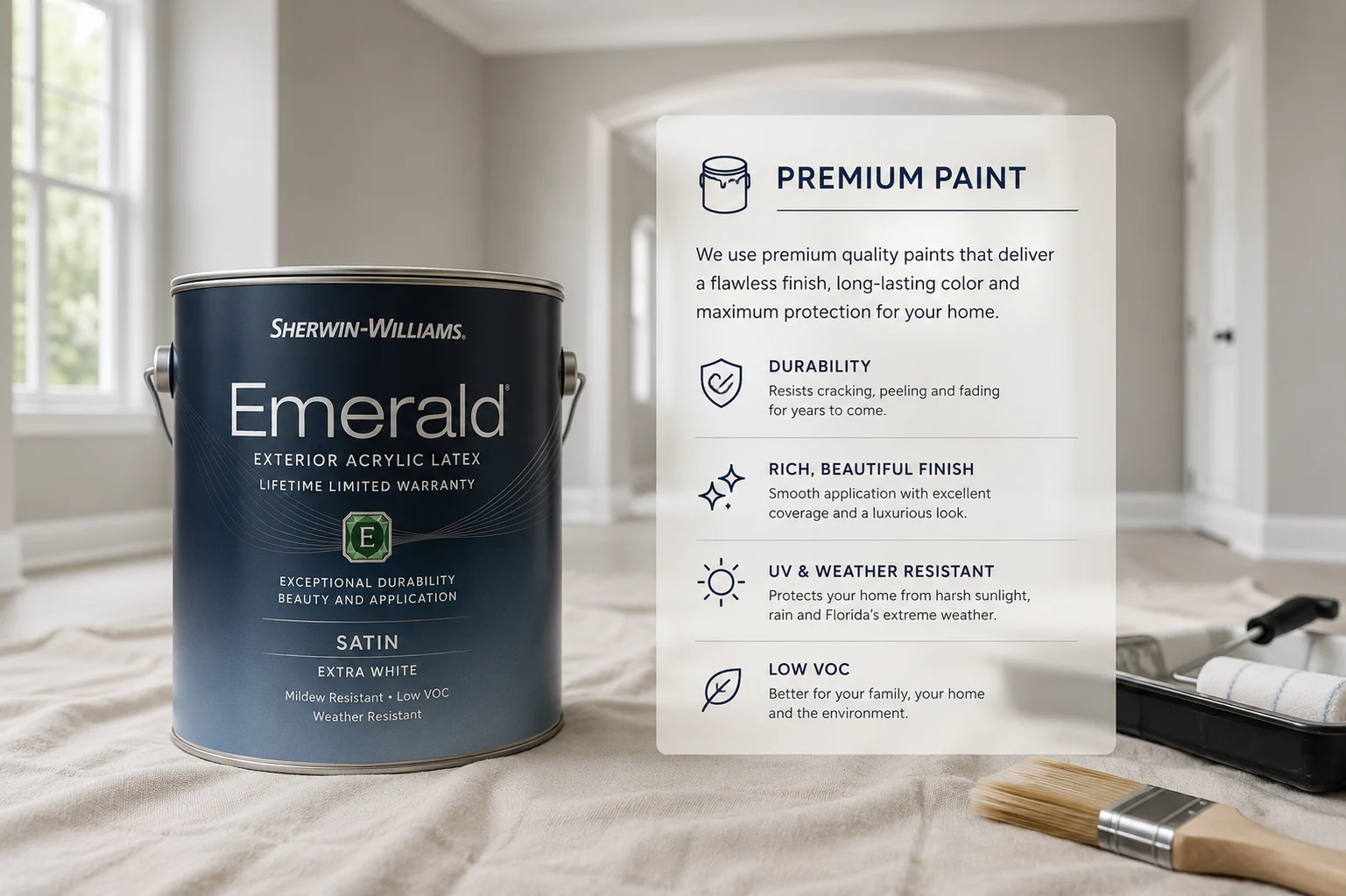 Premium Exterior & Interior CoatingsChosen for pigment stability and film build — the two properties that decide whether a color still looks right after a few Florida summers.
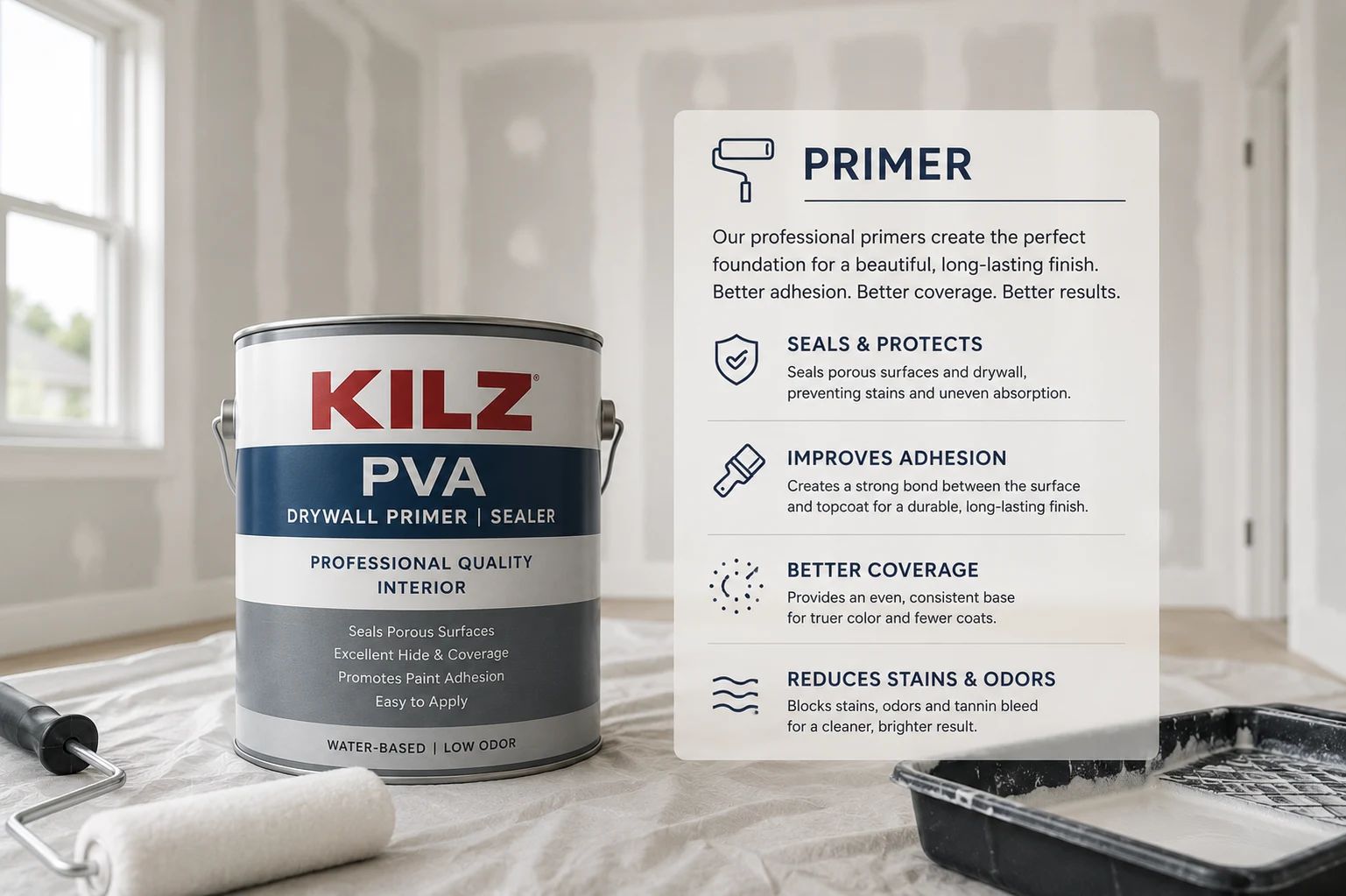 Sealing PrimerSpecified surface by surface, because chalked stucco, bare drywall, and glossy cabinet doors each need something different from the layer beneath.
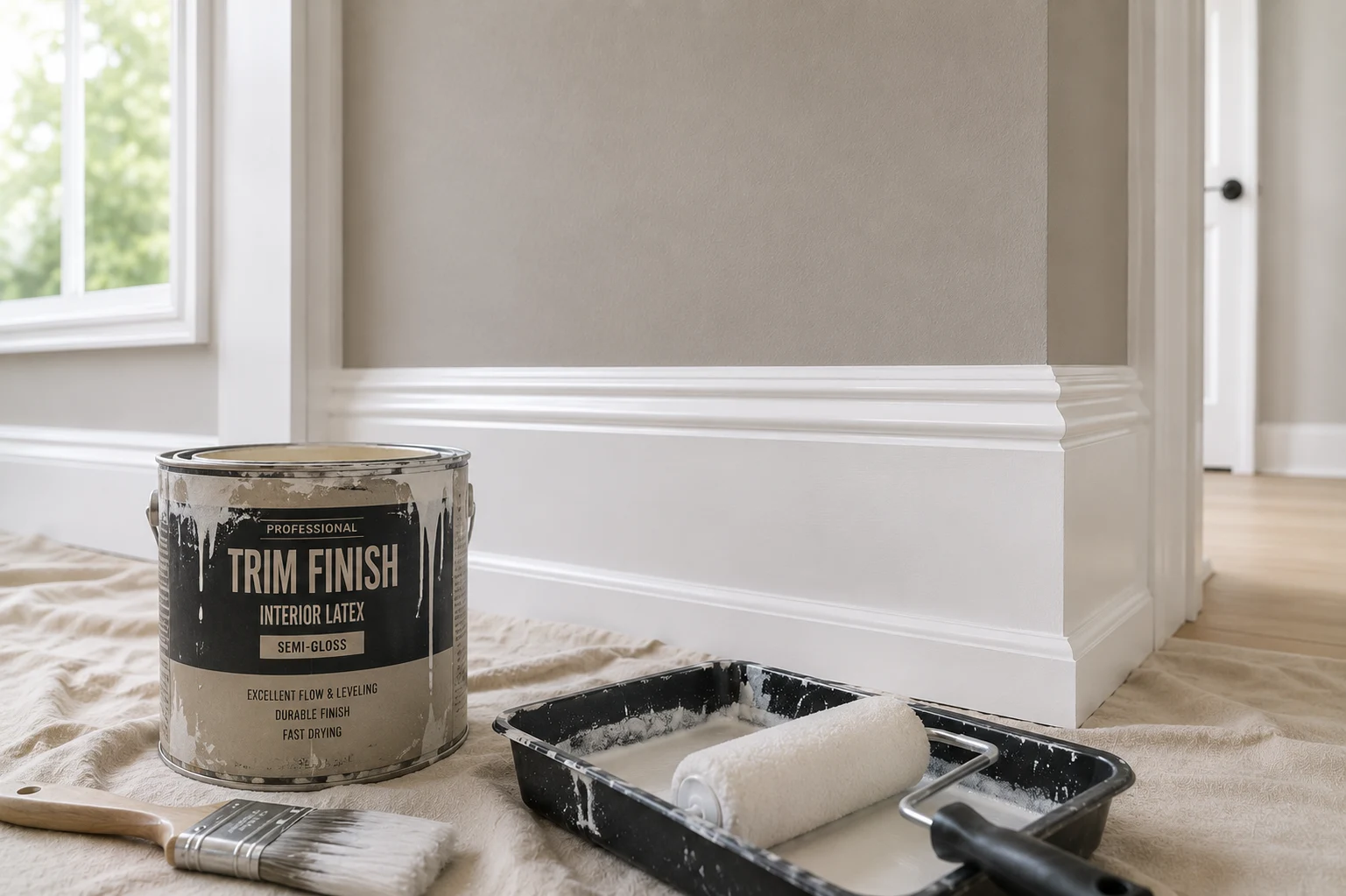 Trim, Door & Molding FinishA harder, more washable finish reserved for the surfaces that take hands, furniture, and cleaning — where wall paint would wear through first.
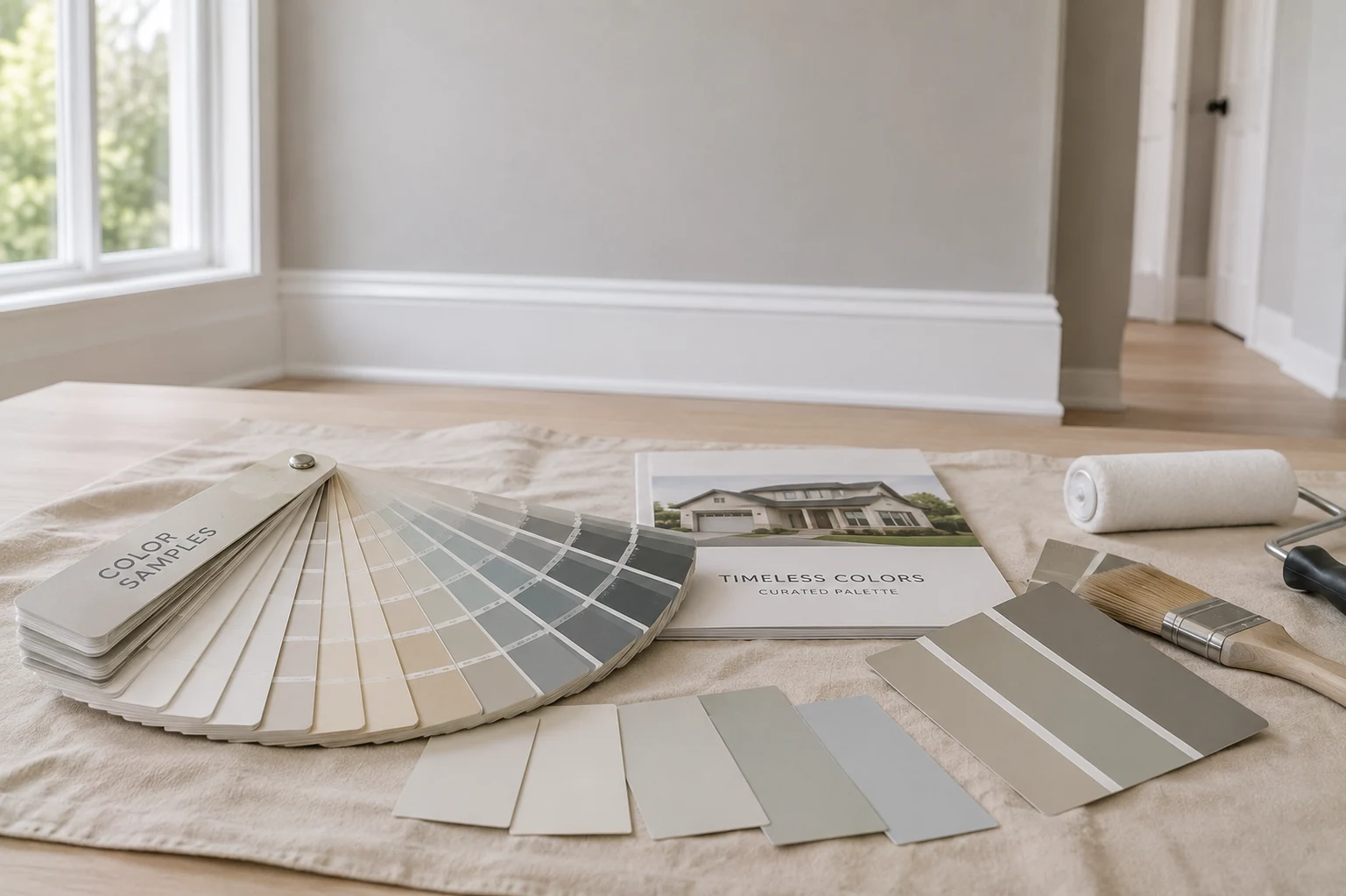 Color Selection SupportSamples judged on your own walls, in your own light, because Florida sun reads greys cooler and beiges warmer than any showroom ever will.
Get Inspired
Three directions homeowners here tend to land on — from a quiet interior refresh to a full exterior reset.
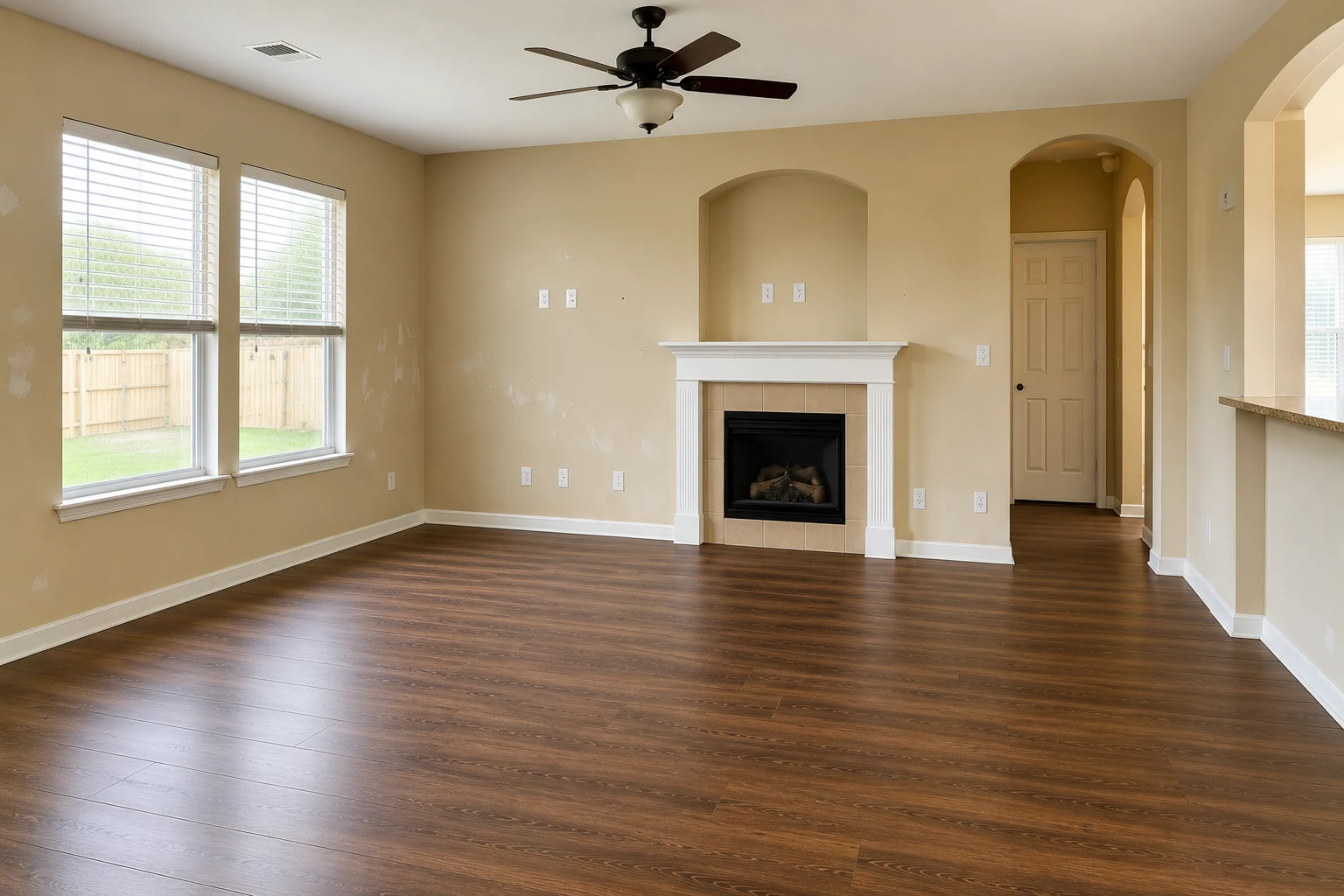
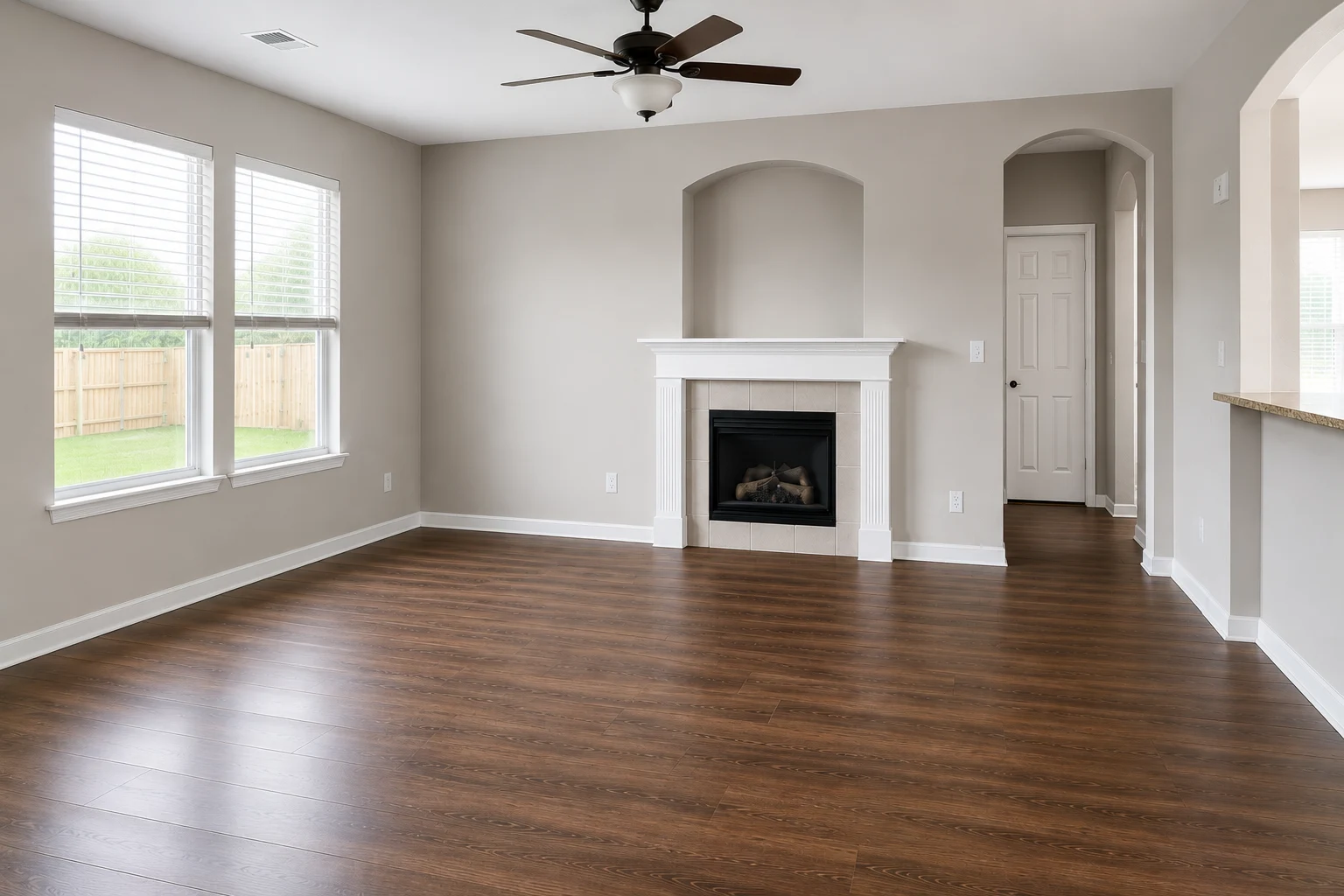
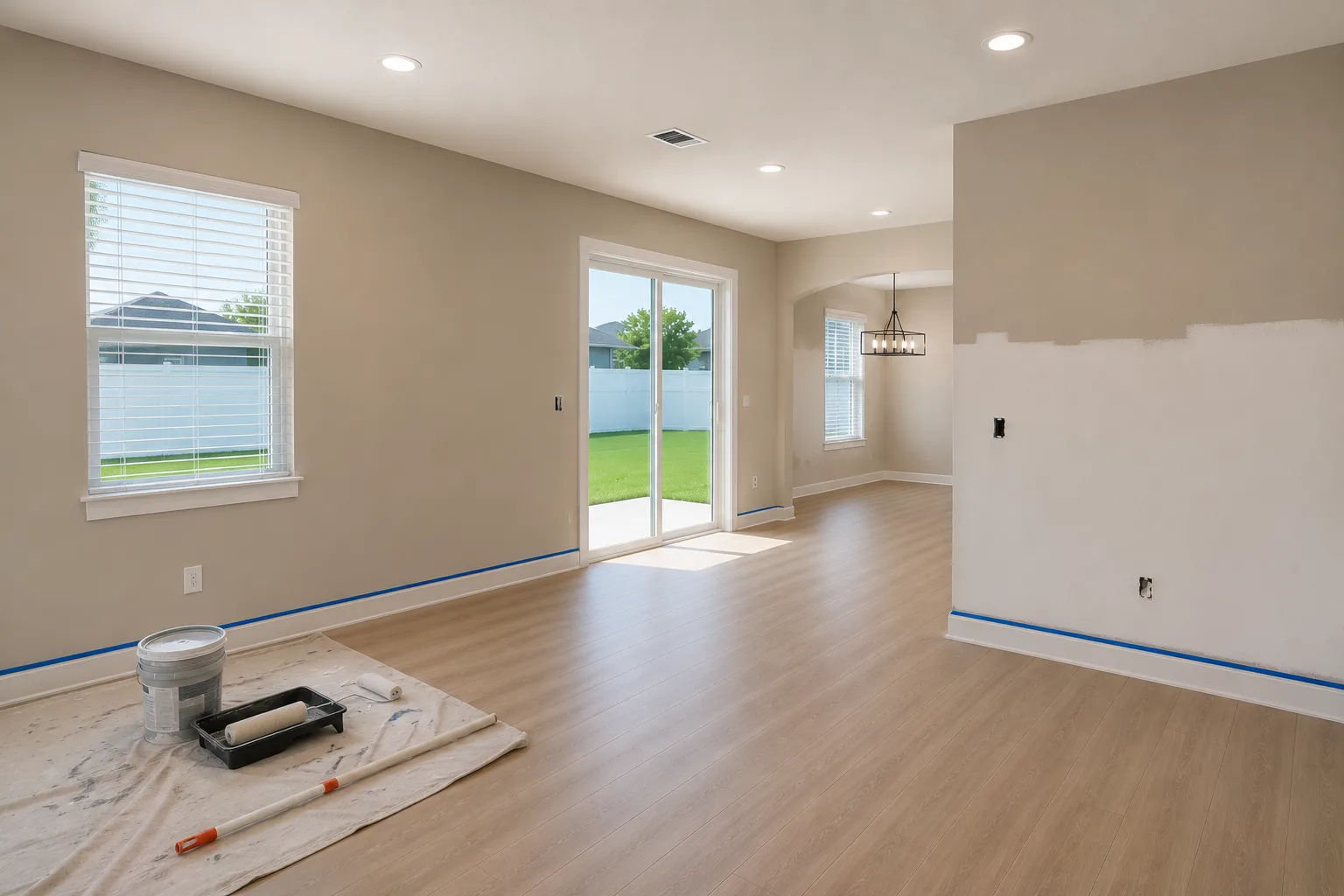
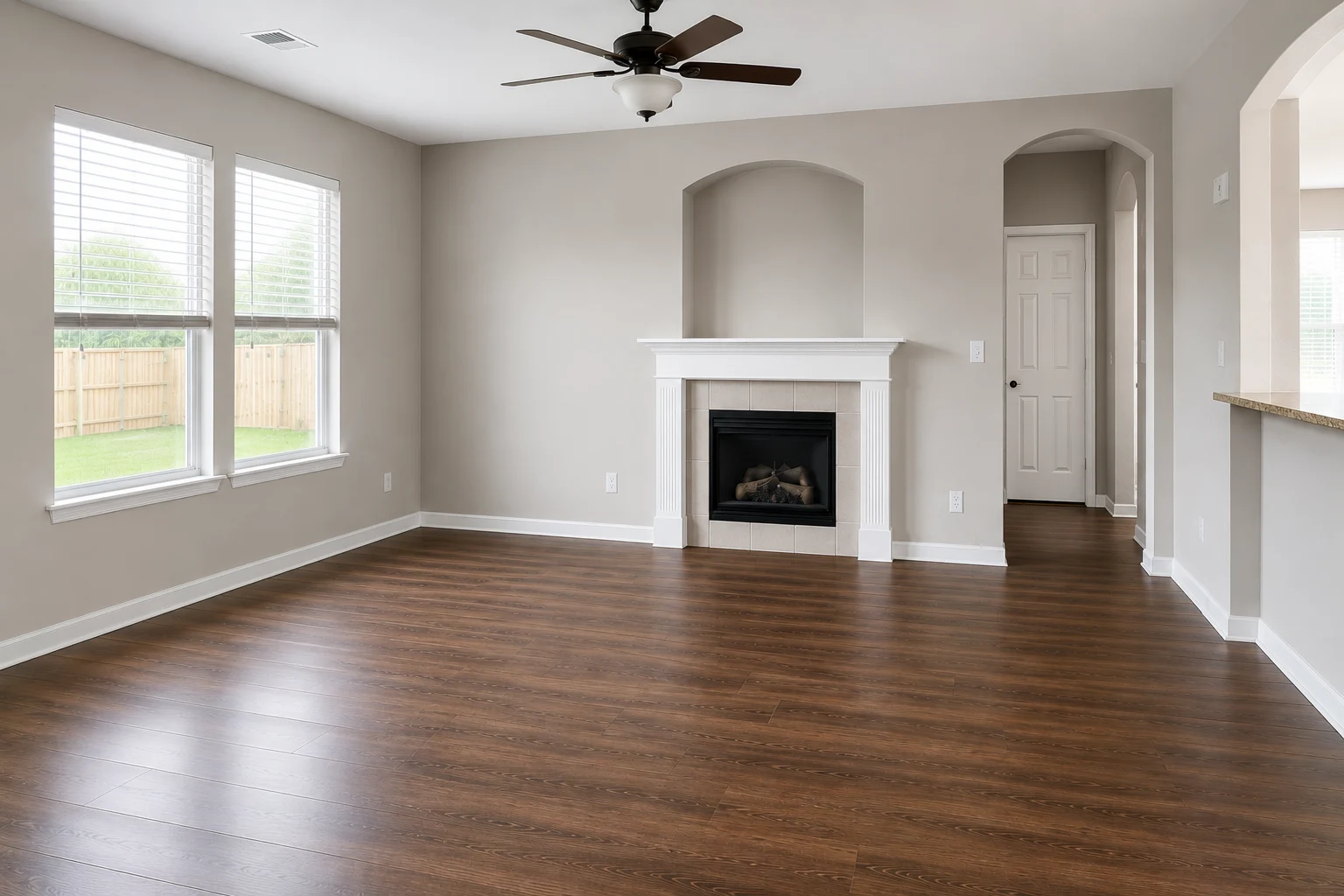 ConceptPaintingSoft Neutral Interior Concept
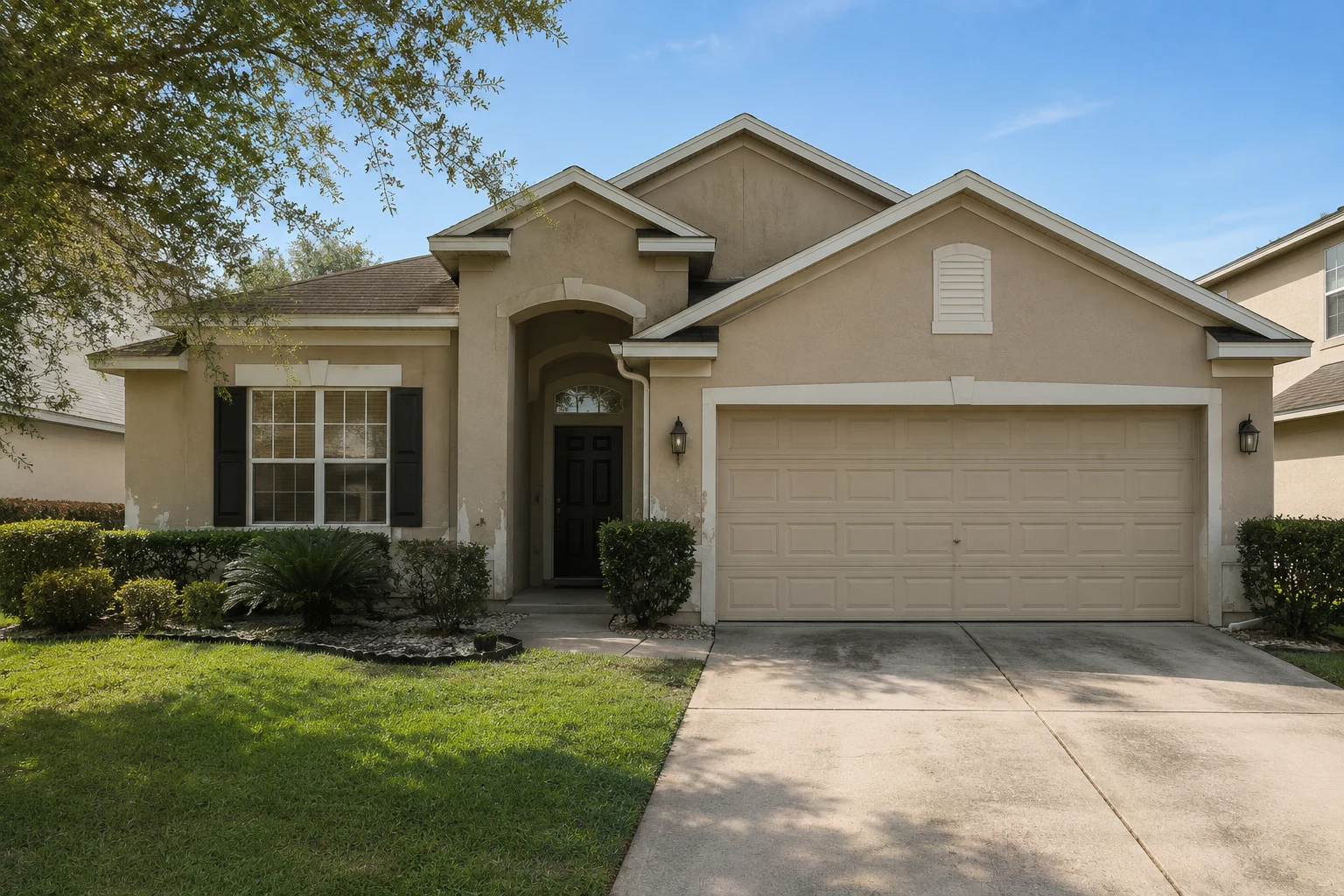
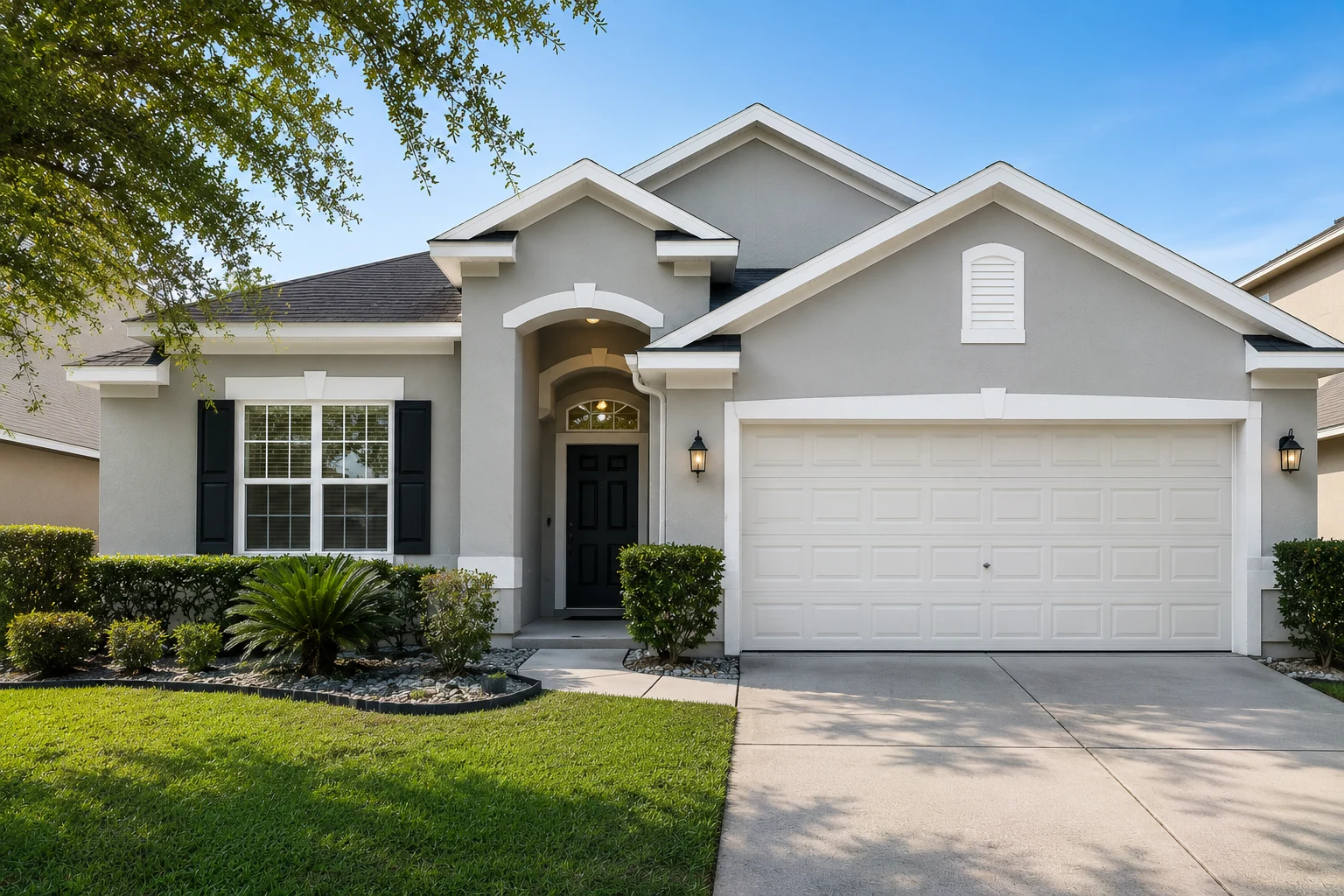
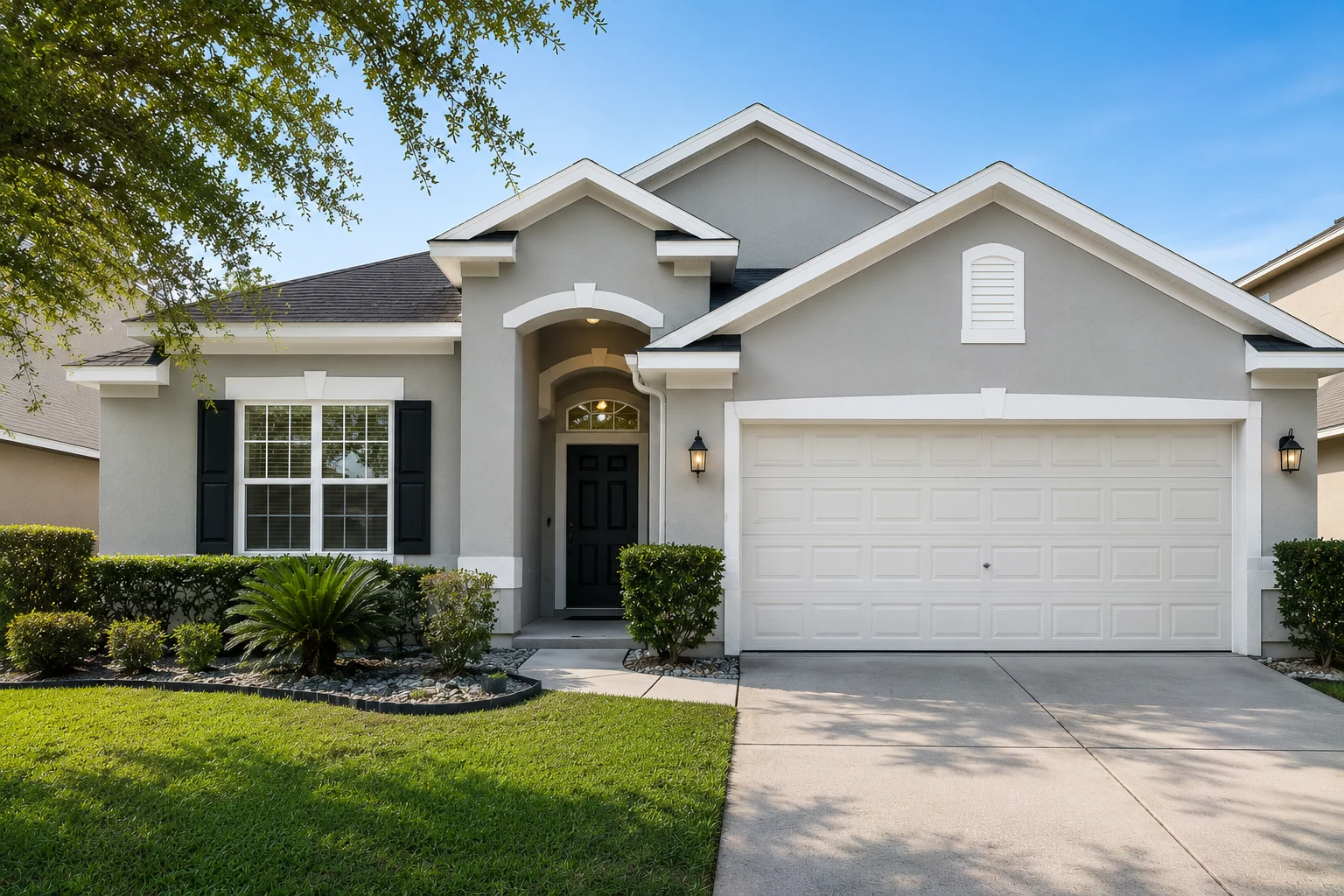
 ConceptPaintingRefreshed Stucco Exterior Concept
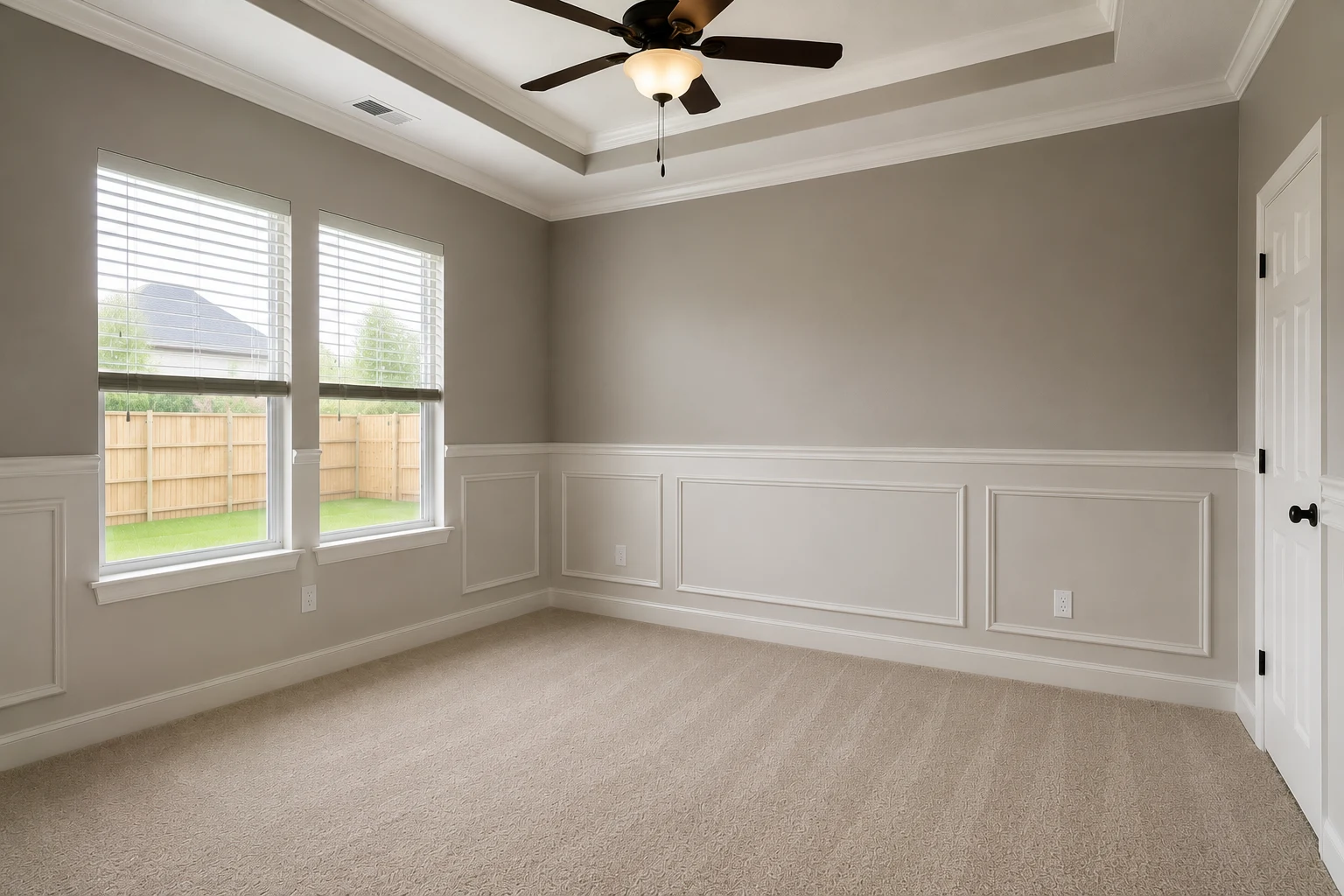
 ConceptPaintingCoordinated Whole-Home Palette Concept
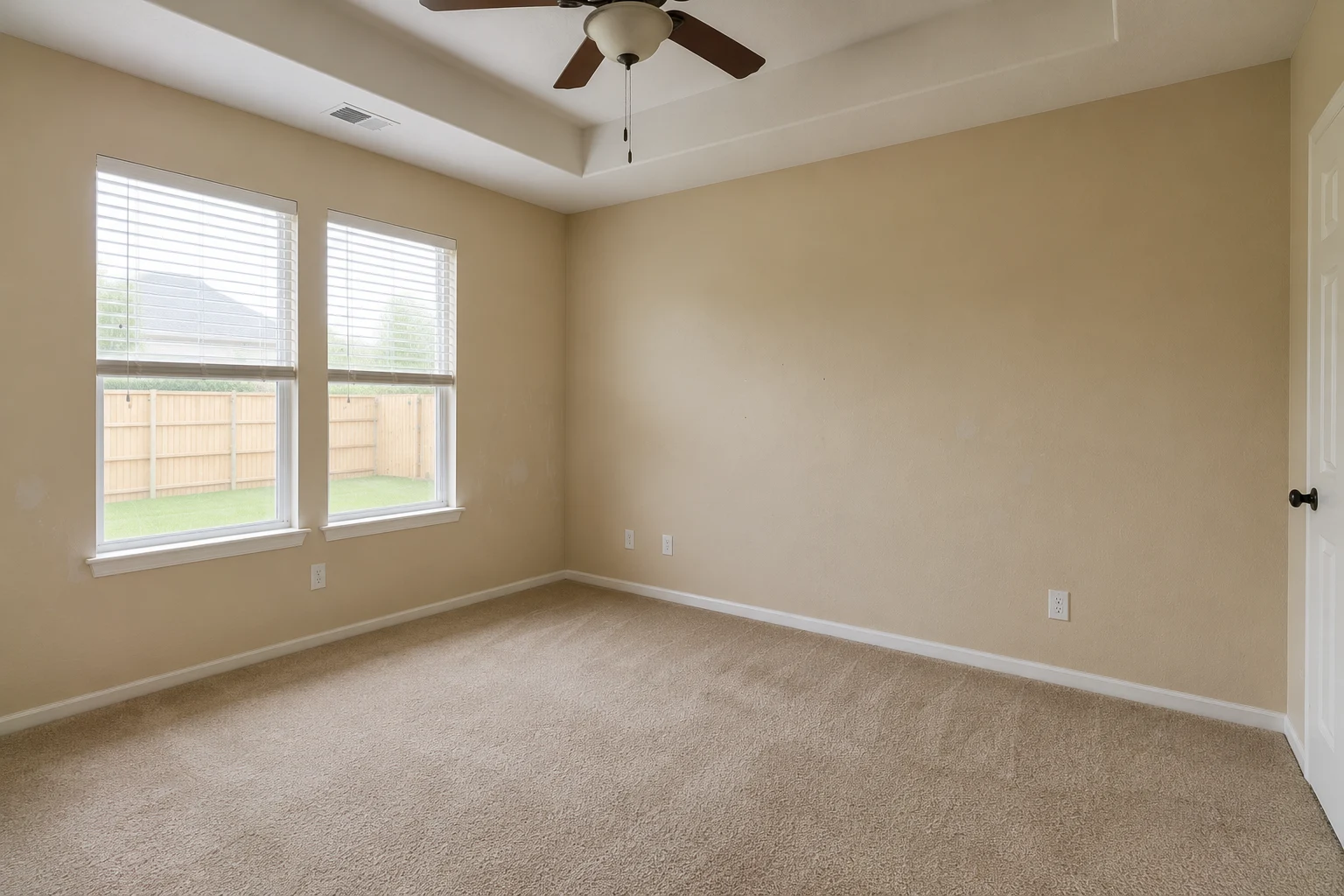
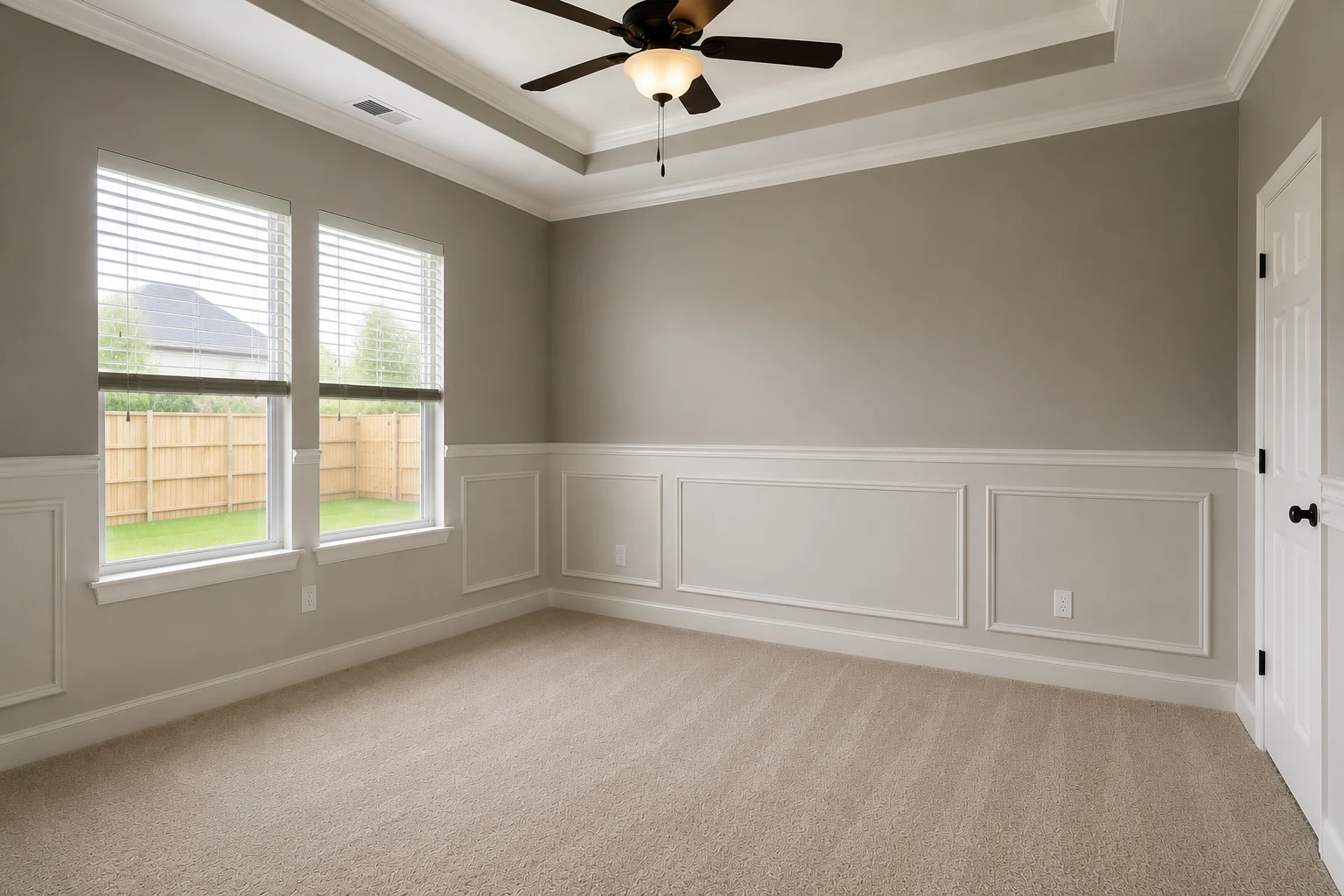
These images are conceptual visualizations meant to illustrate the style and quality SAVAM House can deliver — not photographs of projects completed by our team.
Questions
Exposure decides this far more than any number we could give you. The wall taking afternoon sun and driving rain will tell you first — the color goes flat, a chalky residue comes off on your hand, hairline cracks start showing in the stucco. Shaded elevations can look fine for years longer. If one side is going and the rest isn’t, that’s completely normal, and it’s usually still worth doing the whole house at once so the color matches.
It changes the pace more than the method. Humid air slows how quickly a coat releases its moisture, so the wait between coats runs longer than the can suggests — and pushing through that is what leaves walls tacky, streaky, or soft enough to mark. We’d rather move air through the room and take the extra hours than hand back a finish that never properly hardened.
They should be, and it’s often the difference between a repaint that lasts and one that doesn’t. Paint will span a hairline crack for a season and then split right back along the same line. If you’ve watched the same crack reappear after a previous paint job, it was almost certainly coated rather than repaired. We open them, fill them, and match the texture before any primer goes near the wall.
A good number of communities around here do have a say, and it varies — some hold a fixed palette, others simply want the color submitted for review. Ask early, because that approval is often the slowest part of an exterior project, not the painting. Once you know what’s allowed, we’re glad to work inside it and help you find something you genuinely like within those limits.
Outside, in this climate, yes — for a fairly practical reason. Better products carry more solids and more UV-stable pigment, and that’s what buys the extra years before the color flattens out. Inside, the case is different: you’re paying for a finish that survives being wiped down again and again, which matters enormously in a hallway or a kids’ bathroom and hardly at all in a formal dining room.
We keep it simple. You tell us the direction you’re after, we narrow it to a few realistic options, and then we get samples onto the actual wall — not a chip, not a screen. Look at them in the morning, at midday, and once the lamps are on. Most of the time the decision makes itself, and it costs almost nothing compared with finishing a whole room in a color that turns out to read green.
If the boxes and doors are solid, it’s one of the best-value changes available in a kitchen. The outcome lives entirely in the preparation: years of cooking leave a film that has to come off, the surface has to be scuffed, and the bonding primer has to suit the finish already there. Skip any of it and you’ll see chips around the handles inside a year. Done properly, it wears much closer to a factory finish.
It can be, and it’s worth pricing alongside the walls. Trim carries a harder, shinier finish than wall paint, and freshly painted walls have a way of making tired baseboards and doors announce themselves. We break out walls, ceilings, and trim separately so you can see what each adds and decide from there.
Yes — most interior work we do happens in occupied homes. We work in zones so there are always rooms that stay yours, keep the active area separated and ventilated, and put things back at the end of the day instead of leaving the house opened up. Tell us early about pets, nap schedules, or a home office and we’ll sequence around them. That conversation is what makes the difference.
Most single-family exteriors run several days, and preparation usually accounts for more of that than the painting does. Afternoon storms are simply part of the summer here, so the schedule is built expecting to lose some hours — starting early, and never leaving an elevation half-coated when the sky turns. We won’t put product on a damp wall to stay on schedule; that’s a decision you’d pay for two years later.
It’s one of the few improvements that registers before a buyer is out of the car. Inside, clean and neutral photographs well and makes rooms read as maintained. The less obvious half is protection — a sound finish is what’s keeping weather out of the stucco, trim, and woodwork, and inspectors tend to notice when that’s been let go.
Use the form on this page and give us a rough idea of the rooms or elevations involved and what’s bothering you about them. We’ll follow up to talk it through and take it from there — nothing to decide on the spot.
Send us the rooms or elevations you have in mind. We’ll walk the house, tell you honestly what it needs, and put together a plan and a schedule you can hold us to.