 Current Service
Painting
Refresh interior and exterior surfaces with professional, detail-oriented painting.
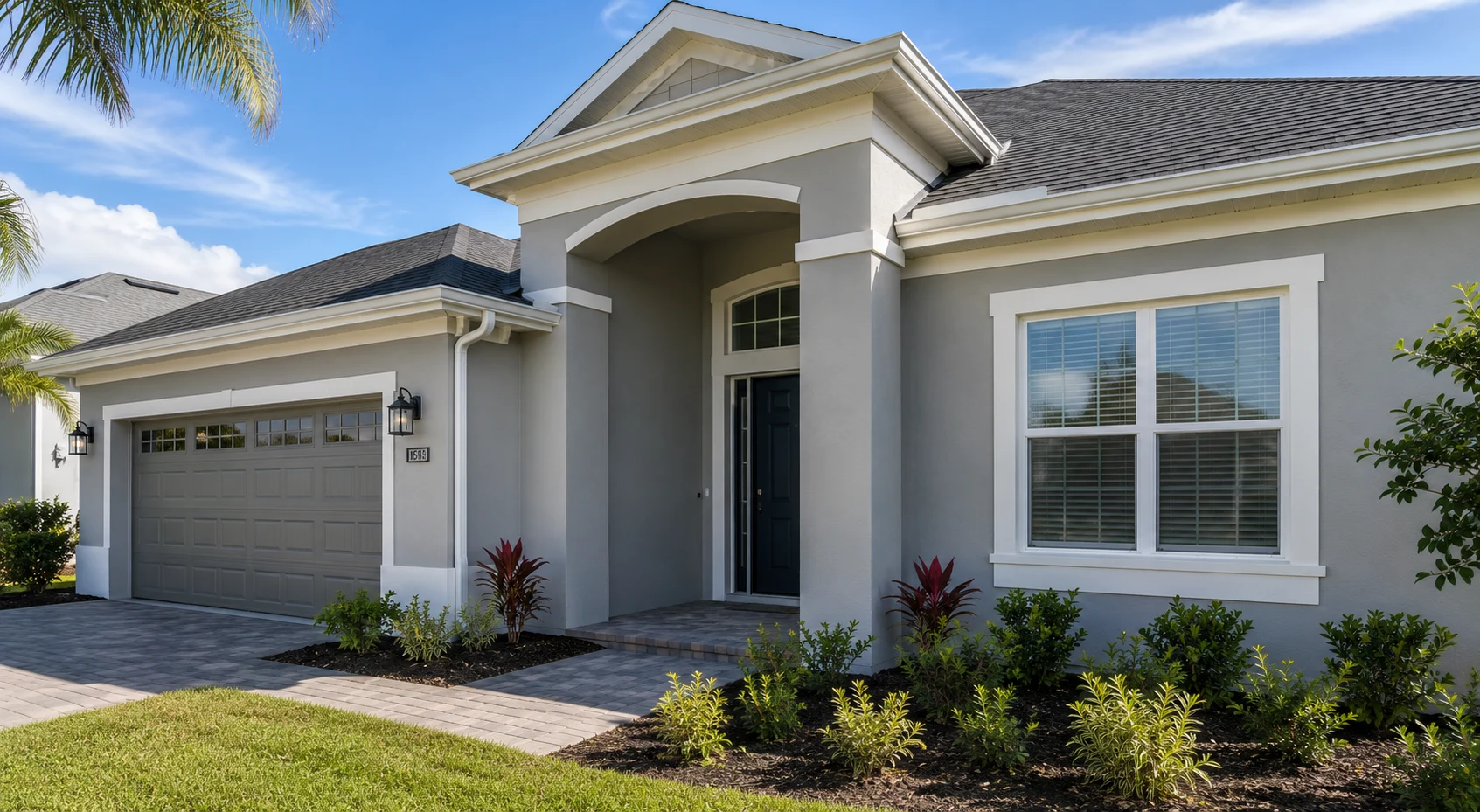
Residential Painting Serving Winter Park
Serving homeowners throughout Winter Park, where the houses are older, largely wood-built, and standing under a canopy that keeps them shaded and damp. Paint behaves differently on those surfaces — so the work starts with the siding, the trim, and the details that give these homes their character, not with the color.
Get Your Free EstimateFree In-Home Consultation
Organized Process
Every project follows a clear, structured process from first contact to final walkthrough.
Quality Craftsmanship
We pay attention to the details that make a remodel feel finished and durable.
Clear Communication
You'll always know what's happening with your project and what comes next.
Commitment to Your Home
We treat every property with the same care and respect as if it were our own.
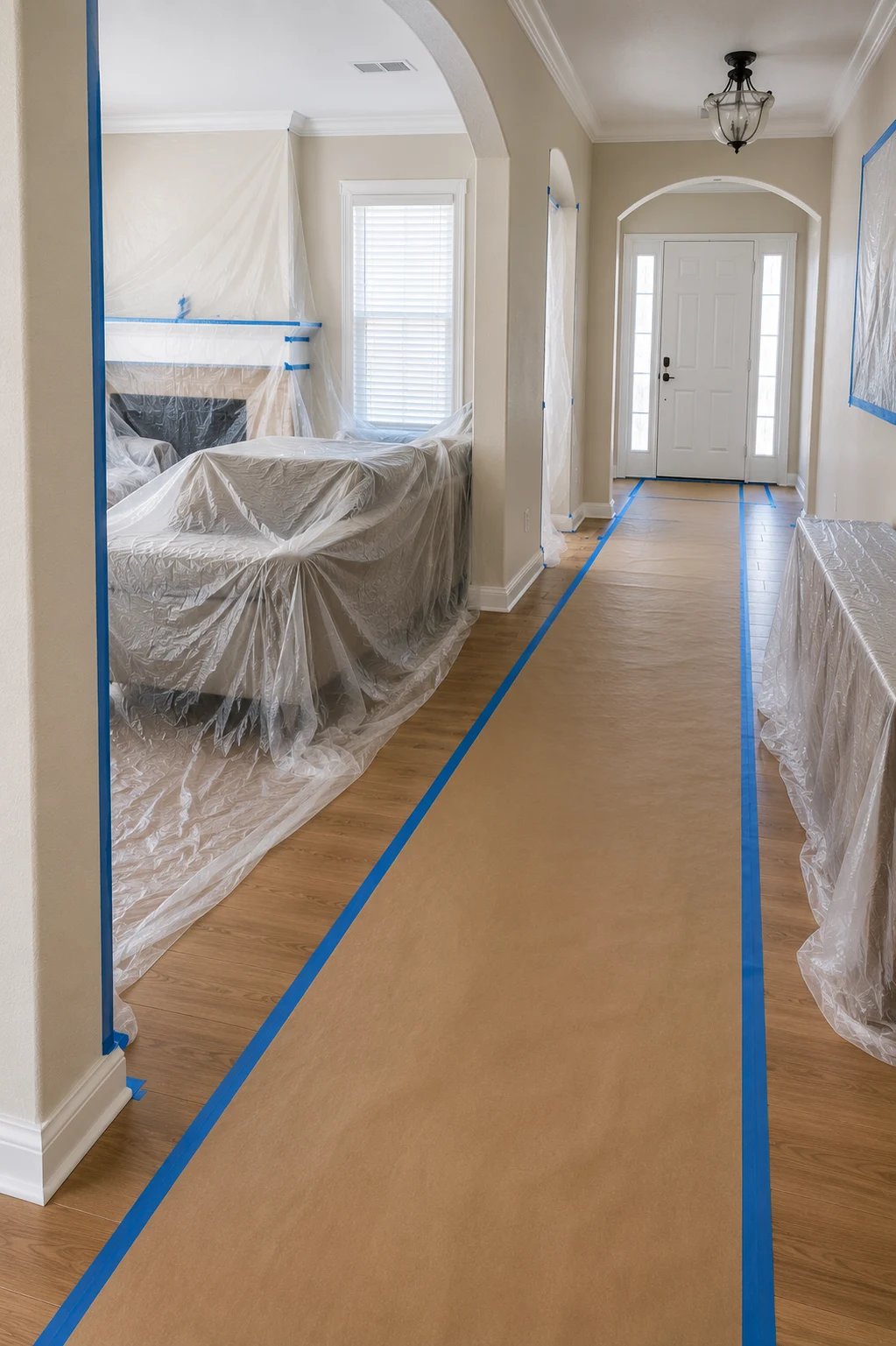 Setting Up Carefully
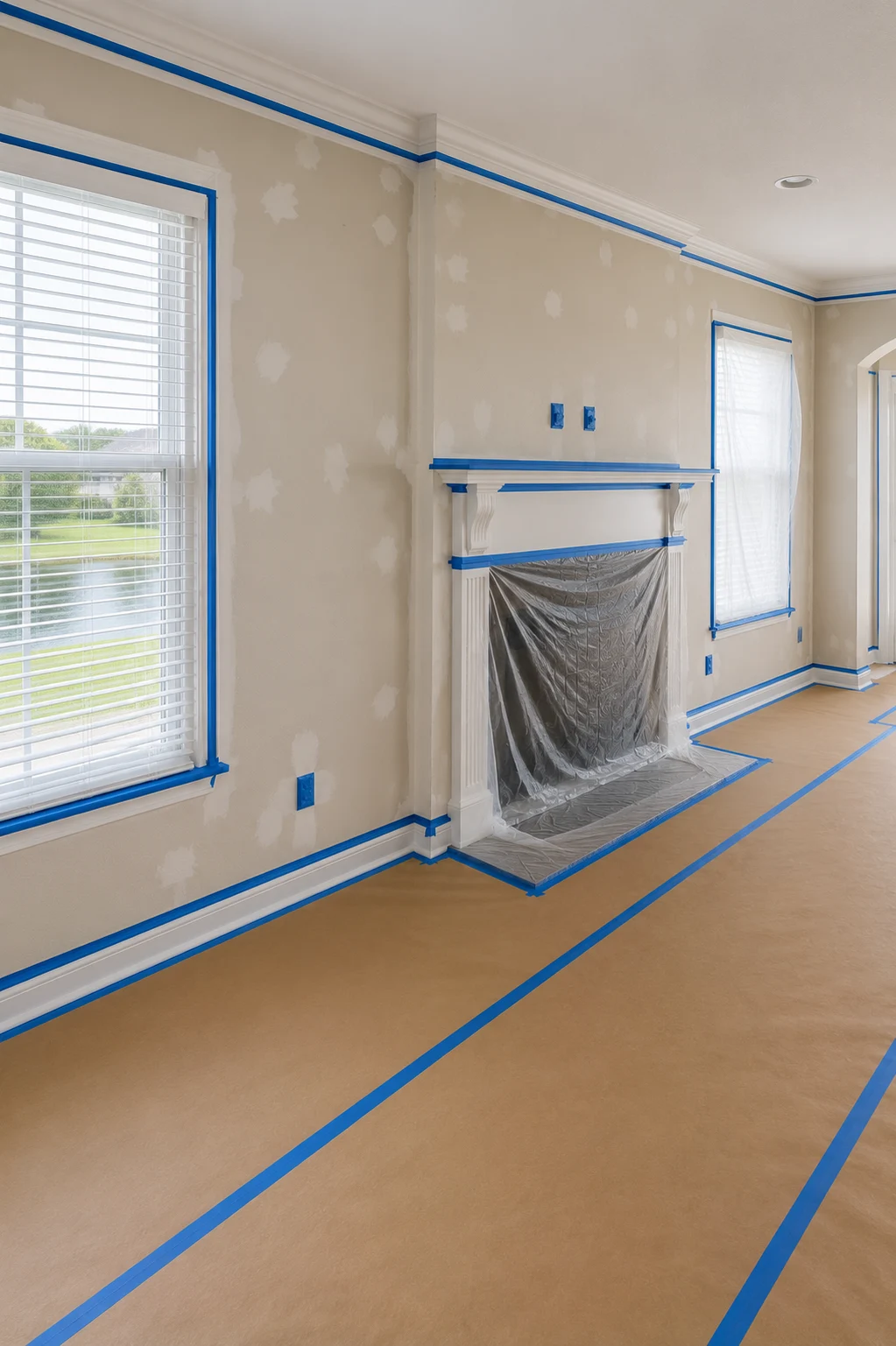 Scraping & Making Sound
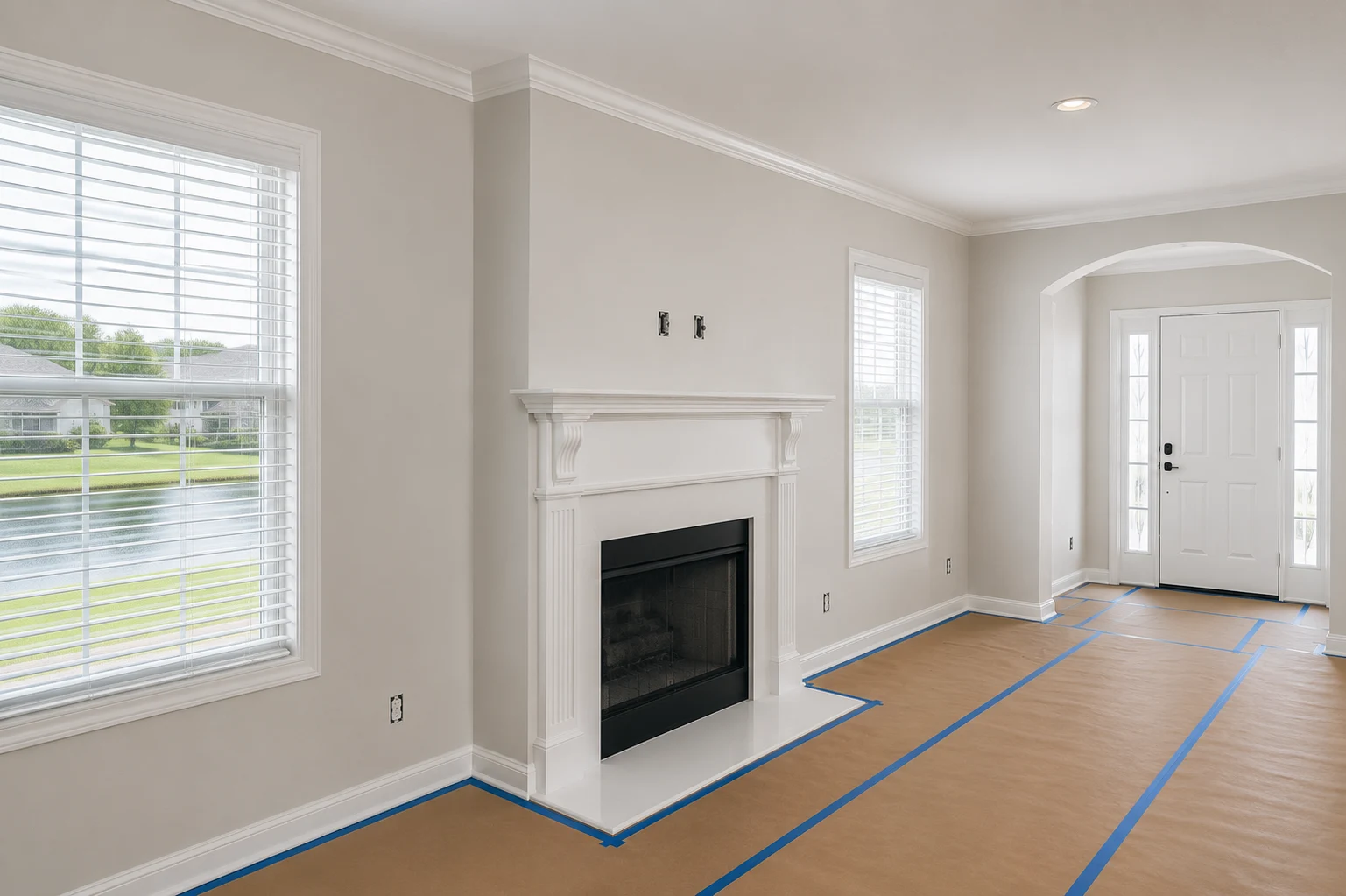 Priming & Finishing
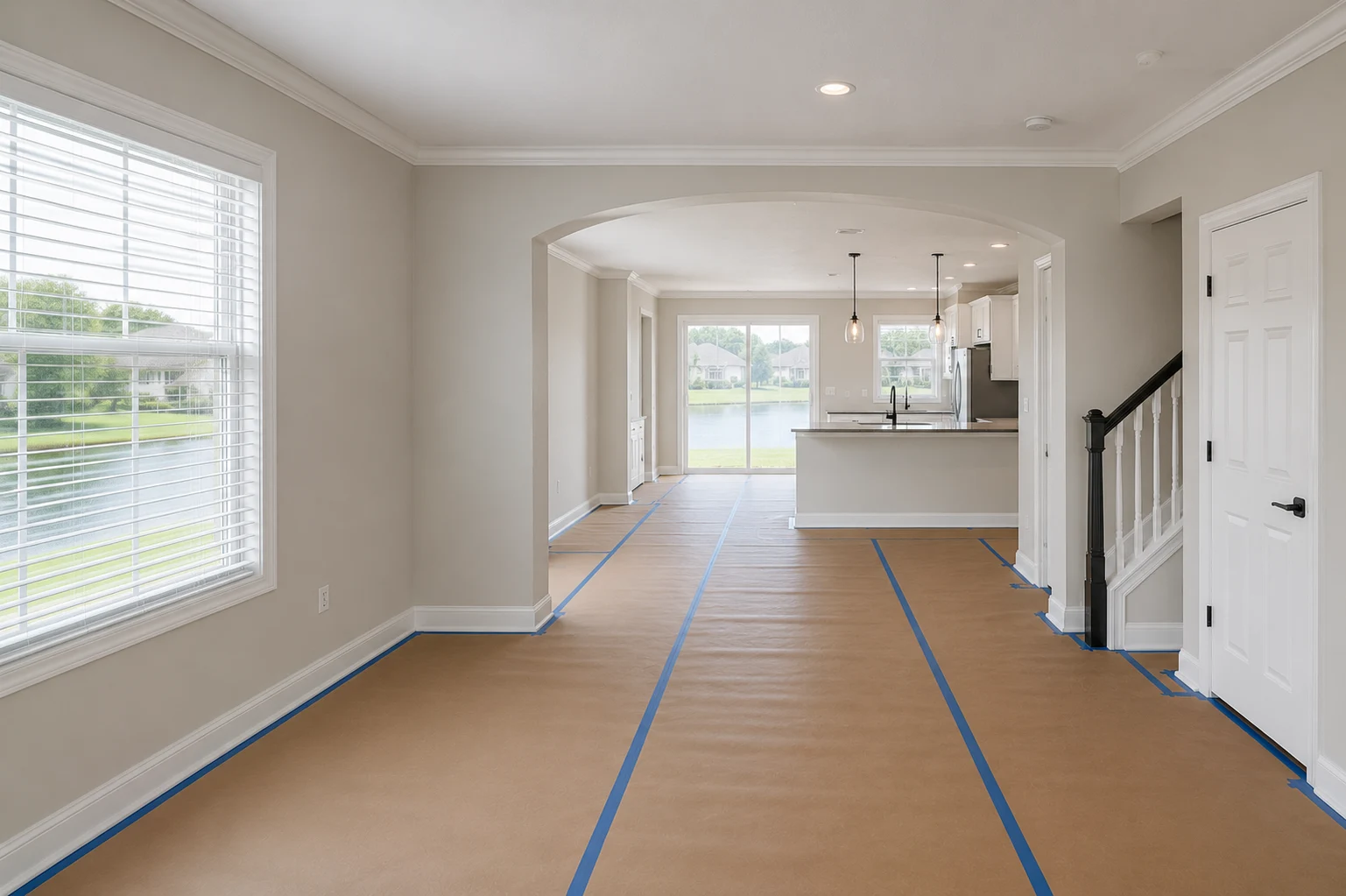 Clearing & Reviewing
Working With Us
We're not focused on being the biggest — we're focused on being organized, communicative, and easy to work with.
Your project starts with a clear plan, not guesswork.
You'll hear from a real person about the status of your project.
We treat the small details as seriously as the big decisions.
How It Works
We start by understanding your goals, your home, and the scope of your project.
We translate your vision into a clear, organized plan before any work begins.
You choose finishes and materials with guidance from our team.
Our team executes the project with attention to detail and clear communication.
We review the finished work together to make sure everything meets your expectations.
Real Results
On a house with genuine architecture, the goal is never to make it look new. It is to make it look cared for — profiles reading crisply again, surfaces sound, and a palette that belongs to the house rather than to the year it was repainted.
The Benefits
On an older home, painting is maintenance first and appearance second — and the two only stay aligned if the first one is taken seriously.
What Else to Consider
With the house protected and every surface reachable, several related jobs are far simpler now than as separate visits later.
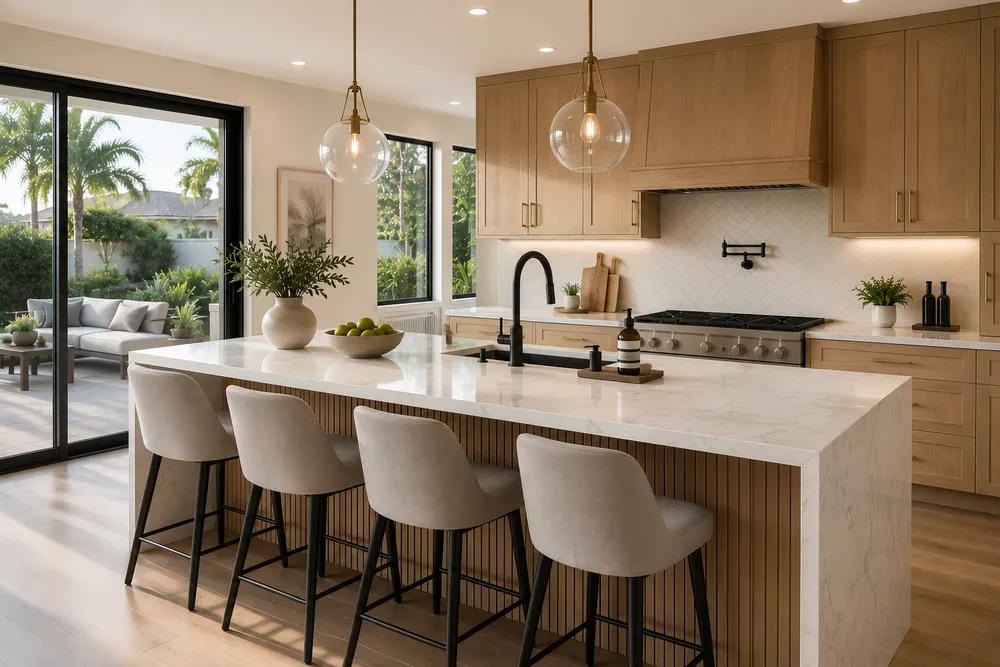
Transform the heart of your home with a kitchen that blends functionality, craftsmanship, and modern design.
Learn More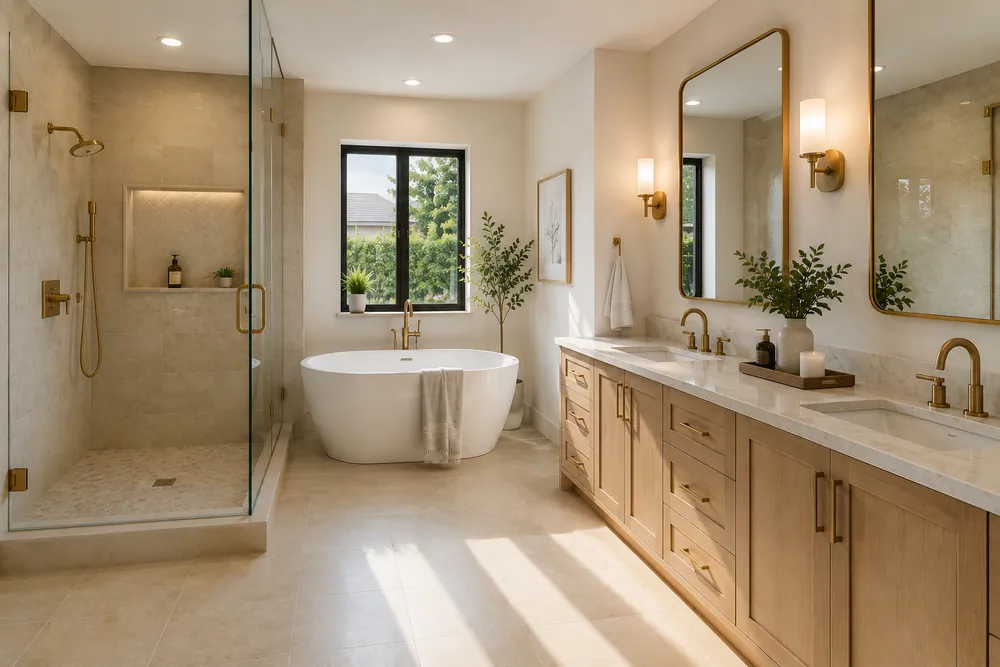
Modernize your bathroom with thoughtful layouts, quality finishes, and lasting comfort.
Learn More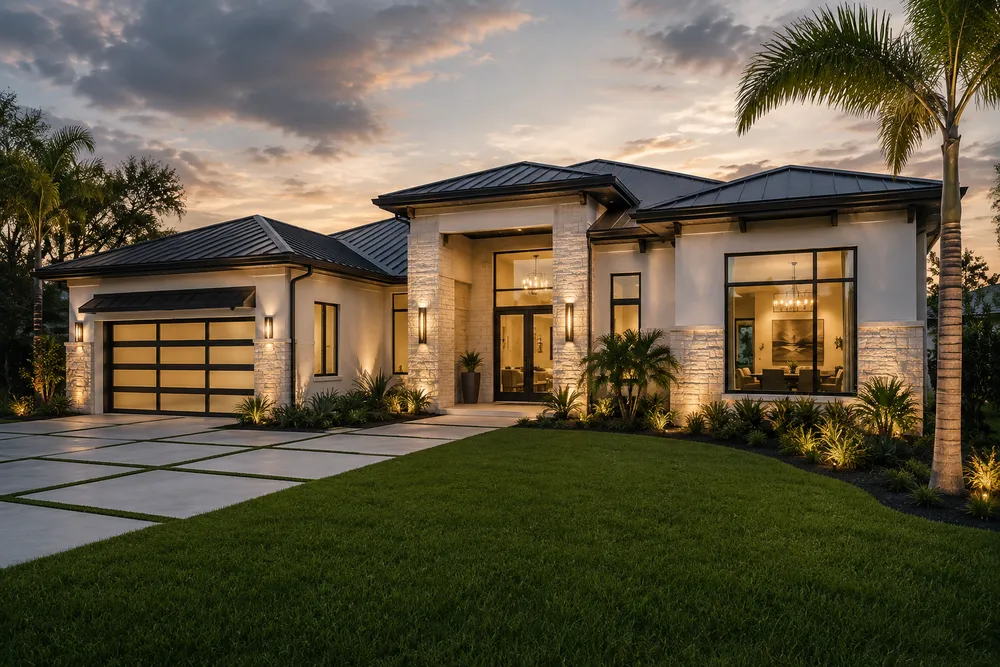
Coordinate a complete transformation of your home, from layout to finishing details.
Learn More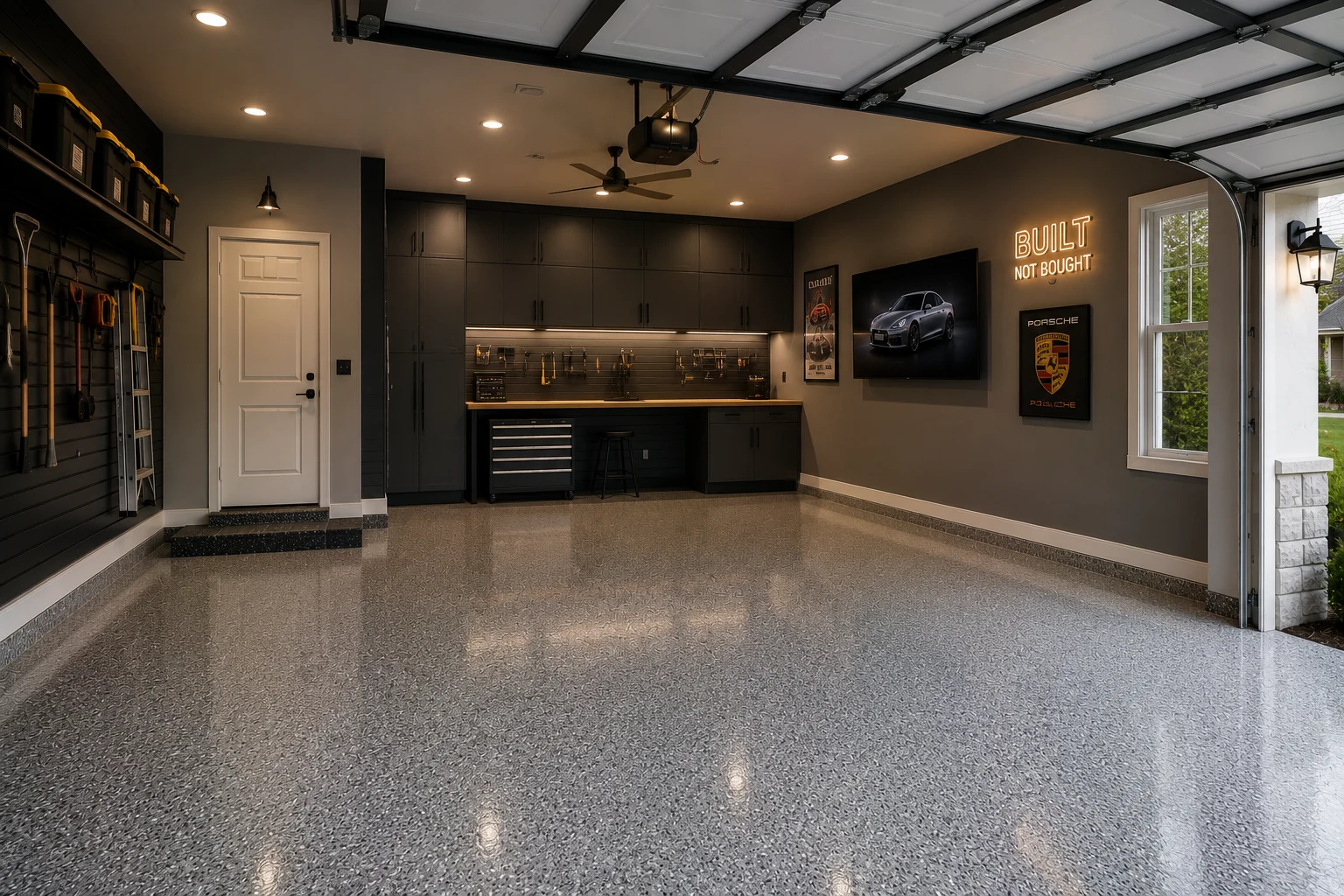
Turn your garage into an organized, durable, and functional extension of your home.
Learn More
Install and refresh flooring throughout your home with materials built to last.
Learn MoreCurrent ServiceRefresh interior and exterior surfaces with professional, detail-oriented painting.
Create outdoor spaces designed for everyday living and relaxed entertaining.
Learn More
Design and build a custom pool tailored to your home and lifestyle.
Learn More
Handle everyday repairs and improvements with the same attention to detail as larger projects.
Learn MoreGet Started
Tell us about your project and our team will reach out to discuss the next steps.
Get your free estimate in less than 2 minutes
Prefer to talk it through first? Call or email us directly.
Working With Us
The homes along these streets were built with wood doing most of the work: siding, casings, columns, brackets, shutters, porch rails, deep fascia. Wood moves with the seasons, drinks water at any cut end left unsealed, and will lift a coating off itself if the surface underneath was never made sound. None of that is a problem — it is simply a different set of rules from the stucco most Central Florida crews spend their week on.
So the estimate begins with a slow walk around the house. We look at where water sits, which boards have gone soft, whether the paint is holding or letting go, and how much of the original profile is still readable under decades of coats. Then we tell you what we found and what we would do about it, in order of what actually matters. Here is how a project comes together from there.
Planning Ahead
Four things that shape the work here — and are far easier to settle at the walkthrough than once the ladders are up.
Masonry is stable; wood is not. It swells in the wet season and shrinks in the dry one, and a coating has to move with it rather than sit on it like a shell. That is why bare spots need spot-priming rather than a straight topcoat, why cut ends and the undersides of trim get sealed even though nobody will ever see them, and why a paint that performs beautifully on a block wall can fail early on siding. Most premature failures we are called to look at here trace back to wood treated as though it were masonry.
The soft spots are predictable: the bottom of a column, the end of a fascia run, a windowsill, a joint where two boards meet and water has been finding its way in. Paint over any of that and you have sealed moisture inside a board that is already going. Some of it consolidates and fills; some of it genuinely needs replacing. We would rather show you the difference during the walkthrough and price it honestly than discover it halfway up a ladder.
Every repaint adds thickness, and after enough of them a crisp molding profile softens into something rounded and vague — the detail is still there, just buried. How far back to take that is a real decision, not a technical default: sanding to level and rebuilding carefully restores much of the definition, while stripping further is slower work that suits some elements and not others. It is worth agreeing where you want to land before anyone starts.
The mature trees that make these streets what they are also keep whole elevations in shade all day. That spares the paint a great deal of UV, but it means surfaces stay damp for hours after rain or dew, and organic growth takes hold on the north and shaded sides. Those elevations need to be cleaned rather than rinsed, treated where growth has established itself, and given genuinely dry conditions before anything is applied — which sometimes means they are painted on a different day from the rest of the house.
Why SAVAM House
Every project follows a clear, structured process from first contact to final walkthrough.
We pay attention to the details that make a remodel feel finished and durable.
You'll always know what's happening with your project and what comes next.
We treat every property with the same care and respect as if it were our own.
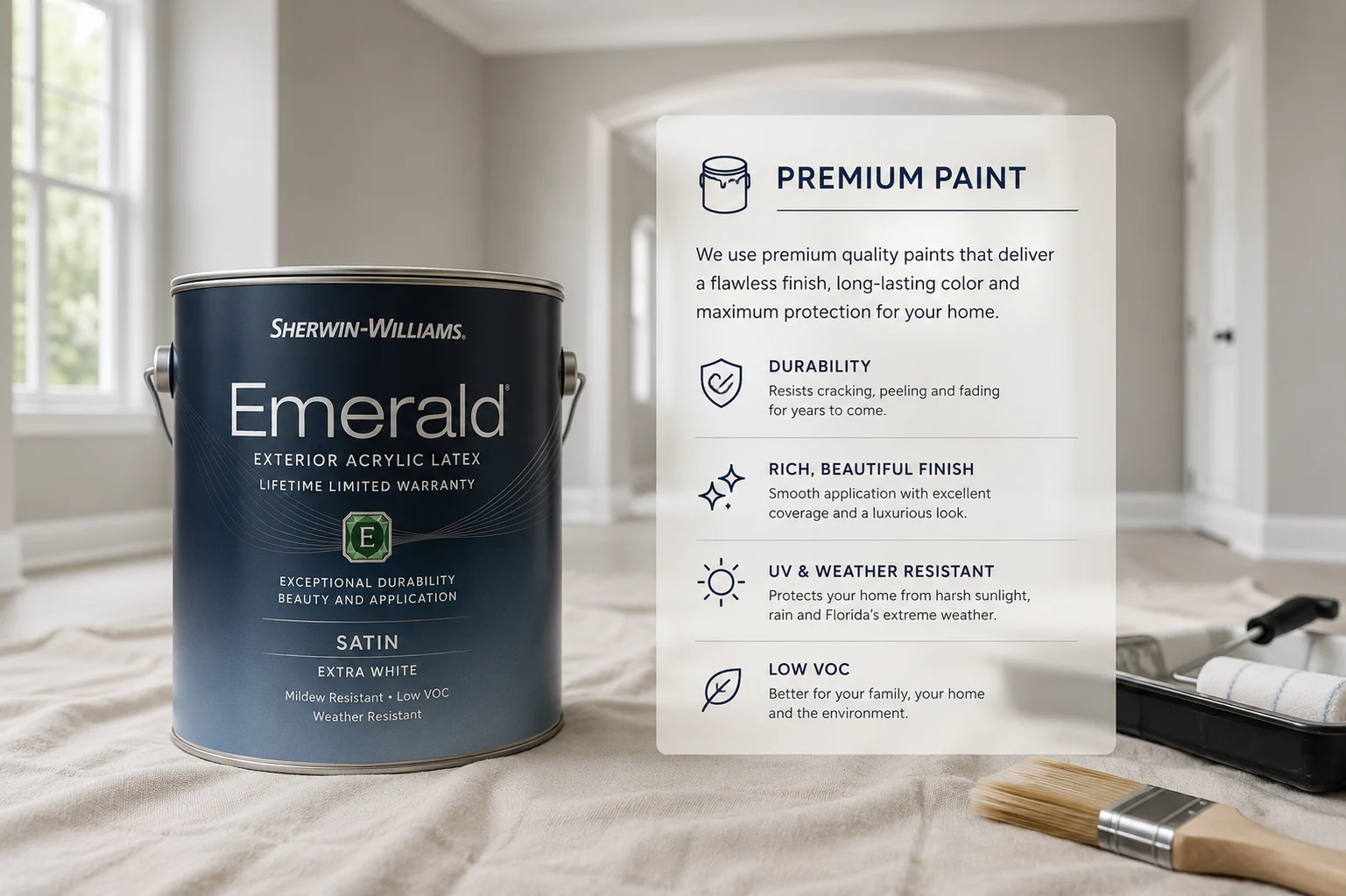 Premium Exterior SystemsProducts chosen for flexibility and adhesion on wood, where a coating has to move with the board instead of cracking off it.
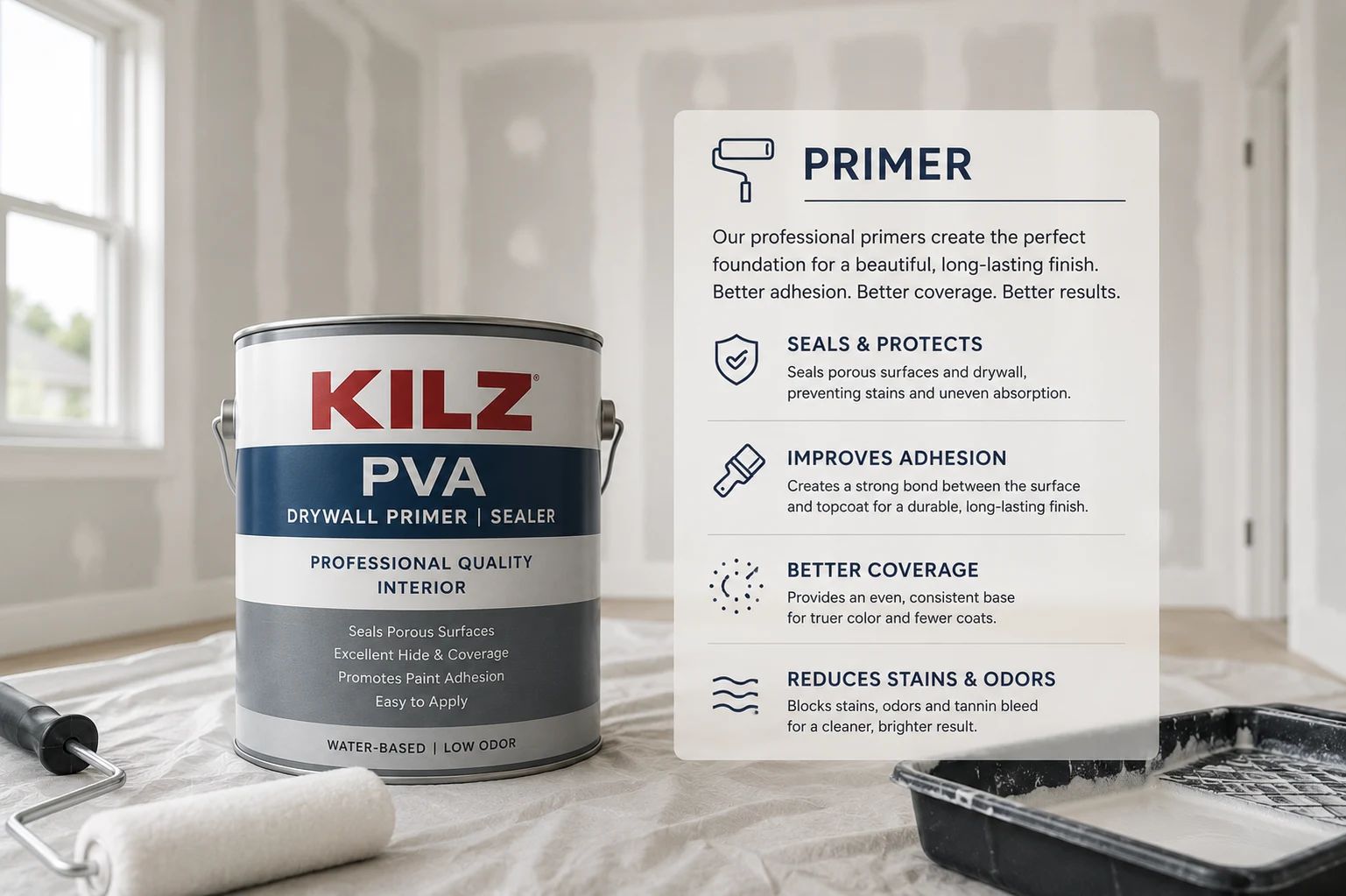 Sealing and Bonding PrimersSpecified for bare wood, aged coatings, and repaired areas — the layer that decides whether the finish stays put through a wet season.
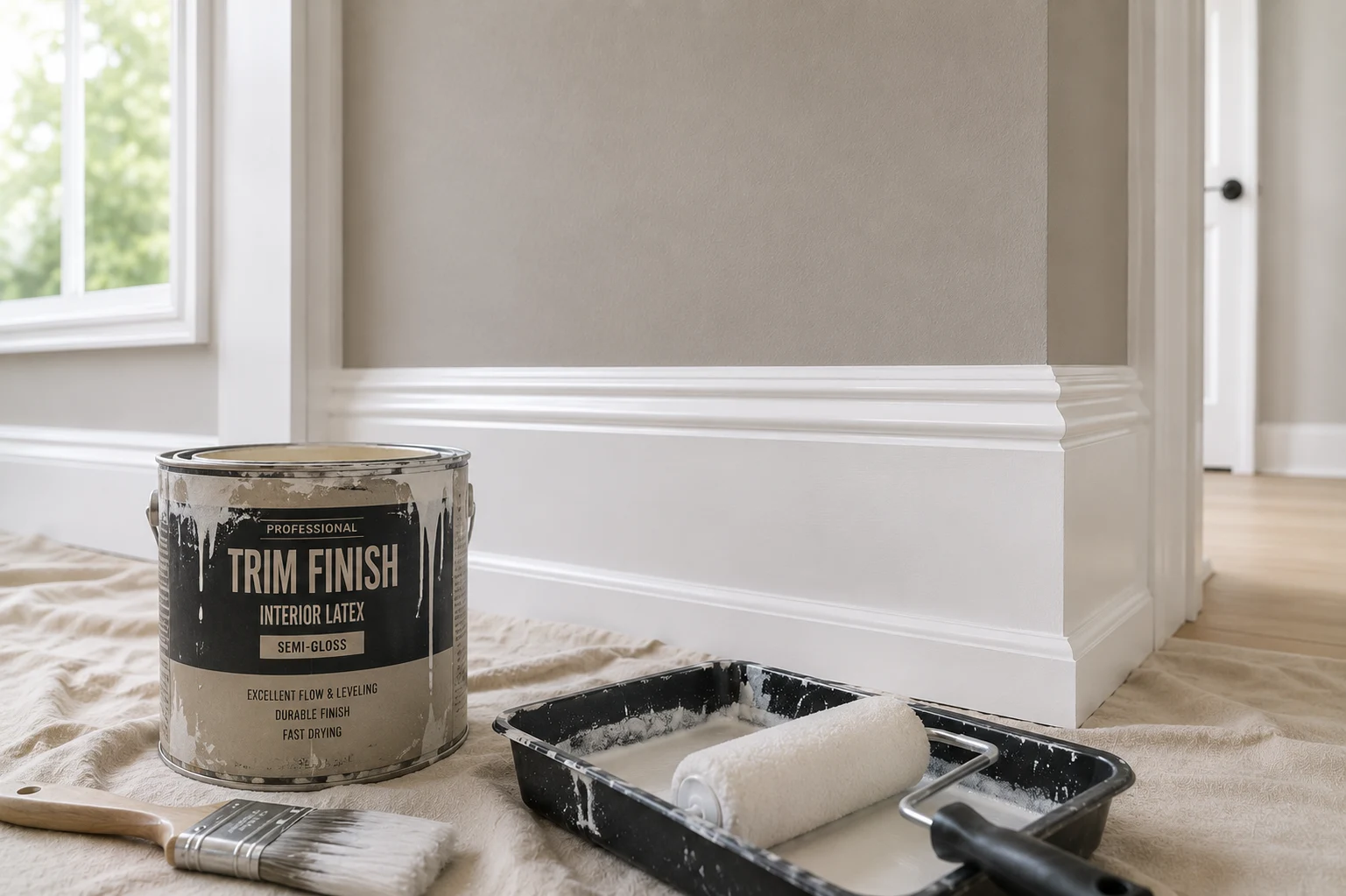 Trim, Door & Cabinetry FinishesHarder, finer finishes for the millwork that defines these homes, built up in thin coats so the profile stays readable.
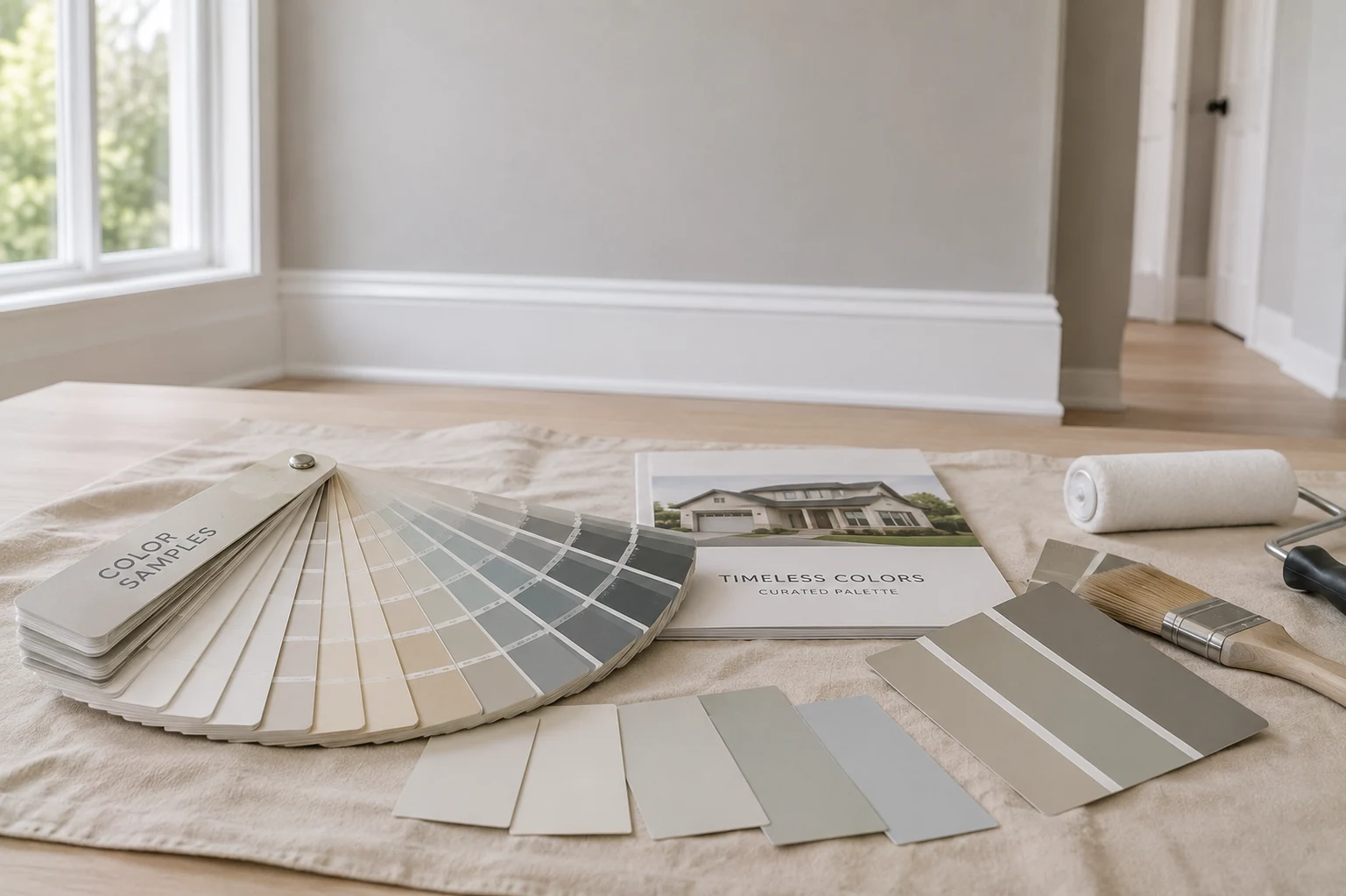 Color ConsultationSchemes developed for the house rather than the season, with body, trim, sash, and door each given their proper role.
Get Inspired
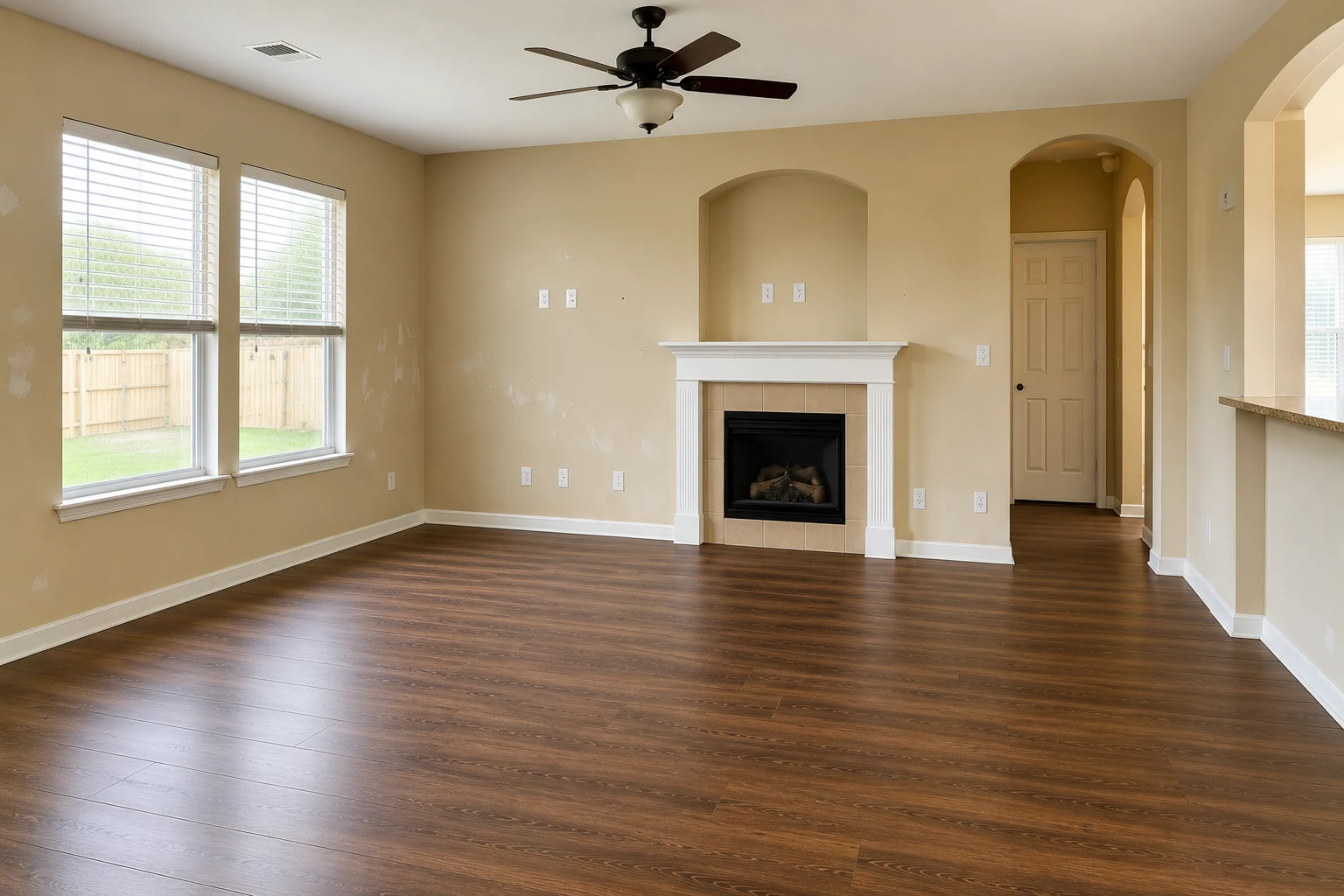
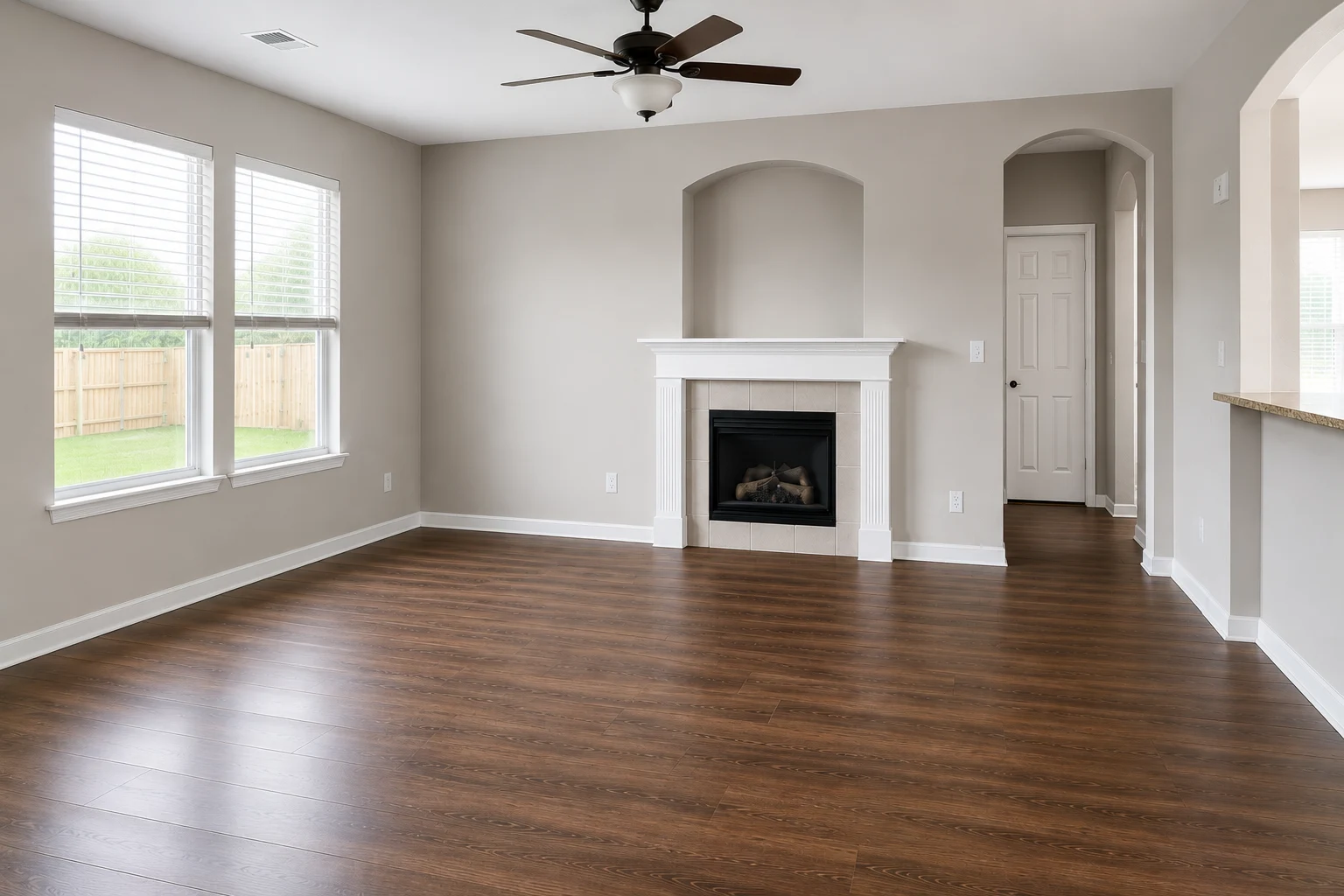
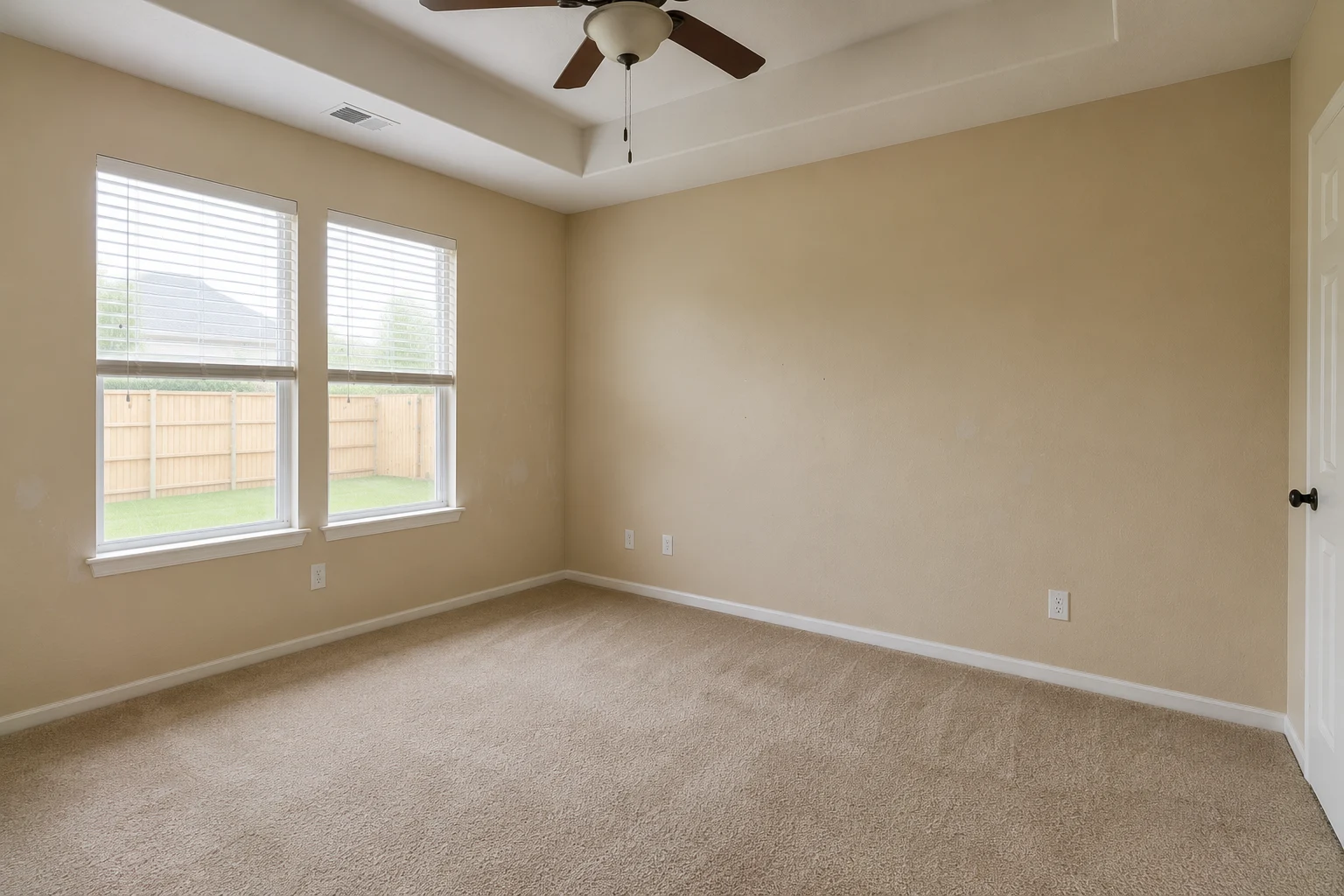
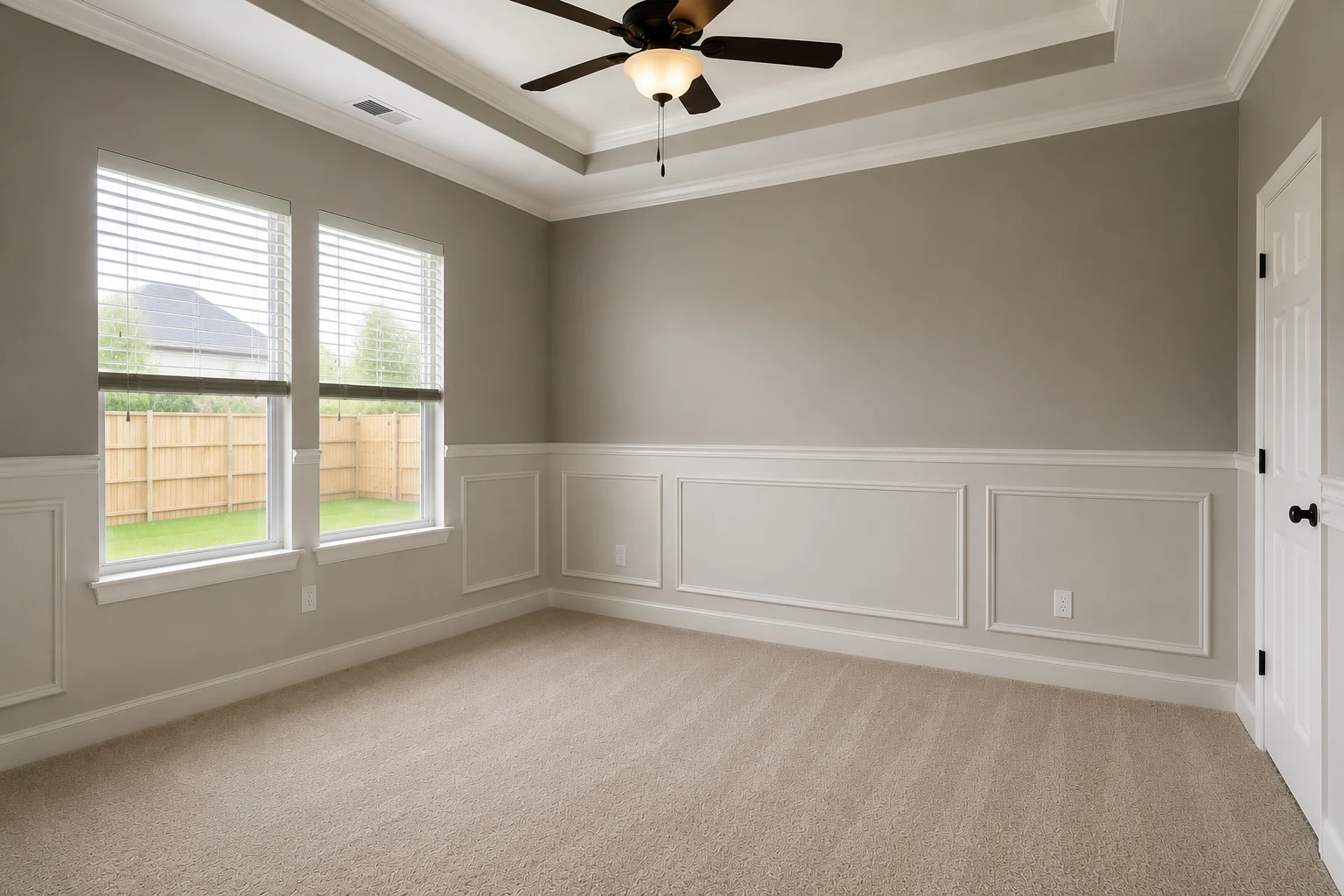
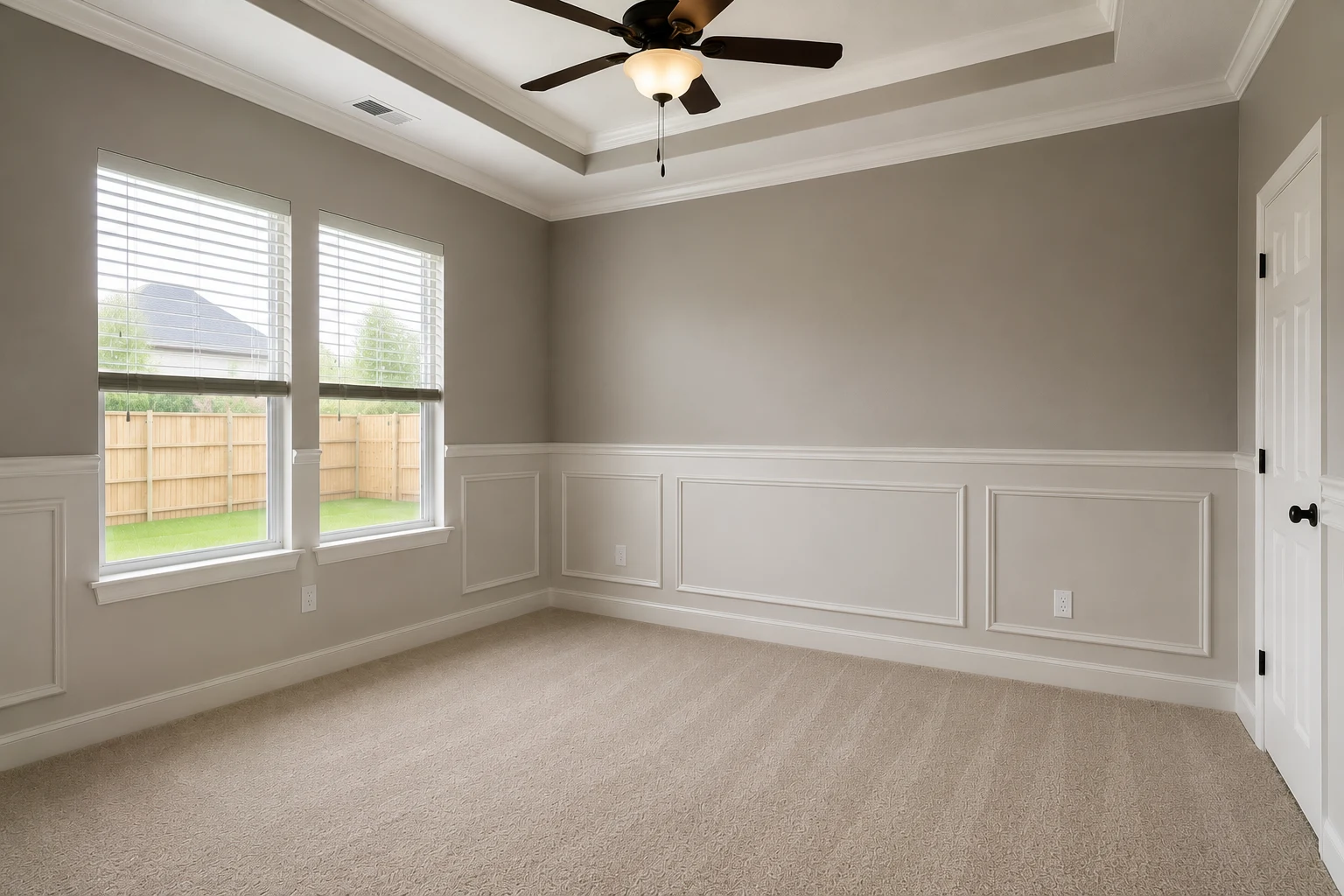
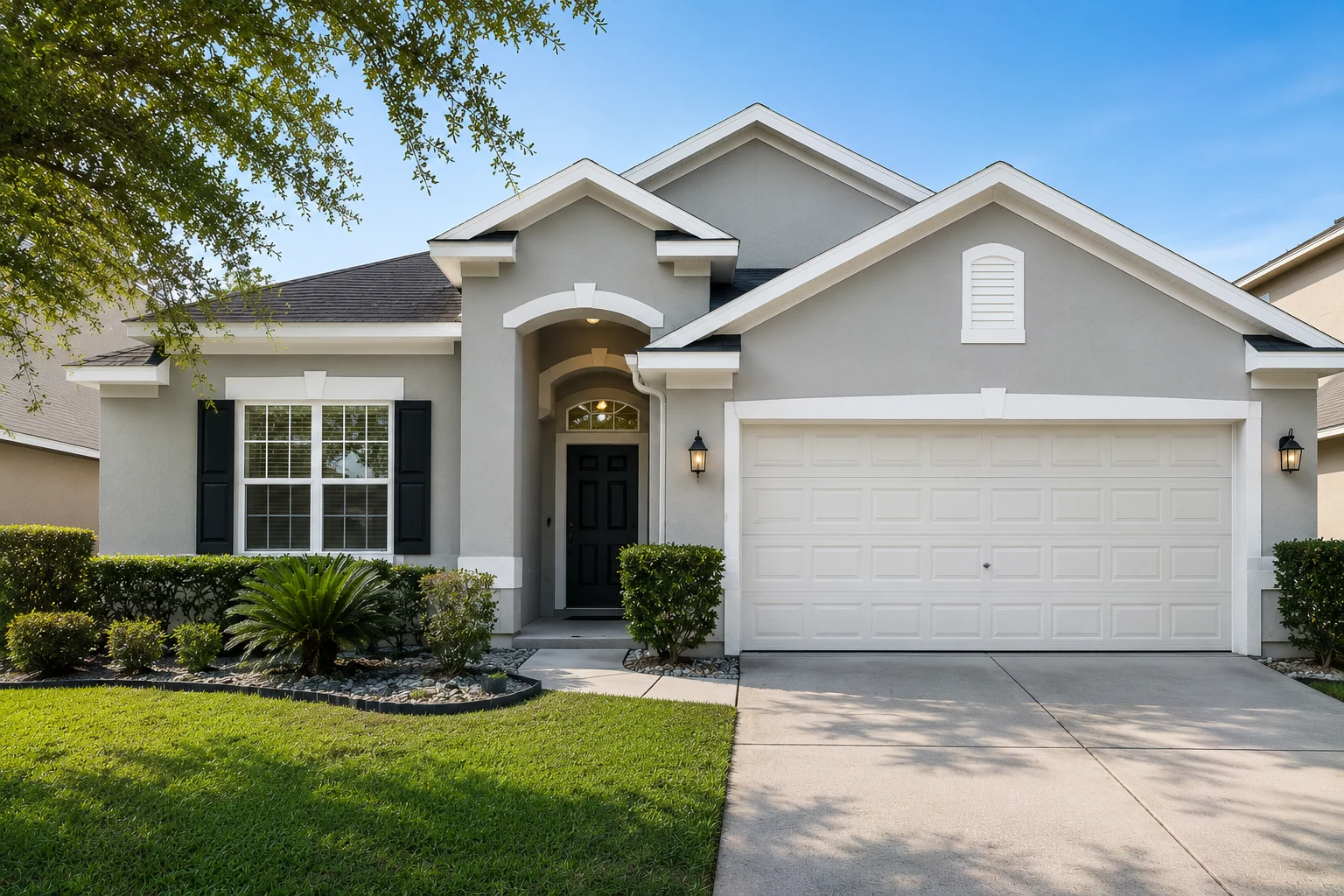
Three ways an older home tends to be approached — refreshing the interior, restoring the exterior, or resolving both under one palette.
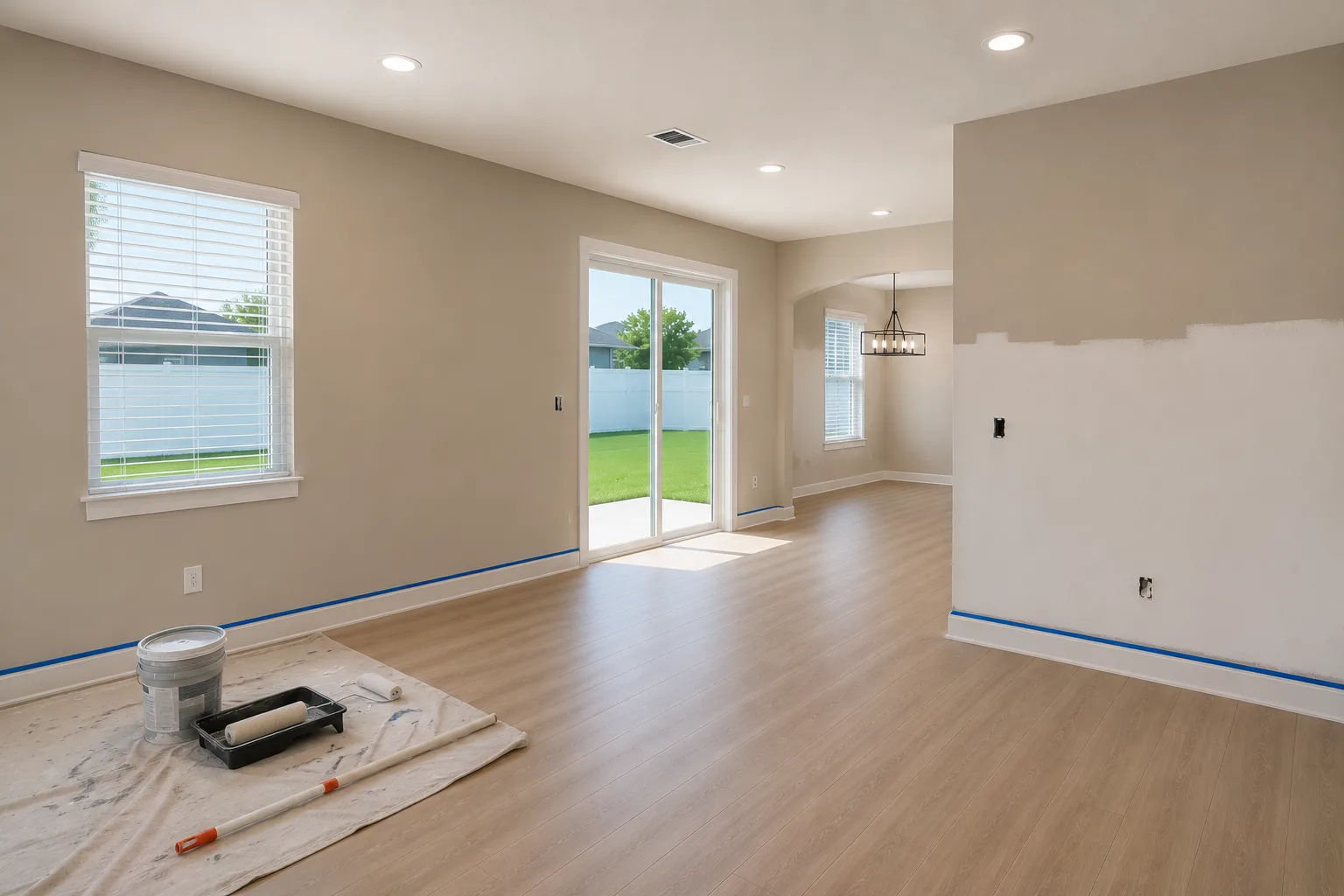
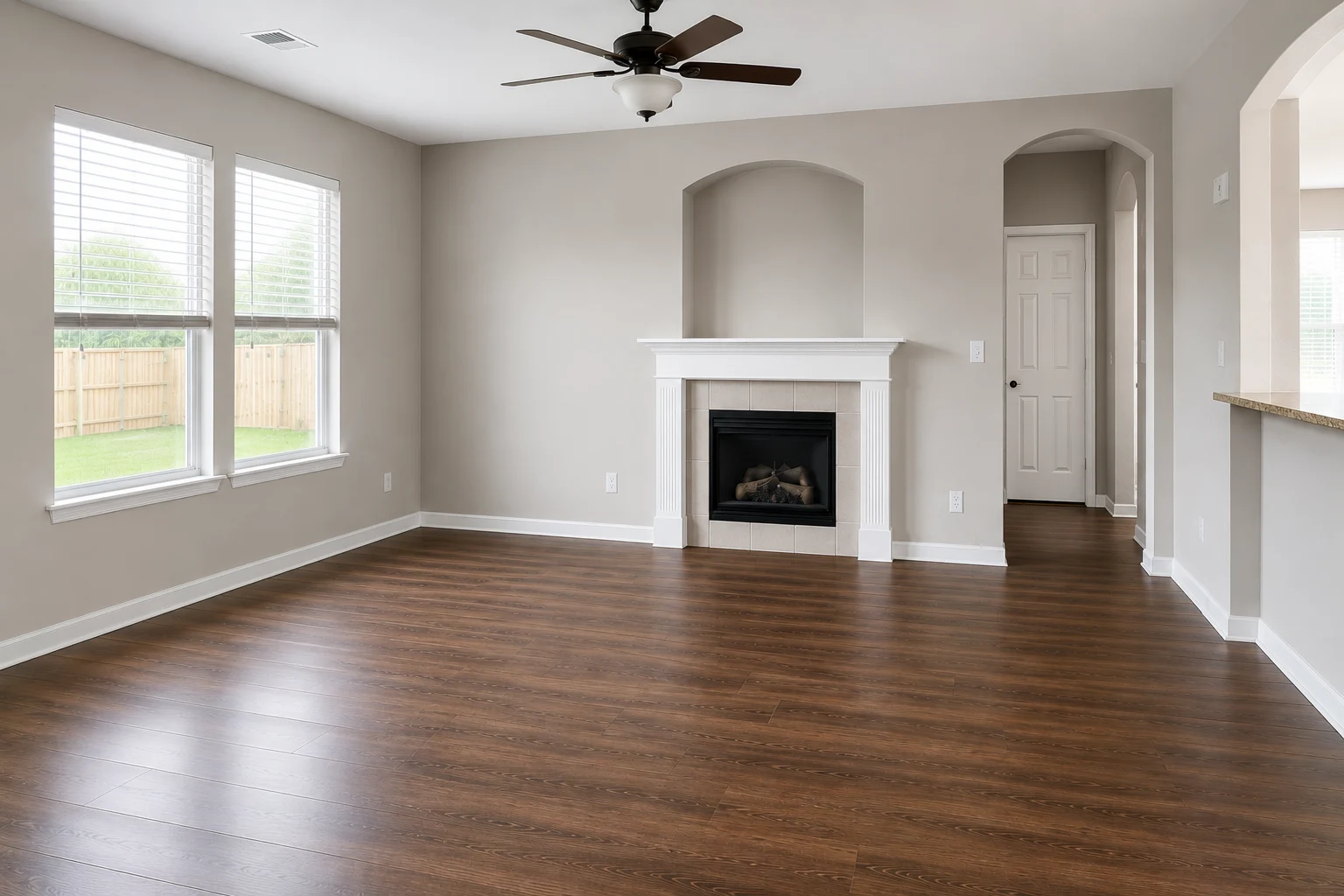 ConceptPaintingSoft Neutral Interior Concept
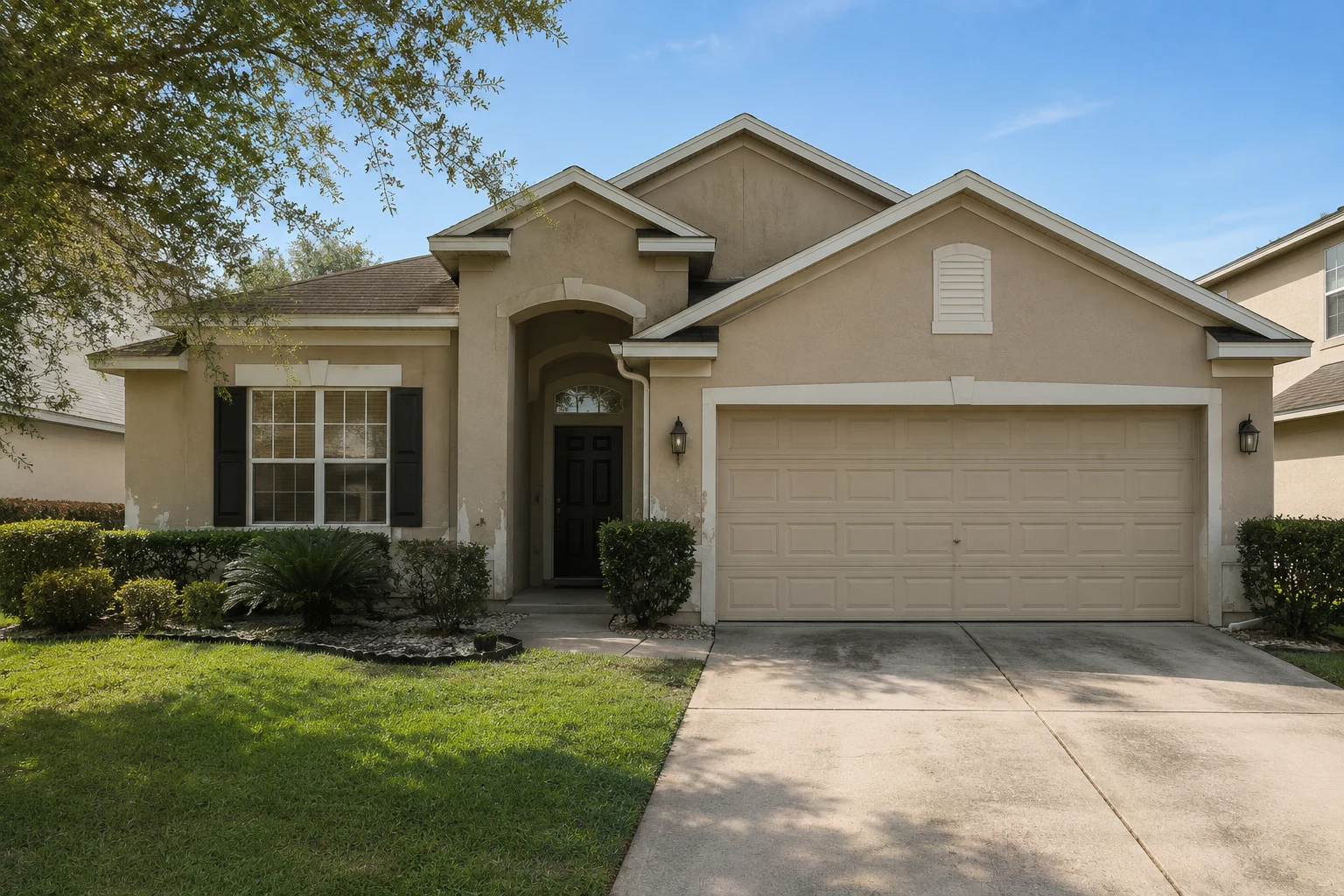
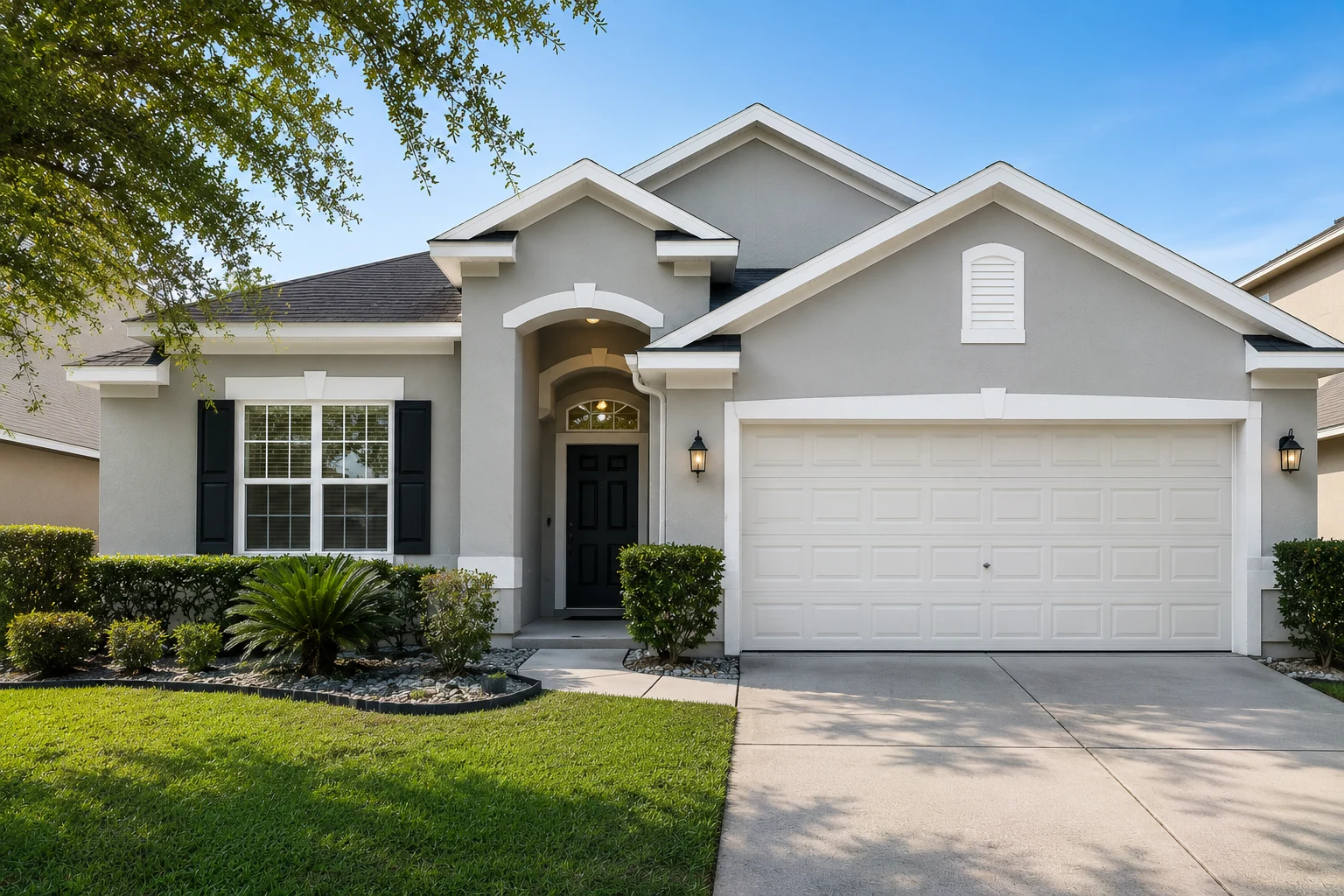
 ConceptPaintingRefreshed Stucco Exterior Concept
 ConceptPaintingCoordinated Whole-Home Palette Concept
These images are conceptual visualizations meant to illustrate the style and quality SAVAM House can deliver — not photographs of projects completed by our team.
Questions
It is. Wood moves with the seasons and takes on water at any exposed cut, so the coating has to stay flexible and every vulnerable edge has to be sealed — including the undersides and end grain nobody ever sees. Stucco forgives a lot that wood does not. Most of the early failures we are asked to look at on older homes come down to wood having been prepped as if it were masonry.
It depends how far it has gone, and it is worth being honest about rather than optimistic. Wood that is only surface-damaged can often be consolidated and filled; wood that has gone through is better replaced, because paint over a failing board simply traps moisture and buys you a season. We identify those areas during the walkthrough and price them plainly so there are no discoveries once the ladders are up.
To a large extent, yes. What has happened is accumulation — each coat rounding the arrises a little more until the profile reads soft. Sanding back to level and rebuilding the finish in thin, controlled coats restores much of the definition. Taking it further back is slower and suits some elements more than others, so it is worth deciding together how far you want to go before the work starts.
It changes the preparation more than the paint. Plaster develops fine cracks as a house settles over decades, and repairs need to be worked back to the surrounding surface rather than simply filled, or they show through as flat patches. It also absorbs differently from drywall, which is why sealing repaired areas matters if you want an even sheen across the finished wall.
It is treated rather than painted over, which is the part that most often gets skipped. Under a canopy, north and shaded elevations stay damp for hours and organic growth establishes itself in the surface. Those areas are cleaned properly, treated where growth has taken hold, and allowed to dry fully before anything is applied — coating over living growth simply feeds it a fresh surface.
By working with the language the house already speaks. Older architecture usually has distinct roles — a body color, a trim color, often a deeper sash or door — and staying within that structure is what keeps a scheme from feeling applied. We look at what is fixed too: roof, brick or stone, walkways. From there a shortlist goes onto the actual house and gets looked at through a full day before anything is decided.
Very often, and it is usually worth it — the millwork on these homes is rarely matched by anything available now. The work is in the preparation: removing loose material, making the surface sound, sealing end grain, and building the finish in thin coats so the profile keeps its edge. Where something is genuinely past saving we will say so rather than paint it and hope.
It can work extremely well, particularly on inset or paneled doors that were properly made. The boxes in these homes are usually solid, so nothing structural needs solving — the outcome depends on degreasing thoroughly, scuffing for adhesion, and using a bonding primer suited to whatever finish is already on there. If the timber itself is the feature, though, we will tell you honestly that painting it would be a loss.
Mainly through timing. Humid air slows how quickly each coat releases moisture, and older homes with heavy shade and less airflow hold it longer still. That means longer waits between coats than the can suggests, and rushing them is what produces soft, streaky walls that never quite harden. We work with air movement and realistic dry times rather than pushing a room to finish in a day.
Sooner than a masonry house, generally — wood simply demands more. What matters far more than the calendar is what the surfaces are telling you: paint cracking along the grain, seams opening at joints, bare patches appearing at edges, or growth on the shaded elevations. Catching it while the substrate is still sound is dramatically cheaper than waiting until boards need replacing.
In established neighborhoods it is read immediately — condition is one of the first things anyone judges a house by, and neglected woodwork undersells a property that is otherwise irreplaceable. The half that isn’t presentation is protective: sealed joints and sound trim keep water out of the structure, and water damage in older wood is expensive in a way that repainting never is.
Send us an outline through the form on this page — the rooms or exterior areas you are thinking about and what has prompted it. We will follow up to discuss it, and where it makes sense, come and walk the house before putting figures to anything.
Tell us what you are considering and we will walk the house, show you what the wood and the surfaces are actually doing, and set out a scope and schedule worth agreeing to.