 Current Service
Painting
Refresh interior and exterior surfaces with professional, detail-oriented painting.
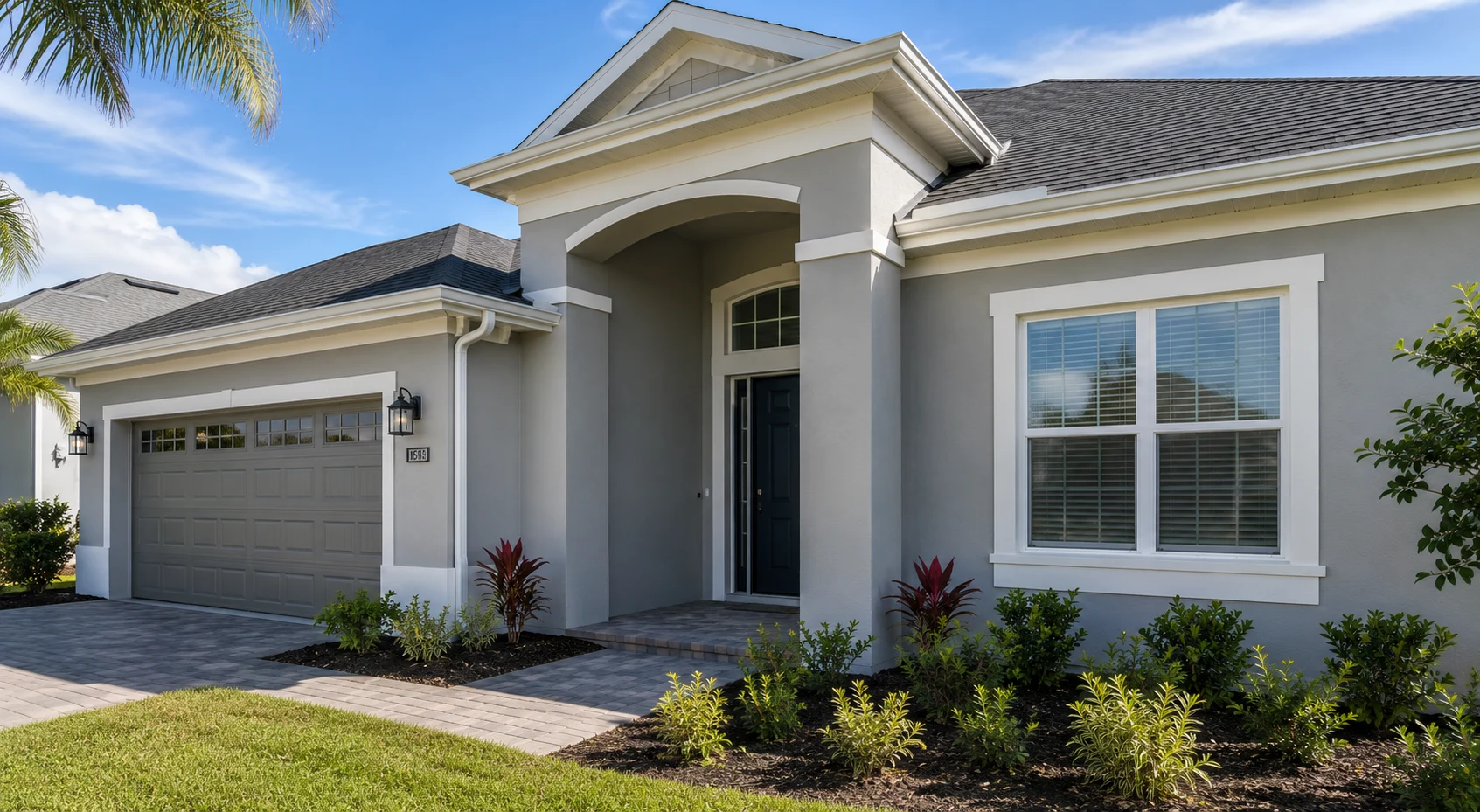
Residential Painting Serving Clermont
Serving homeowners throughout Clermont, where houses sit on open, rolling ground with very little shade to soften the day. Exposure like that punishes a thin coat quickly — so we wash properly, let the walls dry, and specify a system for the elevation it is actually going on.
Get Your Free EstimateFree In-Home Consultation
Organized Process
Every project follows a clear, structured process from first contact to final walkthrough.
Quality Craftsmanship
We pay attention to the details that make a remodel feel finished and durable.
Clear Communication
You'll always know what's happening with your project and what comes next.
Commitment to Your Home
We treat every property with the same care and respect as if it were our own.
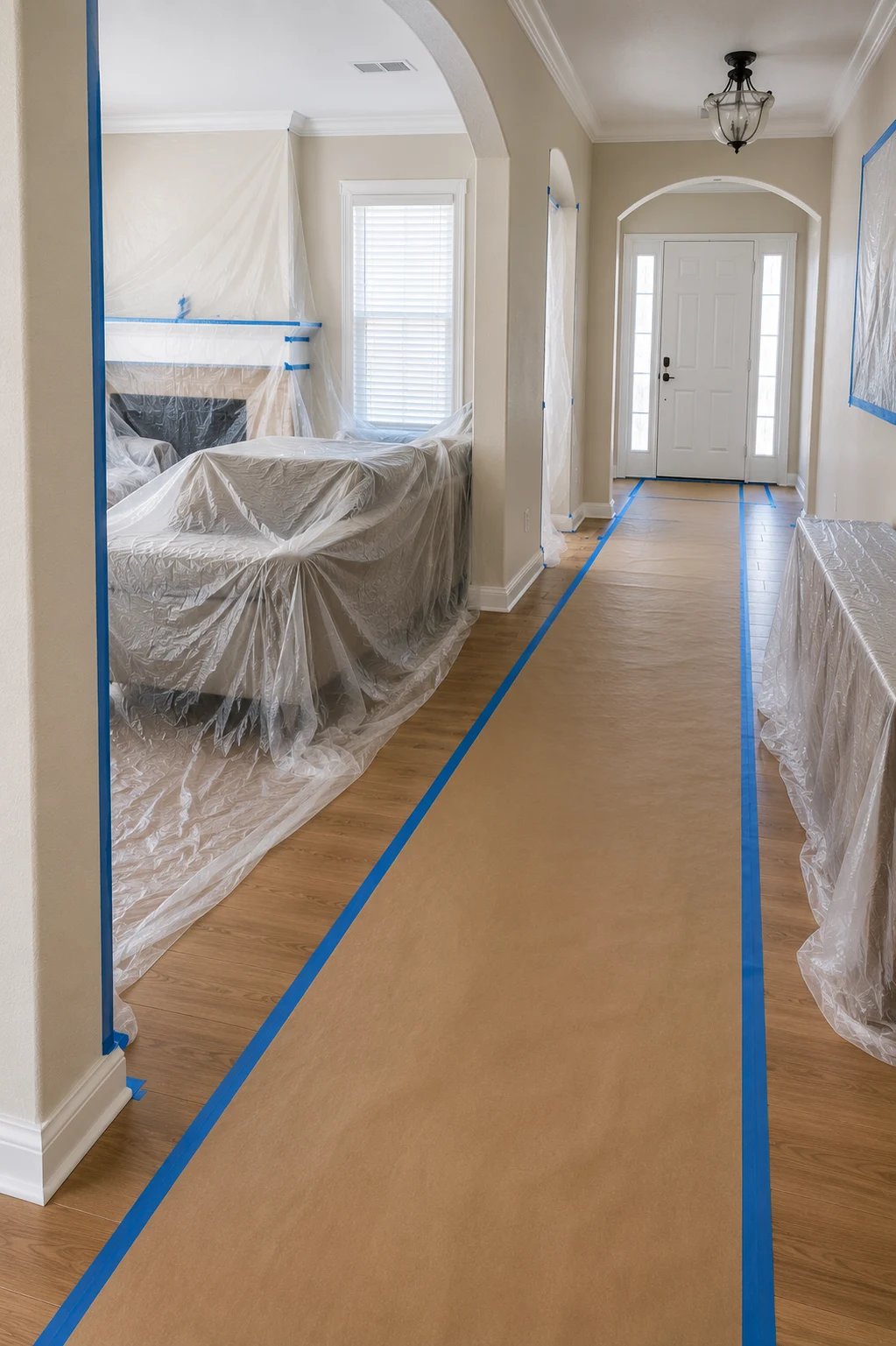 Getting Ready
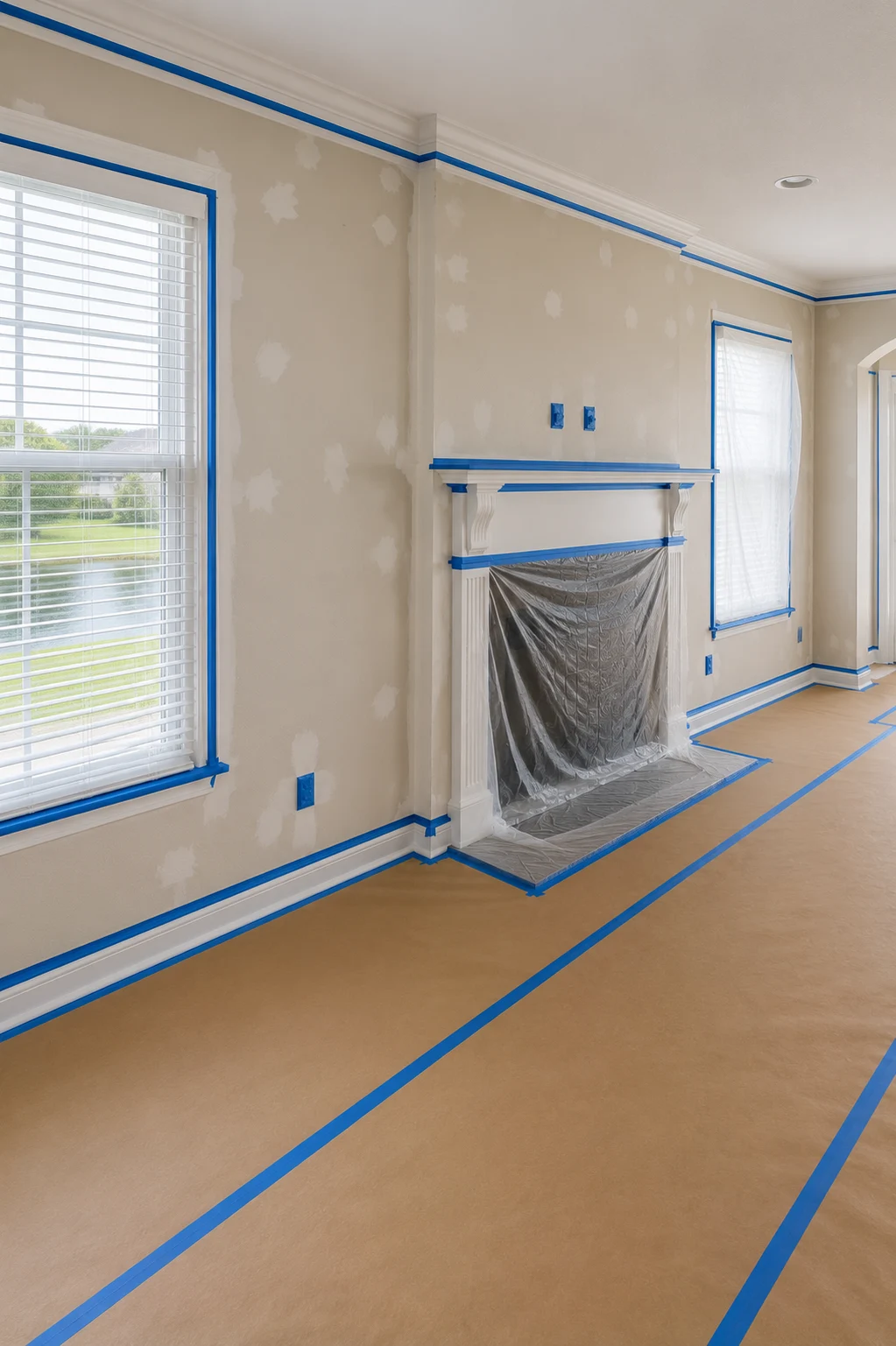 Washing & Repairs
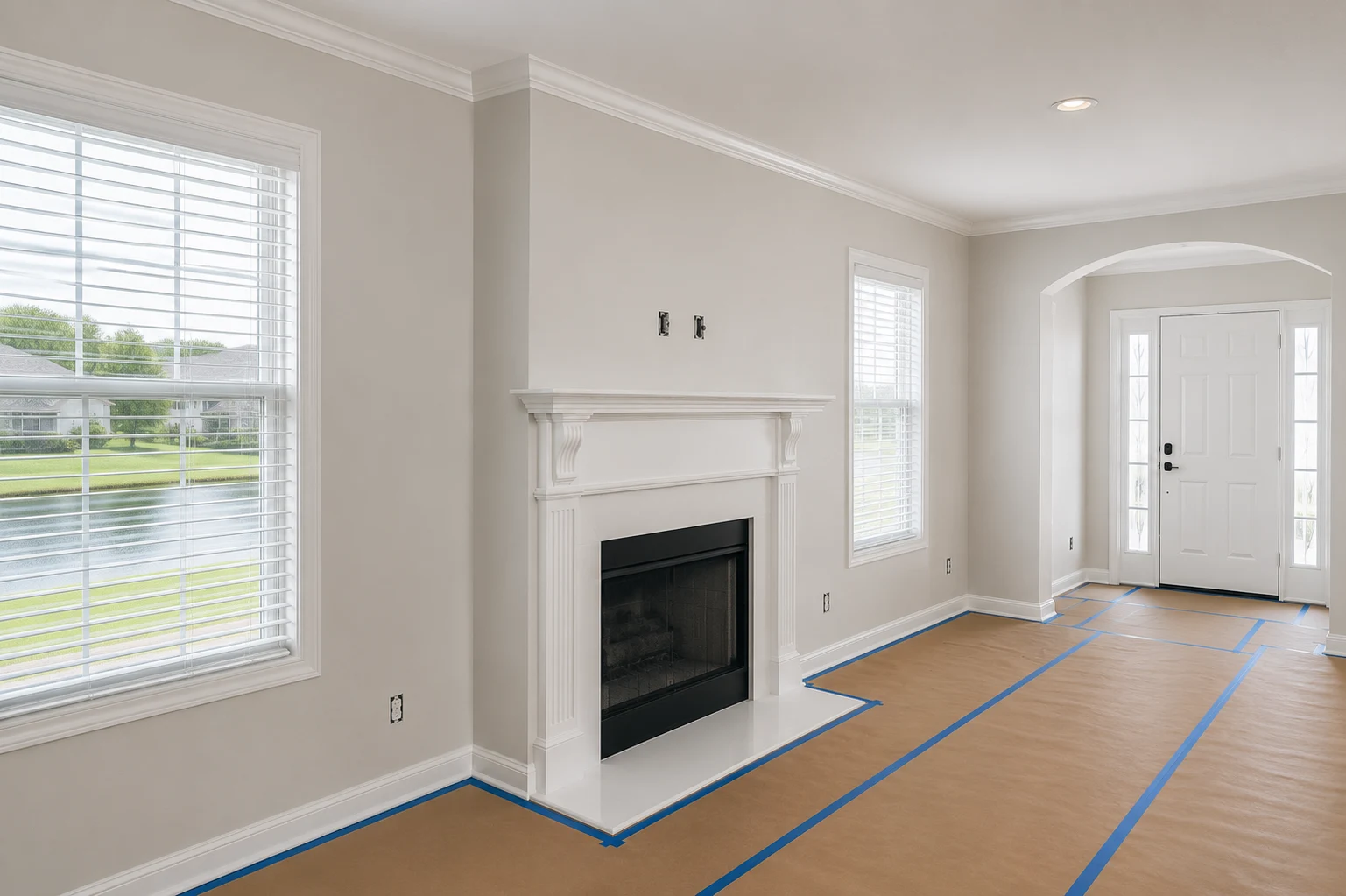 Priming & Coating
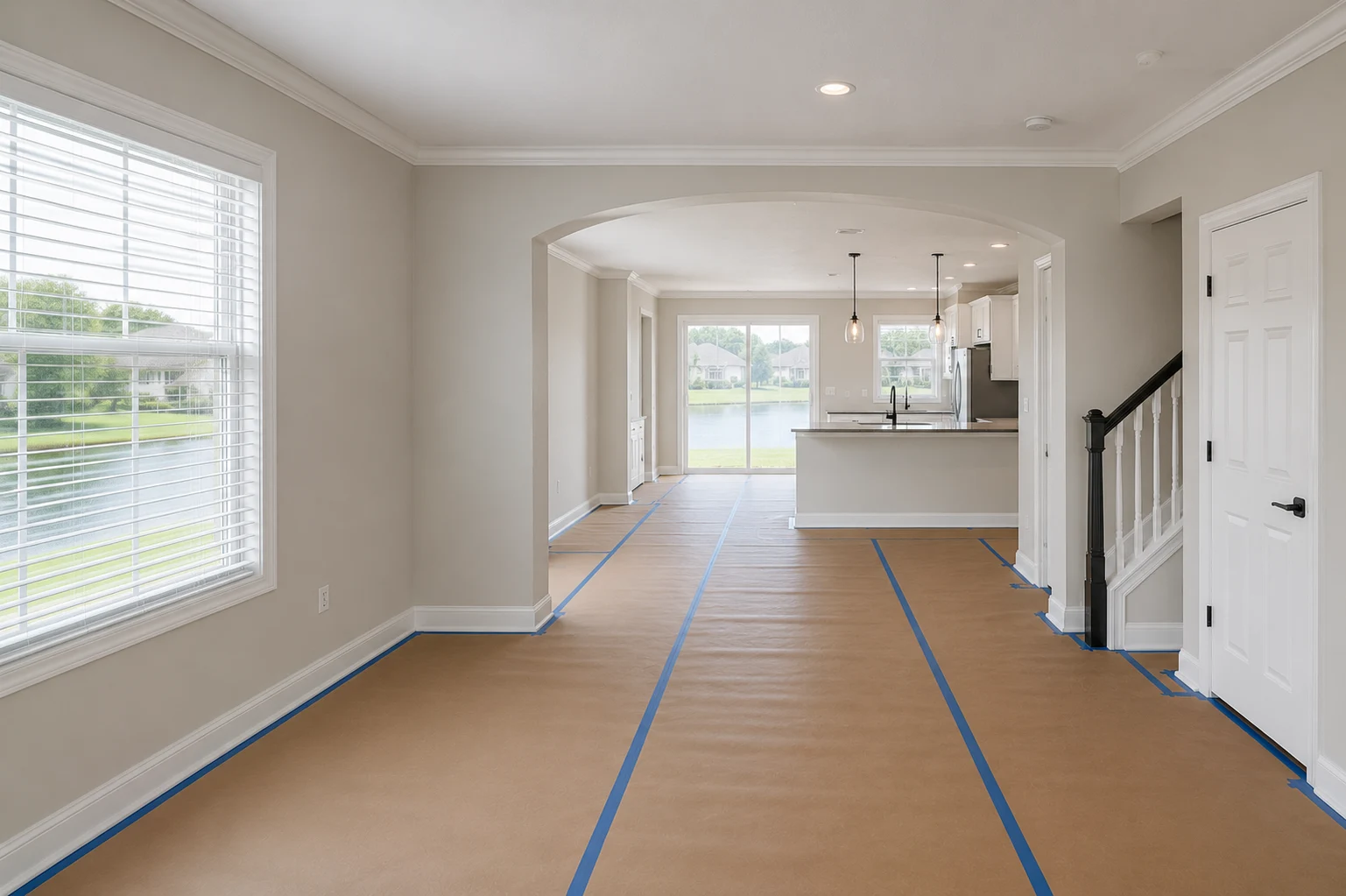 Clearing & Checking
Working With Us
We're not focused on being the biggest — we're focused on being organized, communicative, and easy to work with.
Your project starts with a clear plan, not guesswork.
You'll hear from a real person about the status of your project.
We treat the small details as seriously as the big decisions.
How It Works
We start by understanding your goals, your home, and the scope of your project.
We translate your vision into a clear, organized plan before any work begins.
You choose finishes and materials with guidance from our team.
Our team executes the project with attention to detail and clear communication.
We review the finished work together to make sure everything meets your expectations.
Real Results
On an exposed lot a house does not fail all at once — the color flattens, the walls start to chalk, and one day the whole place simply looks older than it is. Putting that right changes the property from the driveway in.
The Benefits
On an unsheltered lot, service life comes almost entirely from three things: how clean the wall was, how dry it was, and how much material went on it.
What Else to Consider
With the house covered and the crew already on site, several related jobs cost a fraction of what they would as separate visits.
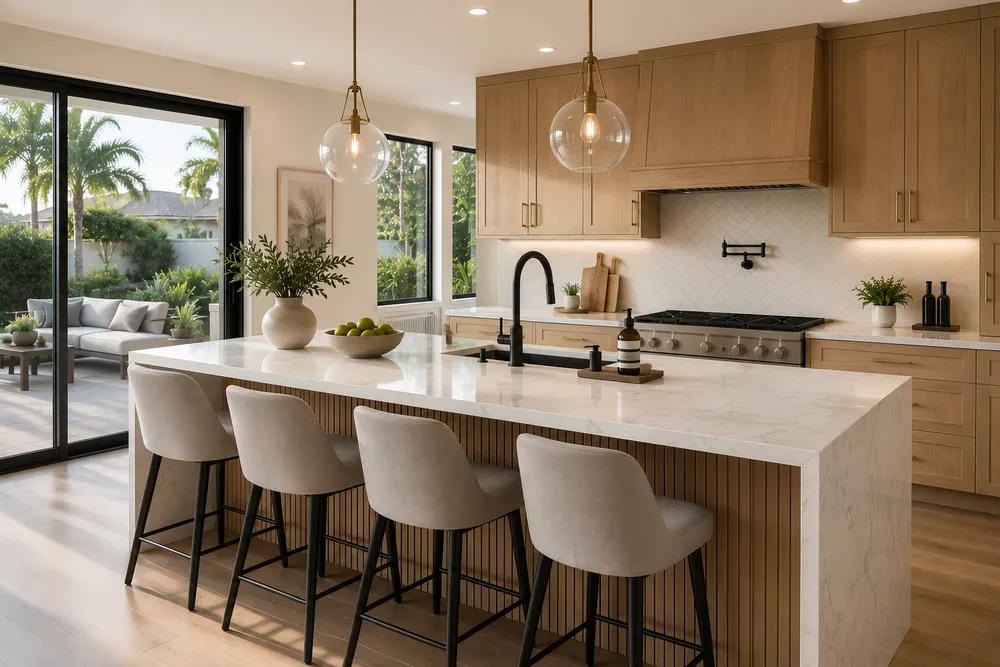
Transform the heart of your home with a kitchen that blends functionality, craftsmanship, and modern design.
Learn More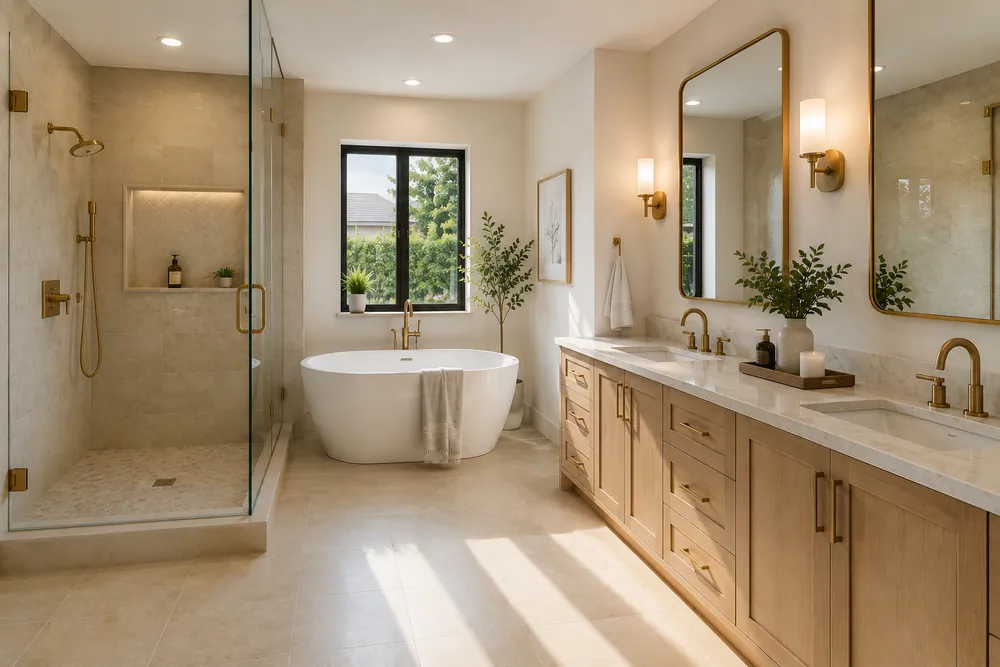
Modernize your bathroom with thoughtful layouts, quality finishes, and lasting comfort.
Learn More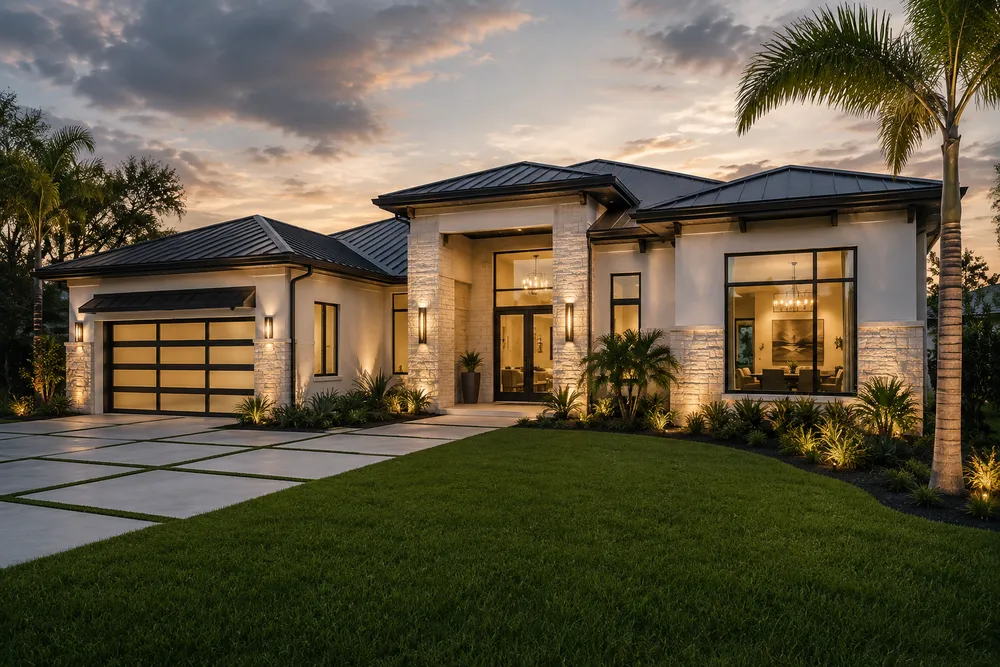
Coordinate a complete transformation of your home, from layout to finishing details.
Learn More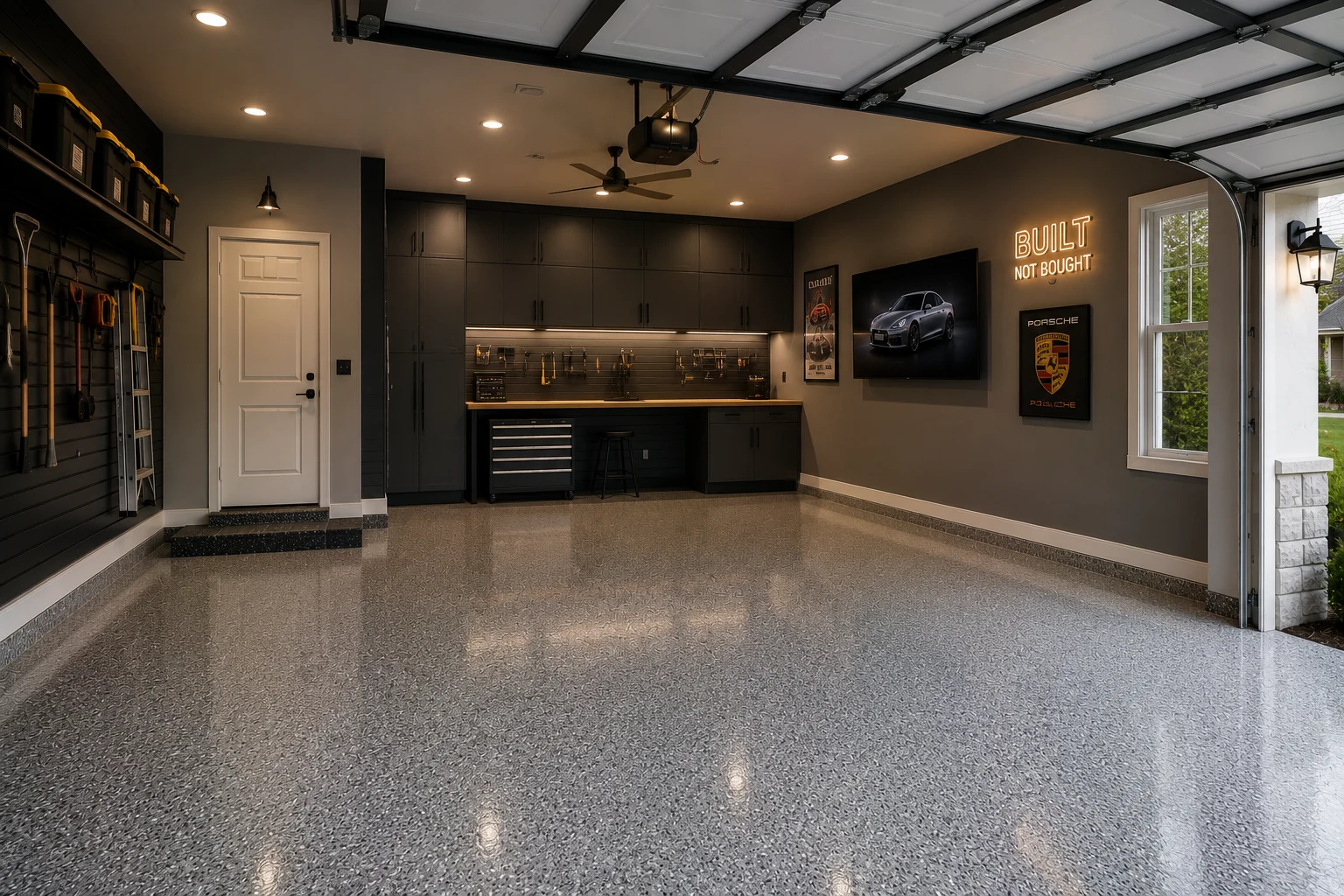
Turn your garage into an organized, durable, and functional extension of your home.
Learn More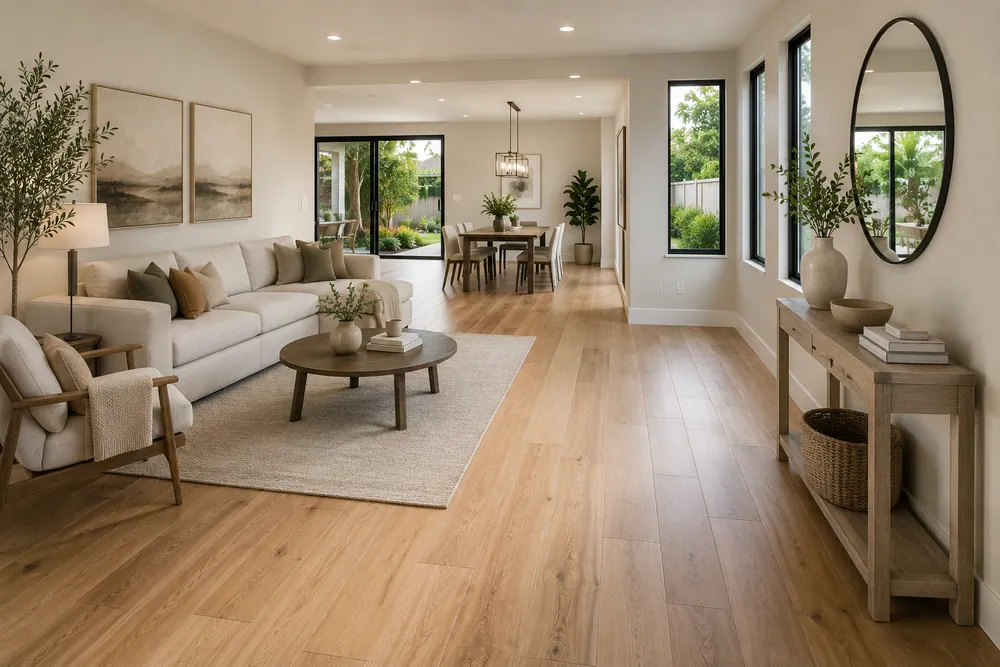
Install and refresh flooring throughout your home with materials built to last.
Learn MoreCurrent ServiceRefresh interior and exterior surfaces with professional, detail-oriented painting.
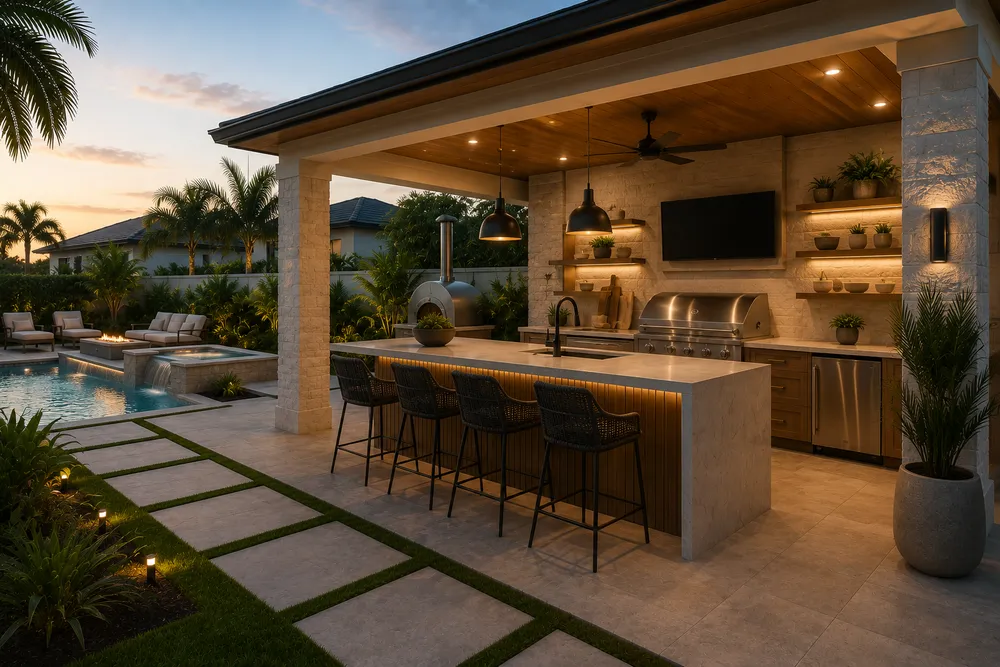
Create outdoor spaces designed for everyday living and relaxed entertaining.
Learn More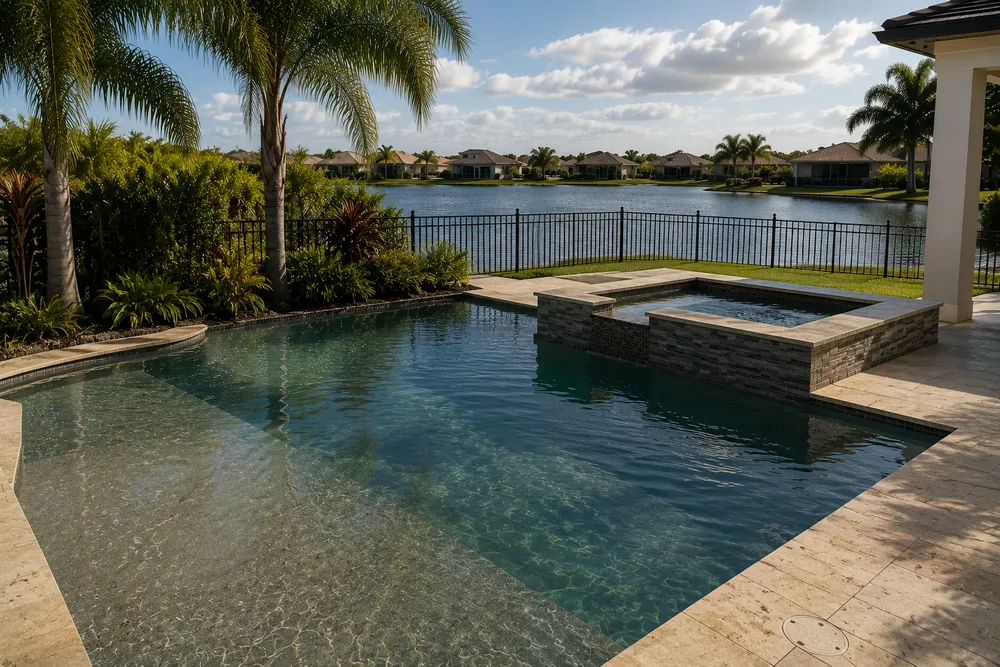
Design and build a custom pool tailored to your home and lifestyle.
Learn More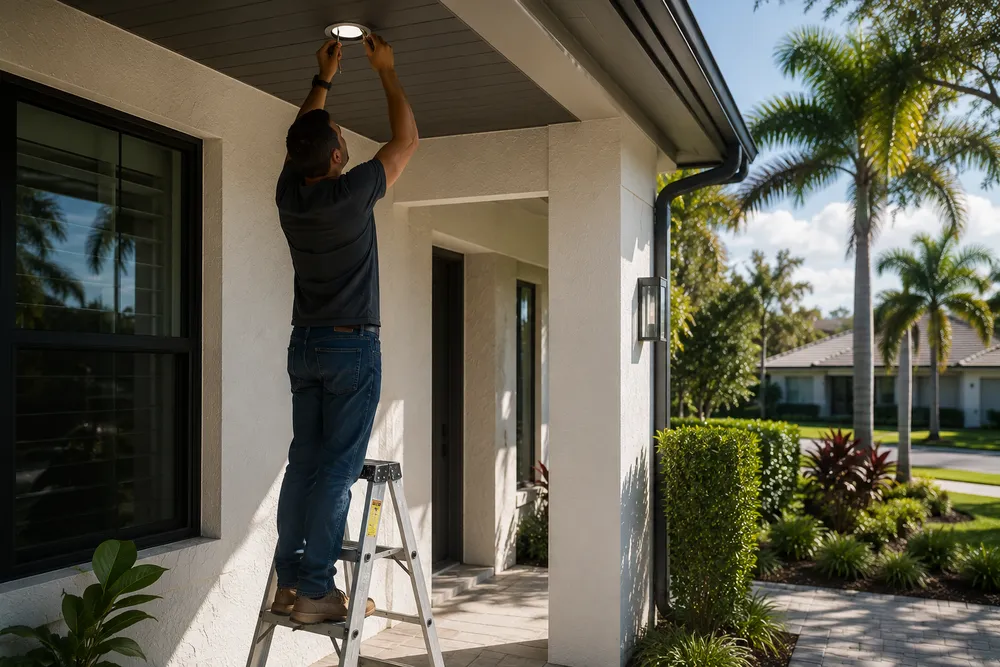
Handle everyday repairs and improvements with the same attention to detail as larger projects.
Learn MoreGet Started
Tell us about your project and our team will reach out to discuss the next steps.
Get your free estimate in less than 2 minutes
Prefer to talk it through first? Call or email us directly.
Working With Us
Exterior painting looks like a straightforward trade from the outside, which is why estimates for the same house can land within a few hundred dollars of each other and describe completely different work. One includes washing the walls until they are genuinely clean, waiting for them to dry, repairing what needs repairing, and applying enough material to build a real film. The other includes a quick rinse and two thin passes, and it will look identical for about eighteen months.
We would rather explain that difference than leave you to discover it. So the walkthrough covers what the walls are actually doing — where they have chalked, which elevations are taking the worst of the sun, whether the stucco has opened up anywhere — and the estimate reflects the work that follows from it. Here is how a project comes together.
Planning Ahead
None of them are about color, and all of them are easier to settle before the work starts than after.
Every exterior job here starts with a wash, and how that wash is done tells you most of what you need to know about the crew. Old coatings shed a chalky powder that nothing will bond through, and getting it off takes detergent, contact time, and attention — not just water at high pressure. Blasting a wall instead is how stucco gets etched, how water is driven behind trim and siding, and how a job creates a problem it then paints over. Done properly it is slow, unremarkable work, and it is the foundation everything else sits on.
Stucco holds water long after the surface feels dry to the hand, and coating it too soon is one of the most common causes of early blistering and peeling on this side of Central Florida. Washing on Monday and painting on Monday afternoon is a scheduling convenience, not a method. We allow the walls real drying time — more of it in humid weeks, more again on shaded elevations — and if that means the crew works another face of the house first, that is what we do.
Heavier elastomeric coatings are often presented as the premium answer for stucco, and on a wall with fine surface cracking and good drainage they can be an excellent one. On a wall that is holding moisture, that same thickness can trap it and make things worse rather than better. A quality acrylic system properly applied outperforms a heavy coating applied for the wrong reason every time. We will tell you which situation your house is actually in.
Repainting before listing is usually worth it — exterior condition sets the first impression before anyone is out of the car, and neutral, current interiors show far better in photographs. The mistake is leaving it until weeks before listing. Community color approval takes time, weather can take days, and the work itself needs to be scheduled rather than squeezed. Starting a couple of months ahead turns all of that into a non-issue.
Why SAVAM House
Every project follows a clear, structured process from first contact to final walkthrough.
We pay attention to the details that make a remodel feel finished and durable.
You'll always know what's happening with your project and what comes next.
We treat every property with the same care and respect as if it were our own.
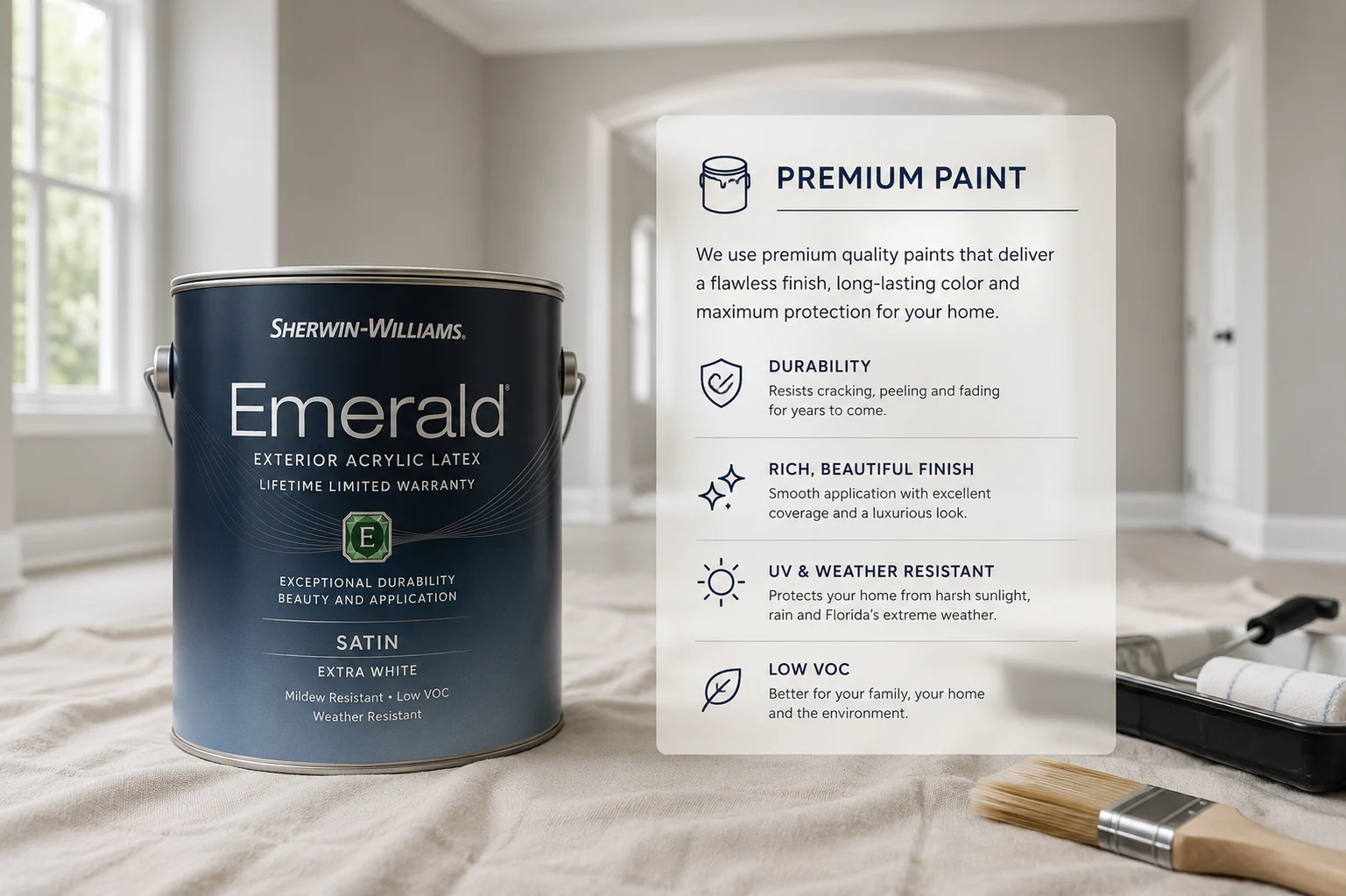 Durable Exterior SystemsChosen for UV resistance and film integrity, specified per elevation rather than as one product for the whole house.
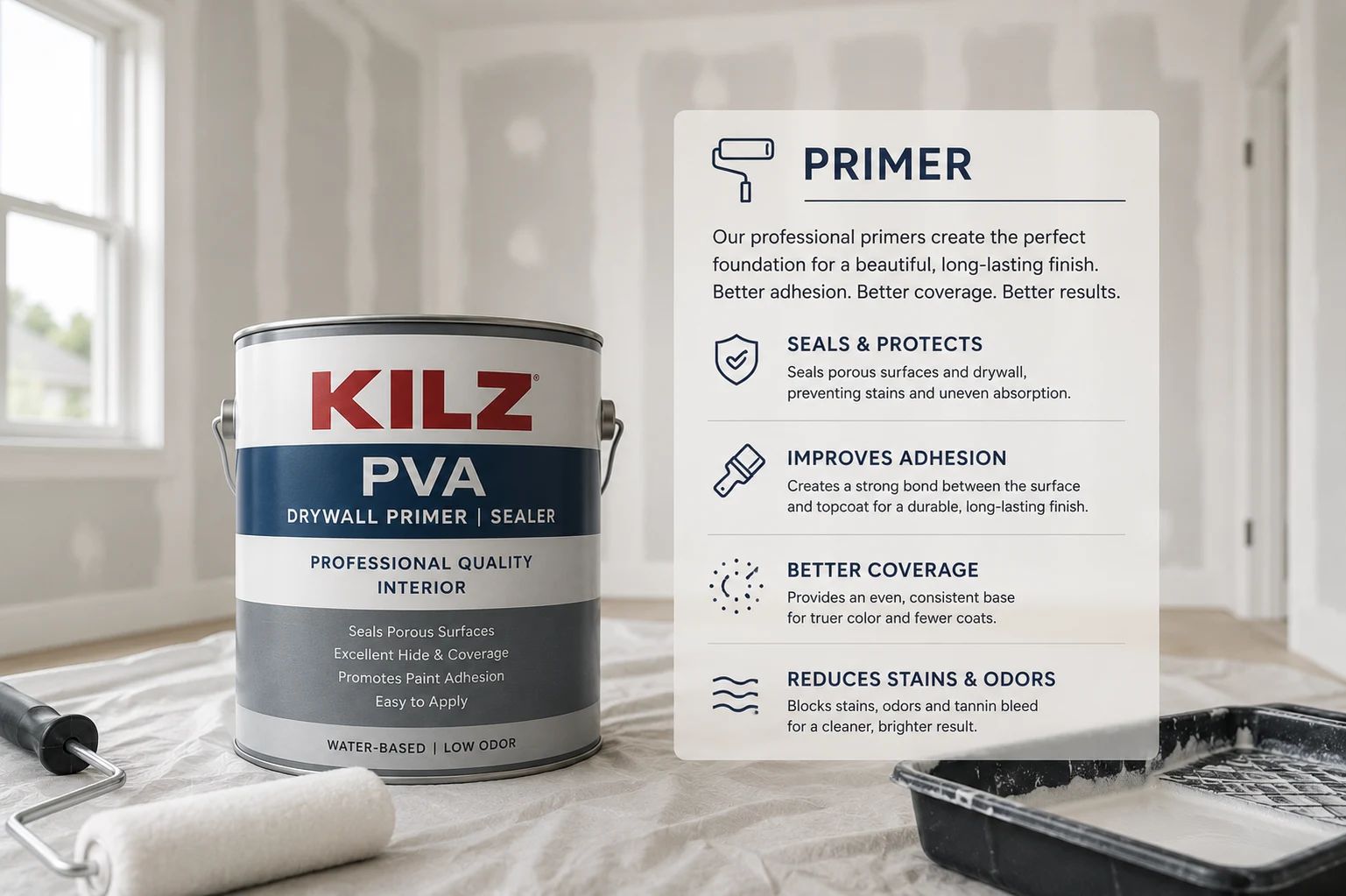 Primers and SealersMatched to what the wash reveals — chalked stucco, patched repairs, bare trim — because adhesion is decided by that layer.
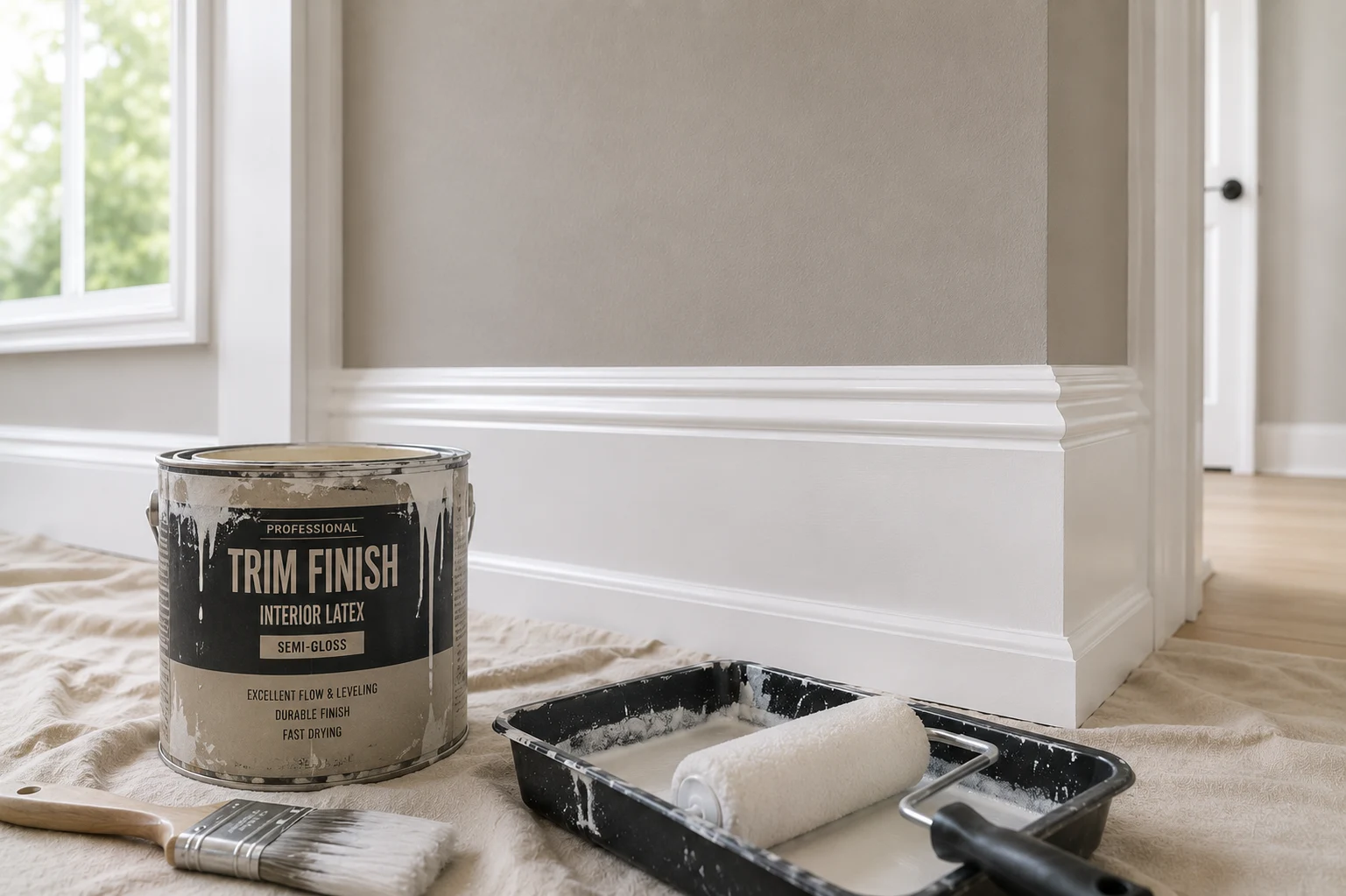 Trim, Door & Cabinet FinishesHarder, more washable finishes for the surfaces a family touches daily, where wall paint would be marked within a season.
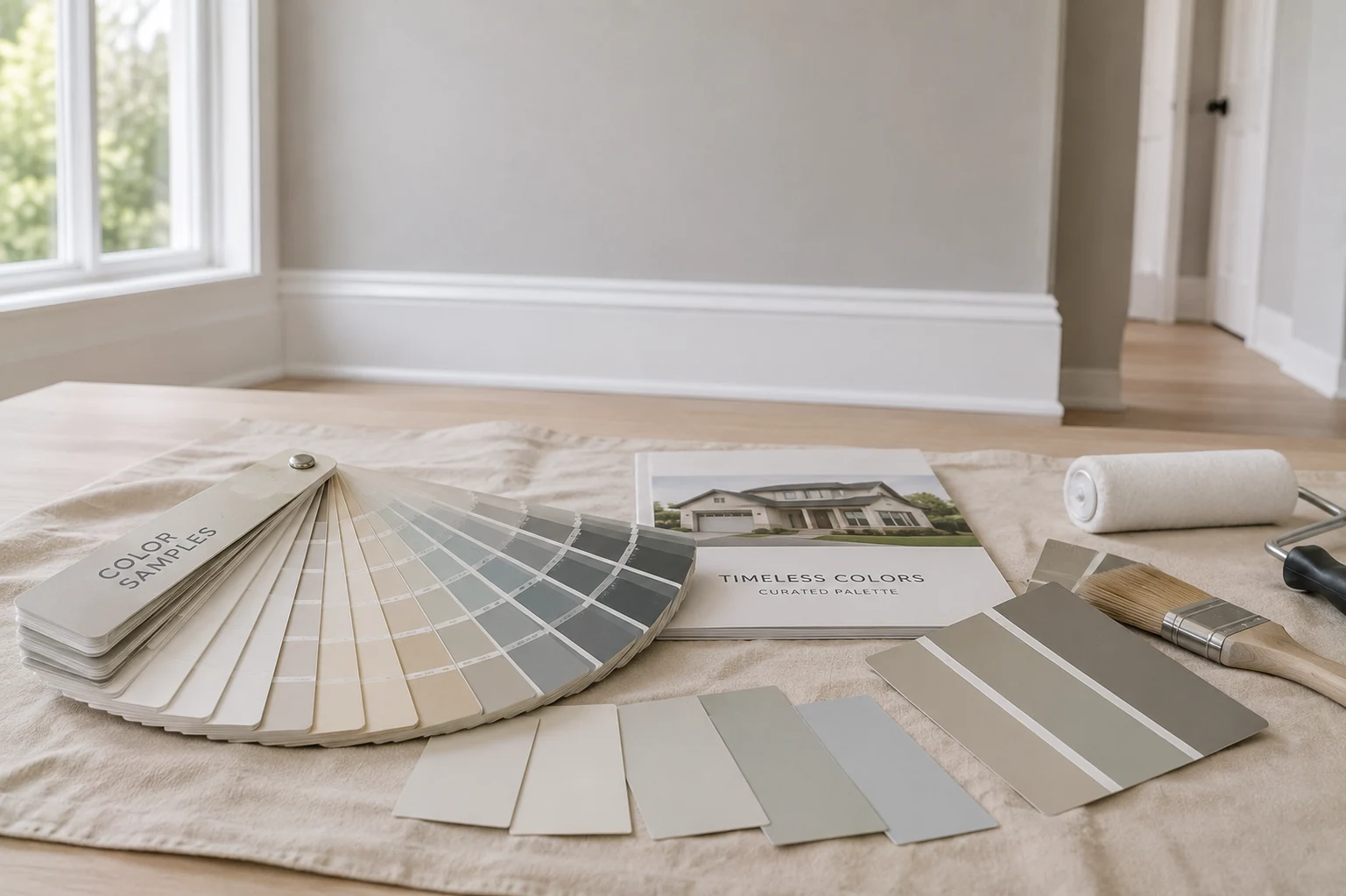 Color GuidanceA shortlist narrowed against your roof, stone, and existing finishes, then tested on the wall in full daylight.
Get Inspired
Three routes homeowners here tend to take — refreshing the interior, restoring the exterior, or bringing the whole house onto one palette.
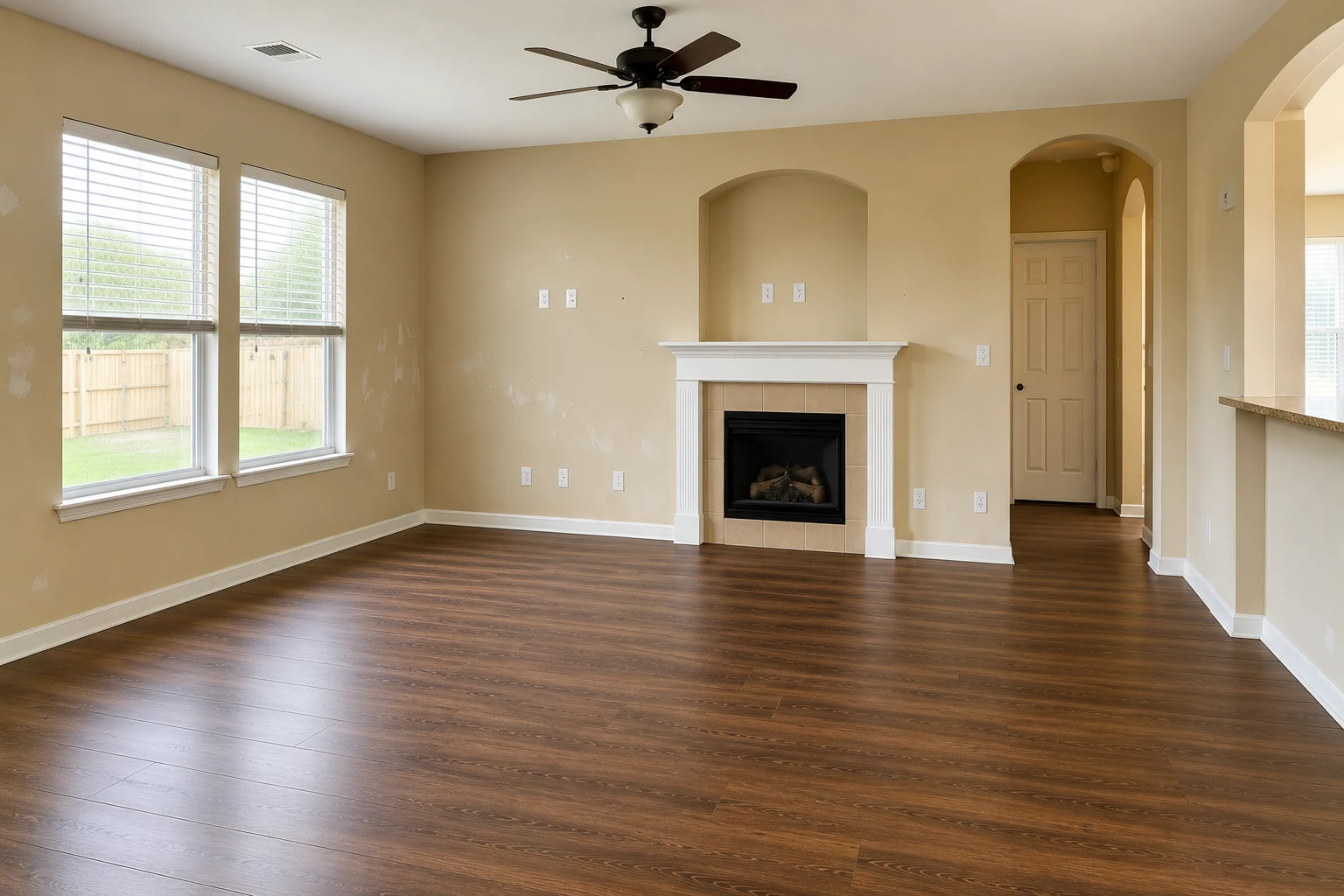
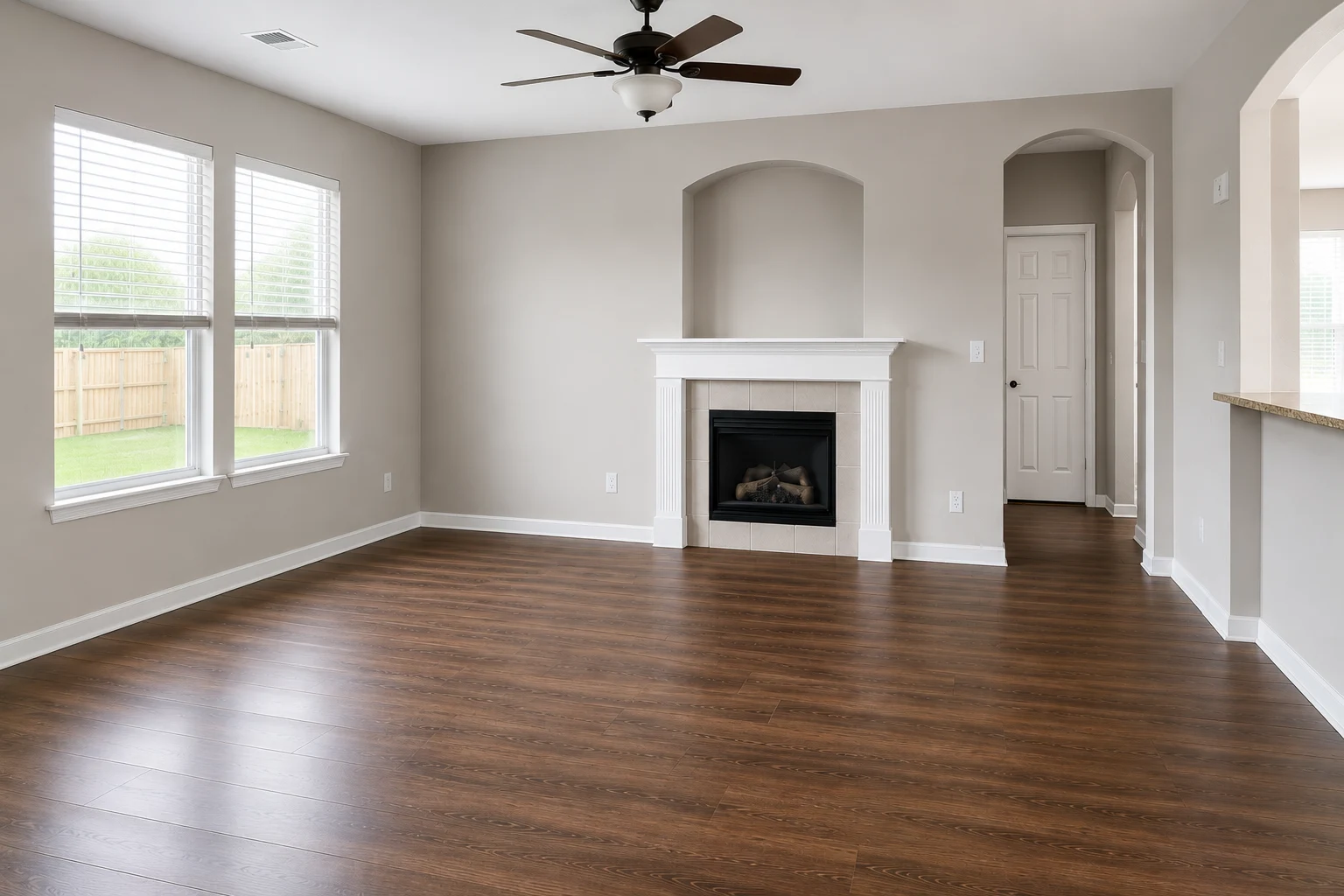
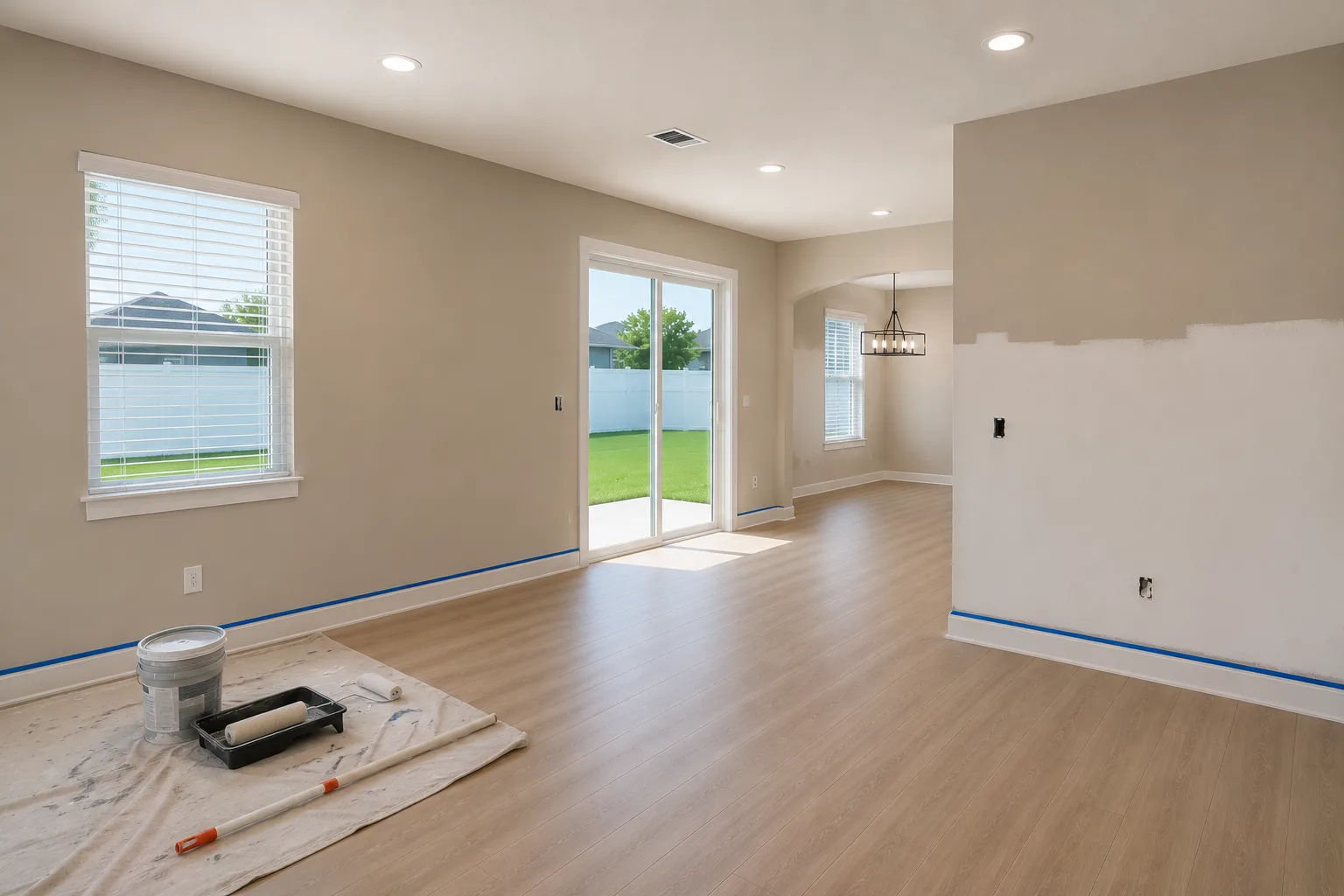
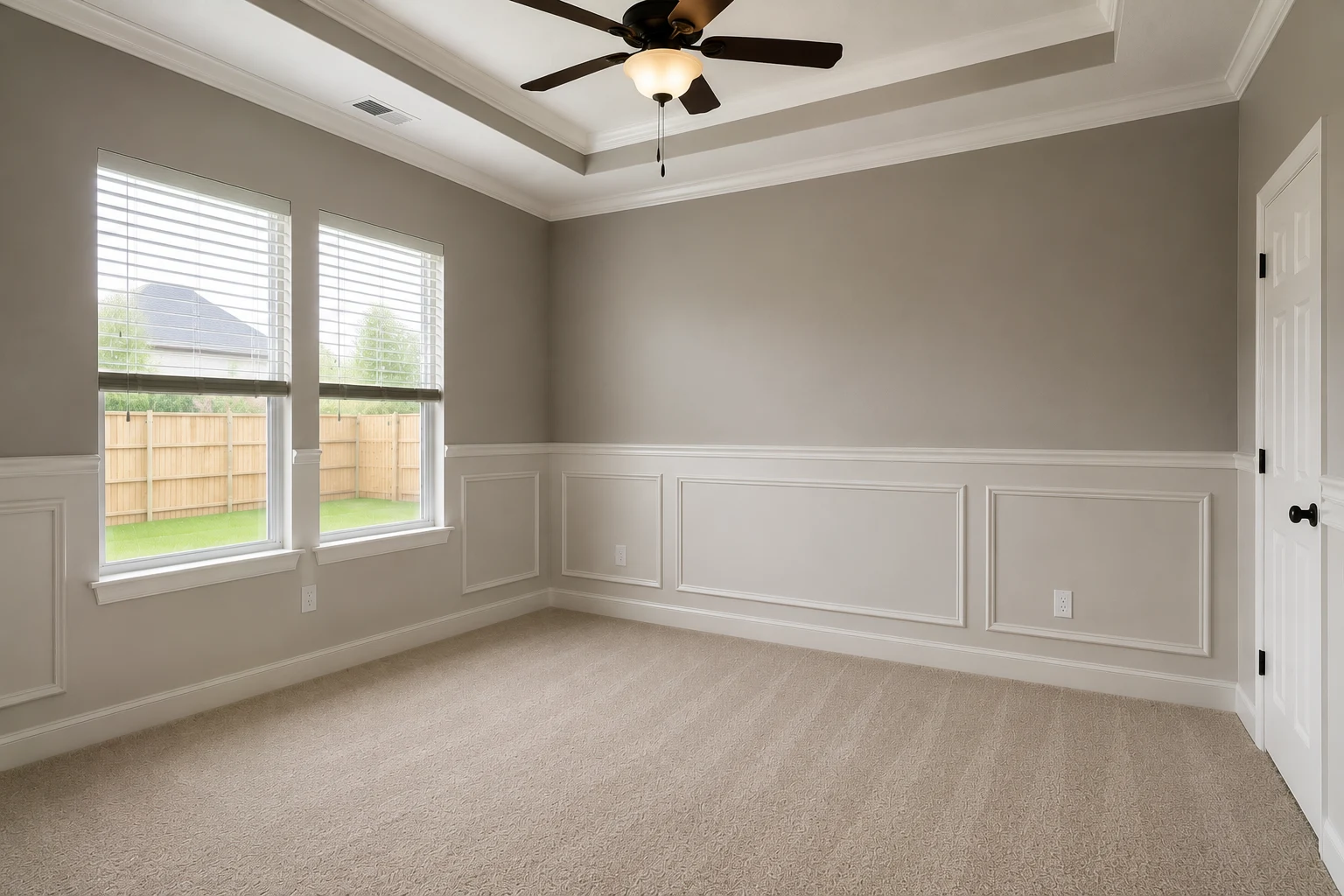
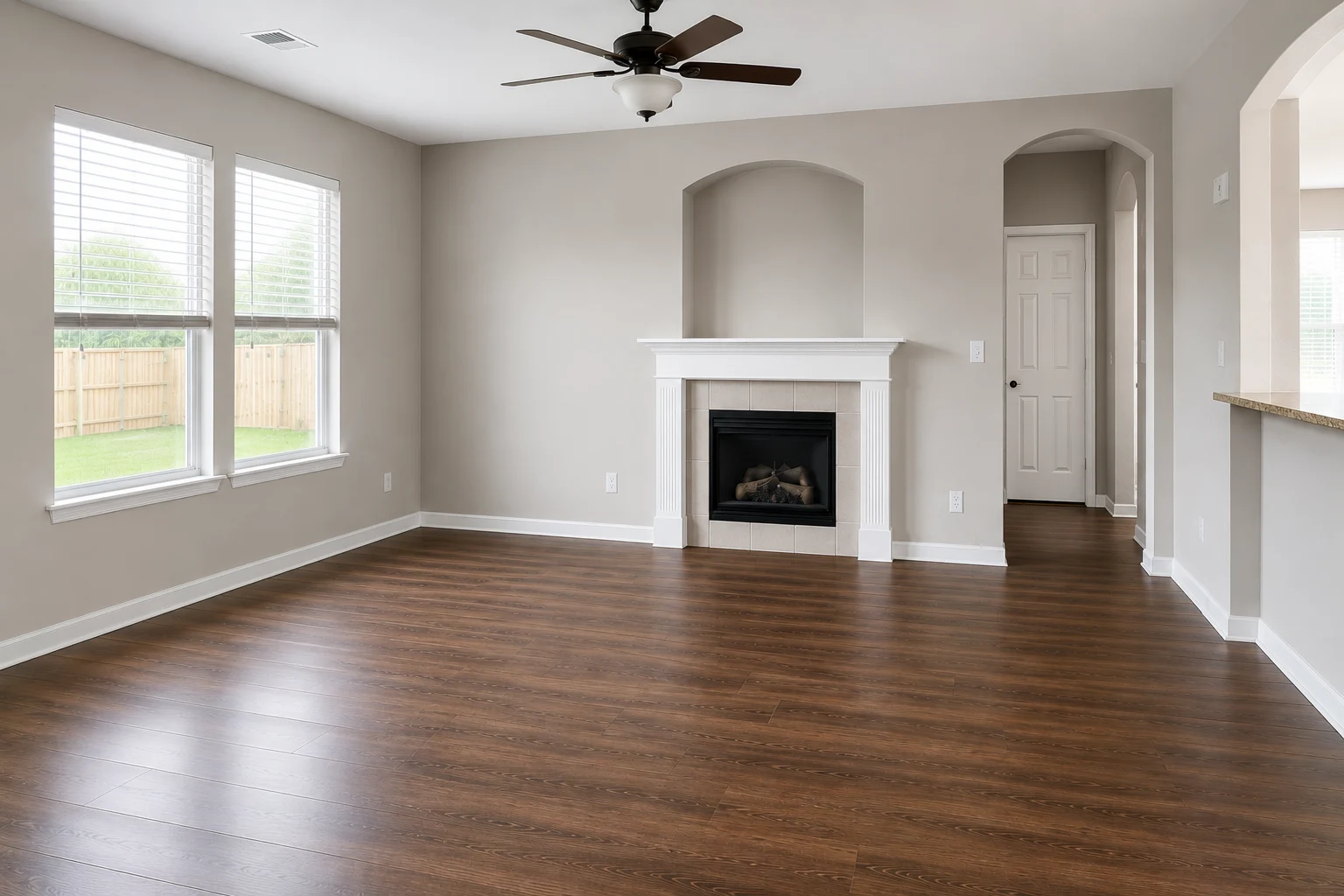 ConceptPaintingSoft Neutral Interior Concept
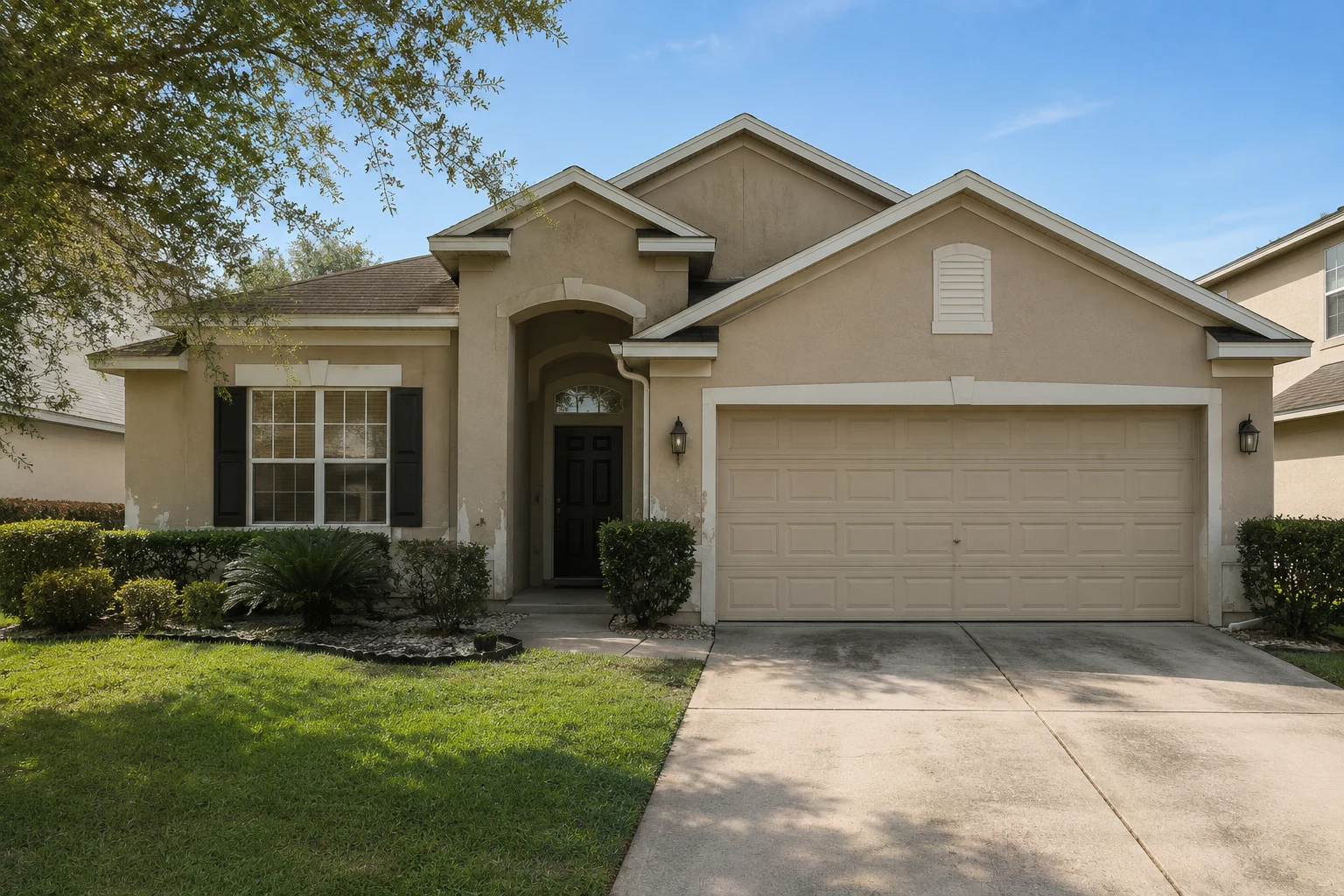
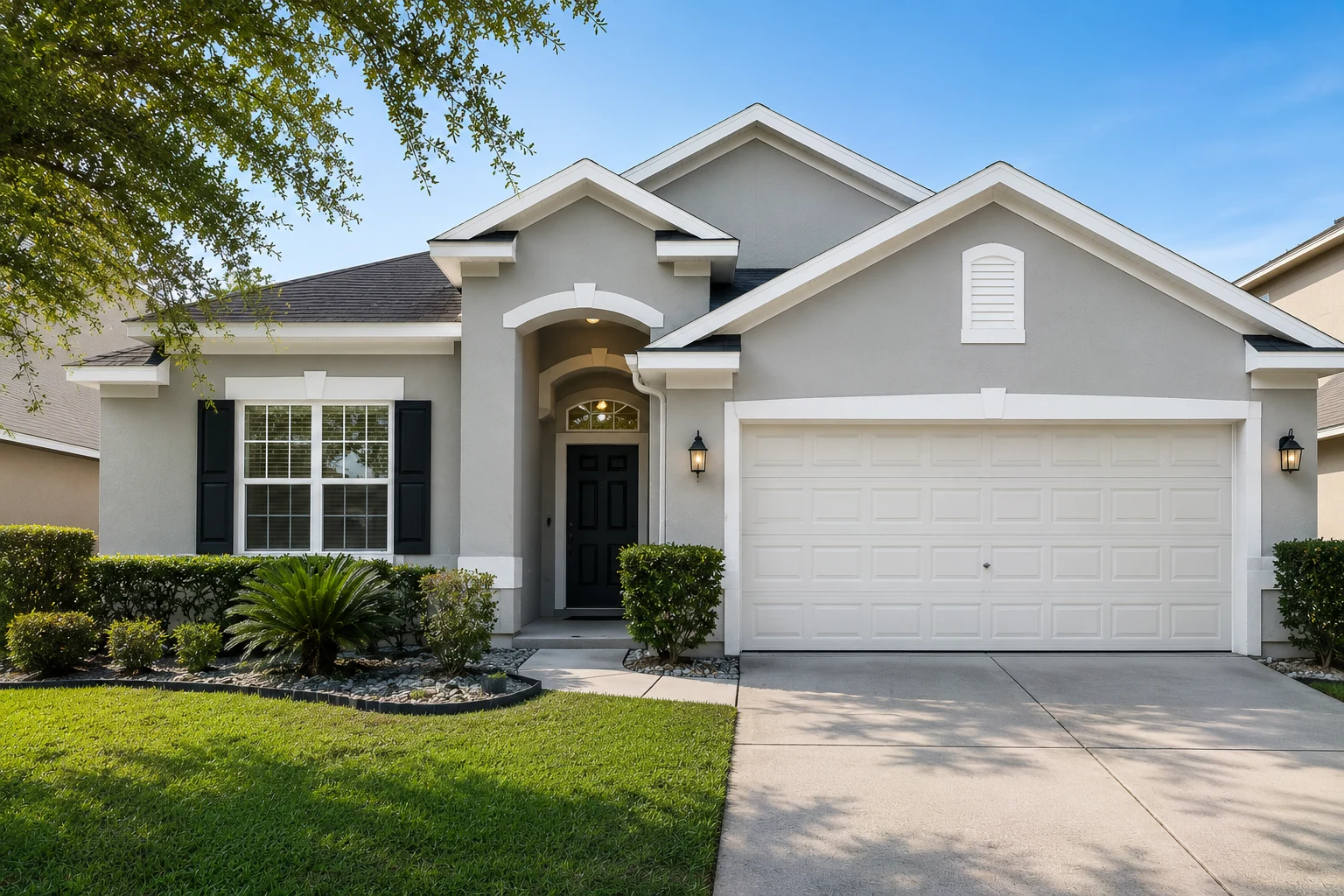
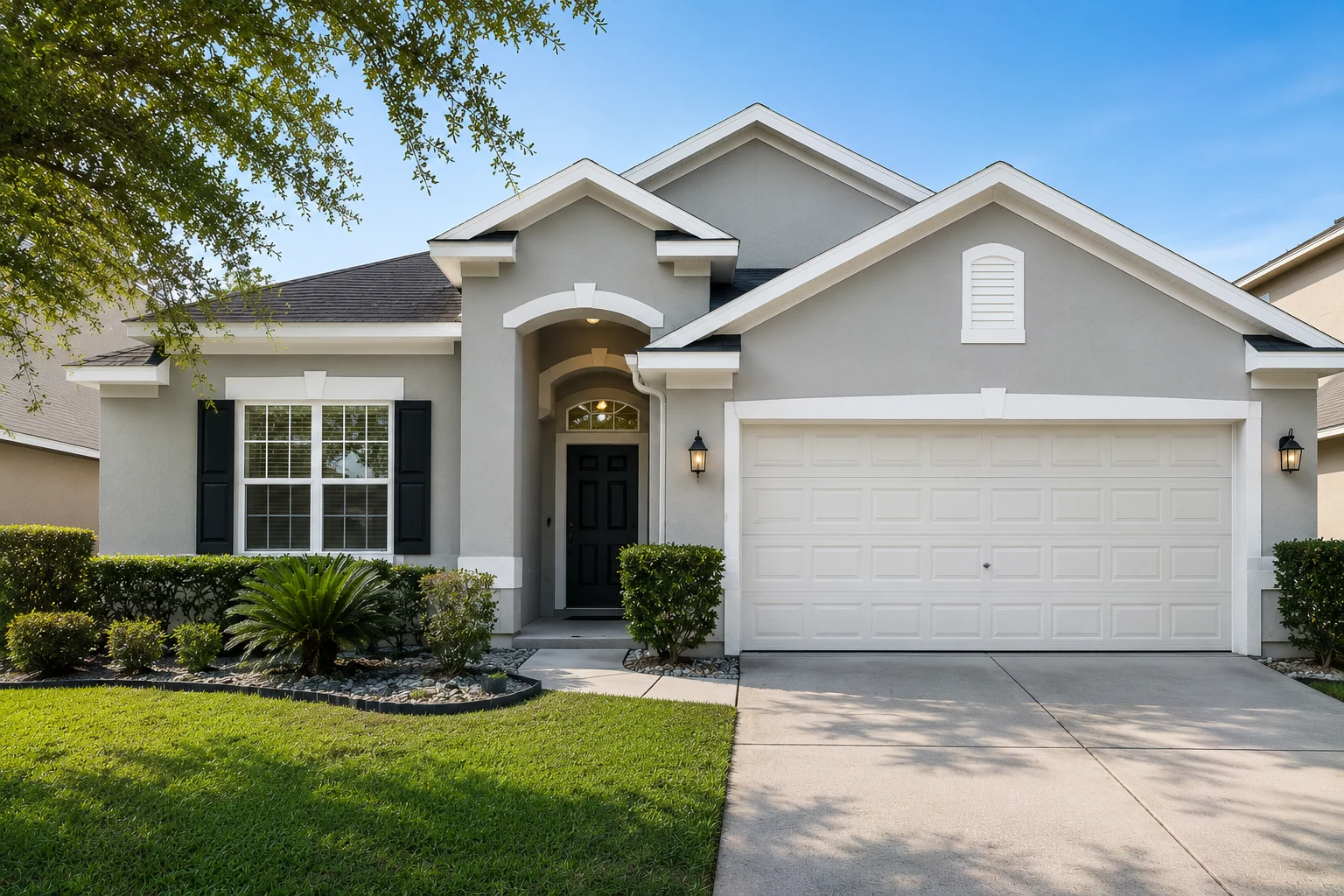
 ConceptPaintingRefreshed Stucco Exterior Concept
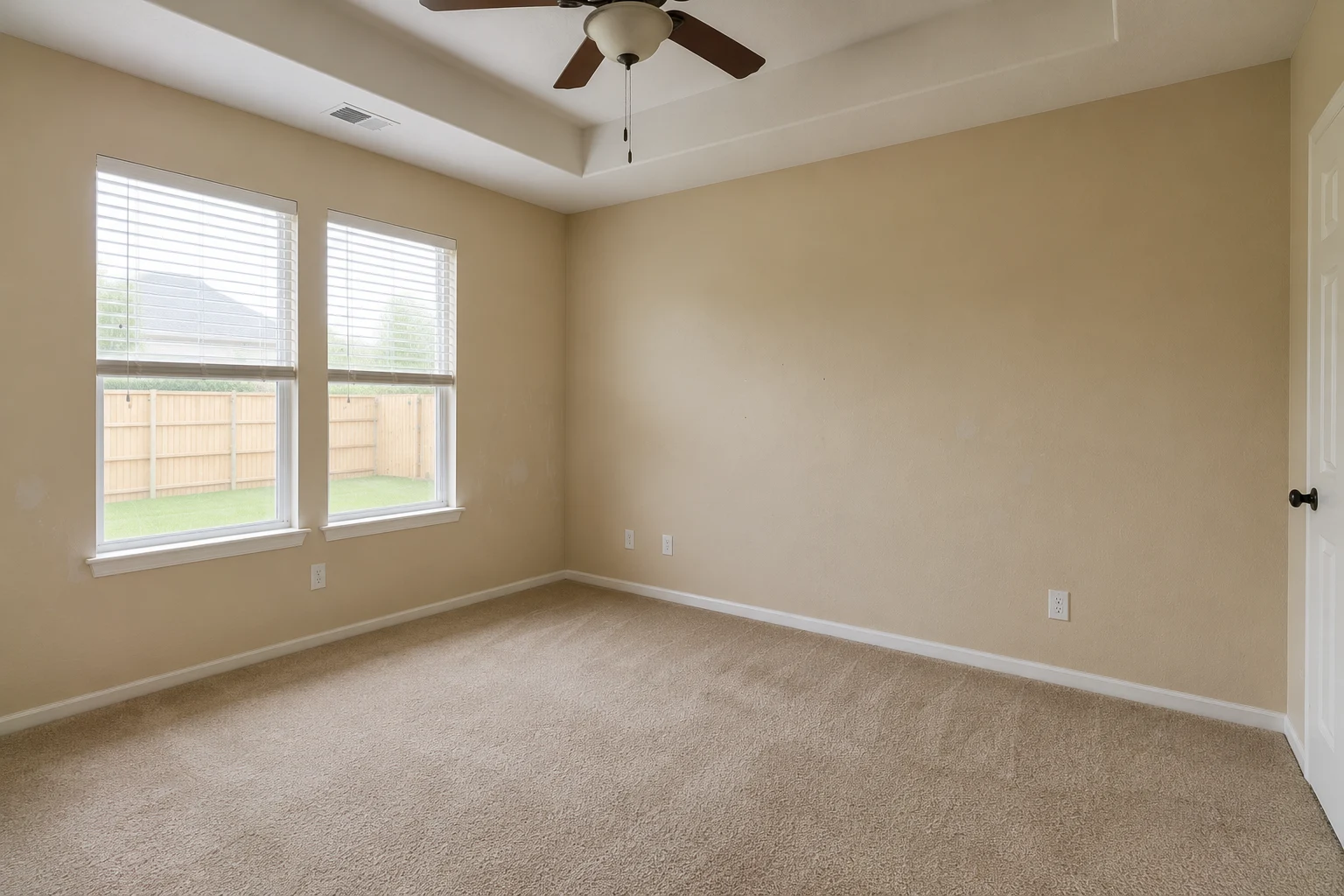
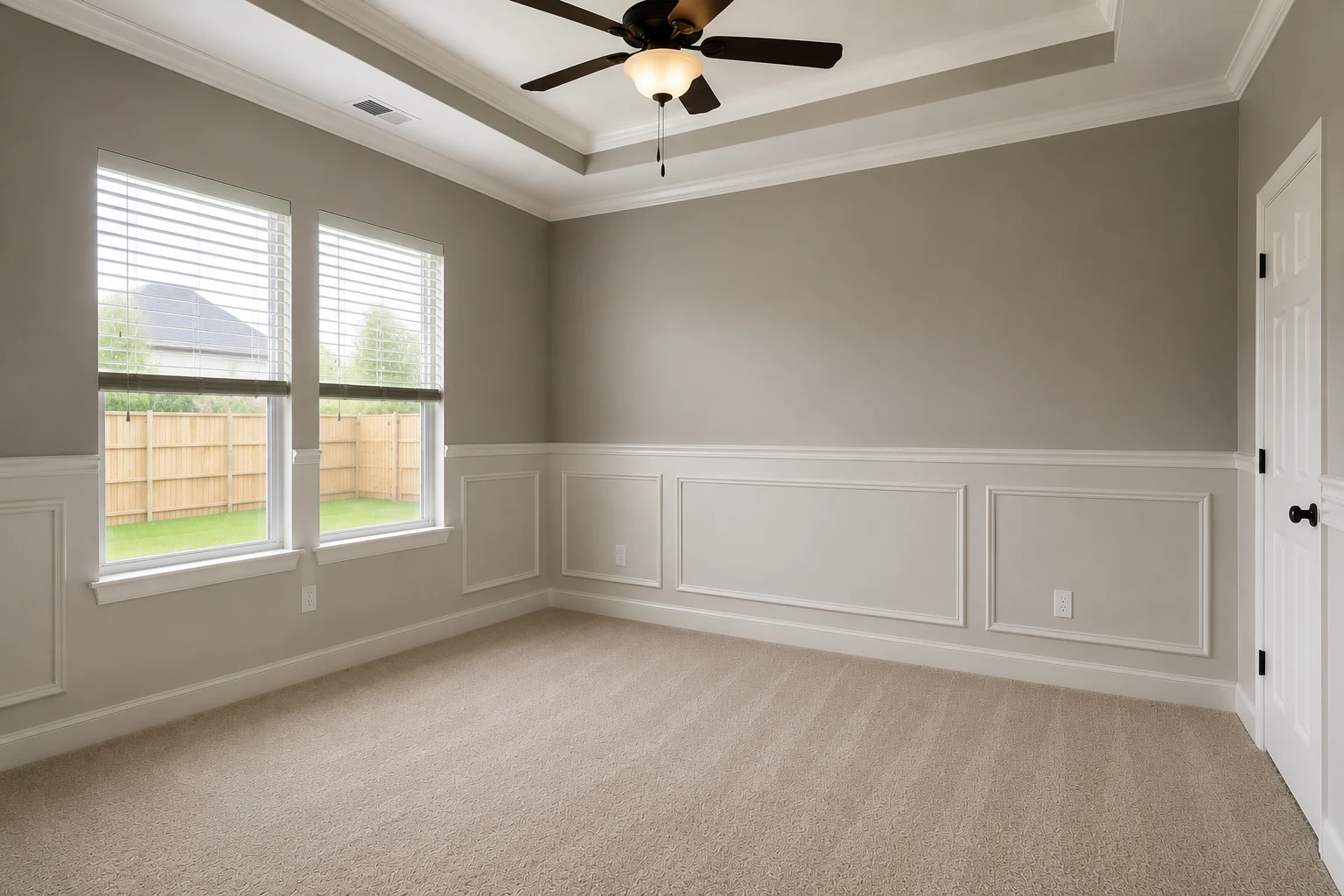
 ConceptPaintingCoordinated Whole-Home Palette Concept
These images are conceptual visualizations meant to illustrate the style and quality SAVAM House can deliver — not photographs of projects completed by our team.
Questions
It is the difference between a coating that bonds and one that sits on top of a powder. Aged exterior paint breaks down at the surface and leaves a chalky residue — if you can rub it off on your hand, new paint applied over it is holding onto that residue rather than onto the wall. Washing until the surface is genuinely clean is unglamorous, invisible in the finished job, and the main reason two otherwise similar projects age completely differently.
Yes, if it is used as a shortcut. Too much pressure held too close will etch the surface, open hairline cracks wider, and drive water behind trim and around window frames where it has no way out. The correct approach uses appropriate pressure with detergent and contact time doing the actual cleaning. When someone quotes a very fast wash on a large house, that is usually what is being traded away.
Long enough for the wall to be dry, which is not the same as looking dry. Stucco holds moisture well after the surface feels fine to the touch, and humid weather or a shaded elevation stretches that further. Coating a damp wall is one of the most common causes of blistering we are called out to look at. We plan the sequence so walls get real drying time, even when that means working a different face of the house in the meantime.
It changes the specification and the film build. Open lots with little canopy mean walls take direct UV for most of the day, and that is what breaks a coating down long before it wears off mechanically. On those elevations we prioritize UV-stable pigments and enough material to build a genuine film. A shaded or sheltered side of the same house does not need identical treatment, and pricing it as though it does helps nobody.
Sometimes, and it depends entirely on the wall. On stucco with fine surface cracking that drains and dries well, a heavier elastomeric system can bridge that cracking and perform very well. On a wall that is already holding moisture, the same thickness can seal it in and cause more harm than the cracking would have. It is not automatically the premium answer — a quality acrylic system correctly applied beats a heavy coating chosen for the wrong reason.
Exposure decides it far more than the calendar. On these open lots the sun-facing walls will always call for attention first, sometimes years ahead of the sheltered sides. The practical test is the surface: chalk on your hand, color that has visibly flattened, hairline cracks opening in the stucco, or caulk lines separating. Those mean the coating is at the end of its service rather than simply looking tired.
Most neighborhoods here have some form of exterior color approval, and the requirements vary — some hold an approved palette, others review whatever you submit. It is worth asking early, because that review runs on the association’s schedule rather than yours and is frequently the longest lead item in an exterior project. Once you know the boundaries, we are glad to work inside them and help you find something you actually like.
Usually yes, and earlier than most people plan for. Exterior condition forms the first impression before a buyer reaches the door, and neutral, current interiors photograph considerably better. Allow time for color approval if your community requires it, plus a few weather days — starting a couple of months ahead of listing removes all the pressure, whereas starting three weeks out tends to compromise either the timeline or the work.
Manageable, as long as it is sequenced. We work in zones so there are always rooms untouched by the project, keep the active area contained and ventilated, and put the house back together each evening rather than leaving it open. Tell us at the start about bedrooms, nap schedules, or anyone working from home and the order of rooms is built around that.
If the boxes and doors are structurally sound, yes — and it is one of the highest-impact changes short of a remodel. The outcome depends almost entirely on preparation: cooking residue removed completely, the existing finish scuffed so there is something to bond to, and a primer suited to the factory coating. Rushed, it chips around the handles within a year. Done properly, it wears well for a long time.
Because two coats is a description of passes, not of how much material ends up on the wall. Paint spread thin still covers, but it builds almost no film — and film thickness is what actually resists sun and rain. The cheaper quote is usually buying less preparation and less material, and both of those are invisible on the day the job is finished. They become extremely visible in year three.
Use the form on this page to send us the basics — which rooms or exterior areas you are considering and what has prompted it. We will follow up to talk it through, and where it makes sense, come out and look at the walls before putting numbers to anything.
Tell us what you are considering and we will come and read the walls properly, then set out the preparation, the system, and the schedule behind the number.