 Current Service
Painting
Refresh interior and exterior surfaces with professional, detail-oriented painting.
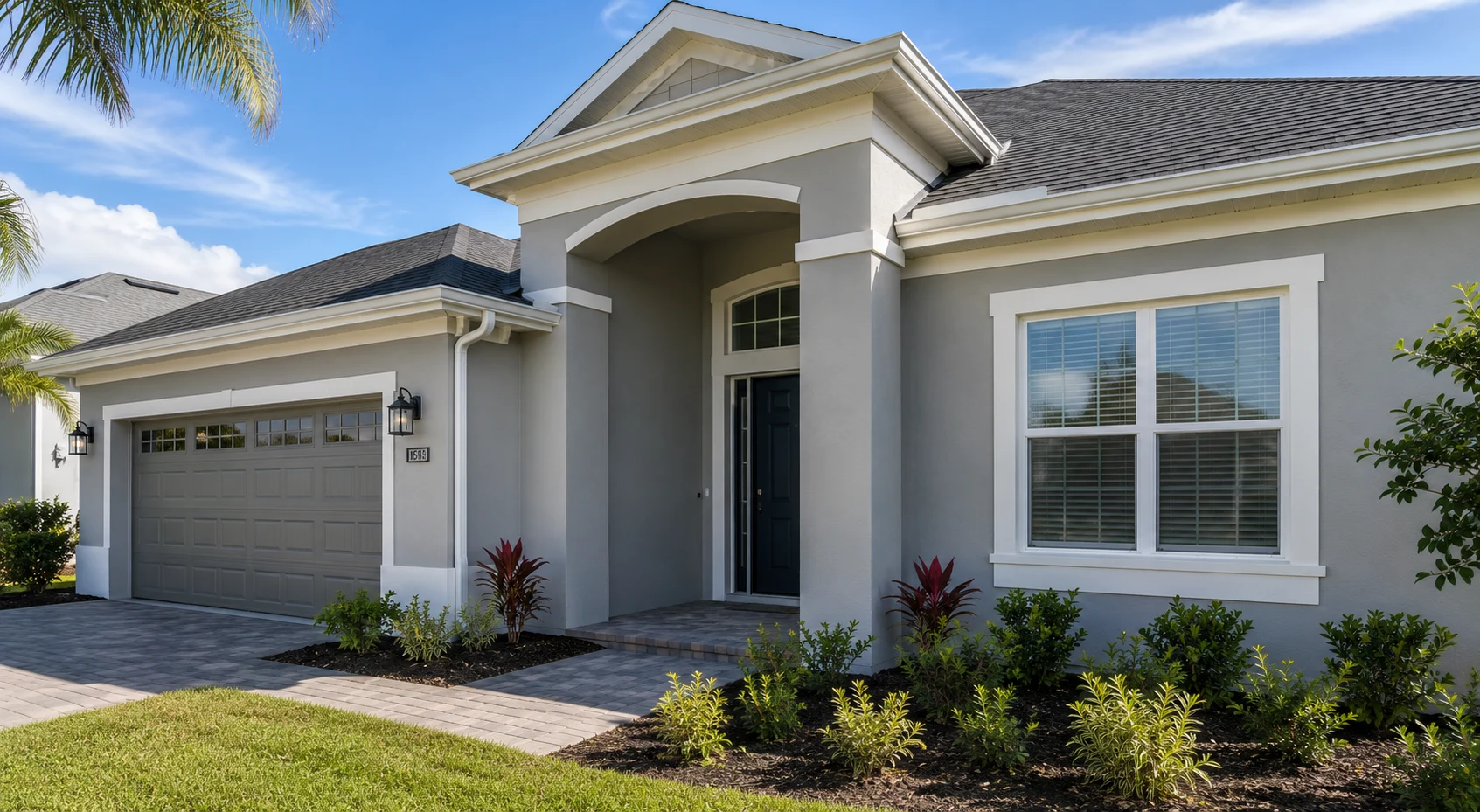
Residential Painting Serving Minneola
Serving homeowners throughout Minneola, where most houses are still young and the finish you put on them now is the one you will live with for years. We do the work properly — and then tell you plainly how to look after it, because that is the half of the job most contractors never mention.
Get Your Free EstimateFree In-Home Consultation
Organized Process
Every project follows a clear, structured process from first contact to final walkthrough.
Quality Craftsmanship
We pay attention to the details that make a remodel feel finished and durable.
Clear Communication
You'll always know what's happening with your project and what comes next.
Commitment to Your Home
We treat every property with the same care and respect as if it were our own.
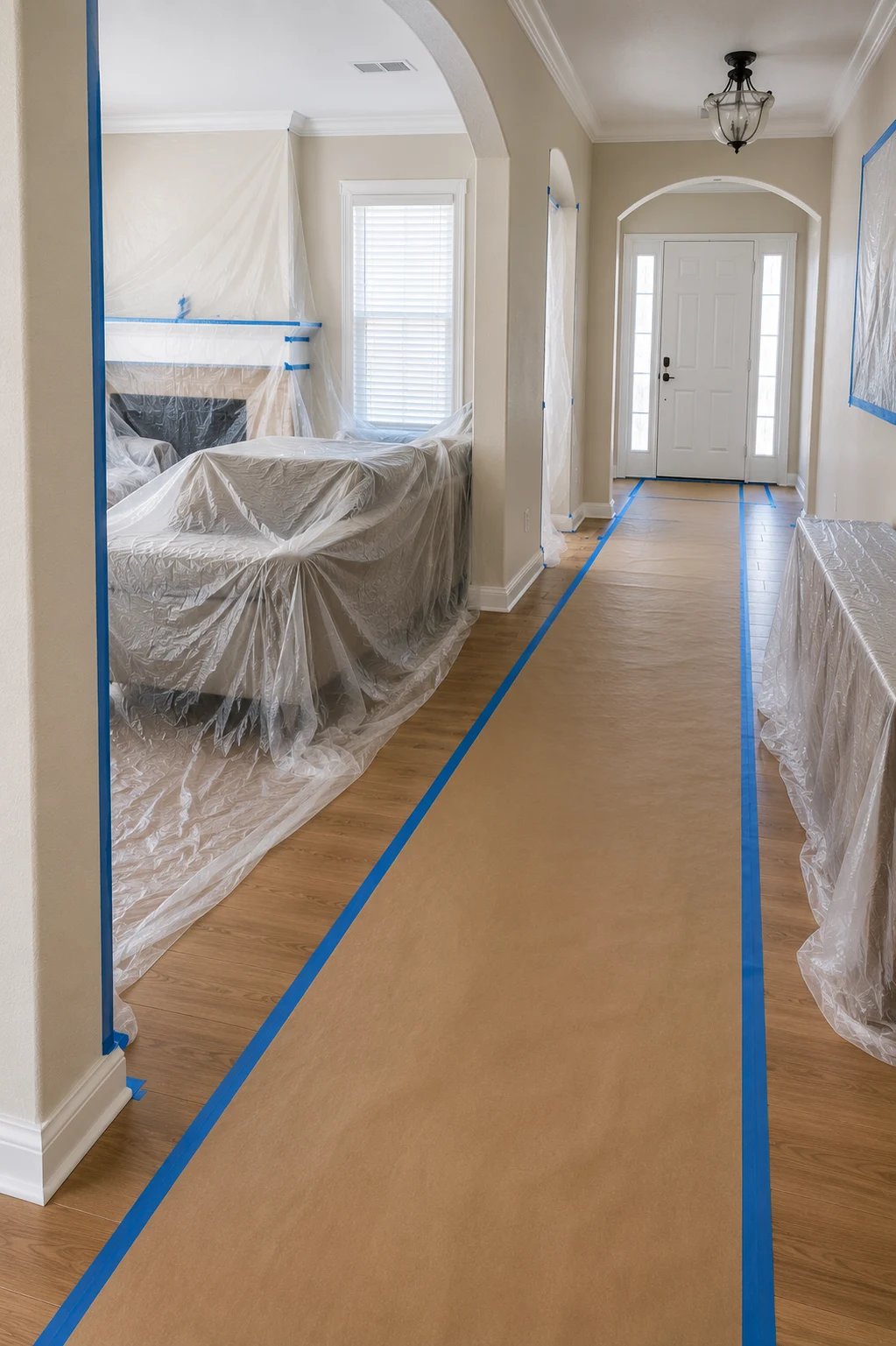 Preparing the House
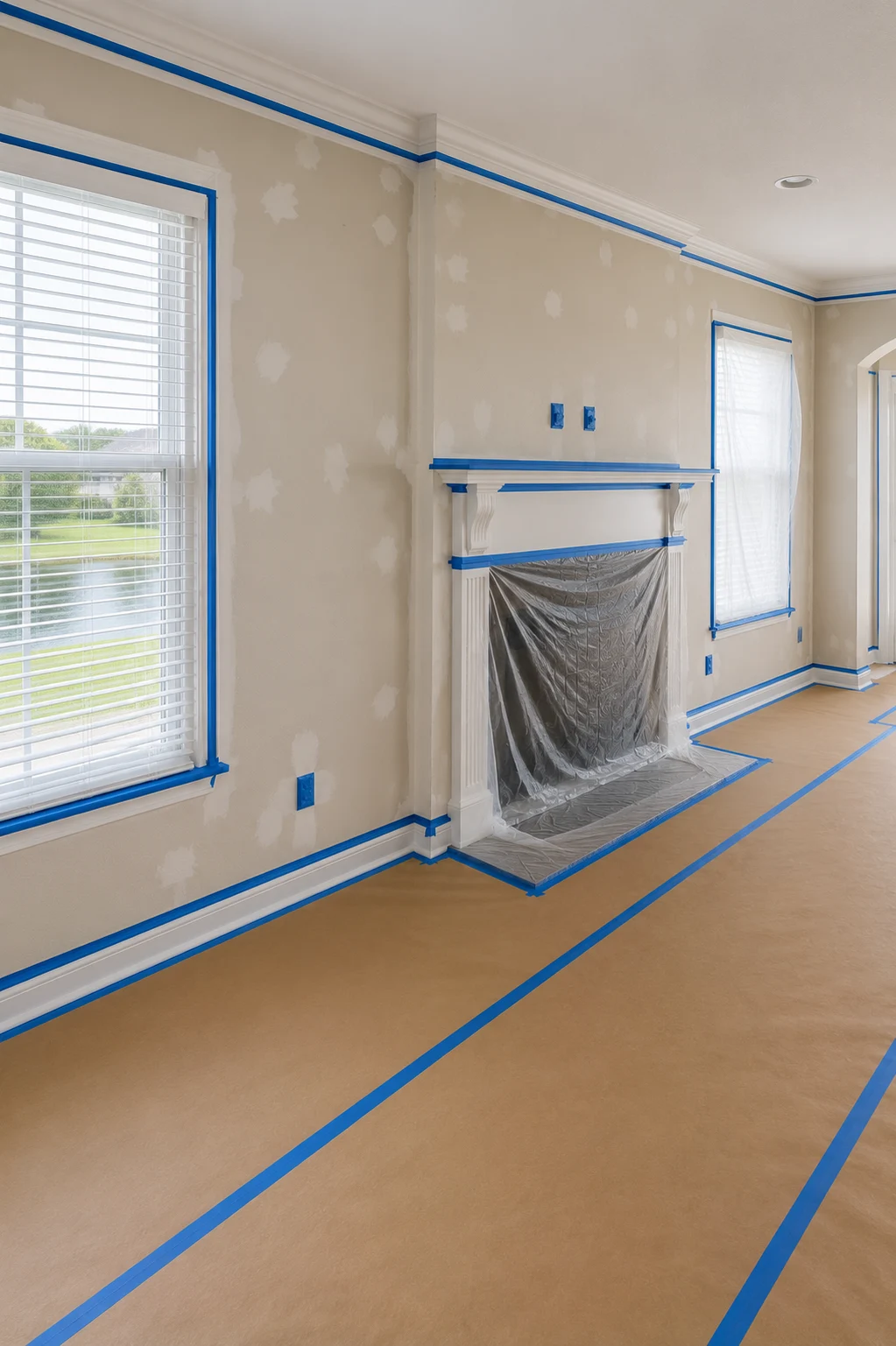 Making It Ready
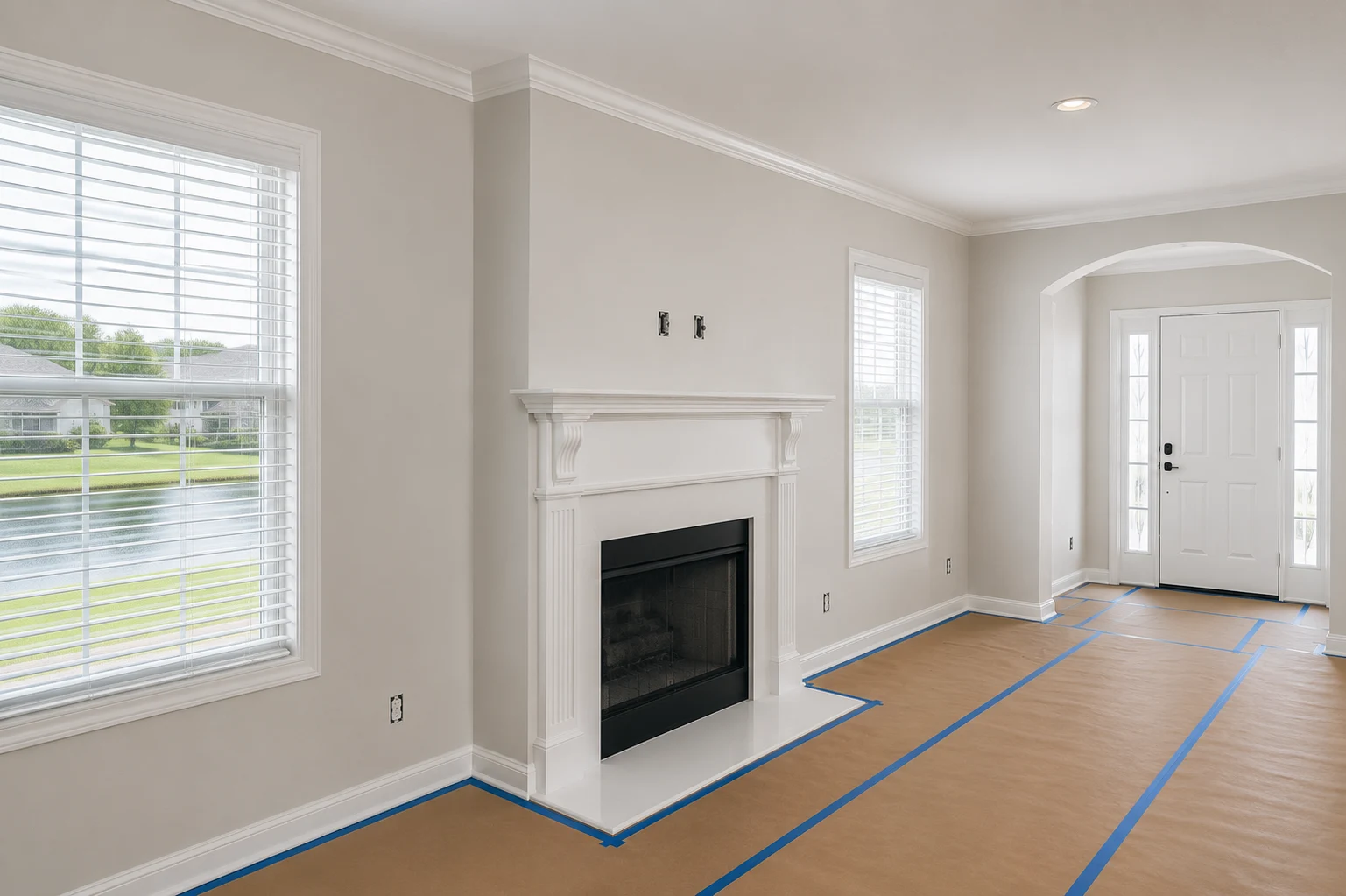 Coating Properly
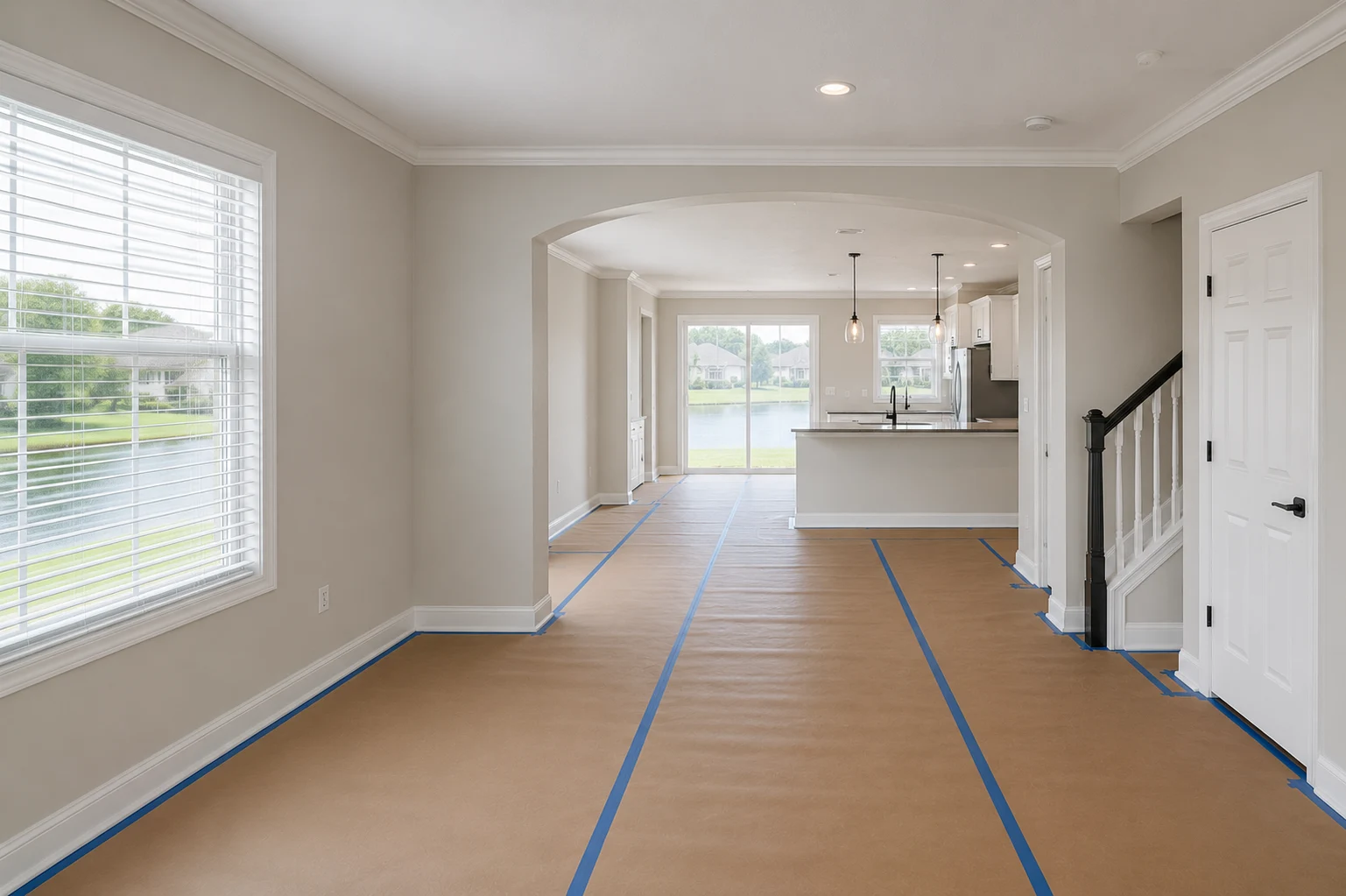 Handing It Over
Working With Us
We're not focused on being the biggest — we're focused on being organized, communicative, and easy to work with.
Your project starts with a clear plan, not guesswork.
You'll hear from a real person about the status of your project.
We treat the small details as seriously as the big decisions.
How It Works
We start by understanding your goals, your home, and the scope of your project.
We translate your vision into a clear, organized plan before any work begins.
You choose finishes and materials with guidance from our team.
Our team executes the project with attention to detail and clear communication.
We review the finished work together to make sure everything meets your expectations.
Real Results
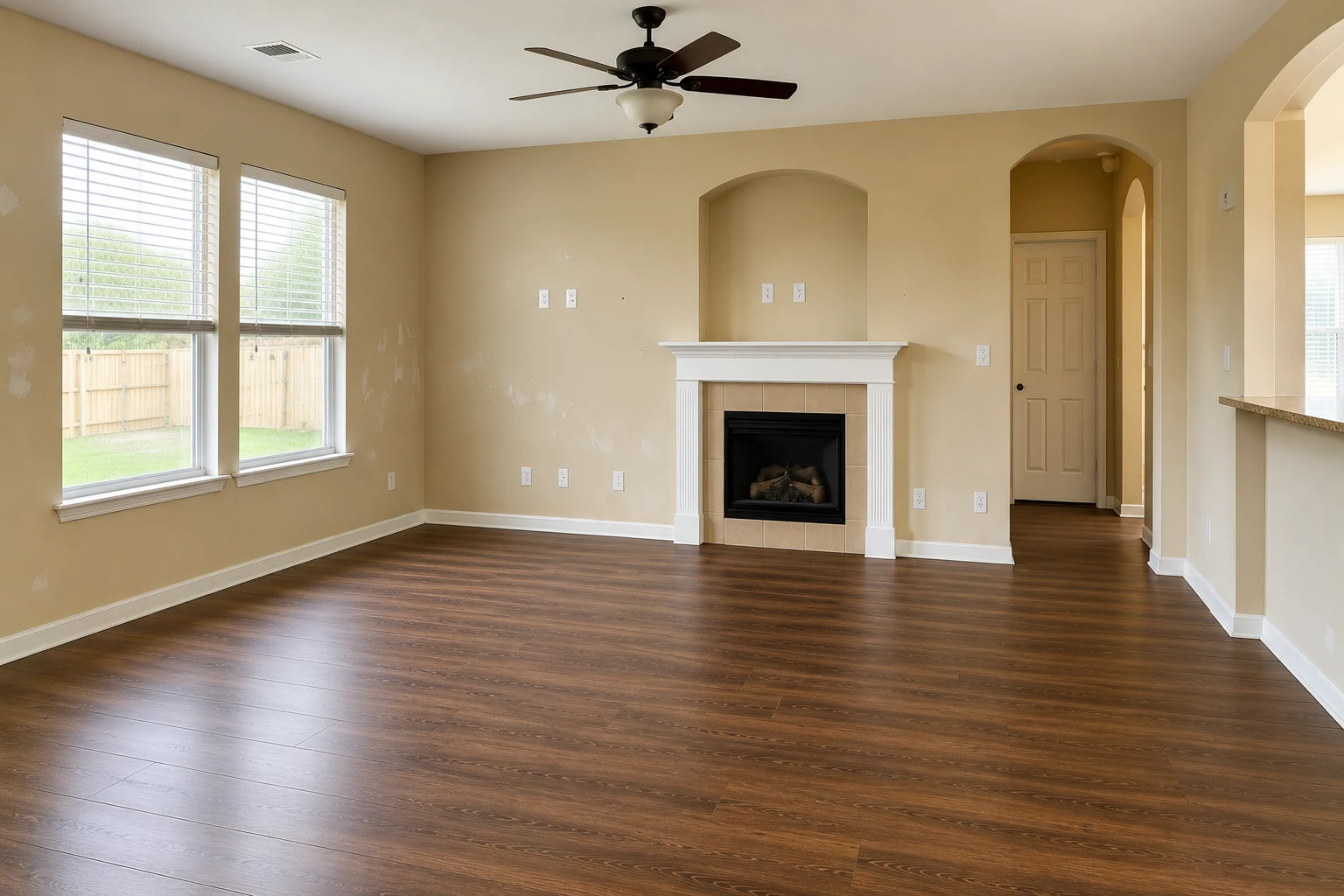
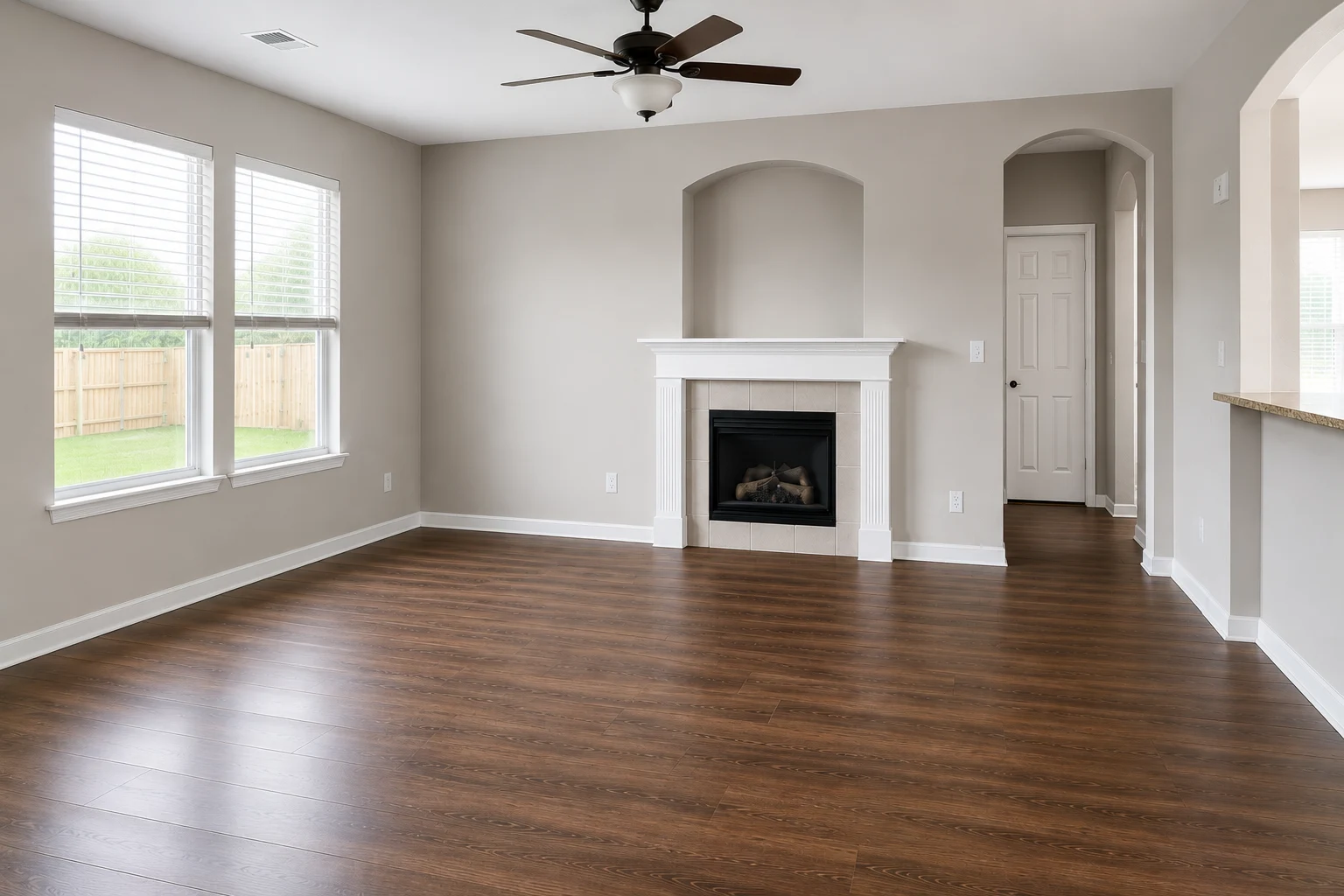
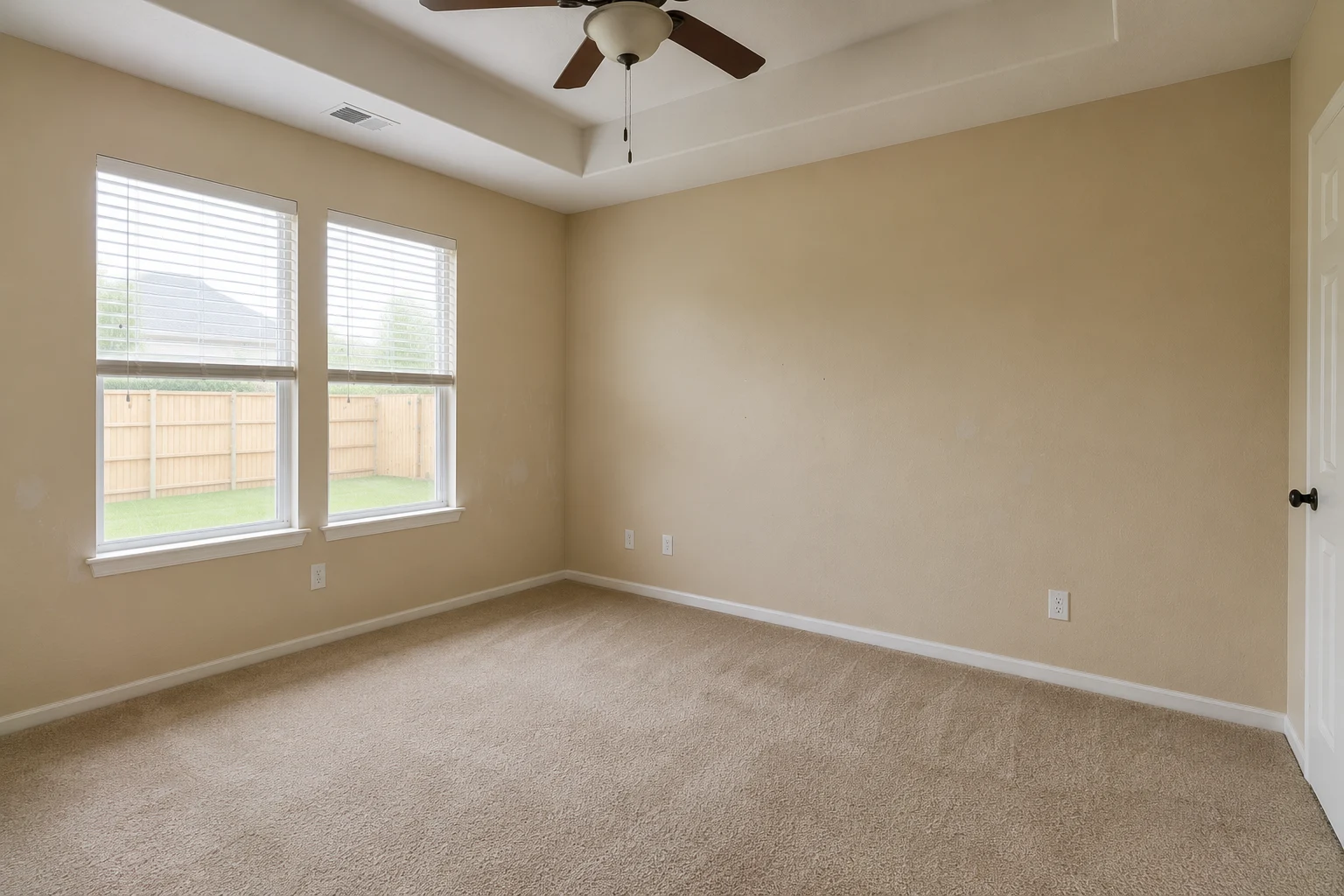
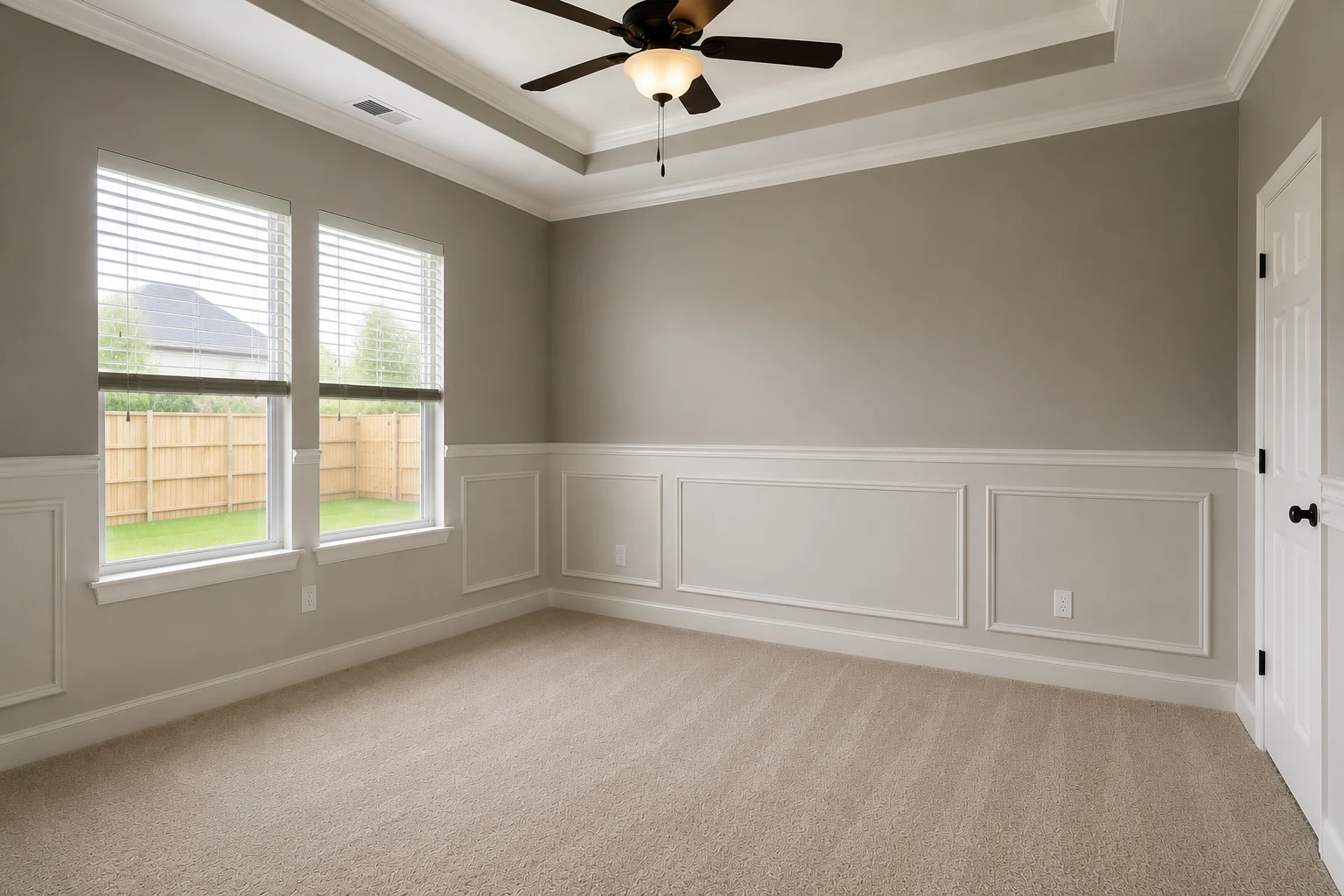
The change on the day is the easy part. What makes a repaint worth the money is that it still reads this way in year three — which depends as much on the weeks after we finish as on the days we were there.
The Benefits
Everything that determines service life is either done before the first coat or respected in the weeks after the last one.
What Else to Consider
With the house already covered and a crew on site, a few related jobs cost far less folded into this project than arranged as their own visit later.
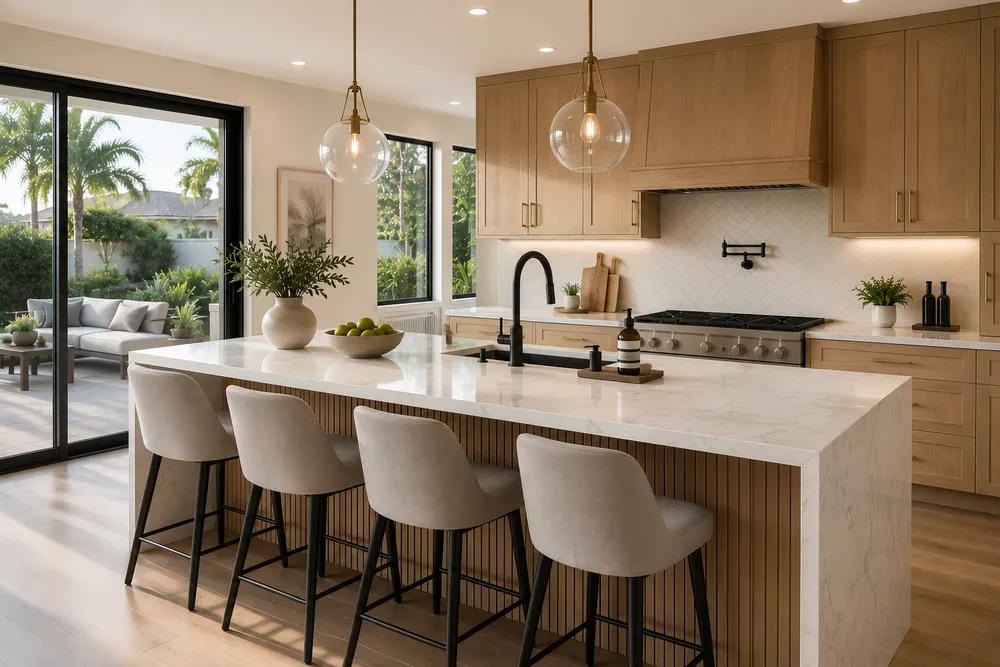
Transform the heart of your home with a kitchen that blends functionality, craftsmanship, and modern design.
Learn More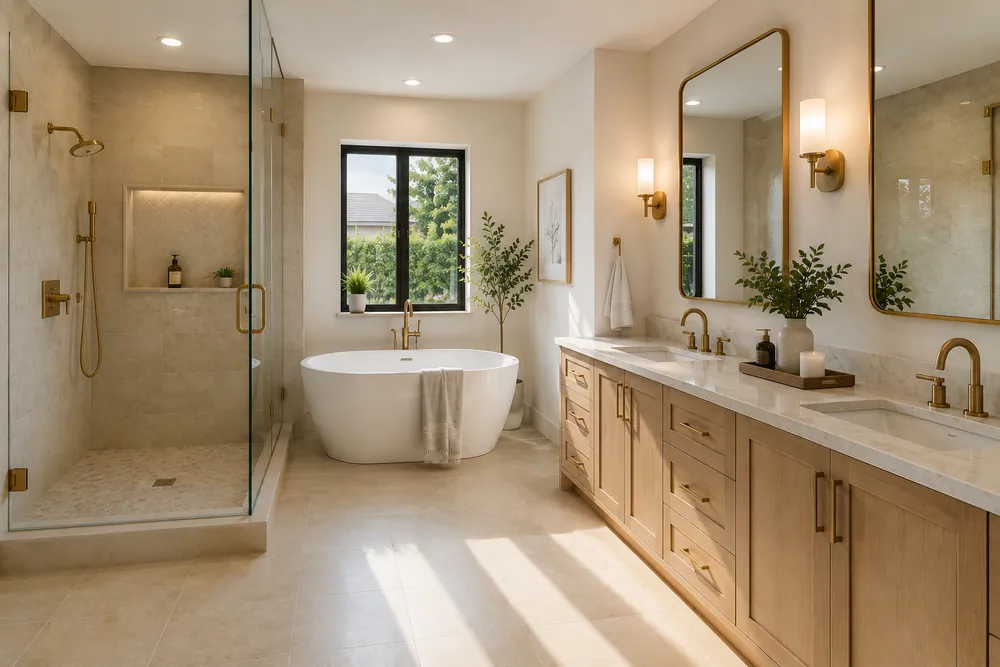
Modernize your bathroom with thoughtful layouts, quality finishes, and lasting comfort.
Learn More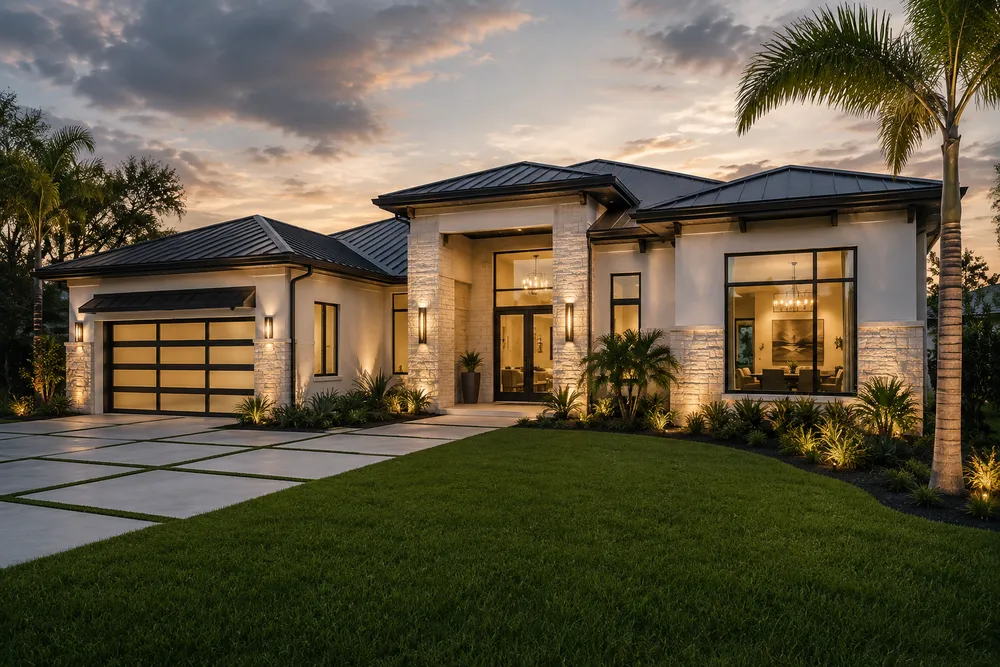
Coordinate a complete transformation of your home, from layout to finishing details.
Learn More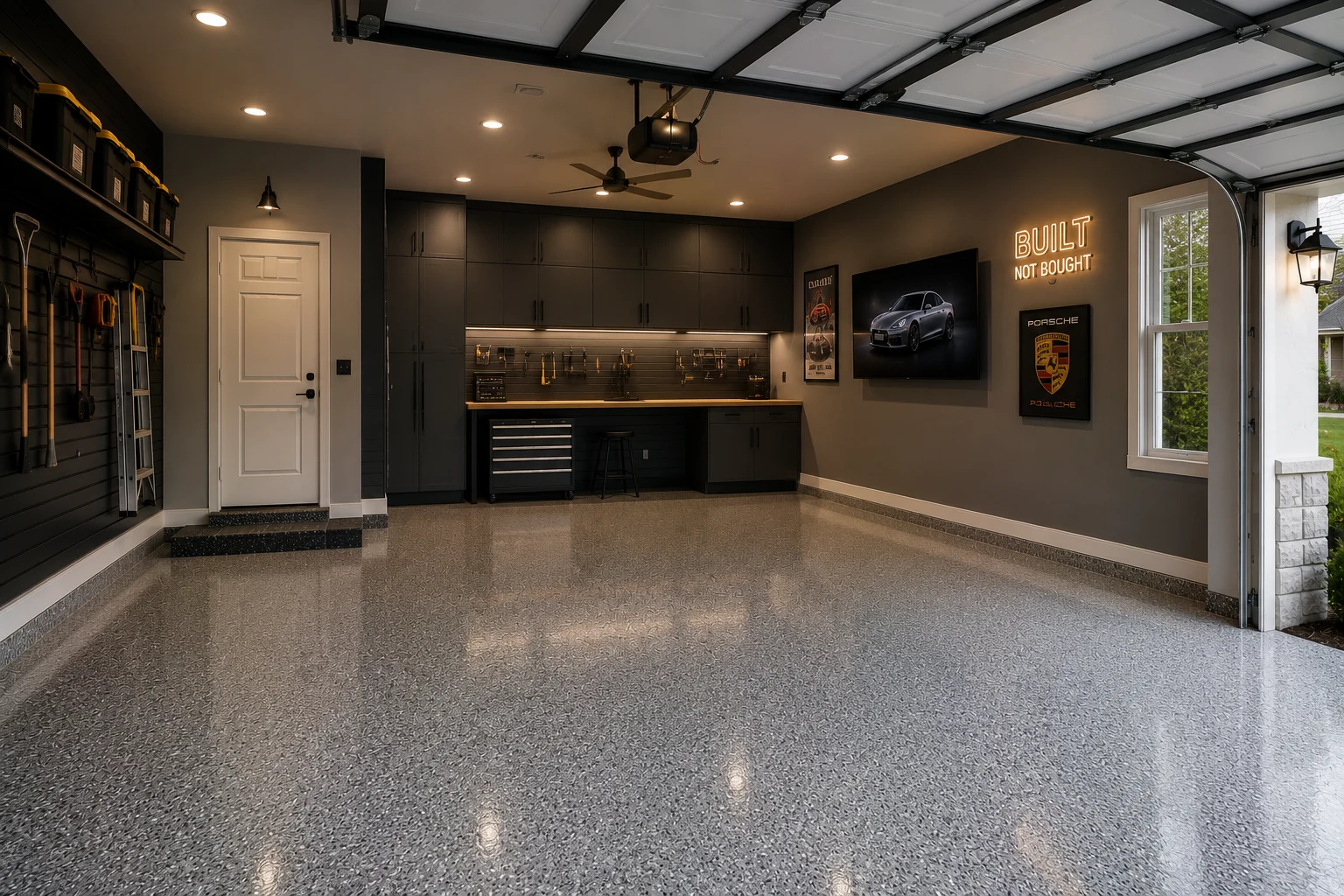
Turn your garage into an organized, durable, and functional extension of your home.
Learn More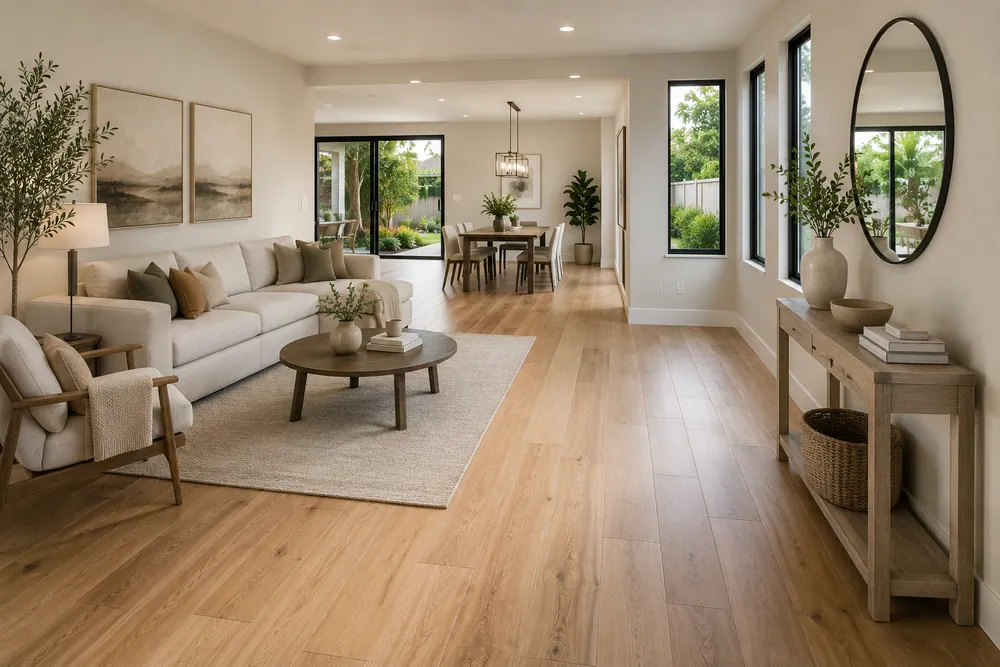
Install and refresh flooring throughout your home with materials built to last.
Learn MoreCurrent ServiceRefresh interior and exterior surfaces with professional, detail-oriented painting.
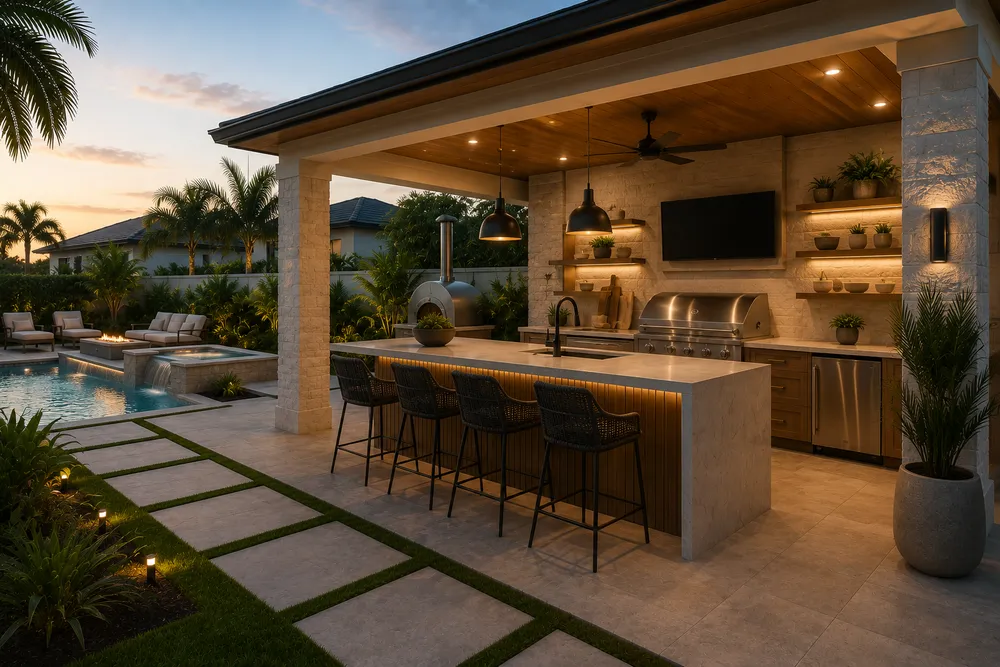
Create outdoor spaces designed for everyday living and relaxed entertaining.
Learn More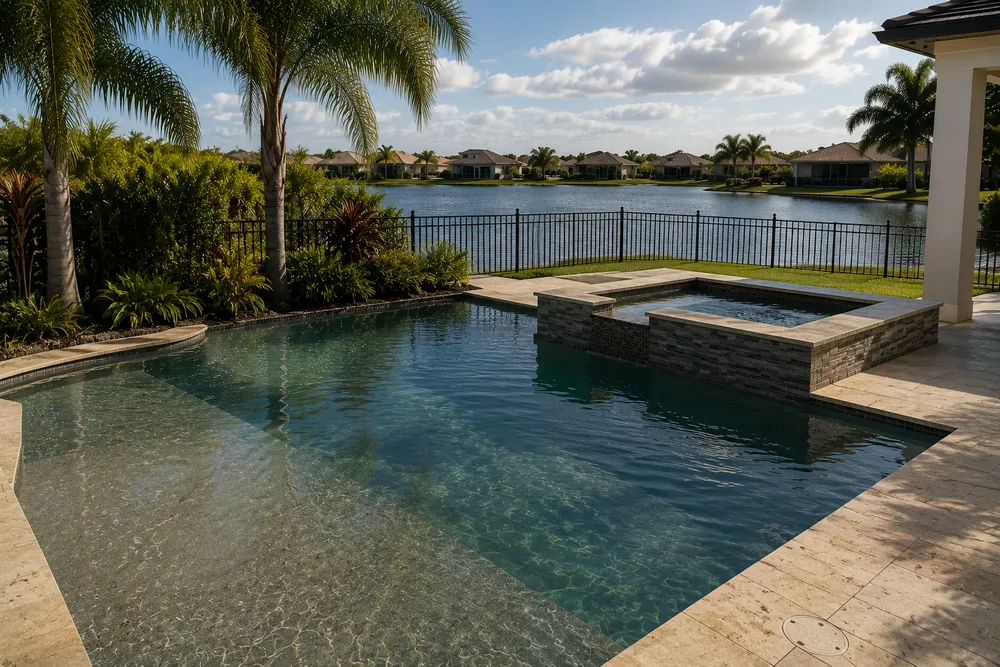
Design and build a custom pool tailored to your home and lifestyle.
Learn More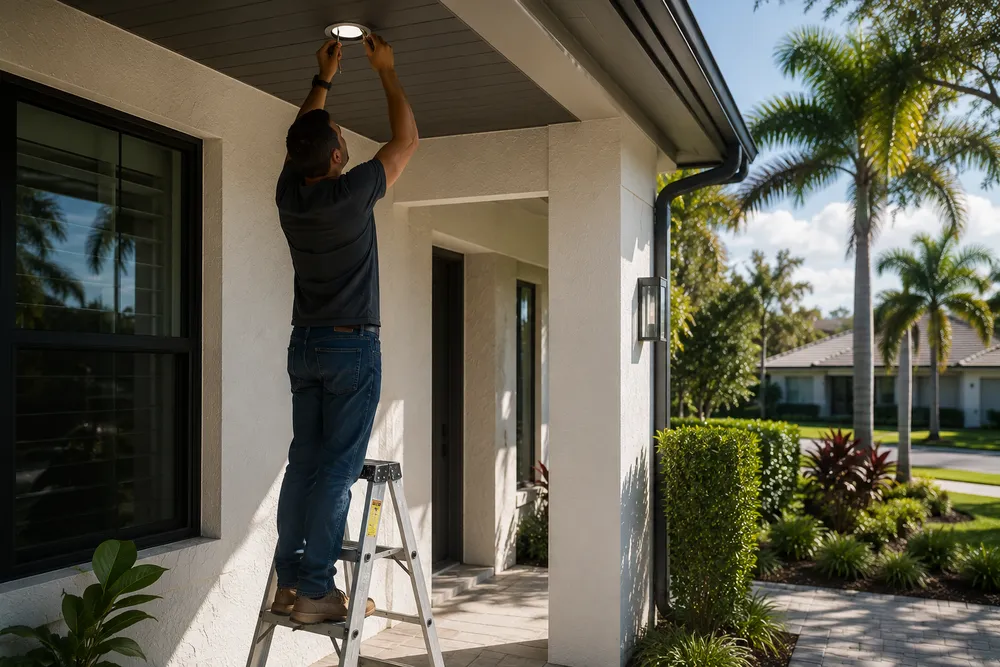
Handle everyday repairs and improvements with the same attention to detail as larger projects.
Learn MoreGet Started
Tell us about your project and our team will reach out to discuss the next steps.
Get your free estimate in less than 2 minutes
Prefer to talk it through first? Call or email us directly.
Working With Us
Almost every estimate you will read covers what happens up to the last coat. Very few mention what happens afterward: that paint is not fully hardened for weeks, that a newer house will produce a small snag list in its first year no matter who painted it, that touching up incorrectly does more visible damage than the mark it was meant to hide. None of that is complicated, and all of it decides how the job looks two years from now.
So we cover it. We walk the house, agree the work and the schedule, and when we hand it back we tell you what to expect and what to leave alone. Homeowners here tend to be in their first or second home and planning to stay a while — the finish should be treated accordingly. Here is how a project comes together.
Planning Ahead
Four things that decide how the finish looks a year from now — two of them happen after we have gone.
Paint feels dry within hours and reaches its real hardness weeks later, and Florida humidity stretches that further still. In the meantime the finish is vulnerable in specific ways: furniture pushed hard against a wall can stick or mark, tape used on fresh trim can lift it, and washing a wall too early leaves a burnished patch that never fully recovers. We will tell you when it is safe to hang pictures, when furniture can go back, and when the walls can be cleaned. Those dates are worth respecting — they cost nothing and they protect the whole job.
Newer homes keep settling for a few years. Hairline cracks reappear above door openings, the occasional fastener pops, and builder caulk shrinks back from trim during the first dry season. When that happens six months after a repaint it looks like the paint failed; it did not — the house moved. We repair what is present before painting and we say plainly what is likely to reappear, so it can be dealt with as ordinary maintenance rather than treated as a fault.
Most touch-ups look worse than the mark they were covering, and it is almost always method rather than material. Paint applied thickly over a small area leaves a raised patch; a different roller nap leaves a different texture; a sheen that has fully cured will not match a fresh dab beside it. The workable approach is a small amount feathered outward with the same applicator that was used originally — and for anything larger than a coin, recoating wall to wall rather than spotting. We leave labeled material and record the specification so you have the option either way.
Walk the outside of the house annually and you will catch every problem while it is still inexpensive. Run a hand along a sunny wall — powder means the coating is breaking down. Look at caulk lines around windows and where trim meets stucco for gaps opening up. Check the shaded elevations for growth, and check where irrigation is actually landing. Ten minutes of that finds the small repairs. Waiting until the house looks tired from the street finds the large ones.
Why SAVAM House
Every project follows a clear, structured process from first contact to final walkthrough.
We pay attention to the details that make a remodel feel finished and durable.
You'll always know what's happening with your project and what comes next.
We treat every property with the same care and respect as if it were our own.
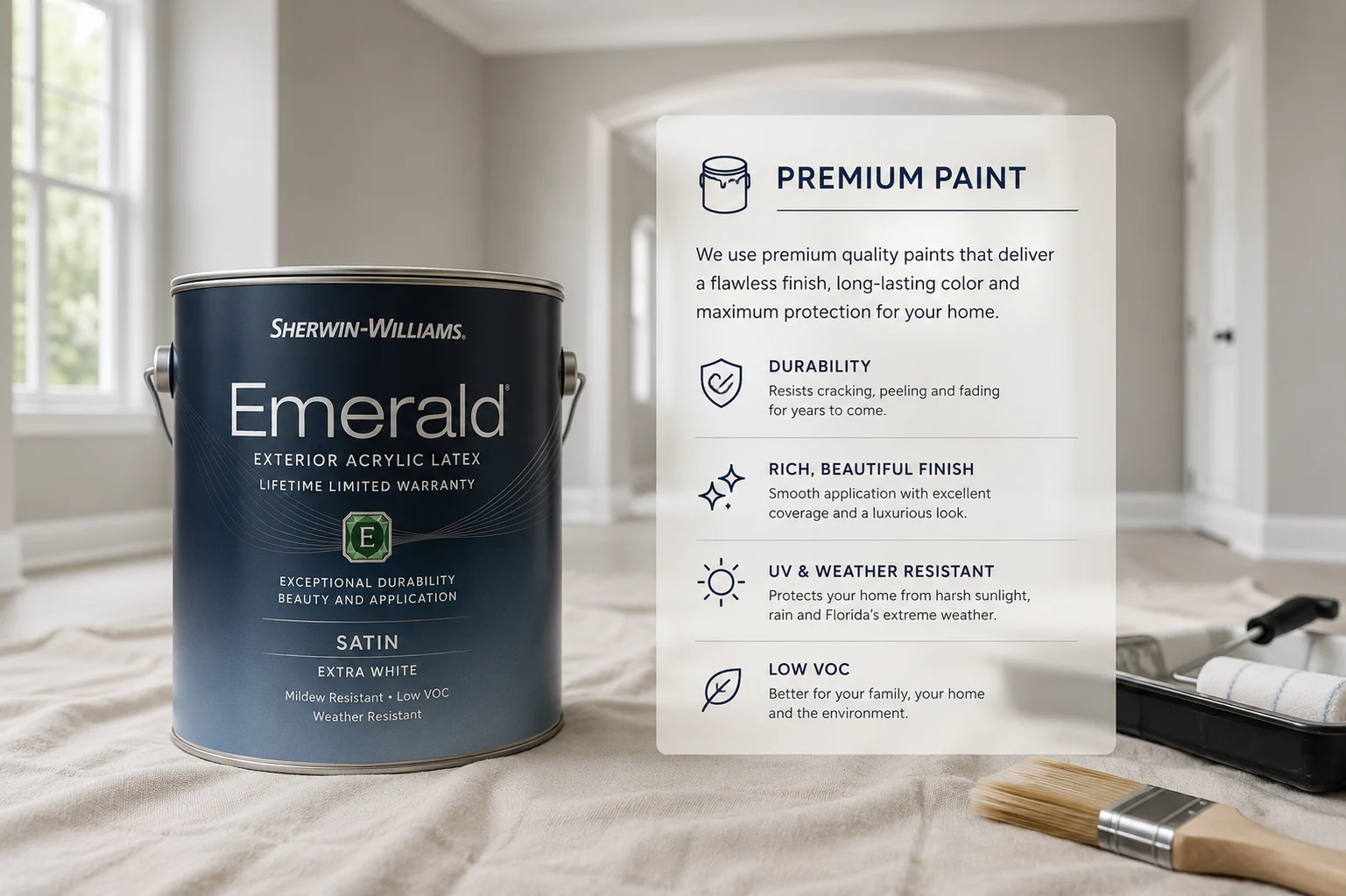 Premium Paint SystemsChosen for washability inside and color retention outside, and paired with the primer that lets the topcoat perform as intended.
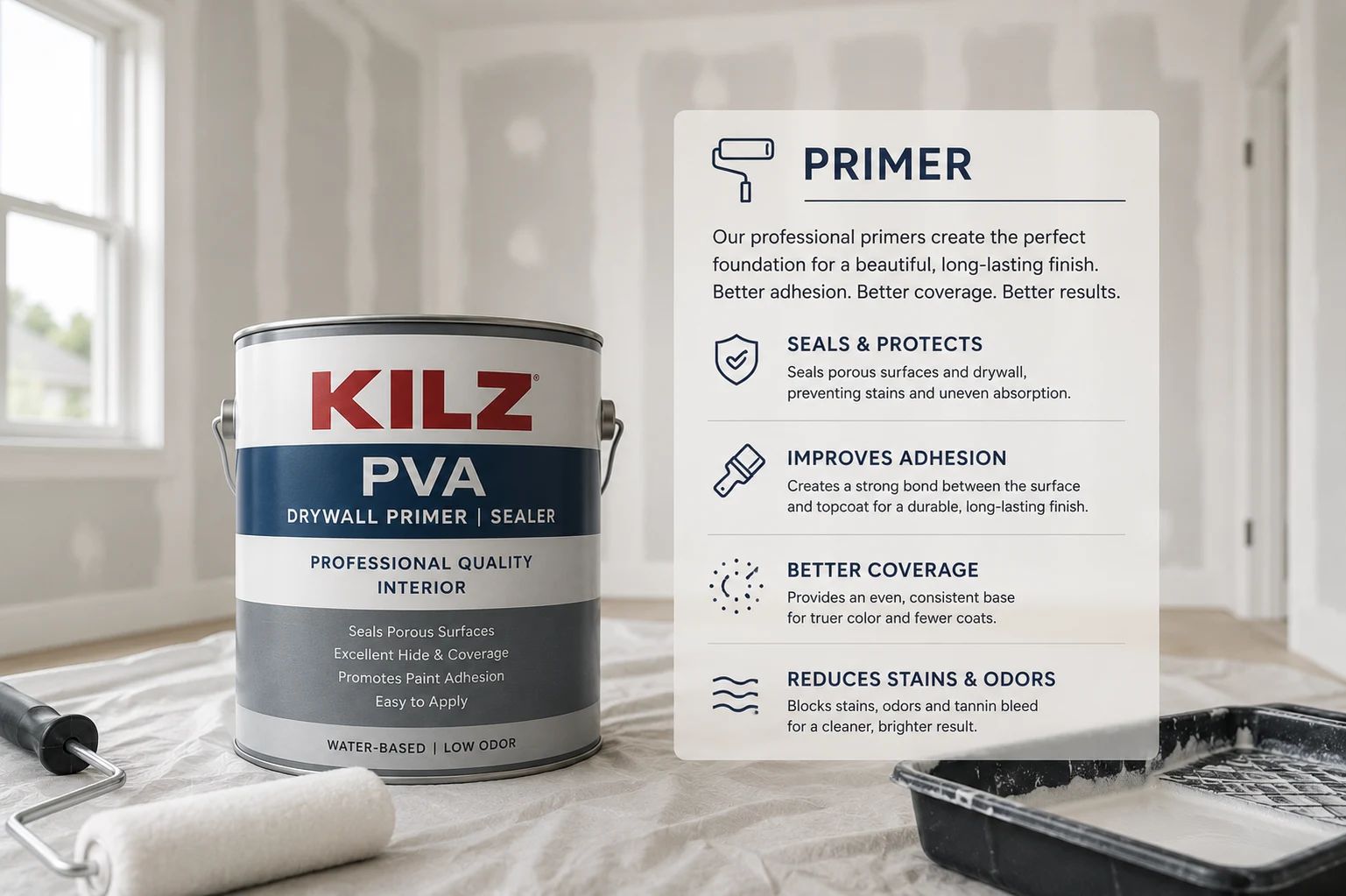 Primers and SealersSpecified for patched repairs, bare drywall, chalked stucco, and factory-primed trim — the layer that decides how long everything above it lasts.
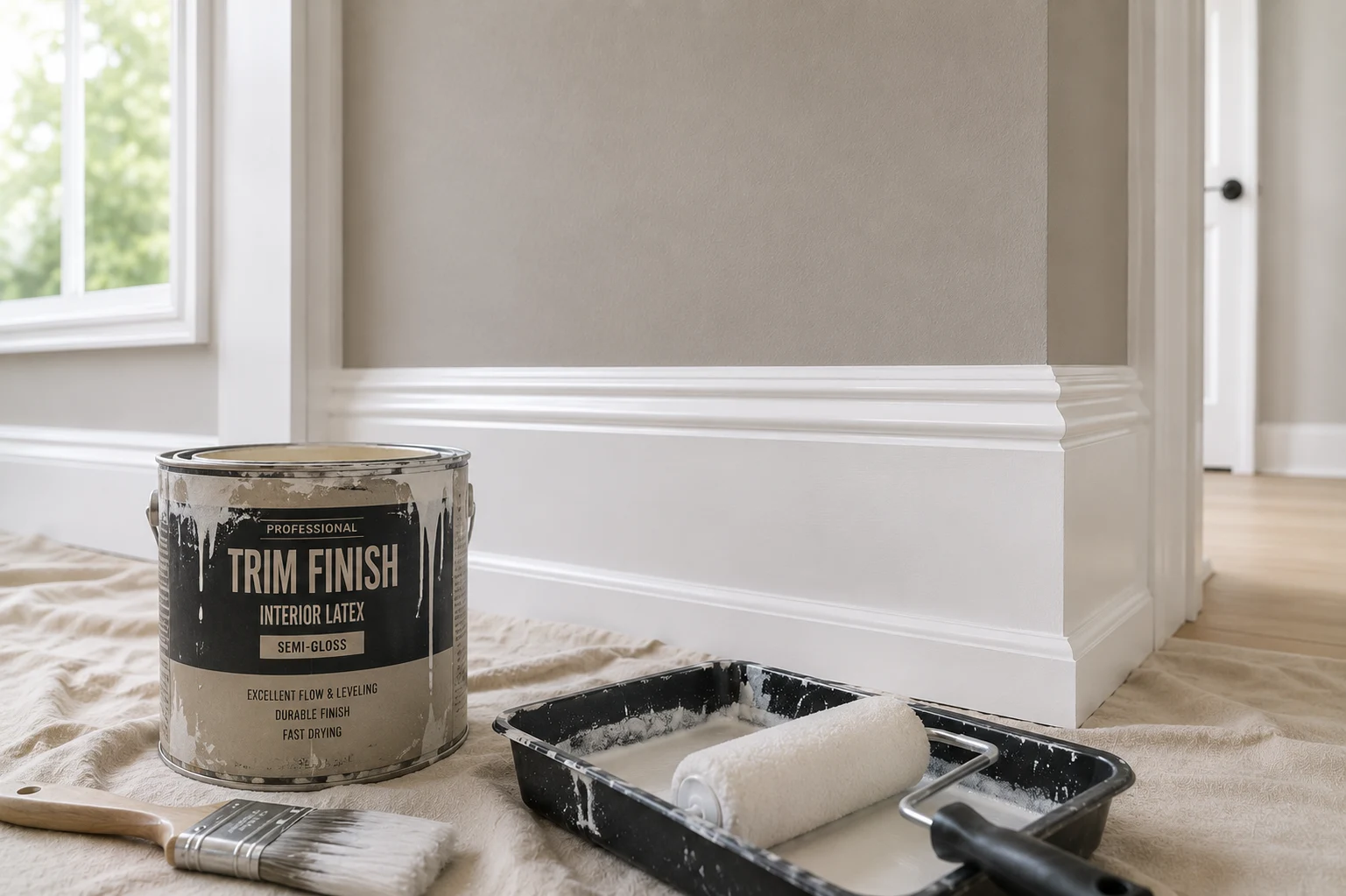 Trim, Door & Cabinet FinishesHarder, more washable finishes for the surfaces a family touches daily, where ordinary wall paint would mark within a season.
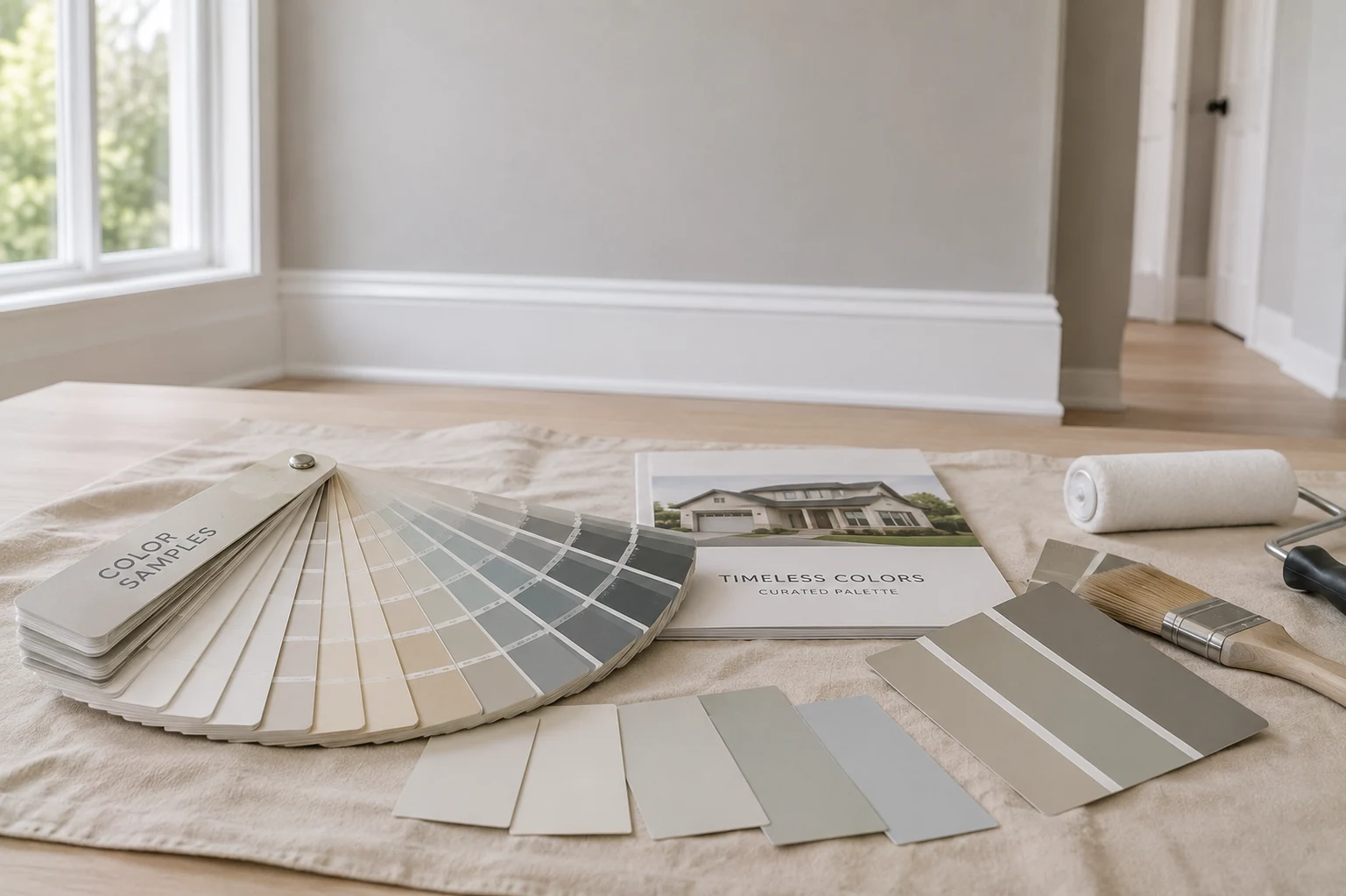 Color Selection SupportA shortlist narrowed against your floors, counters, and light, tested on your own walls and settled before the first day.
Get Inspired
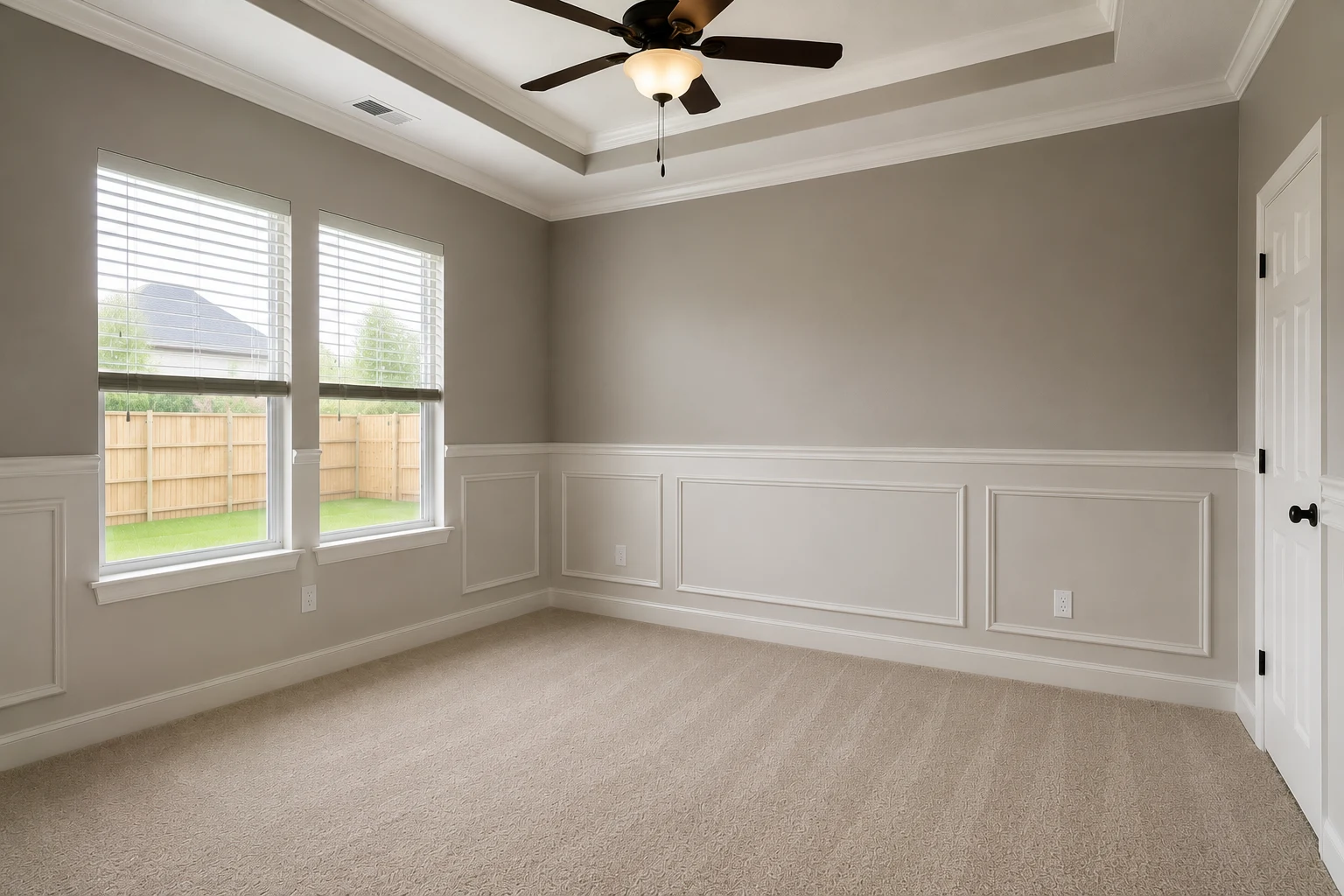
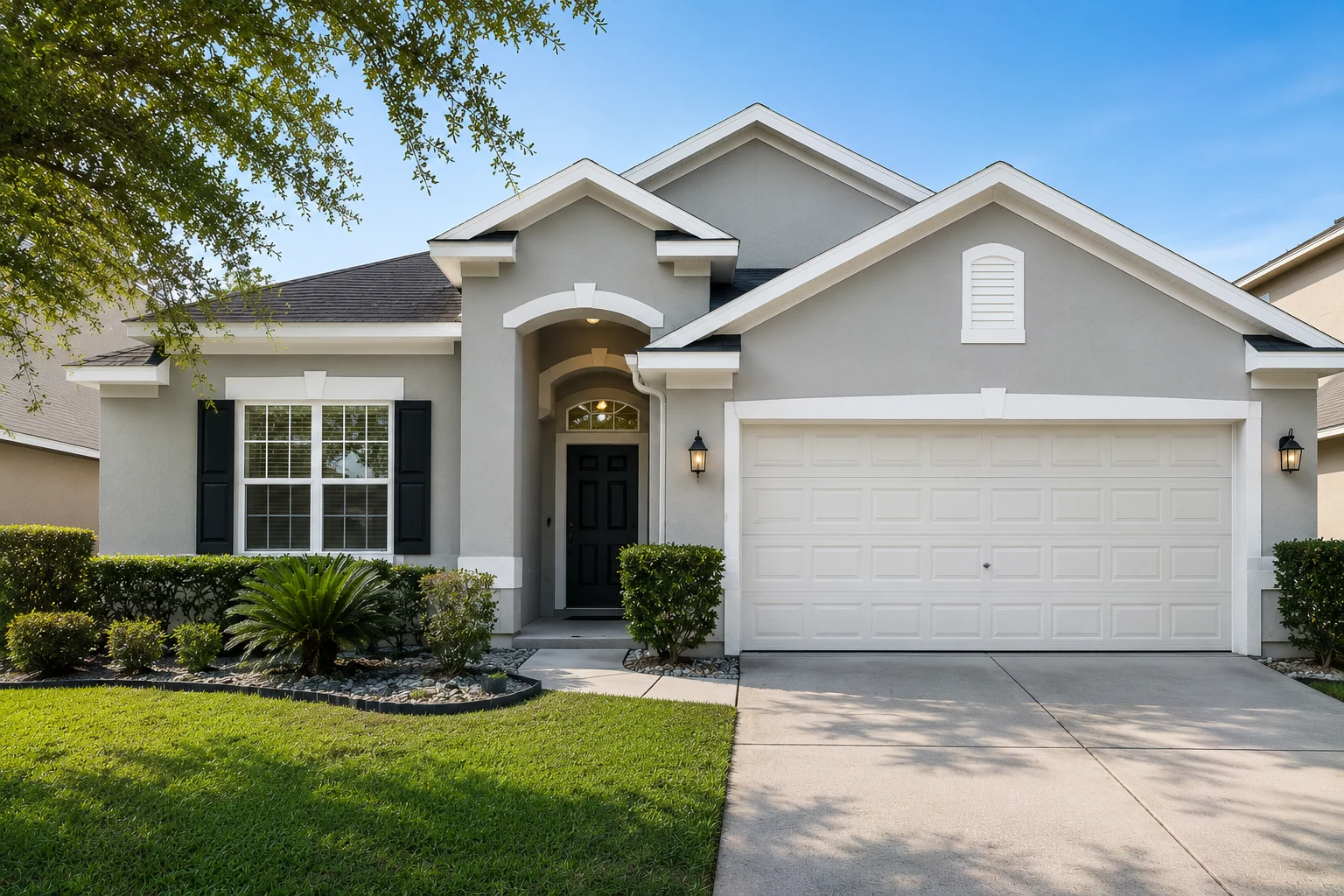
Three routes families here tend to take — refreshing the interior, renewing the exterior, or bringing the whole house onto one palette.
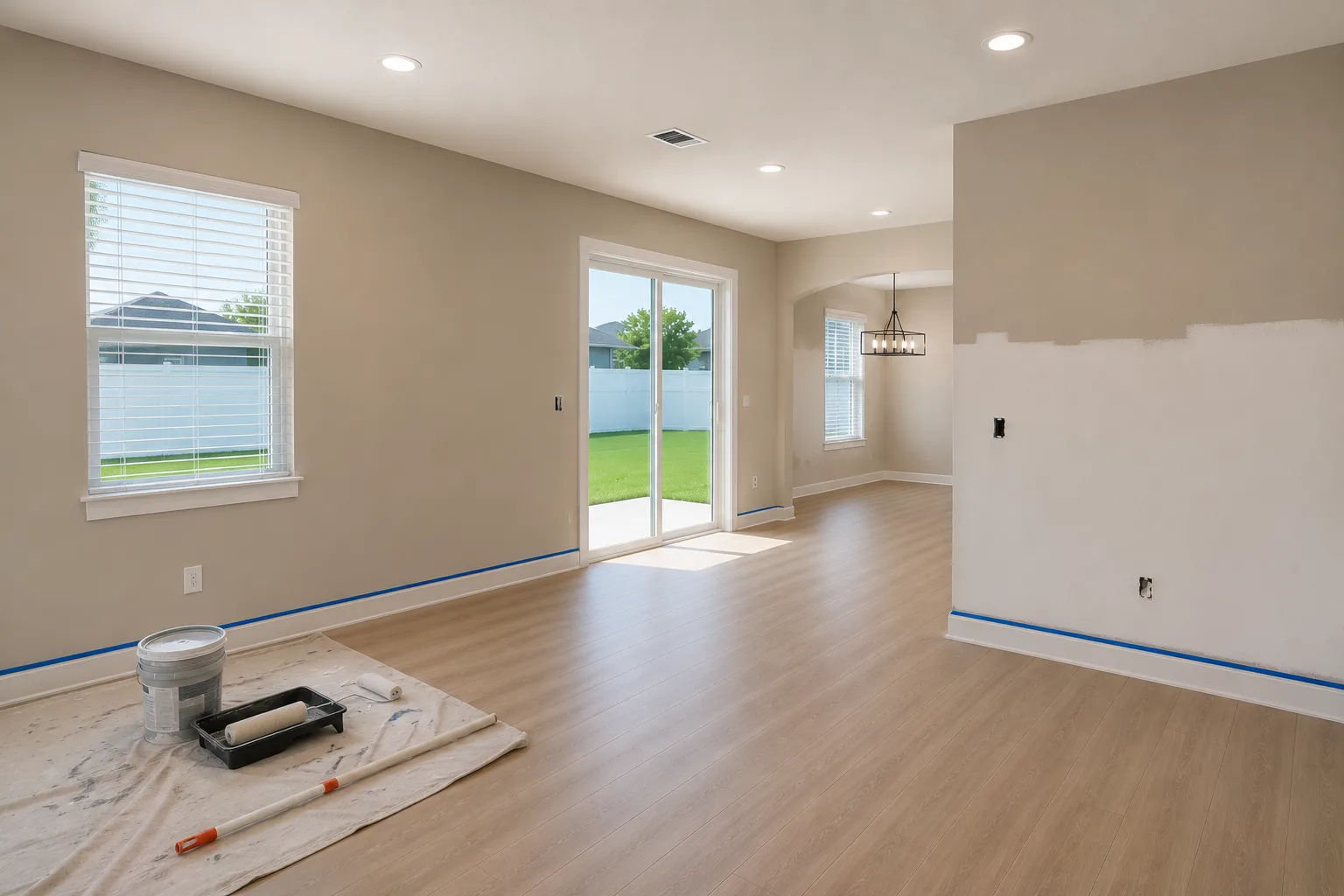
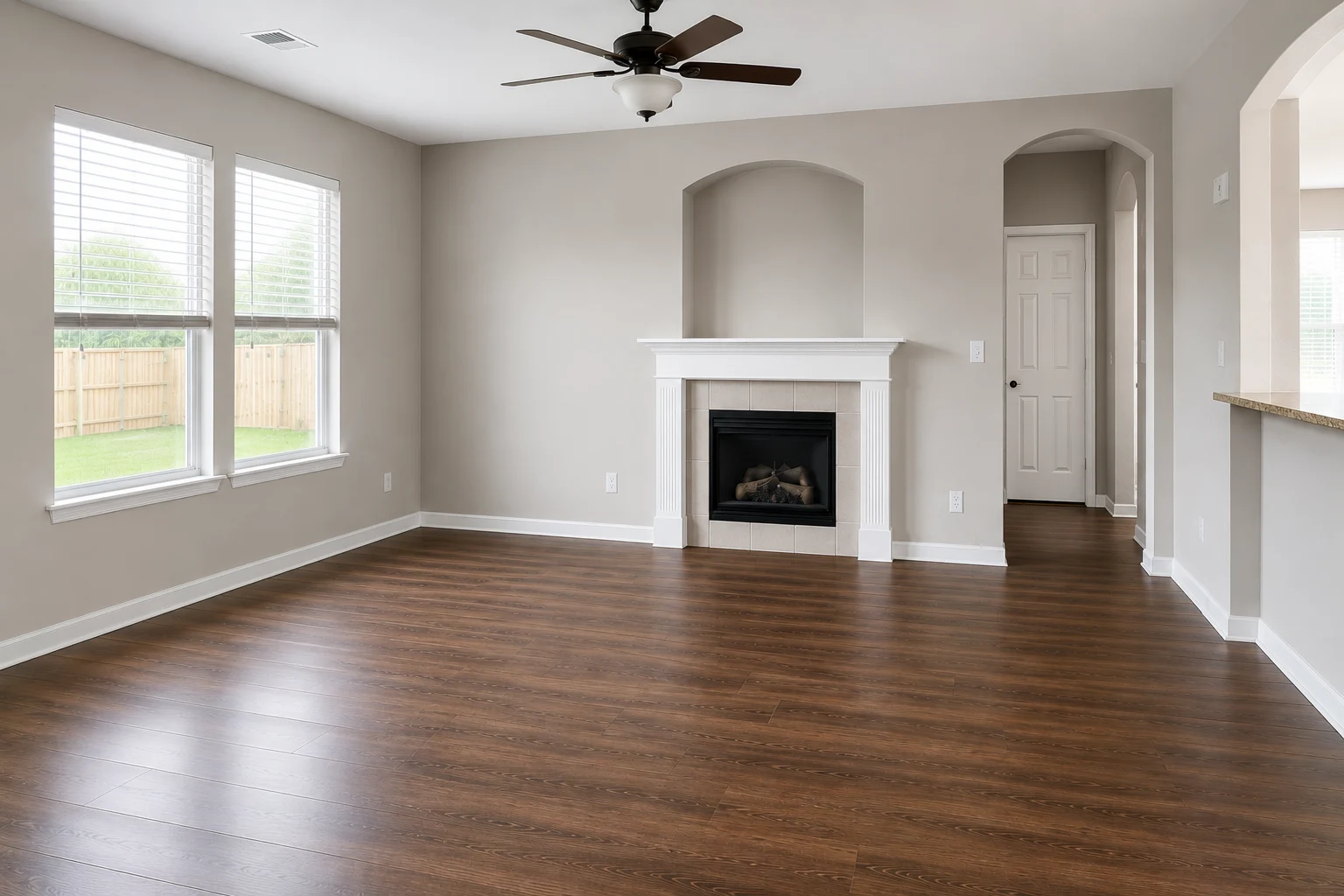 ConceptPaintingSoft Neutral Interior Concept
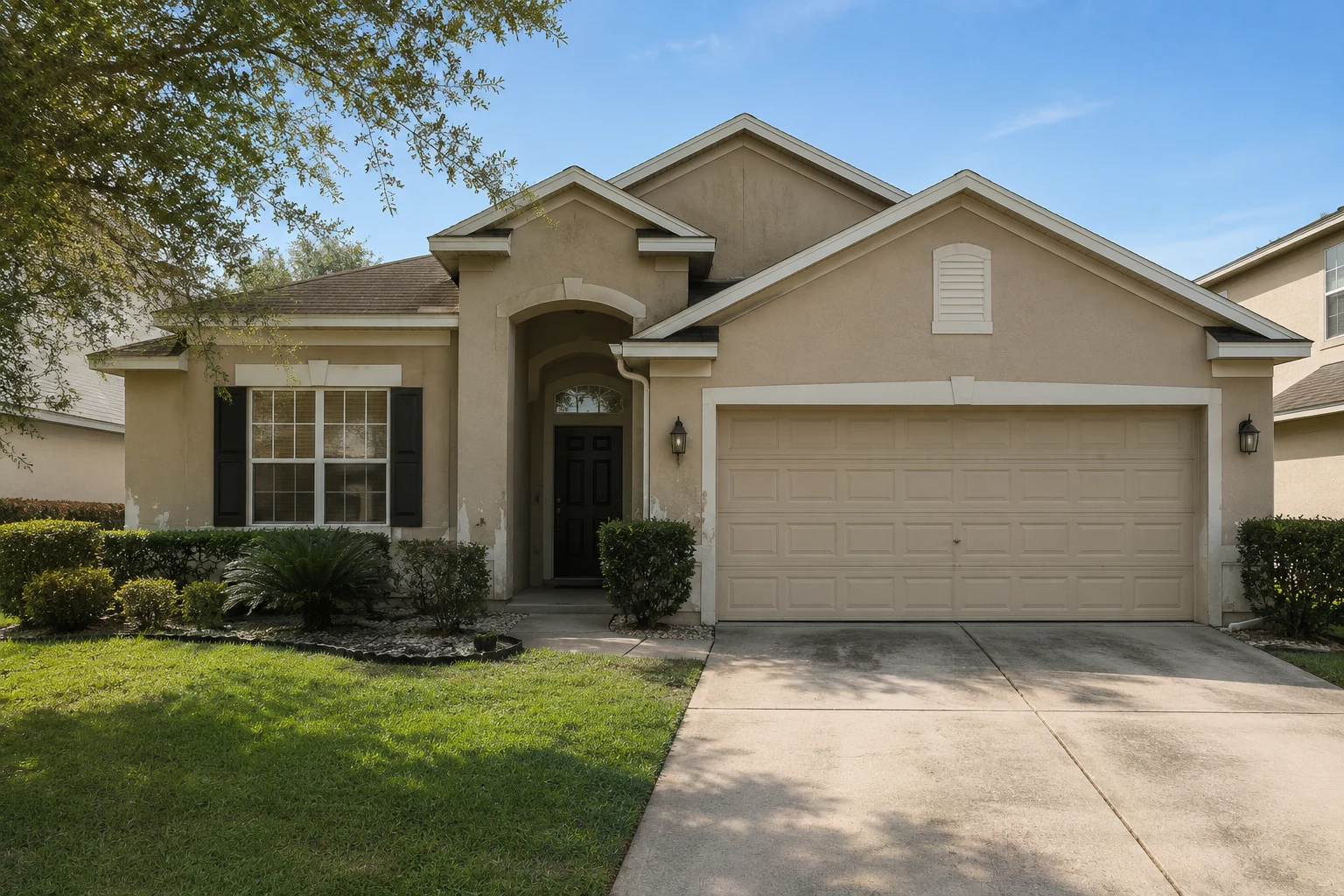
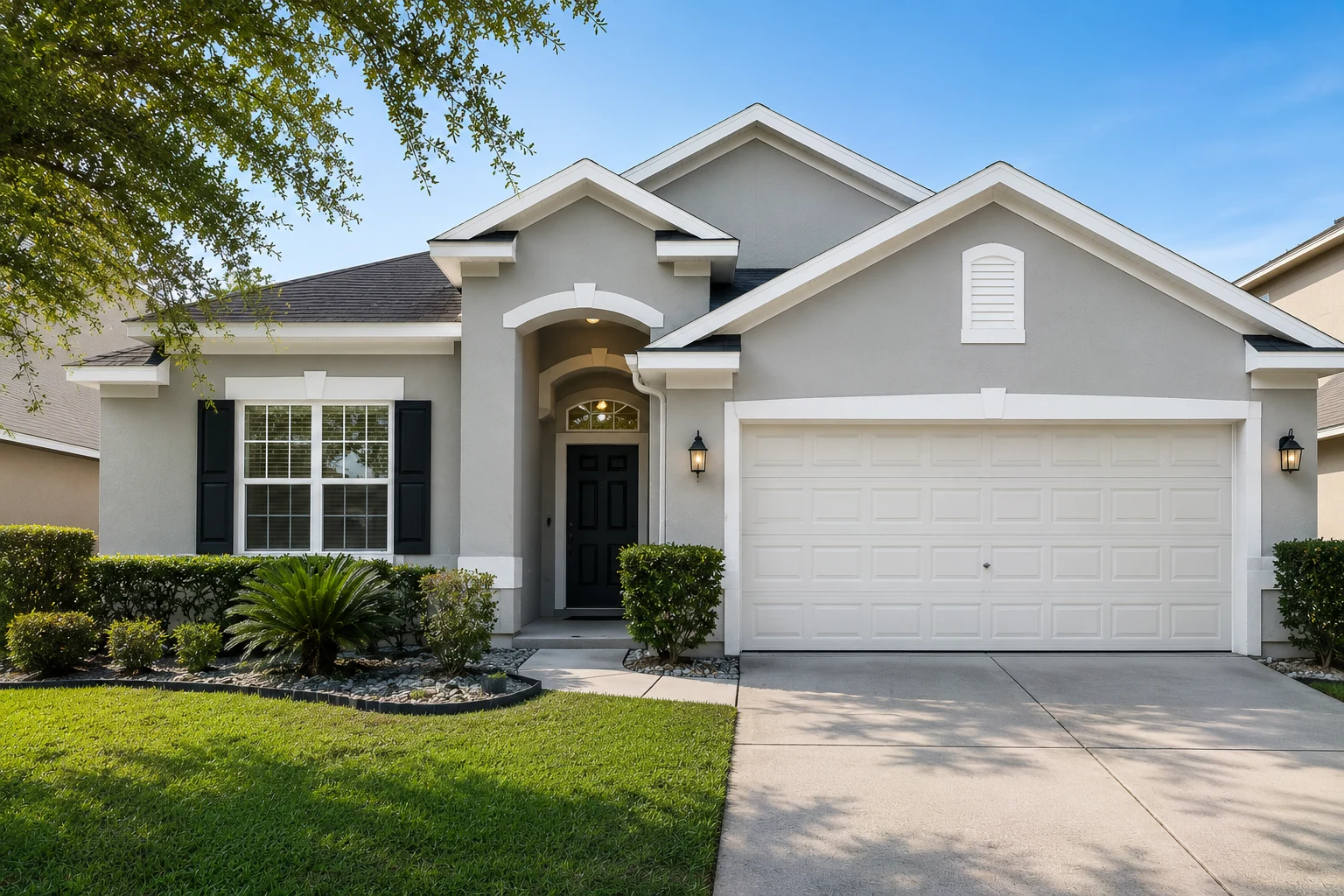
 ConceptPaintingRefreshed Stucco Exterior Concept
 ConceptPaintingCoordinated Whole-Home Palette Concept
These images are conceptual visualizations meant to illustrate the style and quality SAVAM House can deliver — not photographs of projects completed by our team.
Questions
Sooner than you can wash the walls, but not the same day. Paint is dry to the touch within hours and continues hardening for weeks, and during that window furniture pressed firmly against a wall can stick or leave an impression. We will give you specific timing for your project rather than a generic number, because humidity in the week we work changes the answer.
Later than most people assume — full cure takes considerably longer than drying, and washing before then leaves a burnished area that will not blend back in. If something needs attention in the meantime, a dry cloth or the lightest possible touch with water is the safe approach. We will tell you the date from which normal cleaning is fine.
Almost certainly not. Newer houses continue to settle for several years, and the first places that shows are above door openings and where trim meets wall. That movement opens fine lines regardless of how well the wall was painted. We repair what exists before we start and flag what is likely to move again, so it can be handled as ordinary maintenance rather than mistaken for a defect in the work.
Yes, labeled by room and surface, along with a record of the colors, sheens, and products used. Store it indoors rather than in the garage — Florida heat degrades leftover paint quickly, and a can that has cooked through a summer will not match the wall it came from. A closet shelf is worth far more than a shelf above the water heater.
Use as little material as possible, feather it outward rather than filling the mark, and apply it with the same kind of applicator we used — a brush dab into a rolled wall leaves a texture that stands out more than the scuff did. Cured sheen also never quite matches a fresh dab beside it, so for anything larger than a coin, repainting the wall corner to corner is the better answer. If in doubt, send us a photograph.
Take down artwork and anything hanging on the walls, clear the tops of dressers and shelves in the rooms included, and move irreplaceable or fragile items out of the work area yourself. Outside, trim planting back from the walls and adjust irrigation that sprays the house. Most importantly, settle colors before day one — decisions made with a crew waiting rarely hold up.
By narrowing rather than presenting everything. We start from what is staying — flooring, counters, cabinetry, roof — and reduce the options to a handful that sit comfortably with all of it. Those go on your actual walls, and you look at them in the morning, at midday, and once the lamps are on. Almost every decision settles itself at that point, and it prevents the expensive discovery that a color reads completely differently across a whole room.
Outside, yes — the original builder coat was specified to look right at handover rather than to last a decade in this climate, so what replaces it is doing a genuinely different job. Inside it depends on the room: hallways, stairs, and family bathrooms earn a washable premium product quickly, while a formal space that nobody touches does not. We would rather concentrate the budget where it works than spread it evenly.
It affects application more than longevity. Humid air slows the release of moisture from each coat, so recoat and cure times run longer than the label suggests — rush them and you get a finish that never hardens correctly, which then marks easily for the rest of its life. Applied with proper waits, a quality system performs perfectly well in this climate.
Four things, and it takes about ten minutes. Run a hand along a wall that takes afternoon sun — powder means the coating is breaking down. Look at the caulk around windows and where trim meets stucco for lines starting to open. Check the shaded elevations for growth. And watch where the sprinklers actually land, because irrigation hitting a wall every morning shortens its life more than the weather does.
Where the boxes and doors are sound, yes — and the preparation decides everything: degreasing, scuffing, and a bonding primer suited to the factory coating. Afterward, give the finish several weeks before cleaning it properly, then wipe with a mild cleaner rather than anything abrasive, and dry around the handles where hands land most. Treated that way it wears very well.
Send us the outline through the form on this page — which rooms or exterior areas you are considering and what has prompted it. We will follow up to talk it through and, where it makes sense, come out and look at the house before putting any numbers to it.
Tell us what you have in mind and we will walk the house, plan the work honestly, and hand it back with the finish explained rather than just finished.